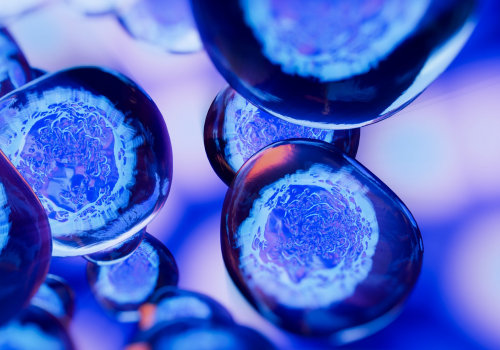
Exosomes are small extracellular vesicles, typically ranging from 30 to 150 nanometers in diameter, that are secreted by various cell types into the extracellular environment. These vesicles play a pivotal role in intercellular communication, carrying a diverse array of biomolecules, including proteins, lipids, and nucleic acids. Their unique composition reflects the physiological state of their parent cells, making them valuable indicators of cellular health and disease. In recent years, exosomes have garnered significant attention in the field of neuroscience, particularly concerning their involvement in Exosomes are small extracellular vesicles, typically ranging from 30 to 150 nanometers in diameter, that are secreted by various cell types into the extracellular environment. These vesicles play a pivotal role in intercellular communication, carrying a diverse array of biomolecules, including proteins, lipids, and nucleic acids. Their unique composition reflects the physiological state of their parent cells, making them valuable indicators of cellular health and disease. In recent years, exosomes have garnered significant attention in the field of neuroscience, particularly concerning their involvement in central nervous system (CNS) diseases.The CNS encompasses the brain and spinal cord, and it is susceptible to a range of debilitating conditions such as Alzheimer's disease, Parkinson's diseaseParkinson's disease, and multiple sclerosis. , and multiple sclerosis.
These diseases not only affect millions of individuals globally but also pose substantial challenges for effective diagnosis and treatment. Traditional therapeutic approaches often fall short due to the complex nature of these disorders and the blood-brain barrier's restrictive properties. This is where exosomal therapy emerges as a promising avenue for innovation.Exosomes have been identified as potential vehicles for drug delivery, capable of traversing the blood-brain barrier and delivering therapeutic agents directly to targeted cells within the CNS. This ability opens up new possibilities for treating conditions that have long been deemed difficult to manage.
Furthermore, exosomes can facilitate the transfer of bioactive molecules that may modulate neuroinflammation or promote neuroprotection, thereby addressing some of the underlying mechanisms driving CNS diseases.As research continues to unfold, understanding the multifaceted roles of exosomes in CNS pathology will be crucial for developing novel diagnostic tools and therapeutic strategies. The exploration of exosomal therapy not only holds promise for enhancing treatment efficacy but also offers hope for improving patient outcomes in a field that has historically struggled with limited options.
Understanding Exosomes: Structure and Function
Exosomes are a type of extracellular vesicle that play a pivotal role in cellular communication and the transfer of biomolecules between cells. These small, membrane-bound vesicles range from 30 to 150 nanometers in diameter and are secreted by various cell types into the extracellular environment. Their unique structure and composition enable them to perform a multitude of biological functions, making them essential players in both physiological and pathological processes.Structure of Exosomes
The formation of exosomes begins with the inward budding of the plasma membrane, leading to the creation of early endosomes.
These early endosomes can mature into late endosomes or multivesicular bodies (MVBs). Within MVBs, intraluminal vesicles (ILVs) are formed, which eventually become exosomes when the MVBs fuse with the plasma membrane and release their contents into the extracellular space. The lipid bilayer of exosomes is rich in specific lipids, such as sphingomyelin and cholesterol, which contribute to their stability and functionality.Exosomes carry a diverse array of biomolecules, including proteins, lipids, nucleic acids (such as mRNA and microRNA), and metabolites. This complex cargo is reflective of their cellular origin and the physiological state of the parent cell, allowing exosomes to serve as valuable indicators of cellular health and disease.
Functions of Exosomes
The primary function of exosomes is to facilitate intercellular communication.
They achieve this by transferring their cargo to recipient cells, thereby influencing various biological processes. Some key functions include:
- Modulation of Immune Responses: Exosomes can carry immunomodulatory molecules that either stimulate or suppress immune responses, playing a crucial role in maintaining immune homeostasis.
- Cellular Repair: In the context of injury or disease, exosomes can promote tissue repair by delivering growth factors and other regenerative signals to damaged cells.
- Pathogen Defense: Exosomes can also play a role in defending against pathogens by transporting antiviral molecules or presenting antigens to immune cells.
- Biomarker Potential: Due to their unique composition, exosomal contents can serve as biomarkers for various diseases, including those affecting the central nervous system (CNS).
The Pathophysiology of Central Nervous System Diseases
The central nervous system (CNS) encompasses the brain and spinal cord, serving as the command centre for processing information and coordinating bodily functions. However, various diseases can disrupt its normal functioning, leading to significant morbidity and mortality. Among these, neurodegenerative diseases such as Alzheimer's disease, Parkinson's disease, and multiple sclerosis are particularly concerning due to their progressive nature and the profound impact they have on patients' quality of life.Alzheimer's Disease
is characterised by the accumulation of amyloid-beta plaques and tau tangles in the brain, leading to neuronal death and cognitive decline.
The pathophysiology of Alzheimer's involves complex interactions between genetic, environmental, and lifestyle factors. Neuroinflammation plays a crucial role in this process; activated microglia release pro-inflammatory cytokines that exacerbate neuronal damage. Recent studies suggest that exosomes may facilitate the spread of these pathological proteins, contributing to disease progression.
Parkinson's Disease
, another prevalent neurodegenerative disorder, is primarily associated with the loss of dopaminergic neurons in the substantia nigra. The aggregation of alpha-synuclein into Lewy bodies is a hallmark of this condition.
Similar to Alzheimer's, neuroinflammation is a significant contributor to Parkinson's pathology. Exosomes derived from affected neurons can carry misfolded proteins and inflammatory mediators, potentially influencing neighbouring cells and perpetuating the cycle of damage.
Multiple Sclerosis
(MS) is an autoimmune disorder characterised by demyelination in the CNS. The pathophysiology involves an aberrant immune response where T cells attack myelin sheaths, leading to impaired signal transmission between neurons. In MS, exosomes may serve as vehicles for immune modulation, carrying antigens that can either promote or inhibit inflammatory responses. (MS) is an autoimmune disorder characterised by demyelination in the CNS. The pathophysiology involves an aberrant immune response where T cells attack myelin sheaths, leading to impaired signal transmission between neurons. In MS, exosomes may serve as vehicles for immune modulation, carrying antigens that can either promote or inhibit inflammatory responses.
Understanding how exosomal activity influences these processes could provide insights into novel therapeutic strategies.In summary, the pathophysiology of CNS diseases is multifaceted, involving neurodegeneration, inflammation, and immune dysregulation. Exosomes play a pivotal role in these processes by mediating intercellular communication and potentially influencing disease outcomes. Further research into exosomal therapy may unveil new avenues for diagnosis and treatment in CNS disorders.
Exosomes in Neuroinflammation: A Double-Edged Sword
Neuroinflammation is a critical component in the pathogenesis of various central nervous system (CNS) diseases, including multiple sclerosis, Alzheimer's disease, and Parkinson's disease. Exosomes, which are nanoscale extracellular vesicles secreted by cells, have emerged as significant players in this inflammatory landscape.Their role in neuroinflammation is complex, acting as both facilitators of inflammatory processes and mediators of repair mechanisms.On one hand, exosomes can exacerbate neuroinflammation. They are capable of carrying pro-inflammatory cytokines, microRNAs, and other bioactive molecules that can activate immune cells within the CNS. For instance, exosomes derived from activated microglia— the resident immune cells of the brain—can propagate inflammatory signals to neighbouring neurons and glial cells. This can lead to a vicious cycle of inflammation, where the release of inflammatory mediators from exosomes further stimulates immune responses, potentially resulting in neuronal damage and contributing to disease progression.Conversely, exosomes also possess the potential to mediate repair processes following neuroinflammatory events.
They can transport anti-inflammatory factors and neuroprotective molecules that promote healing and regeneration. For example, exosomes derived from mesenchymal stem cells have been shown to reduce inflammation and enhance neuronal survival in models of CNS injury. These exosomes can deliver growth factors and other therapeutic agents directly to damaged tissues, thereby facilitating recovery.The dual role of exosomes in neuroinflammation underscores their potential as therapeutic targets. Understanding the specific conditions under which exosomes promote inflammation versus those that favour repair is crucial for developing effective treatment strategies.
Researchers are exploring ways to manipulate exosomal content or inhibit their pro-inflammatory effects while enhancing their reparative capabilities.In summary, exosomes represent a double-edged sword in the context of neuroinflammation. Their ability to both exacerbate inflammatory responses and facilitate repair highlights the need for a nuanced approach in therapeutic development. Future research should focus on elucidating the mechanisms governing exosomal function in neuroinflammation to harness their potential for clinical benefit.
Exosomal Therapy: Mechanisms and Applications
Exosomal therapy represents a groundbreaking approach in the treatment of central nervous system (CNS) diseases, leveraging the unique properties of exosomes to facilitate drug delivery and therapeutic interventions. Understanding the mechanisms by which exosomes operate is crucial for harnessing their full potential in clinical applications.Mechanisms of Exosomal Therapy
Exosomes are nanoscale extracellular vesicles that play a pivotal role in intercellular communication.
They are naturally secreted by various cell types and can encapsulate a diverse array of biomolecules, including proteins, lipids, and nucleic acids. This composition allows exosomes to influence recipient cells profoundly. The mechanisms through which exosomal therapy operates include:
- Targeted Delivery: Exosomes can be engineered to express specific surface markers that facilitate their binding to target cells within the CNS. This targeted approach enhances the efficacy of drug delivery while minimising off-target effects.
- Crossing the Blood-Brain Barrier: One of the most significant challenges in treating CNS diseases is the blood-brain barrier (BBB), which restricts the passage of therapeutic agents.
Exosomes possess inherent properties that allow them to traverse this barrier, making them ideal carriers for drugs intended for CNS applications.
- Biocompatibility: As naturally occurring entities, exosomes exhibit high biocompatibility and low immunogenicity, reducing the risk of adverse reactions when administered therapeutically.
Therapeutic Applications of Exosomes
The therapeutic applications of exosomal therapy are vast and varied, particularly in the context of CNS diseases. Some notable applications include:
- Neurodegenerative Diseases: Exosomes can be loaded with neuroprotective agents or gene therapies aimed at halting or reversing neurodegeneration in conditions such as Alzheimer’s disease and Parkinson’s disease.
- Traumatic Brain Injury: Following traumatic brain injury, exosomal therapy may promote repair mechanisms by delivering growth factors or anti-inflammatory agents directly to damaged tissues.
- Stroke Recovery: Exosomes derived from stem cells have shown promise in enhancing recovery post-stroke by modulating inflammation and promoting neuronal survival.
Drug Delivery Using Exosomes
The ability to utilise exosomes as drug delivery vehicles is one of the most exciting aspects of exosomal therapy. By encapsulating therapeutic agents within exosomes, researchers can achieve:
- Enhanced Stability: Drugs encapsulated in exosomes are often more stable than their free counterparts, protecting them from degradation before reaching their target.
- Sustained Release: Exosomes can provide a controlled release mechanism for drugs, ensuring prolonged therapeutic effects while reducing the frequency of administration.
Exosomes as Biomarkers for CNS Diseases
Exosomes have emerged as a promising avenue for the early diagnosis and monitoring of central nervous system (CNS) diseases.These nanoscale extracellular vesicles, secreted by various cell types, carry a wealth of biological information that reflects the physiological and pathological states of their parent cells. As such, they hold significant potential as biomarkers for a range of CNS disorders, including Alzheimer's disease, Parkinson's disease, and multiple sclerosis.Recent studies have highlighted the unique composition of exosomes, which includes proteins, lipids, nucleic acids, and metabolites. This diverse cargo can provide insights into the underlying mechanisms of disease and facilitate early detection. For instance, specific protein markers found in exosomes have been linked to neurodegenerative processes.
By analysing these markers in biological fluids such as blood or cerebrospinal fluid (CSF), researchers can identify changes indicative of disease onset or progression.
Research Findings on Exosomal Biomarkers
A pivotal study demonstrated that exosomal microRNAs (miRNAs) could serve as reliable biomarkers for Alzheimer's disease. The researchers found that certain miRNAs were significantly altered in the exosomes of patients compared to healthy controls. This alteration not only indicated the presence of the disease but also correlated with its severity, suggesting that exosomal miRNAs could be used for both diagnosis and monitoring.Moreover, another investigation focused on exosomes derived from patients with multiple sclerosis revealed distinct protein profiles that differed from those in healthy individuals. These findings suggest that exosomal content can reflect the inflammatory state of the CNS and may aid in tracking disease activity over time.Advantages of Using Exosomes for Diagnosis
- Non-invasive collection: Exosomes can be isolated from easily obtainable biological fluids, making them a less invasive option compared to traditional biopsy methods.
- Real-time monitoring: The dynamic nature of exosome release allows for continuous monitoring of disease progression and response to treatment.
- Disease specificity: The unique molecular signatures present in exosomes can provide insights into specific CNS diseases, enhancing diagnostic accuracy.
Their ability to reflect cellular changes associated with disease processes positions them as valuable tools for early diagnosis and monitoring, ultimately paving the way for improved patient outcomes through timely intervention.
Challenges and Future Directions in Exosomal Research
As the field of exosomal research continues to evolve, several challenges and limitations have emerged that hinder the full potential of exosomal therapy in treating central nervous system (CNS) diseases. Understanding these challenges is crucial for paving the way for future advancements.One of the primary challenges in exosomal therapy is the isolation and characterization of exosomes. The current methods for isolating exosomes, such as ultracentrifugation and size-exclusion chromatography, can be time-consuming and may not yield pure populations of exosomes. This lack of standardization can lead to variability in results across different studies, complicating the interpretation of data and hindering reproducibility.Moreover, the heterogeneity of exosomes poses another significant challenge.Exosomes derived from different cell types or under varying physiological conditions can have distinct compositions and functions. This variability makes it difficult to establish a one-size-fits-all approach for exosomal therapy, as the therapeutic efficacy may differ based on the source and state of the exosomes.Additionally, there are concerns regarding the safety and immunogenicity of exosomal therapies. While exosomes are generally considered biocompatible, their ability to elicit immune responses remains a critical consideration. Future research must focus on understanding how exosomes interact with the immune system to mitigate potential adverse effects.Looking ahead, several future research directions could enhance our understanding and application of exosomal therapy in CNS diseases.
Firstly, developing more efficient methods for isolating and characterizing exosomes will be essential. Innovations in microfluidics and nanotechnology may provide new avenues for achieving high-purity exosome populations.Furthermore, investigating the mechanisms of action of exosomes in CNS diseases will be vital. Understanding how exosomes influence cellular communication and modulate disease pathways could lead to more targeted therapeutic strategies.Finally, exploring the potential of combination therapies , where exosomal therapy is used alongside traditional treatments, may yield synergistic effects that enhance patient outcomes. By addressing these challenges and pursuing these future directions, researchers can unlock the full potential of exosomal therapy in combating CNS diseases.
Conclusion: The Promise of Exosomal Therapy in Treating CNS Diseases
In summary, the exploration of exosomal therapy has unveiled a transformative potential in the treatment of central nervous system (CNS) diseases.As we have discussed, exosomes serve as vital mediators of intercellular communication, carrying a diverse array of biologically active molecules that can influence both normal physiological processes and pathological conditions. Their unique ability to cross the blood-brain barrier positions them as promising vehicles for targeted drug delivery, which is particularly crucial in the context of CNS disorders where traditional therapeutic approaches often fall short.The evidence presented throughout this article highlights several key roles that exosomes play in the pathogenesis of CNS diseases such as Alzheimer’s disease, Parkinson’s disease, and multiple sclerosis. From facilitating neuroinflammation to contributing to pathological protein aggregation, exosomes are intricately involved in the mechanisms underlying these debilitating conditions. Moreover, their potential as biomarkers for early diagnosis offers a glimmer of hope for timely intervention and improved patient outcomes.Looking ahead, the future of CNS disease treatment may very well hinge on our ability to harness the therapeutic capabilities of exosomes.
Ongoing research is essential to fully elucidate their complex roles and to develop effective strategies for their application in clinical settings. This includes optimising exosomal isolation and characterisation techniques, understanding their molecular cargo in greater detail, and exploring methods for loading therapeutic agents into exosomes.Furthermore, as we advance our understanding of exosomal biology, it is crucial to address potential challenges such as immunogenicity and the long-term effects of exosomal therapy. Collaborative efforts across disciplines will be necessary to translate these findings into viable treatment options that can significantly alter the landscape of CNS disease management.In conclusion, while we stand at the precipice of a new era in medicine with respect to exosomal therapy, it is imperative that we continue to invest in research and development within this field. The promise that exosomes hold for revolutionising treatment paradigms for CNS diseases cannot be overstated; they may indeed represent a key to unlocking new therapeutic avenues that could enhance the quality of life for millions affected by these challenging conditions.