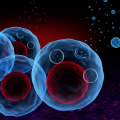
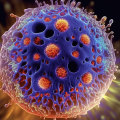
Exosomes are small extracellular vesicles, typically ranging from 30 to 150 nanometers in diameter, that play a crucial role in intercellular communication. They are secreted by various cell types and contain a complex mixture of proteins, lipids, and nucleic acids, which reflect the physiological state of their parent cells. This unique composition allows exosomes to facilitate the transfer of molecular signals between cells, influencing numerous biological processes such as immune responses, tissue repair, and cellular homeostasis. Their ability to carry and deliver bioactive molecules makes them significant players in both health and disease.In the context of diseases, exosomes have garnered considerable attention due to their involvement in various pathological conditions, including cancer, neurodegenerative disorders, and cardiovascular diseases.
For instance, exosomes derived from cancer cells can promote tumour growth and metastasis by transferring oncogenic factors to surrounding healthy cells. Conversely, exosomes can also serve as vehicles for therapeutic agents, offering a promising avenue for exosomal therapy. This innovative approach harnesses the natural properties of exosomes to deliver drugs or genetic material directly to target cells, potentially enhancing treatment efficacy while minimising side effects.The significance of exosomes extends beyond their role as mere carriers; they are also emerging as valuable biomarkers for disease diagnosis and prognosis. Their presence in bodily fluids such as blood and urine allows for non-invasive monitoring of disease progression and response to therapy.
As research continues to unveil the intricate mechanisms by which exosomes influence disease pathways, the potential for developing targeted exosomal therapies becomes increasingly apparent. Understanding these vesicles is essential for unlocking new strategies in disease management and treatment.
What Are Exosomes?
Exosomes are small extracellular vesicles that play a pivotal role in intercellular communication. Typically ranging from 30 to 150 nanometers in diameter, these vesicles are secreted by various cell types and are found in numerous biological fluids, including blood, urine, and saliva. Their significance lies not only in their ability to transport molecular cargo but also in their involvement in various physiological and pathological processes.Structure of Exosomes
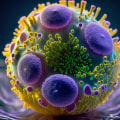
The structure of exosomes is characterised by a lipid bilayer membrane that encapsulates a diverse array of biomolecules.
This includes proteins, lipids, and nucleic acids such as mRNA and microRNA. The lipid composition of exosomes is distinct from that of the parent cell membrane, which allows them to maintain stability in circulation and facilitates their interaction with recipient cells. The presence of specific surface proteins, such as CD63, CD81, and TSG101, serves as markers for exosomes and plays a crucial role in their recognition by target cells.
Exosome Biogenesis
The biogenesis of exosomes involves a complex process that begins with the inward budding of the plasma membrane, leading to the formation of early endosomes. These early endosomes then mature into multivesicular bodies (MVBs), which contain intraluminal vesicles (ILVs).
Eventually, MVBs can either fuse with lysosomes for degradation or be transported to the plasma membrane, where they release ILVs as exosomes into the extracellular space. This process is tightly regulated by various proteins and pathways, including the endosomal sorting complexes required for transport (ESCRT) machinery, which is essential for the formation of ILVs within MVBs.Understanding the unique characteristics of exosomes is crucial for appreciating their role in health and disease. Unlike other extracellular vesicles such as microvesicles or apoptotic bodies, exosomes are specifically derived from endosomal compartments and exhibit distinct molecular signatures that reflect their cellular origin. This specificity not only aids in identifying potential biomarkers for diseases but also highlights their therapeutic potential in exosomal therapy.
The Role of Exosomes in Cellular Communication
Exosomes play a pivotal role in cellular communication, acting as vehicles for the transfer of various biomolecules between cells.These nanosized vesicles, typically ranging from 30 to 150 nanometers in diameter, are secreted by virtually all cell types and are involved in numerous physiological and pathological processes. Their ability to encapsulate and transport proteins, lipids, and RNA makes them essential mediators of intercellular signaling.One of the primary functions of exosomes is to facilitate intercellular communication. They carry a diverse array of molecular cargo that reflects the physiological state of their parent cells. This cargo can include:
- Proteins: Exosomes can transfer membrane proteins, enzymes, and receptors that influence the behaviour of recipient cells.
- Lipids: The lipid composition of exosomes can modulate cellular membranes and signalling pathways in target cells.
- Nucleic acids: Exosomes are rich in various forms of RNA, including mRNA and microRNA, which can regulate gene expression in recipient cells.
For instance, exosomal microRNAs can silence target genes in recipient cells, leading to altered cellular responses that may contribute to disease progression or resolution.Moreover, exosomes have been shown to play a significant role in the immune response. They can carry antigens that stimulate immune cells or deliver immunosuppressive signals that help modulate inflammation. This dual functionality highlights their importance not only in normal physiological processes but also in the context of diseases such as cancer, neurodegenerative disorders, and autoimmune conditions.Understanding the mechanisms by which exosomes facilitate communication between cells is crucial for appreciating their impact on disease processes. As research continues to uncover the complexities of exosomal function, they hold promise as potential biomarkers for disease diagnosis and as therapeutic agents in exosomal therapy.
Exosomes in Disease Pathogenesis
Exosomes, the nanosized extracellular vesicles secreted by various cell types, play a pivotal role in the pathogenesis of numerous diseases, including cancer, neurodegenerative disorders, and cardiovascular diseases.Their unique ability to encapsulate and transport proteins, lipids, and nucleic acids makes them crucial mediators of intercellular communication, influencing both normal physiological processes and pathological conditions.In the context of cancer , exosomes are increasingly recognised for their role in tumour progression and metastasis. Tumour-derived exosomes can facilitate the transfer of oncogenic factors to surrounding cells, promoting a microenvironment conducive to cancer growth. For instance, exosomes from cancer cells may carry specific microRNAs that can alter gene expression in recipient cells, leading to enhanced proliferation and survival of these cells. Moreover, exosomal content can serve as a source of biomarkers for cancer diagnosis and prognosis, as they reflect the molecular characteristics of the primary tumour.Neurodegenerative diseases such as Alzheimer’s disease (AD) and Parkinson’s disease (PD) also exhibit significant involvement of exosomes in their pathogenesis.
In AD, exosomes have been shown to carry amyloid-beta peptides and tau proteins, which are critical in the disease's progression. The presence of these proteins in exosomes not only aids in understanding the mechanisms underlying neurodegeneration but also presents potential avenues for early diagnosis through biomarker identification. Furthermore, exosomes can cross the blood-brain barrier (BBB), making them promising candidates for targeted therapies aimed at delivering neuroprotective agents directly to affected brain regions.Cardiovascular diseases are another area where exosomal research is gaining traction. Exosomes released from cardiomyocytes under stress conditions can contain inflammatory mediators and proteins that contribute to cardiac remodelling and dysfunction.
Studies have indicated that the composition of exosomes from diabetic cardiomyocytes differs significantly from those of healthy cells, suggesting that they may play a role in the pathophysiology of diabetic heart disease.Overall, the involvement of exosomes in disease pathogenesis underscores their potential as both biomarkers and therapeutic targets. As research continues to unravel the complexities of exosomal biology, it is becoming increasingly clear that these vesicles are not merely byproducts of cellular activity but active participants in disease processes.
Exosomal Biomarkers: A New Frontier in Disease Diagnosis
Exosomes, the nanosized vesicles secreted by various cell types, have emerged as promising candidates for biomarkers in the early detection and monitoring of diseases. Their unique ability to encapsulate and transport proteins, lipids, and nucleic acids reflects the physiological state of their parent cells, making them invaluable in understanding disease mechanisms.One of the most significant advantages of using exosomes as biomarkers is their presence in various biological fluids, including blood, urine, and cerebrospinal fluid. This accessibility allows for non-invasive sampling methods, which can facilitate early diagnosis without the need for invasive procedures like biopsies.For instance, studies have shown that exosomes derived from patients with Alzheimer's disease (AD) contain specific proteins and RNA signatures that correlate with disease progression. These findings suggest that exosomal analysis could serve as a reliable method for monitoring AD and potentially other neurodegenerative disorders.Moreover, exosomes have been identified as key players in cancer diagnostics. Tumour-derived exosomes can carry oncogenic proteins and genetic material that reflect the tumour's characteristics. For example, research has demonstrated that exosomes from breast cancer patients contain elevated levels of certain microRNAs associated with malignancy.
This discovery opens up avenues for developing liquid biopsies that can detect cancer at earlier stages, improving treatment outcomes.In addition to cancer and neurodegenerative diseases, exosomal biomarkers are being explored in cardiovascular diseases. Exosomes released from cardiomyocytes under stress conditions have been shown to carry specific markers indicative of heart failure. By analysing these exosomes, clinicians may be able to assess cardiac function and predict adverse events more accurately.As research continues to evolve, the potential applications of exosomal biomarkers in clinical settings are vast. The ability to monitor disease progression and response to therapy through simple blood tests could revolutionise patient management across various medical fields.
However, further studies are needed to standardise exosomal isolation and analysis techniques to ensure reliability and reproducibility in clinical practice.
Exosomal Therapy: Mechanisms and Applications
Exosomal therapy has emerged as a groundbreaking approach in the realm of regenerative medicine and targeted drug delivery. These nanosized vesicles, secreted by various cell types, play a pivotal role in intercellular communication and have shown immense potential in therapeutic applications.One of the most significant advantages of exosomal therapy lies in its ability to facilitate drug delivery. Exosomes can encapsulate therapeutic agents, including proteins, nucleic acids, and small molecules, thereby protecting them from degradation and enhancing their bioavailability. This characteristic is particularly beneficial for delivering drugs across biological barriers, such as the blood-brain barrier (BBB), which is notoriously difficult to penetrate.For instance, studies have demonstrated that exosomes loaded with therapeutic proteins can effectively cross the BBB, offering new avenues for treating neurological disorders.Moreover, exosomes derived from mesenchymal stem cells (MSCs) have garnered attention for their regenerative properties. These MSC-derived exosomes are rich in growth factors and cytokines that promote tissue repair and regeneration. In conditions such as myocardial infarction or stroke, exosomal therapy can significantly enhance recovery by modulating inflammation and promoting cell survival. The regenerative potential of these exosomes is attributed to their ability to influence the microenvironment of damaged tissues, thereby facilitating healing processes.In addition to their role in drug delivery and regeneration, exosomes also serve as valuable biomarkers for various diseases.
Their molecular content reflects the physiological state of the originating cells, making them useful for early diagnosis and monitoring disease progression. For example, exosomal markers have been identified in cancers, neurodegenerative diseases, and cardiovascular conditions, providing insights into disease mechanisms and potential therapeutic targets.Furthermore, the versatility of exosomal therapy extends to cancer treatment. Exosomes can be engineered to carry specific therapeutic agents directly to tumour cells while minimising off-target effects. This targeted approach not only enhances treatment efficacy but also reduces systemic toxicity associated with conventional therapies.In conclusion, the therapeutic potential of exosomes is vast and multifaceted.
As research continues to unravel the complexities of these vesicles, their applications in drug delivery systems and regenerative medicine are likely to expand further, paving the way for innovative treatments that harness the natural capabilities of exosomes.
Challenges and Limitations of Exosomal Therapy
Exosomal therapy, while promising, faces several challenges and limitations that must be addressed to enhance its efficacy and applicability in clinical settings. Understanding these hurdles is crucial for advancing research and developing effective treatment strategies.One of the primary challenges is the isolation and characterization of exosomes. The current methods for isolating exosomes, such as ultracentrifugation and size-exclusion chromatography, can be time-consuming and may not yield pure populations of exosomes. Contaminants from other extracellular vesicles can complicate the analysis and application of exosomal therapies.Furthermore, the heterogeneity of exosomes—stemming from their diverse cellular origins—poses a significant challenge in standardising therapeutic formulations.Another limitation is the stability and storage of exosomes. Exosomes are sensitive to environmental conditions, which can affect their integrity and functionality. For instance, exposure to extreme temperatures or prolonged storage can lead to degradation of their molecular content, diminishing their therapeutic potential. Developing robust storage protocols that maintain exosome stability is essential for their clinical use.The delivery mechanisms of exosomal therapies also present challenges.
While exosomes have the ability to cross biological barriers, such as the blood-brain barrier, ensuring targeted delivery to specific tissues remains a significant hurdle. The lack of precise targeting can lead to unintended effects or reduced efficacy in treating specific diseases.Moreover, there are concerns regarding the safety and immunogenicity of exosomal therapies. Although exosomes are generally considered biocompatible, there is still a risk of eliciting immune responses in patients. This could lead to adverse effects or reduced therapeutic effectiveness.
Comprehensive studies are needed to evaluate the long-term safety profiles of exosomal treatments.Finally, regulatory challenges also play a role in the advancement of exosomal therapy. The lack of clear guidelines for the clinical application of exosomes complicates the pathway for bringing these therapies to market. Establishing regulatory frameworks that address the unique characteristics of exosomal therapies will be vital for their successful integration into clinical practice.In summary, while exosomal therapy holds great promise for treating various diseases, addressing these challenges is essential for realising its full potential in clinical applications.
Future Directions in Exosome Research and Therapy
The field of exosome research is rapidly evolving, with numerous advancements paving the way for innovative therapeutic applications. As scientists delve deeper into the complexities of exosomal biology, several future directions are emerging that could significantly enhance our understanding and utilisation of exosomal therapy.One promising avenue is the exploration of exosome engineering.By manipulating the molecular content of exosomes, researchers aim to create tailored therapeutic agents that can deliver specific drugs or genetic material to targeted cells. This approach could revolutionise treatment strategies for various diseases, including cancer and neurodegenerative disorders. For instance, exosomes can be loaded with small interfering RNA (siRNA) or microRNA (miRNA) to silence disease-causing genes, offering a novel method for gene therapy.Moreover, advancements in nanotechnology are expected to enhance the efficacy of exosomal therapy. The integration of nanoparticles with exosomes could improve their stability and bioavailability, allowing for more effective delivery systems.
This synergy may lead to breakthroughs in treating conditions that currently lack effective therapies.Another exciting direction is the potential use of exosomes as diagnostic tools. Their ability to carry disease-specific biomarkers makes them ideal candidates for non-invasive diagnostics. Future research may focus on developing exosome-based assays that can detect early-stage diseases, enabling timely interventions and personalised treatment plans.Furthermore, understanding the role of exosomes in intercellular communication will be crucial. As research uncovers how exosomes influence cellular behaviour and immune responses, it may lead to novel therapeutic strategies that harness these mechanisms to combat diseases such as autoimmune disorders and infections.In summary, the future of exosomal therapy holds immense potential.
With ongoing research aimed at engineering exosomes, enhancing their delivery systems, utilising them for diagnostics, and understanding their biological roles, we stand on the brink of significant breakthroughs that could transform medical practice and improve patient outcomes.
Conclusion: The Promise of Exosomal Therapy in Disease Management
In summary, the exploration of exosomal therapy has unveiled a promising frontier in the management of various diseases, particularly those that have long posed challenges in treatment and diagnosis. The multifaceted roles of exosomes in cellular communication and their involvement in disease pathology underscore their potential as both therapeutic agents and biomarkers.Throughout this article, we have highlighted how exosomes facilitate intercellular communication by transporting proteins, lipids, and nucleic acids, which can influence the behaviour of recipient cells. This capability is particularly significant in the context of neurodegenerative diseases, where exosomes may serve as vehicles for delivering therapeutic agents across the blood-brain barrier. Their ability to encapsulate and protect bioactive molecules enhances their stability and efficacy, making them ideal candidates for targeted therapies.Moreover, the role of exosomes in disease progression cannot be overstated.They are implicated in various pathological processes, including inflammation, cancer metastasis, and neurodegeneration. For instance, exosomes derived from cancer cells can promote tumour growth and metastasis by modulating the immune response and altering the microenvironment. Understanding these mechanisms opens avenues for developing innovative therapeutic strategies that leverage exosomal properties to combat diseases more effectively.As research continues to evolve, the potential for exosomal therapy to revolutionise disease management becomes increasingly apparent. The ability to utilise exosomes as biomarkers offers a non-invasive method for early diagnosis and monitoring of disease progression, which is crucial for optimising treatment plans.
Furthermore, advancements in engineering exosomes to enhance their therapeutic payloads could lead to breakthroughs in personalised medicine.In conclusion, the promise of exosomal therapy lies not only in its capacity to treat existing conditions but also in its potential to transform our understanding of disease mechanisms. As we continue to unravel the complexities of exosome biology, it is clear that they hold significant promise for improving patient outcomes across a spectrum of diseases.