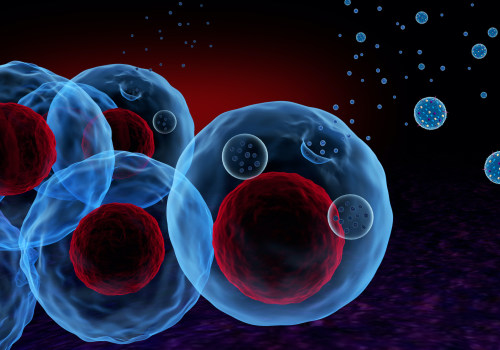
Exosomes are small, membrane-bound vesicles that play a pivotal role in intercellular communication. Ranging from 30 to 150 nanometres in diameter, these extracellular vesicles are secreted by various cell types and are found in numerous biological fluids, including blood, urine, and saliva. Their formation begins within the endosomal system, where intraluminal vesicles are created through the inward budding of the endosomal membrane. Once these multivesicular bodies fuse with the plasma membrane, exosomes are released into the extracellular space, carrying a diverse array of molecular cargo such as proteins, lipids, and nucleic acids.The biological functions of exosomes are vast and multifaceted.
They facilitate communication between cells by transferring bioactive molecules that can influence recipient cell behaviour. This process is crucial for various physiological functions, including immune responses, tissue repair, and cellular homeostasis. Exosomes also play a significant role in pathological conditions; for instance, they can mediate the spread of viral infections by transporting viral components or modulating immune responses to enhance viral persistence. This duality highlights their importance not only in health but also in disease.In recent years, the therapeutic potential of exosomes has garnered significant attention, leading to the emergence of exosomal therapy.
This innovative approach leverages the natural properties of exosomes to deliver therapeutic agents directly to target cells. By utilising exosomes as drug delivery vehicles, researchers aim to improve the efficacy and specificity of treatments for various diseases, including cancer and viral infections. Understanding the intricate biology of exosomes is essential for harnessing their full potential in both therapeutic applications and public health strategies.
The Mechanism of Virus Transmission via Exosomes
Understanding the intricate mechanisms of virus transmission is crucial for developing effective public health strategies. One of the most fascinating aspects of this process is how viruses exploitUnderstanding the intricate mechanisms of virus transmission is crucial for developing effective public health strategies. One of the most fascinating aspects of this process is how viruses exploit exosomes—tiny extracellular vesicles that play a significant role in intercellular communication.Exosomes are formed through a complex biogenesis process, which involves the inward budding of the endosomal membrane, leading to the creation of multivesicular bodies (MVBs). These MVBs can either fuse with lysosomes for degradation or merge with the plasma membrane to release exosomes into the extracellular space.Viruses have evolved sophisticated strategies to hijack these exosomal pathways, facilitating their own transmission. For instance, certain viruses can manipulate the cellular machinery responsible for exosome production, effectively turning host cells into viral factories. This manipulation allows viruses to package their genetic material and proteins within exosomes, which can then be released and taken up by neighbouring uninfected cells.One notable example is the HIV-1 virus, which has been shown to exploit exosomal pathways to enhance its infectivity.
Research indicates that HIV-1 can induce the formation of exosomes that contain viral proteins and RNA, thereby promoting viral spread while evading immune detection. This phenomenon not only aids in the dissemination of the virus but also contributes to its persistence within the host.Moreover, studies have demonstrated that exosomes derived from infected cells can carry viral components that facilitate entry into new host cells. This viral exosome interaction is particularly concerning as it may lead to increased virulence and resistance to antiviral therapies. The ability of viruses to utilise exosomes as vehicles for transmission underscores the need for further research into these interactions.In summary, the mechanisms by which viruses exploit exosomes for transmission are complex and multifaceted.
By understanding these processes, researchers can develop targeted interventions aimed at disrupting viral spread and enhancing public health responses.
Exosomal Therapy: A New Frontier in Viral Infections
Exosomal therapy represents a promising new frontier in the treatment of viral infections, leveraging the natural properties of exosomes to develop innovative therapeutic strategies. Exosomes, as nanoscale extracellular vesicles, are involved in intercellular communication and can carry a diverse array of biomolecules, including proteins, lipids, and nucleic acids. This unique capability positions them as potential vehicles for targeted antiviral therapies.Current research is exploring various therapeutic applications of exosomes in combating viral infections. One significant area of focus is the use of exosomes to deliver antiviral agents directly to infected cells.By encapsulating these agents within exosomes, researchers aim to enhance their stability and bioavailability while minimising off-target effects. This targeted delivery system could significantly improve the efficacy of antiviral drugs.Moreover, exosomes derived from immune cells have shown potential in modulating immune responses against viral pathogens. For instance, exosomes from dendritic cells can present viral antigens to T cells, thereby enhancing the adaptive immune response. This mechanism not only aids in clearing existing infections but also holds promise for vaccine development, where exosomal platforms could be used to elicit robust immune responses.Another exciting avenue is the exploration of exosomal therapy in the context of chronic viral infections such as HIV and hepatitis C.
Studies have indicated that exosomes can carry specific microRNAs that may inhibit viral replication or modulate host cell responses. By harnessing these natural pathways, researchers are investigating how exosomal therapy could potentially lead to sustained viral suppression and improved patient outcomes.In addition to their therapeutic applications, exosomes also serve as valuable biomarkers for viral infections. Their presence and composition can provide insights into disease progression and treatment efficacy, allowing for more personalised approaches to patient care.In conclusion, the potential of exosomal therapy in addressing viral infections is vast and multifaceted. As research continues to unfold, it is crucial to further investigate the mechanisms by which exosomes exert their effects and to optimise their use in clinical settings.
The future of antiviral strategies may very well hinge on our ability to effectively utilise these remarkable vesicles.
Exosomes and Specific Viruses: Case Studies
Exosomes have emerged as pivotal players in the transmission and pathogenesis of various viruses, including HIV, HBV, HCV, and SARS-CoV-2.Understanding the intricate relationship between these viruses and exosomal pathways is essential for developing effective therapeutic strategies.HIV and Exosomes
Human Immunodeficiency Virus (HIV) exploits exosomal pathways to enhance its infectivity. Research indicates that exosomes derived from HIV-infected cells can carry viral proteins and RNA, facilitating the spread of the virus to uninfected cells. These exosomes may also modulate the immune response, either by promoting inflammation or by evading immune detection. For instance, studies have shown that exosomes can contain HIV-1 components that assist in the virus's ability to persist in the host, highlighting their dual role in both viral transmission and immune evasion.HBV and Exosomal Mechanisms
Hepatitis B Virus (HBV) similarly utilises exosomal mechanisms for its lifecycle.Evidence suggests that HBV can hijack the cellular machinery responsible for exosome biogenesis, allowing it to enter host cells more efficiently. Exosomes released from HBV-infected hepatocytes have been shown to contain viral antigens, which may play a role in modulating the immune response. This interaction not only aids in viral persistence but also complicates vaccine development efforts.
HCV and Exosomal Interactions
Hepatitis C Virus (HCV) has also been linked to exosomal pathways. Studies indicate that HCV can manipulate exosome release to facilitate its own transmission.Exosomes from HCV-infected cells can carry viral RNA and proteins, which may contribute to the infection of neighbouring hepatocytes. Furthermore, these exosomes can influence the surrounding microenvironment, potentially leading to chronic inflammation and liver damage.
SARS-CoV-2 and Exosomal Pathways
The recent COVID-19 pandemic has brought attention to the role of exosomes in the transmission of SARS-CoV-2.Research suggests that exosomes may serve as vehicles for viral components, aiding in the spread of the virus within the respiratory tract. Additionally, SARS-CoV-2-infected cells release exosomes that can modulate immune responses, potentially leading to cytokine storms observed in severe cases of COVID-19. This highlights the need for further investigation into how exosomal therapy could be harnessed to mitigate viral infections.In conclusion, case studies on HIV, HBV, HCV, and SARS-CoV-2 illustrate the complex interactions between viruses and exosomal pathways. Understanding these relationships is crucial for developing innovative therapeutic approaches aimed at disrupting viral transmission and enhancing public health outcomes.Public Health Implications of Exosomal Research
The exploration of exosomes has significant implications for public health, particularly in the context of viral infections.As research continues to unveil the mechanisms by which exosomes facilitate virus transmission, it becomes increasingly clear that these findings can inform health policies and strategies aimed at controlling viral outbreaks.Understanding the role of exosomes in virus transmission can lead to the development of more effective virus control strategies. For instance, if exosomes are found to carry viral particles and facilitate their spread, public health officials could implement measures to target these vesicles specifically. This could involve developing therapeutics that inhibit exosome production or function, thereby reducing the transmission potential of viruses.Moreover, insights gained from exosomal research can enhance surveillance systems for viral outbreaks. By identifying specific biomarkers within exosomes that indicate viral presence, health authorities could establish more sensitive diagnostic tools.
This would allow for earlier detection of outbreaks and more timely interventions, ultimately reducing the spread of infections.In addition to improving outbreak response, the implications of exosomal research extend to vaccine development. Exosomes' natural ability to transport antigens makes them promising candidates for novel vaccine platforms. By harnessing this capability, researchers could create vaccines that elicit stronger immune responses against specific viruses, thereby enhancing public health outcomes.Furthermore, as we gain a deeper understanding of how exosomes interact with the immune system, we can refine health policies related to vaccination and treatment protocols. For example, if certain exosomal components are found to modulate immune responses negatively, this knowledge could lead to adjustments in vaccination strategies or the timing of treatments.Ultimately, the integration of exosomal research into public health frameworks has the potential to revolutionise our approach to managing viral diseases.
By prioritising this area of study, policymakers can ensure that health systems are better equipped to respond to emerging viral threats and protect population health effectively.
Challenges and Future Directions in Exosomal Research
Research into exosomes has made significant strides in recent years, yet several challenges remain that hinder our understanding and application of these extracellular vesicles in therapeutic contexts. One of the primary obstacles is the heterogeneity of exosomes. They vary widely in size, composition, and function depending on their cellular origin and the physiological state of the donor cells. This variability complicates the standardisation of exosomal isolation and characterisation techniques, making it difficult to draw consistent conclusions across studies.Moreover, the mechanisms by which exosomes mediate intercellular communication are not fully elucidated.While it is known that they can transfer proteins, lipids, and nucleic acids, the specific pathways and interactions involved in these processes require further investigation. Understanding these mechanisms is crucial for harnessing exosomes in therapeutic applications, particularly in areas such as drug delivery and vaccine development.Another significant challenge lies in the ethical considerations surrounding the use of exosomes derived from human tissues. As research progresses towards clinical applications, it is essential to establish clear guidelines to ensure that exosomal therapies are safe and ethically sound.Looking towards the future, there are several promising directions for exosomal research. Advances in nanotechnology and molecular biology techniques hold the potential to enhance our ability to isolate and manipulate exosomes with greater precision.
For instance, developing more efficient methods for exosome purification could lead to better characterisation and understanding of their functional roles.Furthermore, integrating bioinformatics tools can aid in analysing large datasets generated from exosomal studies, allowing researchers to identify patterns and correlations that may not be immediately apparent. This could facilitate the discovery of novel biomarkers for diseases or therapeutic targets.In conclusion, while challenges persist in exosomal research, ongoing advancements present exciting opportunities for future studies. By addressing these hurdles head-on, we can unlock the full potential of exosomes in public health, paving the way for innovative therapies that could transform treatment paradigms across various medical fields.
Conclusion: The Future of Exosomes in Virus Transmission and Public Health
In summary, the exploration of exosomes has unveiled their significant role in the intricate dynamics of virus transmission and public health. These nanoscale vesicles, which facilitate intercellular communication, have been shown to be hijacked by various viruses, enabling them to spread efficiently from infected to uninfected cells.This mechanism not only complicates our understanding of viral pathogenesis but also highlights the potential for exosomes to serve as vectors for therapeutic interventions.The implications of exosomal therapy in public health are profound. As we continue to unravel the complexities of exosome biology, there is a growing recognition of their potential applications in vaccine development and antiviral strategies. For instance, harnessing exosomes could lead to innovative vaccine platforms that enhance immune responses while minimising adverse effects. Furthermore, the ability of exosomes to encapsulate and deliver therapeutic agents directly to target cells presents a promising avenue for treating viral infections more effectively.Looking ahead, it is crucial for researchers and public health officials to collaborate in order to fully realise the potential of exosomes in combating viral diseases.
This includes establishing comprehensive databases that catalogue exosomal contents and developing standardised protocols for their isolation and characterisation. Such efforts will not only advance our understanding of exosome-mediated virus transmission but also pave the way for novel therapeutic approaches.In conclusion, as we stand on the brink of a new era in virology and public health, the role of exosomes cannot be overstated. Their dual nature as both facilitators of viral spread and potential therapeutic agents underscores the need for continued research. By embracing the complexities of exosomal biology, we can better prepare for future public health challenges and enhance our strategies against viral infections.