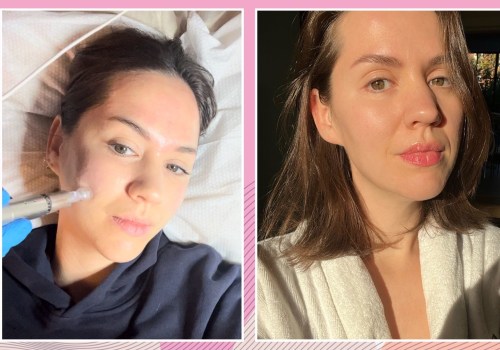
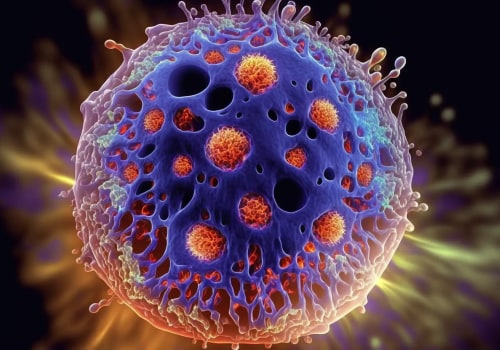
Exosomal therapy is an innovative approach in the realm of regenerative medicine, particularly gaining traction in the field of aesthetic treatments. This cutting-edge technique utilises exosomes, which are tiny extracellular vesicles secreted by cells, to facilitate communication between them. These vesicles play a pivotal role in various biological processes, including tissue repair and cellular rejuvenation. In the context of skin treatment, exosomes are harnessed for their ability to deliver growth factors and proteins that promote healing and enhance skin health.The relevance of exosomal therapy in skin treatment cannot be overstated.
As we age, our skin undergoes various changes, leading to issues such as fine lines, wrinkles, uneven texture, and loss of elasticity. Traditional treatments often focus on surface-level improvements; however, exosomal therapy aims to address these concerns at a cellular level. By introducing exosomes into the skin, practitioners can stimulate natural regenerative processes, resulting in a more youthful and vibrant appearance over time.Despite its promising benefits, the safety of exosomal therapy remains a critical consideration for both practitioners and patients. While many studies support its efficacy and safety when performed under professional supervision, it is essential to understand the potential risks involved.
Factors such as the source of the exosomes, the method of administration, and individual patient health can all influence outcomes. Therefore, consulting with a qualified specialist is crucial to ensure that this advanced treatment aligns with personal health goals and safety standards.
What Are Exosomes?
Exosomes are small extracellular vesicles, typically ranging from 30 to 150 nanometers in diameter, that are secreted by various cell types throughout the body. They play a pivotal role in intercellular communication, acting as carriers of proteins, lipids, and nucleic acids. This unique ability allows exosomes to facilitate the transfer of molecular signals between cells, influencing numerous biological processes such as inflammation, tissue repair, and cellular regeneration.In the context of skin health, exosomes are particularly significant due to their involvement in the skin's natural healing processes.When skin is damaged—whether through injury, aging, or environmental factors—exosomes released from nearby cells can help orchestrate the repair process. They achieve this by delivering essential growth factors and proteins that promote cell proliferation and migration, ultimately aiding in the restoration of skin integrity.Moreover, exosomes derived from stem cells have garnered attention for their potential therapeutic applications in aesthetic medicine. These stem cell-derived exosomes contain a rich array of bioactive molecules that can enhance skin rejuvenation treatments. By incorporating exosomal therapy into procedures such as microneedling or laser treatments, practitioners aim to amplify the regenerative effects on the skin.Understanding the biological function of exosomes is crucial for evaluating their safety and efficacy in cosmetic applications.
While they offer promising benefits for skin rejuvenation and repair, it is essential to ensure that the exosomes used are of high quality and free from contaminants. This is particularly important given that the regulatory landscape surrounding exosomal therapies is still evolving.In summary, exosomes are vital components of cellular communication with significant implications for skin health. Their role in promoting healing and regeneration makes them a valuable asset in modern aesthetic treatments, provided they are used responsibly and under professional guidance.
The Mechanism of Action of Exosomal Therapy
Exosomal therapy operates on a sophisticated mechanism that harnesses the natural regenerative properties of exosomes, which are tiny vesicles secreted by cells. These vesicles play a pivotal role in intercellular communication, facilitating the transfer of proteins, lipids, and genetic material between cells.This process is crucial for various biological functions, including tissue repair and regeneration.When exosomes are introduced into the skin through therapeutic procedures, they initiate a cascade of biological responses that promote healing and rejuvenation. The primary components of exosomes include:
- Growth Factors: These proteins stimulate cellular proliferation and differentiation, essential for skin repair.
- Cytokines: These signalling molecules modulate immune responses and inflammation, helping to create an optimal environment for healing.
- MicroRNAs: These small RNA molecules regulate gene expression, influencing cellular behaviour and promoting regeneration.
- Collection: Exosomes are harvested from stem cells or other sources, ensuring they are rich in regenerative properties.
- Purification: The collected exosomes undergo rigorous purification to eliminate any contaminants or pathogens, ensuring safety for patient use.
- Application: The purified exosomes are then applied to the skin, often in conjunction with microneedling or laser treatments. This method enhances penetration and maximises the therapeutic effects.
As a result, patients often experience gradual improvements over weeks or months as the skin continues to heal and regenerate.In summary, the mechanism of action behind exosomal therapy is rooted in its ability to facilitate communication between cells and promote healing processes at a molecular level. This innovative approach not only addresses existing skin concerns but also enhances overall skin health by leveraging the body’s natural regenerative capabilities.
Safety Considerations for Exosomal Therapy
When considering exosomal therapy for skin rejuvenation, understanding the safety profile of this innovative treatment is paramount. While exosomal therapy has garnered attention for its potential benefits, it is essential to weigh these against possible risks and side effects.Exosomes are naturally occurring vesicles that facilitate communication between cells, playing a crucial role in various biological processes. However, the safety of exosomal therapy largely depends on several factors, including the source of the exosomes, the method of administration, and the individual patient's health status.Potential Risks and Side Effects
- Allergic Reactions: Some patients may experience allergic reactions to the components of the exosomes or the substances used during the treatment.
Symptoms can range from mild irritation to more severe reactions.
- Infection: As with any procedure that involves injections, there is a risk of infection at the injection site. Ensuring that the treatment is performed in a sterile environment by a qualified professional can mitigate this risk.
- Inflammation: Post-treatment inflammation is another potential side effect. While some degree of inflammation can be a normal response to treatment, excessive inflammation may lead to discomfort or complications.
- Quality Control: The safety of exosomal therapy is significantly influenced by the quality of the exosomes used. Exosomes derived from reputable sources that adhere to strict purification processes are less likely to pose risks compared to those from unverified origins.
This lack of extensive research means that potential long-term side effects are not yet fully understood.Before undergoing exosomal therapy, it is crucial to consult with a qualified healthcare professional who can assess your individual health needs and discuss any potential risks associated with the treatment. A thorough evaluation will help ensure that you are a suitable candidate for this therapy and can help tailor the approach to maximise benefits while minimising risks.In summary, while exosomal therapy shows promise as a safe and effective treatment for skin rejuvenation when performed by experienced professionals, it is essential to remain informed about potential risks and engage in open discussions with your healthcare provider.
Regulatory Status of Exosomal Therapy in the UK
The regulatory landscape for exosomal therapy in the UK is complex and evolving, particularly as interest in this innovative treatment grows. Currently, the use of exosomes derived from human sources for cosmetic applications is not approved within the UK and EU. This means that while exosomal therapy shows promise in various medical fields, its application in aesthetic practices remains limited and tightly regulated.In the UK, the Medicines and Healthcare products Regulatory Agency (MHRA) oversees the regulation of medical treatments, including those involving exosomes.According to current guidelines, exosomes are classified as advanced therapy medicinal products (ATMPs) when they are intended for therapeutic use. This classification subjects them to rigorous testing and approval processes to ensure safety and efficacy before they can be marketed or used in clinical settings.As of now, exosomal treatments cannot be legally injected into the face or used for facial rejuvenation in the UK. This restriction stems from concerns regarding the potential risks associated with unregulated products, including contamination and adverse reactions. The regulatory bodies are particularly cautious due to the relatively new nature of exosome therapies and the limited long-term data available on their safety and effectiveness.Despite these restrictions, some practitioners may offer exosomal therapies under experimental protocols or as part of clinical trials.
However, patients should exercise caution and ensure that any treatment is conducted by qualified professionals in a controlled environment. It is crucial to verify that any exosomal products used are sourced from reputable suppliers who adhere to strict purification processes and quality control measures.In summary, while exosomal therapy holds significant potential for future applications in skin care and rejuvenation, its current regulatory status in the UK limits its use in cosmetic procedures. Patients interested in this treatment should consult with qualified dermatologists or medical professionals who can provide guidance on safe practices and potential alternatives that comply with existing regulations.
Clinical Evidence Supporting Exosomal Therapy
Exosomal therapy has garnered significant attention in recent years, particularly in the realm of skin treatments. A growing body of clinical evidence supports its safety and efficacy, making it a promising option for those seeking advanced skincare solutions.Numerous studies have been conducted to evaluate the effects of exosomes on skin health.For instance, a study published in the Journal of Cosmetic Dermatology highlighted the regenerative properties of exosomes derived from mesenchymal stem cells. The research demonstrated that these exosomes could enhance skin hydration, elasticity, and overall texture when applied topically or through microneedling techniques.Another pivotal study published in Stem Cells Translational Medicine focused on the anti-inflammatory effects of exosomal therapy. The findings indicated that exosomes could significantly reduce inflammation and promote healing in various skin conditions, including acne and psoriasis. This is particularly relevant as inflammation is a common underlying factor in many dermatological issues.Moreover, a systematic review conducted by researchers at a leading university examined multiple clinical trials involving exosomal therapy.
The review concluded that exosomal treatments are generally safe, with minimal adverse effects reported. Most patients experienced only mild reactions, such as temporary redness or swelling at the injection site, which typically resolved quickly.In terms of long-term safety, ongoing studies are crucial. While current evidence suggests that exosomal therapy is well-tolerated, further research is needed to establish comprehensive long-term outcomes. Regulatory bodies are also closely monitoring these developments to ensure that any new treatments meet stringent safety standards.In summary, the clinical evidence supporting exosomal therapy for skin treatments is robust and continues to grow.
With its ability to promote healing and rejuvenation while maintaining a strong safety profile, exosomal therapy represents an exciting frontier in dermatological care.
Potential Benefits of Exosomal Therapy for Skin Health
Exosomal therapy has emerged as a revolutionary approach in the realm of skin health, offering a multitude of benefits that cater to various skin concerns. This innovative treatment harnesses the power of exosomes—tiny vesicles that facilitate communication between cells—thereby promoting healing and rejuvenation at a cellular level.One of the primary advantages of exosomal therapy is its ability to enhance skin rejuvenation. By delivering growth factors and proteins directly to the skin cells, exosomes stimulate collagen production and improve skin elasticity. This process can lead to a noticeable reduction in fine lines and wrinkles, resulting in a more youthful appearance.Additionally, exosomal therapy is known for its effectiveness in addressing uneven skin tone and texture.Patients often report improvements in skin clarity and smoothness, as the treatment aids in the repair of damaged skin cells and promotes a more uniform complexion. This is particularly beneficial for individuals struggling with issues such as hyperpigmentation or post-acne scars.Another significant benefit is the therapy's role in reducing inflammation. Exosomes possess anti-inflammatory properties that can help soothe irritated skin, making them an excellent option for those with conditions like rosacea or eczema. By mitigating inflammation, exosomal therapy not only improves the overall health of the skin but also enhances its resilience against environmental stressors.Moreover, exosomal therapy can accelerate recovery following cosmetic procedures.
When used in conjunction with treatments like microneedling or laser therapy, exosomes can significantly reduce downtime and enhance healing. This synergy allows patients to enjoy quicker results while minimising discomfort.In summary, the potential benefits of exosomal therapy for skin health are vast and varied. From promoting skin rejuvenation and improving texture to reducing inflammation and enhancing recovery from other treatments, exosomes represent a promising advancement in aesthetic medicine. As research continues to unfold, it is likely that more applications and benefits will be discovered, solidifying exosomal therapy's place as a cornerstone of modern skincare.
Who Should Consider Exosomal Therapy?
Exosomal therapy is an innovative treatment option that can offer significant benefits for various skin concerns.However, not everyone may be an ideal candidate for this procedure. Understanding who can benefit from exosomal therapy involves considering several factors, including skin type, specific skin issues, and overall health.
1.Individuals with Signs of Ageing
- Exosomal therapy is particularly beneficial for those experiencing signs of ageing, such as fine lines, wrinkles, and loss of skin elasticity. The regenerative properties of exosomes can help stimulate collagen production and improve skin texture.
2.Patients with Uneven Skin Tone or Texture
- Those struggling with uneven skin tone, rough texture, or hyperpigmentation may find exosomal therapy advantageous. The treatment promotes cellular turnover and can lead to a more uniform complexion.
3.Individuals with Acne Scarring
- Exosomes can aid in the healing process of acne scars by enhancing tissue repair and regeneration.
Patients with persistent scarring from acne may consider this therapy as a viable option.
4.Candidates for Combination Treatments
- Exosomal therapy can be effectively combined with other aesthetic procedures, such as microneedling or laser treatments. Those looking to enhance the results of these procedures may benefit from incorporating exosomes into their treatment plan.
5.Overall Health Considerations
Before undergoing exosomal therapy, it is crucial to evaluate your overall health status. Individuals with certain medical conditions or those who are pregnant should consult with a qualified healthcare professional to determine if this treatment is appropriate for them.
6.Consultation with a Specialist
A thorough consultation with a dermatologist or qualified practitioner is essential to assess suitability for exosomal therapy. They will consider your medical history, current skin condition, and treatment goals to provide tailored advice.In summary, exosomal therapy can be a transformative option for many individuals seeking to improve their skin's appearance and health.
However, careful consideration of personal health factors and professional guidance is vital to ensure the best outcomes.
Consultation with a Qualified Professional
Before embarking on any treatment involving exosomal therapy, it is crucial to consult with a qualified medical professional. This step is essential not only for ensuring safety but also for maximising the potential benefits of the treatment. A qualified practitioner can provide tailored advice based on your individual skin type, medical history, and specific aesthetic goals.When seeking a practitioner, consider the following:- Credentials and Experience: Look for professionals who are board-certified dermatologists or plastic surgeons with experience in regenerative medicine and exosome therapies. Their training should include a thorough understanding of cellular biology and the mechanisms behind exosome treatments.
- Reputation: Research reviews and testimonials from previous patients.
A practitioner with a solid reputation is more likely to provide safe and effective treatments.
- Consultation Process: A reputable professional will conduct a comprehensive consultation, discussing your medical history, current skin concerns, and treatment expectations. They should also explain the procedure in detail, including potential risks and benefits.
- Facility Standards: Ensure that the clinic adheres to high standards of hygiene and safety. The use of sterile equipment and single-use products is vital in minimising risks associated with exosome therapy.
A qualified practitioner will be able to assess your suitability for the treatment, taking into account any underlying health conditions or sensitivities that may affect your response to exosomes.Moreover, they can help set realistic expectations regarding the outcomes of the treatment. Unlike some cosmetic procedures that offer immediate results, the effects of exosomal therapy may take time to manifest as they work synergistically with your body’s natural healing processes. Understanding this timeline can help you remain patient and optimistic about your results.In conclusion, consulting with a qualified professional is an indispensable step in the journey towards achieving your skincare goals through exosomal therapy. Their expertise will not only enhance your safety but also ensure that you receive a personalised treatment plan that aligns with your unique needs.
<strong>Conclusion</strong>
In summary, the safety of exosomal therapy for skin treatment is a multifaceted issue that requires careful consideration.While the potential benefits of exosome treatments are promising, particularly in the realm of skin rejuvenation and repair, it is crucial to approach this innovative therapy with a well-informed perspective.Exosomes, as small extracellular vesicles, play a significant role in cellular communication and regeneration. Their ability to carry essential proteins and growth factors makes them a valuable tool in aesthetic medicine. However, the regulatory landscape surrounding exosomal therapy in the UK and EU remains stringent, primarily due to concerns about safety and efficacy.When considering exosomal therapy, patients should be aware of several key points:
- Professional Supervision: It is imperative that exosome treatments are administered by qualified medical professionals who have experience in this area. This ensures that the procedure is conducted safely and effectively.
- Quality of Exosomes: The source and purification process of exosomes are critical factors that influence their safety.
Only exosomes that have undergone rigorous testing and are free from contaminants should be used.
- Individual Health Considerations: Each patient's health status can affect how they respond to treatment. A thorough consultation with a healthcare provider can help identify any potential risks or contraindications.
- Regulatory Compliance: In the UK, it is essential to note that exosome injections for cosmetic purposes are not yet legally approved. Patients should be cautious about seeking treatments that may not comply with local regulations.
Furthermore, as with any medical intervention, there exists a risk of adverse reactions, albeit generally minimal when performed correctly.Ultimately, the decision to pursue exosomal therapy should be made after careful consideration of all factors involved. Engaging in an open dialogue with a qualified dermatologist or aesthetic practitioner can provide valuable insights into whether this cutting-edge treatment aligns with individual skincare goals and needs.