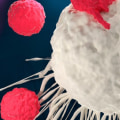
Exosomal therapy is an innovative approach in the realm of regenerative medicine, harnessing the power of exosomes—tiny vesicles secreted by cells that play a crucial role in intercellular communication. These vesicles are rich in proteins, lipids, and genetic material, making them instrumental in mediating various biological processes, including tissue repair and immune response. As research continues to unfold, the significance of exosomal therapy is becoming increasingly evident, particularly in its potential to revolutionise treatment protocols across a range of medical conditions.The growing interest in exosomal therapy stems from its versatility and efficacy. Unlike traditional therapies that often rely on invasive procedures or synthetic drugs, exosomal treatments offer a more natural alternative by utilising the body’s own cellular mechanisms.
This not only enhances the healing process but also minimises the risk of adverse effects commonly associated with conventional treatments. As a result, patients are increasingly turning to exosomal therapy for conditions such as skin rejuvenation, wound healing, and even chronic diseases.One of the most compelling aspects of exosomal therapy is its ability to promote regeneration at a cellular level. By delivering bioactive molecules directly to target cells, exosomes can stimulate healing processes and enhance tissue regeneration. This has profound implications for anti-ageing treatments and cosmetic procedures, where the demand for non-invasive solutions is on the rise.
Furthermore, ongoing research is exploring the potential of exosomal therapy in treating more serious conditions such as neurodegenerative diseases and cancer, highlighting its broad applicability and promise.As we delve deeper into the world of exosomal therapy, it is essential to understand not only its benefits but also the mechanisms behind its effectiveness. This understanding will pave the way for informed decisions regarding treatment options and help patients navigate their healthcare journeys with confidence.
What Are Exosomes?
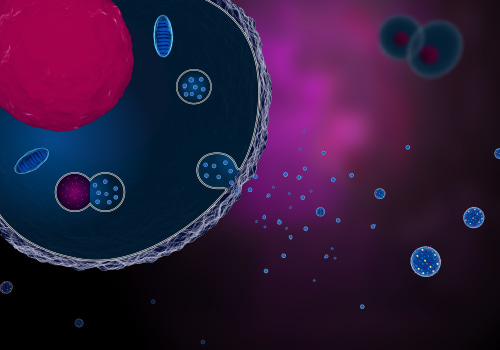
Exosomes are small extracellular vesicles, typically ranging from 30 to 150 nanometres in diameter, that play a pivotal role in intercellular communication. They are secreted by various cell types and are found in numerous biological fluids, including blood, urine, and saliva. These vesicles are formed within the endosomal system of cells and are released into the extracellular space when multivesicular bodies (MVBs) fuse with the plasma membrane.Functionally
, exosomes serve as carriers of molecular information.
They encapsulate proteins, lipids, and nucleic acids, such as mRNA and microRNA, which can influence the behaviour of recipient cells. This ability to transfer bioactive molecules allows exosomes to modulate various physiological processes, including immune responses, tissue repair, and cellular metabolism.In terms of exosome biology , their biogenesis begins with the inward budding of the plasma membrane, leading to the formation of early endosomes. These early endosomes mature into late endosomes or MVBs, which can either fuse with lysosomes for degradation or release their contents as exosomes into the extracellular environment. This process is crucial for maintaining cellular homeostasis and facilitating communication between cells.Exosomes have garnered significant attention in recent years due to their involvement in both health and disease.
In a healthy state, they contribute to normal physiological functions such as tissue regeneration and immune modulation. However, in pathological conditions like cancer, exosomes can carry oncogenic factors that promote tumour growth and metastasis. This dual role highlights their potential as both biomarkers for disease diagnosis and targets for therapeutic intervention.Understanding exosomes is essential for comprehending how exosomal therapy operates. By harnessing the natural properties of these vesicles, researchers aim to develop innovative treatments that can enhance healing processes or deliver therapeutic agents directly to affected tissues.
As research continues to evolve, the therapeutic applications of exosomes may revolutionise approaches to treating various diseases.
The Mechanism of Exosomal Therapy
Exosomal therapy operates through a sophisticated mechanism that harnesses the natural properties of exosomes, which are small extracellular vesicles secreted by various cell types. These vesicles play a crucial role in intercellular communication, facilitating the transfer of proteins, lipids, and genetic material between cells. Understanding how exosomal therapy works requires a closer look at the biological functions of exosomes and their impact on cellular processes.At the core of exosomal therapy is the ability of exosomes to influence cellular behaviour. When exosomes are introduced into the body, they interact with recipient cells by binding to their surface receptors.This interaction triggers a cascade of signalling pathways that can lead to various outcomes, including:
- Cellular Regeneration: Exosomes can promote tissue repair and regeneration by delivering growth factors and cytokines that stimulate cell proliferation and differentiation.
- Anti-Inflammatory Effects: The contents of exosomes can modulate inflammatory responses, reducing chronic inflammation that often underlies many diseases.
- Immune Modulation: Exosomes can influence immune cell activity, enhancing or suppressing immune responses as needed, which is particularly beneficial in autoimmune conditions.
This is particularly relevant in dermatological applications where skin rejuvenation and repair are desired outcomes.In summary, the mechanism of action behind exosomal therapy is multifaceted, involving cellular communication, regeneration, anti-inflammatory effects, immune modulation, and gene expression regulation. As research continues to unfold, the therapeutic potential of exosomal therapy is becoming increasingly evident, paving the way for innovative treatments across various medical fields.
Applications of Exosomal Therapy
Exosomal therapy is rapidly gaining traction in various fields of medicine, particularly in regenerative medicine, dermatology, and oncology. This innovative treatment harnesses the power of exosomes—tiny vesicles secreted by cells that play a crucial role in intercellular communication. Below, we explore the diverse applications of exosomal therapy and the conditions it can effectively address.Regenerative Medicine
In the realm of regenerative medicine, exosomal therapy is being investigated for its potential to promote healing and tissue regeneration.Exosomes derived from mesenchymal stem cells (MSCs) are particularly promising due to their ability to modulate inflammation and enhance cellular repair processes. Conditions that may benefit from this application include:
- Musculoskeletal Injuries: Exosomal therapy can aid in the recovery of injuries such as tendonitis, ligament sprains, and cartilage damage by promoting tissue repair and reducing inflammation.
- Neurological Disorders: Research is ongoing into the use of exosomes for conditions like stroke and neurodegenerative diseases, where they may help in repairing damaged neural tissues.
- Cardiovascular Diseases: Exosomes may play a role in cardiac repair following myocardial infarction by enhancing angiogenesis and reducing scar formation.
Dermatology
In dermatology, exosomal therapy is being utilised for its rejuvenating effects on skin health. The application of exosomes can lead to significant improvements in various aesthetic concerns:- Anti-Aging Treatments: Exosomes can stimulate collagen production and improve skin elasticity, making them a valuable tool in combating signs of aging.
- Wound Healing: The regenerative properties of exosomes can accelerate the healing process for chronic wounds and surgical incisions.
- Skin Conditions: Conditions such as acne scars, psoriasis, and eczema may also see improvement through the anti-inflammatory effects of exosomal therapy.
Oncology
The potential applications of exosomal therapy extend into oncology as well. While still under investigation, there is growing interest in how exosomes can be used in cancer treatment:- Tumour Targeting: Exosomes can be engineered to deliver therapeutic agents directly to cancer cells, minimising damage to surrounding healthy tissues.
- Biomarkers for Diagnosis: Exosomes released by tumours can serve as biomarkers for early detection and monitoring of cancer progression.
- Immunotherapy Enhancement: Exosomal therapy may enhance the efficacy of existing immunotherapies by modulating immune responses against tumours.
As research continues to evolve, we can expect to see even more applications emerge, paving the way for innovative solutions to complex health challenges.
Benefits of Exosomal Therapy
Exosomal therapy has garnered significant attention in recent years, particularly for its potential to revolutionise the way we approach healing and rejuvenation. Here are some of the key benefits of exosomal therapy that make it an appealing option for many patients.- Enhanced Healing: One of the most notable advantages of exosomal therapy is its ability to promote faster healing. Exosomes contain growth factors and proteins that can stimulate tissue repair and regeneration. This makes them particularly beneficial for individuals recovering from injuries or surgeries, as they can significantly reduce recovery time.
- Reduced Inflammation: Chronic inflammation is a common underlying factor in many health conditions, including autoimmune diseases and skin disorders.
Exosomal therapy has been shown to possess anti-inflammatory properties, helping to alleviate symptoms and improve overall health. By modulating the immune response, exosomes can help restore balance within the body.
- Improved Skin Health: In the realm of cosmetic dermatology, exosomal therapy is gaining traction for its ability to enhance skin appearance and texture. The growth factors present in exosomes can stimulate collagen production, leading to firmer, more youthful-looking skin. Patients often report improvements in skin tone, elasticity, and overall radiance following treatment.
- Minimally Invasive: Unlike traditional surgical procedures, exosomal therapy is typically non-invasive or minimally invasive.
This means patients can enjoy the benefits without the need for extensive downtime or recovery periods. Many treatments can be performed in an outpatient setting, allowing individuals to return to their daily activities almost immediately.
- Customisable Treatment: Exosomal therapy can be tailored to meet the specific needs of each patient. Whether addressing skin concerns, promoting healing after an injury, or managing chronic conditions, healthcare providers can adjust the treatment protocol based on individual goals and health status.
As research continues to unfold, it is likely that we will uncover even more benefits associated with this promising therapeutic approach.
Potential Risks and Side Effects
As with any medical treatment, exosomal therapy carries potential risks and side effects that patients should be aware of before proceeding. Understanding these aspects is crucial for making informed decisions regarding your health and treatment options.One of the most commonly reported side effects of exosome injections is mild irritation at the injection site. This can manifest as redness, swelling, or discomfort, which typically resolves within a few hours to a few days. However, in some cases, patients may experience more pronounced reactions, such as:- Allergic Reactions: Some individuals may have an allergic response to the components of the exosome preparation, leading to symptoms like hives, itching, or even anaphylaxis in rare cases.
- Infection: As with any injection procedure, there is a risk of infection at the site of administration.
Proper sterile techniques are essential to minimise this risk.
- Pain and Discomfort: Patients may experience varying degrees of pain during and after the injection process. This discomfort is usually temporary but can be managed with appropriate pain relief measures.
Exosomes derived from unverified or non-compliant sources may carry additional risks due to contamination or improper handling. It is essential to seek treatments from reputable clinics that adhere to strict regulatory standards and utilise well-characterised exosomal products.In summary, while exosomal therapy offers promising benefits for various conditions, it is vital to consider the potential risks and side effects associated with this treatment. Consulting with a qualified healthcare professional who can provide personalised advice based on your medical history and current health status is crucial for ensuring a safe treatment experience.
Choosing a Qualified Provider for Exosomal Therapy
When considering exosomal therapy, selecting a qualified provider is paramount to ensure both safety and effectiveness. The burgeoning popularity of this treatment has led to an influx of clinics offering exosome therapies, but not all providers are created equal.Here are some essential factors to consider when choosing a provider for exosomal therapy:
- Credentials and Experience: Look for practitioners who are licensed and have specific training in regenerative medicine or cellular therapies. Their experience in administering exosomal treatments can significantly impact the outcome.
- Reputation: Research the clinic’s reputation through online reviews, testimonials, and before-and-after photos of previous patients. A reputable clinic will often have a track record of successful treatments and satisfied clients.
- Transparency: A qualified provider should be open about the sources of their exosomes, the methods used for extraction and purification, and the specific protocols they follow. This transparency is crucial for understanding the quality of the treatment you will receive.
- Consultation Process: A thorough initial consultation is vital.
During this meeting, the provider should assess your medical history, discuss your goals, and explain how exosomal therapy can benefit you. They should also address any concerns you may have regarding potential risks and side effects.
- Follow-Up Care: Post-treatment care is an essential aspect of any medical procedure. Ensure that the clinic offers comprehensive follow-up appointments to monitor your progress and address any complications that may arise.
By prioritising credentials, reputation, transparency, consultation processes, and follow-up care, you can ensure that you receive safe and effective treatment tailored to your needs.
Current Research and Future Directions in Exosomal Therapy
Recent advancements in the field of exosomal therapy have sparked significant interest among researchers and clinicians alike. The potential of exosomes as therapeutic agents is being explored across various medical disciplines, including oncology, neurology, and regenerative medicine. Current research is focusing on understanding the mechanisms by which exosomes exert their effects, as well as optimising their production and application.One of the most promising areas of research involves the use of exosomes derived from stem cells. These exosomes are rich in bioactive molecules, such as proteins, lipids, and RNAs, which can facilitate cellular communication and promote tissue repair.Studies have shown that stem cell-derived exosomes can enhance wound healing, reduce inflammation, and even modulate immune responses. This has led to exciting possibilities for treating chronic wounds and inflammatory diseases.
Latest Research on Exosomes
In oncology, researchers are investigating the role of exosomes in cancer progression and metastasis. Exosomes can carry oncogenic factors that influence the behaviour of neighbouring cells, potentially aiding in tumour growth. Understanding these interactions could lead to novel therapeutic strategies that target exosomal communication pathways.Furthermore, exosomes are being studied as biomarkers for early cancer detection, offering a non-invasive method for monitoring disease progression.
Future Directions in Exosomal Therapy
The future of exosomal therapy looks promising as ongoing studies aim to refine exosome isolation techniques and enhance their therapeutic efficacy. Innovations in nanotechnology may allow for the targeted delivery of exosomes to specific tissues or cells, maximising their beneficial effects while minimising potential side effects. Additionally, researchers are exploring the possibility of engineering exosomes to carry therapeutic agents, such as drugs or genetic material, directly to diseased cells.As our understanding of exosomal biology deepens, we can expect to see a surge in clinical applications. The integration of exosomal therapy into standard treatment protocols could revolutionise how we approach various health conditions, offering patients more effective and personalised treatment options.In conclusion, the landscape of exosomal therapy is rapidly evolving.With continued research and technological advancements, the potential for exosomes to transform medical treatments is becoming increasingly tangible. As we look ahead, it is essential for both healthcare professionals and patients to stay informed about these developments to fully harness the benefits that exosomal therapies may offer.
Frequently Asked Questions About Exosomal Therapy
As the interest in exosomal therapy continues to grow, many potential patients have questions regarding its efficacy, safety, and overall process. Below are some of the most frequently asked questions about exosome injections and treatments.What are exosomes?
Exosomes are tiny vesicles that are naturally released from cells. They play a crucial role in cell communication and can carry proteins, lipids, and genetic material.In the context of therapy, exosomes derived from stem cells are believed to promote healing and regeneration by transferring beneficial molecules to target cells.
How are exosomal therapies administered?
Exosomal therapies can be delivered through various methods, including:- Injections: Directly into the affected area for localized treatment.
- Infusions: Administered intravenously to allow systemic effects throughout the body.
- Topical applications: Used in cosmetic procedures to enhance skin health.
Are there any side effects associated with exosomal therapy?
While exosomal therapy is generally considered safe, some patients may experience mild side effects such as:- Irritation or redness at the injection site
- Swelling
- Pain during or after the procedure
Who is a suitable candidate for exosomal therapy?
Candidates for exosomal therapy typically include individuals seeking treatment for:- Skin rejuvenation and anti-aging
- Chronic pain conditions
- Tissue repair following injury or surgery
- Certain degenerative diseases
How long does it take to see results?
The timeline for results can vary depending on the condition being treated and the individual’s response. Some patients may notice improvements within a few days, while others might require several weeks to see significant changes. Regular follow-ups with your healthcare provider can help monitor progress and adjust treatment plans as needed.Conclusion: The Future of Exosomal Therapy in Medicine
As we look towards the future of exosomal therapy in medicine, it is essential to reflect on the significant advancements and the potential that this innovative treatment holds.Throughout this article, we have explored the multifaceted applications of exosomal therapy, particularly in the realms of skin health, anti-aging, and regenerative medicine. The promise of exosomes as therapeutic agents is underscored by their ability to facilitate cellular communication and promote healing processes.However, with great potential comes a responsibility to understand the associated risks and limitations. While many patients have reported positive outcomes from exosomal treatments, it is crucial to approach these therapies with caution. The variability in the quality of exosome products, coupled with the lack of standardisation in treatment protocols, raises important questions about safety and efficacy.
As highlighted earlier, adverse effects can occur, albeit they are generally mild when administered by qualified professionals.Moreover, ongoing research is vital to fully elucidate the mechanisms through which exosomes exert their effects. As scientists continue to investigate their role in various diseases, including cancer and degenerative conditions, we may uncover new therapeutic avenues that could revolutionise treatment paradigms.In conclusion, while exosomal therapy presents exciting possibilities for enhancing health and well-being, it is imperative for both practitioners and patients to remain informed. Engaging in thorough discussions with healthcare providers about the benefits and risks will empower individuals to make educated decisions regarding their treatment options. As we advance into this new era of medicine, a balanced perspective on exosomal therapy will be crucial for harnessing its full potential while safeguarding patient health.