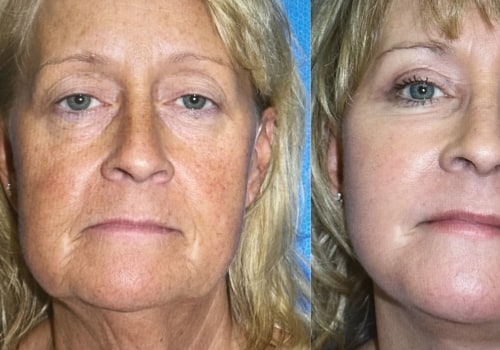
Exosomal therapy is an innovative approach in the realm of regenerative medicine, harnessing the power of exosomes—tiny vesicles secreted by cells that play a crucial role in intercellular communication. These nanoscopic messengers are rich in proteins, lipids, and genetic material, facilitating the transfer of vital information between cells. This unique capability makes exosomal therapy a promising option for skin rejuvenation and overall health enhancement. By promoting cellular repair and regeneration, exosomes can significantly improve skin texture, tone, and elasticity, making them a sought-after treatment for those looking to combat the signs of aging.The significance of exosomal therapy extends beyond mere cosmetic improvements.
It offers a holistic approach to skin health by addressing underlying issues such as inflammation, oxidative stress, and cellular dysfunction. As we age, our skin's natural ability to heal and regenerate diminishes, leading to visible signs of aging like wrinkles, fine lines, and sagging. Exosomal therapy aims to restore this balance by stimulating the body's own healing processes, resulting in a more youthful and vibrant appearance.Moreover, the benefits of exosomal therapy are not limited to facial rejuvenation; they can also be applied to various areas of the body. From enhancing hair growth to improving skin conditions like acne scars or hyperpigmentation, exosomes have shown remarkable versatility in their applications.
As more individuals seek non-invasive solutions for their skincare needs, understanding the role of exosomal therapy becomes essential for anyone considering this cutting-edge treatment.
What is Exosomal Therapy?
Exosomal therapy
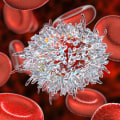
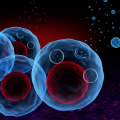
is an innovative approach in the field of regenerative medicine, leveraging the natural properties of exosomes to promote healing and rejuvenation. Exosomes are tiny vesicles, typically ranging from 30 to 150 nanometers in diameter, that are secreted by various types of cells. They play a crucial role in cellular communication, facilitating the transfer of proteins, lipids, and genetic material between cells. This unique ability makes exosomes a powerful tool in skincare and therapeutic applications.At its core, exosomal therapy harnesses these vesicles to enhance the body’s natural healing processes.
When applied to the skin, exosomes can stimulate cellular regeneration and repair by delivering essential growth factors and signalling molecules directly to targeted areas. This process not only aids in skin rejuvenation but also improves overall skin health by promoting collagen production and enhancing skin texture.One of the most significant advantages of exosomal therapy is its ability to utilise the body’s own biological mechanisms for healing. By introducing exosomes derived from healthy cells into damaged or aging skin, practitioners can effectively encourage the body to initiate its repair processes. This method is particularly beneficial for individuals seeking non-invasive solutions for issues such as fine lines, wrinkles, and uneven skin tone.In skincare, exosomal therapy is often combined with techniques like microneedling or laser treatments.
These methods create micro-injuries in the skin, allowing for better absorption of the exosomes. The synergy between these treatments enhances their effectiveness, leading to more pronounced results in terms of skin rejuvenation.Furthermore, exosomes are considered safe for application on various areas of the face and body. Their biocompatibility means that they can be used without significant risk of adverse reactions, making them an appealing option for those looking to improve their skin's appearance without invasive procedures.In summary, exosomal therapy represents a cutting-edge advancement in skincare that utilises the power of cellular communication to promote healing and rejuvenation. By understanding how exosomes work and their potential benefits, individuals can make informed decisions about incorporating this innovative treatment into their skincare regimen.
Benefits of Exosomal Therapy
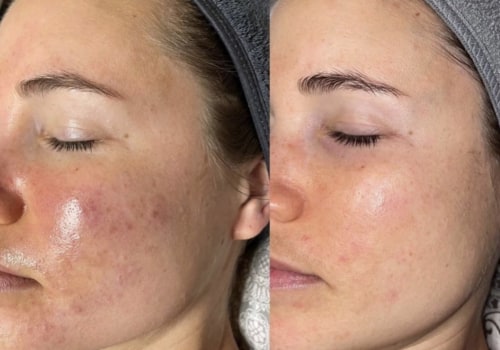
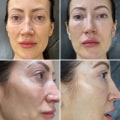
Exosomal therapy has emerged as a revolutionary treatment in the realm of skin rejuvenation and overall health enhancement.This innovative approach harnesses the power of exosomes, which are tiny vesicles secreted by cells that facilitate communication between them. By utilising these natural messengers, exosomal therapy offers a multitude of benefits that can significantly improve skin texture, boost collagen production, and even aid in hair restoration.One of the primary advantages of exosomal therapy is its ability to enhance skin rejuvenation. The treatment stimulates the body’s natural healing processes, promoting cellular regeneration and repair. As a result, patients often experience a noticeable improvement in skin tone and texture.
Fine lines and wrinkles may diminish, leaving the skin looking more youthful and vibrant.Moreover, exosomal therapy plays a crucial role in collagen production. Collagen is an essential protein that provides structure and elasticity to the skin. As we age, collagen production naturally declines, leading to sagging skin and other signs of aging. Exosomes can stimulate fibroblasts, the cells responsible for collagen synthesis, thereby enhancing the skin's firmness and resilience.
This increase in collagen not only improves aesthetic appearance but also contributes to overall skin health.In addition to its benefits for skin rejuvenation, exosomal therapy has shown promise in hair restoration. By delivering growth factors directly to hair follicles, exosomes can stimulate hair growth and improve hair density. This makes exosomal therapy an appealing option for individuals experiencing hair thinning or loss.Furthermore, the versatility of exosomal therapy allows it to be tailored to individual needs. Whether used alone or in conjunction with other treatments such as microneedling or laser therapy, exosomes can enhance the effectiveness of these procedures, leading to superior results.In summary, the benefits of exosomal therapy are extensive and multifaceted.
From improving skin texture and boosting collagen production to aiding in hair restoration, this cutting-edge treatment offers a holistic approach to enhancing beauty and health. As research continues to evolve, the potential applications of exosomal therapy are likely to expand even further, solidifying its place as a cornerstone in regenerative medicine.
How Often Should You Get Exosome Treatment?
Determining the optimal frequency for exosomal therapy is crucial for achieving the best possible results. The recommended number of sessions can vary significantly based on individual skin conditions, treatment objectives, and overall health. Generally, a series of treatments is advised to maximise the benefits of exosome therapy.Most practitioners suggest starting with a minimum of three sessions, spaced approximately two to four weeks apart.This interval allows the skin to recover and respond effectively to the treatment. For those seeking more pronounced results, particularly in cases of severe skin damage or hair loss, up to five sessions may be necessary.After completing the initial series of treatments, many patients find that maintenance sessions every six months to a year can help sustain the rejuvenating effects of exosomal therapy. This ongoing regimen not only prolongs the benefits but also supports continuous collagen production and skin health.It’s important to note that individual responses to exosome treatments can vary widely. Factors such as age, skin type, and specific concerns like acne scars or pigmentation issues will influence how often one should undergo therapy.
Therefore, a personalised treatment plan developed in consultation with a qualified professional is essential.For those preparing for special occasions or events, scheduling a session about one week prior can enhance skin appearance significantly. This timing allows for any potential redness or swelling to subside while ensuring that the skin looks its best.In summary, while a typical recommendation is three to five sessions initially, followed by maintenance treatments every six months to a year, it is vital to tailor the frequency of exosomal therapy to individual needs and goals. Consulting with an experienced practitioner will provide guidance on the most effective treatment schedule for your unique situation.
Factors Influencing Treatment Frequency
When considering exosomal therapy, the frequency of treatments can vary significantly based on several key factors. Understanding these factors is essential for tailoring a treatment plan that meets individual needs and maximises the benefits of the therapy.Individual Response to Treatment
One of the most critical aspects influencing treatment frequency is the individual’s response to exosome treatments.Each person’s body reacts differently to therapies, which can be attributed to various biological and physiological factors. For instance, some individuals may experience rapid improvements in skin texture and tone, allowing for longer intervals between sessions. Conversely, others may require more frequent treatments to achieve similar results. Regular assessments by a qualified practitioner can help determine the optimal schedule based on personal progress.
Skin Condition Considerations
The specific skin conditions being addressed also play a significant role in determining how often one should undergo exosome therapy.For example:
- Aging Skin: Individuals seeking to combat signs of aging may benefit from more frequent sessions initially, followed by maintenance treatments every few months.
- Acne Scarring: Those with acne scars might require a series of treatments spaced closer together to promote healing and regeneration.
- Hyperpigmentation: For issues like hyperpigmentation, a tailored approach is necessary, often involving multiple sessions over a few months.
Age and Lifestyle Factors
Age is another factor that cannot be overlooked. Younger individuals may have more resilient skin that responds quickly to exosomal therapy, potentially requiring fewer sessions. In contrast, older adults may need more frequent treatments due to slower cellular turnover and diminished collagen production.Lifestyle factors such as sun exposure, smoking, and diet can also impact skin health and recovery time, further influencing how often treatments should be scheduled.In conclusion, while general guidelines suggest a range of treatment frequencies, it is crucial to consider individual responses, specific skin conditions, age, and lifestyle factors when determining the best approach for exosomal therapy. Consulting with a skincare professional can provide personalised recommendations that align with your unique needs and goals.
Combining Exosomal Therapy with Other Treatments
Exosomal therapy has emerged as a revolutionary approach in the realm of skin rejuvenation and overall health enhancement. When combined with other treatments, such as microneedling or laser therapy, the results can be significantly amplified, leading to a more comprehensive and effective treatment plan.Exosomal Therapy with Microneedling
Microneedling is a popular procedure that involves creating tiny punctures in the skin to stimulate collagen production and enhance skin texture. When exosomal therapy is integrated into this process, it can provide remarkable synergistic effects.The microneedles create micro-injuries that allow for better absorption of exosomes, which are rich in growth factors and proteins essential for skin repair and rejuvenation.During a typical session, exosomes are applied immediately after microneedling, ensuring that they penetrate deeply into the dermis. This combination not only accelerates healing but also enhances the overall effectiveness of the treatment. Patients often report improved skin elasticity, reduced fine lines, and a more radiant complexion following this dual approach.
Combining Treatments for Better Results
The integration of exosomal therapy with other aesthetic treatments can lead to enhanced outcomes. For instance, when paired with laser therapy, exosomes can help to expedite recovery time and improve skin texture post-treatment.Laser procedures often cause inflammation and downtime; however, the application of exosomes can mitigate these effects by promoting cellular communication and regeneration.Moreover, combining exosomal therapy with chemical peels or other resurfacing techniques can further enhance results. The exosomes work to soothe the skin and accelerate healing, allowing patients to enjoy the benefits of their treatments without prolonged recovery periods.
Synergistic Effects of Therapies
The synergistic effects of combining exosomal therapy with other modalities are well-documented. By leveraging the unique properties of exosomes—such as their ability to facilitate intercellular communication—patients can experience more profound and lasting improvements in their skin health.Ultimately, the decision to combine therapies should be tailored to individual needs and goals. Consulting with a qualified professional can help determine the most effective treatment plan that incorporates exosomal therapy alongside other advanced techniques for optimal results.What to Expect During an Exosome Treatment Session
Undergoing an exosome treatment session is a carefully orchestrated process designed to maximise the benefits of this innovative therapy.Understanding what to expect can help alleviate any apprehensions and ensure a smooth experience.
Preparation for the Treatment
Before your session, a consultation with a qualified practitioner is essential. During this initial meeting, your medical history will be reviewed, and your specific skin concerns will be discussed. This helps in tailoring the treatment to your individual needs. You may be advised to avoid certain medications or supplements that could increase bleeding or bruising, such as aspirin or fish oil, in the days leading up to your appointment.On the day of the treatment, it’s advisable to arrive with clean skin, free from makeup or skincare products.
This ensures that the exosomes can penetrate effectively without any barriers.
The Treatment Process
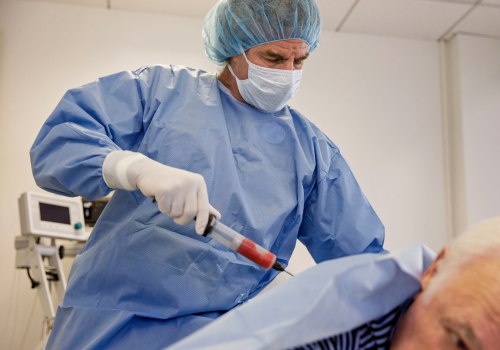
The session typically begins with the application of a topical anaesthetic to minimise discomfort during the procedure. Once the skin is adequately numbed, a microneedling device is used to create micro-injuries in the skin's surface. This step is crucial as it enhances the absorption of exosomes into the deeper layers of the skin.Following microneedling, a serum containing exosomes is applied directly to the treated area. These exosomes are derived from stem cells and are rich in growth factors and proteins that promote healing and rejuvenation.
The practitioner may gently massage the serum into the skin to ensure optimal penetration.
Post-Treatment Care
After your exosome therapy, it’s normal to experience some redness and mild swelling, similar to a light sunburn. These effects typically subside within a few hours to a couple of days. To aid recovery, it’s important to follow aftercare instructions provided by your practitioner:
- Avoid direct sunlight and apply sunscreen diligently.
- Refrain from using harsh skincare products for at least a week.
- Stay hydrated and maintain a healthy diet to support skin healing.
- Do not engage in strenuous exercise for 24-48 hours post-treatment.
Potential Side Effects and Considerations
As with any medical treatment, exosomal therapy is not without its potential side effects and risks. Understanding these factors is crucial for anyone considering this innovative approach to skin rejuvenation and healing.While many patients experience positive outcomes, it is essential to be aware of the possible adverse effects that may arise.Commonly reported side effects include:
- Redness and Swelling: Following the treatment, some individuals may notice temporary redness or swelling at the injection site. This is typically mild and subsides within a few hours to a few days.
- Bruising: Due to the nature of microneedling involved in exosomal therapy, bruising can occur. This is generally minor and resolves on its own.
- Pain or Discomfort: Patients may experience slight discomfort during and after the procedure. However, this can often be managed with topical anaesthetics applied prior to treatment.
- Allergic Reactions: Although rare, some individuals may have an allergic reaction to the exosomes or other components used during the treatment.
It is vital to discuss any known allergies with your practitioner beforehand.
- Infection Risk: As with any procedure that involves injections, there is a risk of infection. Ensuring that the treatment is performed in a sterile environment by qualified professionals can mitigate this risk significantly.
- Individual Variability: Each person's body responds differently to treatments. Factors such as skin type, age, and overall health can influence the effectiveness and safety of exosomal therapy.
- Long-term Effects: While many patients report positive results, the long-term effects of exosomal therapy are still being studied. It is essential to stay informed about ongoing research and consult with healthcare providers regarding any concerns.
Consulting with a qualified practitioner who can provide personalised advice based on your unique circumstances will help ensure a safe and effective treatment experience.
FAQs About Exosomal Therapy Frequency
When considering exosomal therapy, many individuals have questions regarding how often they should undergo treatment. Understanding the frequency of these sessions is crucial for achieving optimal results and ensuring the best possible outcomes for skin rejuvenation and overall health.1.How many sessions of exosomal therapy are typically recommended?
Most practitioners suggest a minimum of three to five sessions of exosomal therapy, spaced approximately two to four weeks apart. This interval allows the body to respond effectively to the treatment, maximising the benefits of each session.
2.Can I have exosomal therapy more frequently?
While it may be tempting to seek more frequent treatments for quicker results, it is essential to adhere to the recommended schedule. Over-treatment can lead to diminishing returns and may not provide additional benefits.
Always consult with your healthcare provider to determine the best approach for your individual needs.
3.How long do the effects of exosomal therapy last?
The results from exosomal therapy can typically last between six to twelve months, depending on various factors such as skin type, age, and overall health. Regular maintenance treatments every six months to a year can help sustain these effects and promote ongoing skin health.
4.Is there a specific time frame for treatments before an event?
If you are preparing for a special occasion, scheduling an exosomal treatment about one week prior can be beneficial. This timing allows your skin to recover and achieve a radiant glow, enhancing your overall appearance for the event.
5.What factors influence the frequency of treatments?
- Your individual skin condition and goals
- The specific area being treated
- Your body's response to previous treatments
- Any concurrent therapies you may be undergoing
Conclusion: Finding Your Ideal Treatment Schedule
In conclusion, determining the frequency of exosomal therapy treatments is a nuanced process that varies significantly from person to person.As we have explored throughout this article, the ideal treatment schedule is influenced by several factors, including individual skin conditions, treatment goals, and the specific areas being targeted.Generally, a minimum of three sessions spaced two to four weeks apart is recommended to achieve noticeable results. However, some individuals may require more frequent treatments, especially if they are addressing specific concerns such as skin rejuvenation or hair restoration. The effects of these treatments can last anywhere from six to twelve months, making regular follow-ups essential for maintaining optimal results.It is also important to consider that exosomal therapy can be effectively combined with other treatments, such as microneedling or laser therapy. This combination can enhance the overall effectiveness and accelerate the healing process, leading to improved skin texture and tone.
Therefore, consulting with a qualified professional is crucial in developing a tailored treatment plan that aligns with your unique needs.For those preparing for special occasions or events, scheduling a session one week prior can provide a significant boost to your skin's appearance, ensuring a radiant and even complexion. Ultimately, the best approach is to engage in an open dialogue with your skincare provider, who can assess your individual response to treatment and adjust your schedule accordingly.In summary, while general guidelines exist for exosomal therapy, personalisation is key. Regular consultations with skincare professionals will help you navigate your treatment journey effectively, ensuring that you achieve the best possible outcomes for your skin health.