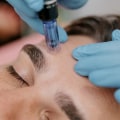
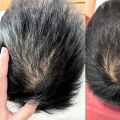
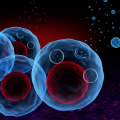
In the realm of aesthetic treatments, the emergence of polynucleotides and exosomal therapy has sparked significant interest among both practitioners and patients. These innovative approaches are revolutionising the way we address common skin concerns, particularly in the context of facial rejuvenation and lifting sagging areas such as the jowls. Understanding how these therapies work is essential for anyone considering non-surgical options to enhance their appearance.Polynucleotides are naturally occurring molecules that play a crucial role in cellular repair and regeneration. They are derived from DNA and RNA, which are fundamental to the body’s healing processes.
When injected into the skin, polynucleotides stimulate collagen production, improve skin elasticity, and promote overall skin health. This makes them particularly effective for treating signs of ageing, including loose skin around the jawline. By harnessing the body’s own regenerative capabilities, polynucleotides offer a holistic approach to skin rejuvenation.On the other hand, exosomal therapy utilises exosomes—tiny vesicles secreted by cells that carry proteins, lipids, and genetic material—to facilitate communication between cells. This therapy enhances the regenerative effects of polynucleotides by delivering growth factors directly to targeted areas, thereby accelerating healing and improving skin texture.
The synergy between polynucleotides and exosomal therapy not only aids in lifting jowls but also contributes to a more youthful complexion by addressing multiple layers of skin health.As we delve deeper into the specifics of how these treatments can effectively lift jowls and rejuvenate the skin, it becomes clear that combining these advanced therapies can yield remarkable results. Patients seeking to restore their youthful appearance will find that understanding these innovative treatments is key to making informed decisions about their aesthetic goals.
What Are Polynucleotides?
Polynucleotides are naturally occurring biopolymers composed of long chains of nucleotide units, which are the building blocks of DNA and RNA. These molecules play a crucial role in various biological processes, including cellular repair, regeneration, and the maintenance of skin health. In aesthetic medicine, polynucleotides have emerged as a revolutionary treatment option, particularly for their ability to rejuvenate and restore the skin's youthful appearance.One of the primary benefits of polynucleotides is their capacity to stimulate collagen production within the skin.Collagen is an essential protein that provides structure and elasticity, helping to keep the skin firm and resilient. As we age, collagen levels naturally decline, leading to sagging skin and the formation of wrinkles. By introducing polynucleotides into the skin through injections, practitioners can encourage the body’s own healing mechanisms to produce new collagen fibers, resulting in improved skin texture and firmness.Moreover, polynucleotide therapy offers several advantages over traditional treatments such as dermal fillers. Unlike fillers that provide immediate volume but may lead to water retention or a temporary effect, polynucleotides work at a cellular level to promote long-term skin health.
This biostimulatory effect not only enhances the skin's appearance but also improves its overall quality by addressing issues such as fine lines, dullness, and uneven texture.In addition to their rejuvenating properties, polynucleotides are known for their safety profile. The treatment typically involves minimal side effects, with most patients experiencing only mild redness or swelling at the injection site. This makes polynucleotide therapy an appealing option for those seeking non-surgical solutions for skin rejuvenation.Overall, polynucleotides represent a significant advancement in aesthetic medicine. Their ability to enhance collagen synthesis and promote cellular regeneration positions them as a valuable tool for achieving youthful and vibrant skin.
The Mechanism of Action: How Polynucleotides Work
Polynucleotides are gaining recognition in the field of aesthetic medicine, particularly for their role in skin rejuvenation and lifting sagging areas such as jowls.Understanding the mechanism of action behind polynucleotide therapy is essential to appreciate how these treatments can effectively enhance skin quality and firmness.At the core of polynucleotide therapy is the stimulation of collagen synthesis. Collagen is a vital protein that provides structure and elasticity to the skin. As we age, collagen production naturally declines, leading to sagging skin and the formation of wrinkles. Polynucleotides work by activating fibroblasts, the cells responsible for collagen production.
When injected into the skin, polynucleotides release nucleotides that signal fibroblasts to increase collagen and elastin synthesis, resulting in improved skin texture and firmness.Moreover, polynucleotides promote tissue repair through their biostimulatory properties. They enhance the body’s natural healing processes by encouraging cellular regeneration and repair. This is particularly beneficial for areas like the jowls, where skin laxity can be pronounced. By fostering an environment conducive to healing, polynucleotides help restore the skin’s structural integrity.The rejuvenation process initiated by polynucleotides is gradual but significant.
Patients often begin to notice improvements in skin hydration and texture within a few weeks post-treatment. Over time, as collagen levels rise, the skin appears smoother and more youthful. This gradual enhancement is one of the reasons why polynucleotide therapy is favoured over traditional fillers, which provide immediate but temporary results.In addition to collagen stimulation, polynucleotides also play a role in reducing inflammation and oxidative stress within the skin. By mitigating these factors, they create a healthier environment for skin cells to thrive, further contributing to a rejuvenated appearance.In summary, the effectiveness of polynucleotide therapy in lifting jowls lies in its ability to stimulate collagen production, promote tissue repair, and enhance overall skin health.
This multifaceted approach not only addresses existing signs of aging but also helps prevent future deterioration, making it a valuable option for those seeking non-surgical aesthetic improvements.
Exosomal Therapy: An Overview
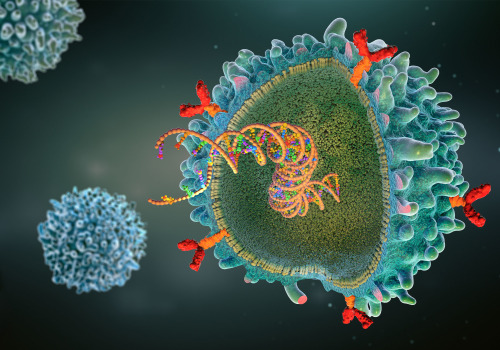
Exosomal therapy is an innovative approach in regenerative medicine that utilises exosomes—tiny vesicles secreted by cells—to facilitate communication between cells and promote healing. These exosomes are rich in proteins, lipids, and genetic material, which play a crucial role in cell signalling and regeneration. In the realm of aesthetics, exosomal therapy has gained traction for its potential to enhance skin rejuvenation and address various skin concerns.One of the primary benefits of exosomal therapy is its ability to accelerate the body’s natural healing processes. By delivering growth factors and other bioactive molecules directly to target cells, exosomes can stimulate collagen production, improve skin elasticity, and enhance overall skin texture.This makes them particularly effective for individuals seeking to rejuvenate their skin without invasive procedures.Moreover, exosomal therapy complements polynucleotide treatments by providing a synergistic effect. While polynucleotides work at the cellular level to stimulate tissue repair and regeneration, exosomes enhance this process by facilitating communication between cells and promoting a more robust healing response. This combination can lead to improved outcomes in aesthetic treatments, particularly for those looking to lift jowls or reduce signs of ageing.In addition to their regenerative properties, exosomes have anti-inflammatory effects that can help reduce redness and swelling post-treatment. This is particularly beneficial for patients undergoing multiple aesthetic procedures, as it can shorten recovery time and enhance comfort during the healing process.Furthermore, exosomal therapy is versatile and can be tailored to meet individual patient needs.
Whether addressing fine lines, wrinkles, or overall skin tone, the application of exosomes can be customised based on specific skin concerns. As research continues to evolve in this field, the potential applications of exosomal therapy in aesthetics are expanding rapidly.In summary, exosomal therapy represents a significant advancement in aesthetic treatments. Its ability to enhance skin rejuvenation when combined with polynucleotide therapy offers patients a comprehensive solution for achieving youthful, vibrant skin. As more practitioners adopt this innovative approach, it is likely that we will see even greater improvements in non-surgical aesthetic outcomes.
Can Polynucleotides Lift Jowls? Evidence and Insights
The quest for youthful facial contours often leads individuals to explore various treatment options, and one of the most promising advancements in aesthetic medicine is the use of polynucleotides.These biocompatible molecules have garnered attention for their potential to enhance skin quality and address signs of aging, particularly in the jowl area.Polynucleotides work by stimulating the body’s natural healing processes, promoting collagen synthesis and improving skin elasticity. This mechanism is particularly beneficial for lifting jowls, as it helps restore firmness and structure to sagging skin. Clinical studies have shown that polynucleotide treatments can lead to significant improvements in skin texture and tone, which are crucial for achieving a more defined jawline.One of the key advantages of polynucleotides over traditional fillers is their ability to promote long-term skin rejuvenation rather than merely providing temporary volume. While fillers can effectively plump up areas of concern, they do not address the underlying issues of skin laxity and collagen depletion.
In contrast, polynucleotides encourage the body to regenerate its own collagen, leading to more sustainable results.Experts in aesthetic medicine have noted that combining polynucleotide treatments with other modalities can enhance outcomes. For instance, when used alongside energy-based devices like Ultherapy or Morpheus8, which stimulate collagen production through thermal energy, patients may experience even greater lifting effects in the jowl area.However, it is essential to manage expectations regarding the timeline for results. While some improvements may be visible shortly after treatment, the full benefits typically manifest over several weeks as collagen levels increase. Most patients report noticeable changes within three months, including a more contoured jawline and improved skin quality.In conclusion, polynucleotides represent a viable option for those seeking to lift jowls and enhance facial contours.
Their unique ability to stimulate natural collagen production makes them an attractive alternative to traditional fillers. As always, individuals should consult with qualified practitioners to determine the most suitable treatment plan tailored to their specific needs.
Combining Treatments: Polynucleotides with Other Aesthetic Procedures
In the realm of aesthetic treatments, the synergy between different modalities can significantly enhance the overall results.Polynucleotide therapy
, known for its regenerative properties, can be effectively combined with other treatments such as dermal fillers and energy devices to achieve optimal facial rejuvenation outcomes.One of the most popular combinations involves using polynucleotides alongside dermal fillers. While fillers are designed to add volume and address specific areas of concern, such as deep lines or hollow cheeks, polynucleotides work at a deeper level to stimulate collagen production and improve skin quality.This dual approach not only restores lost volume but also enhances the skin's texture and elasticity, leading to a more youthful appearance.For instance, patients seeking to lift jowls may benefit from a treatment plan that includes both polynucleotides and fillers. The fillers can provide immediate volume and contouring, while the polynucleotides gradually improve skin firmness and hydration over time. This combination allows for a more natural-looking result, as the skin continues to rejuvenate long after the initial treatment.Moreover, integrating energy devices such as Ultherapy or Morpheus8 with polynucleotide therapy can further amplify results. These devices use ultrasound or microneedling technology to stimulate collagen production and tighten the skin.
When used in conjunction with polynucleotides, they create a comprehensive treatment plan that addresses both surface-level concerns and deeper structural issues.Patients often report enhanced satisfaction when combining treatments, as they experience both immediate improvements from fillers and long-term benefits from polynucleotide therapy. It is essential, however, for individuals to consult with a qualified practitioner who can tailor a treatment plan based on their unique needs and aesthetic goals.In conclusion, the combination of polynucleotides with other aesthetic procedures not only maximises results but also promotes a holistic approach to facial rejuvenation. By leveraging the strengths of each treatment modality, patients can achieve a more youthful, vibrant appearance that lasts.
Patient Experience: What to Expect During Treatment
Embarking on a journey with polynucleotide treatment can be an exciting yet daunting experience for many patients. Understanding what to expect during this process is crucial for alleviating any apprehensions and ensuring a smooth treatment journey.Initial Consultation
The first step in your polynucleotide treatment journey is the initial consultation.
This is a vital opportunity for you to discuss your aesthetic goals and concerns with a qualified practitioner. During this session, the practitioner will:
- Conduct a thorough assessment of your skin condition and facial structure.
- Discuss your medical history to ensure that polynucleotide treatment is suitable for you.
- Explain the procedure in detail, including how it works, expected outcomes, and any potential side effects.
- Answer any questions you may have, helping to set realistic expectations.
Treatment Sessions
Once you’ve decided to proceed with the treatment, you will typically undergo a series of sessions. Each session usually lasts between 30 to 60 minutes, depending on the areas being treated. Here’s what you can expect during the actual treatment:
- The area will be cleansed thoroughly to minimise any risk of infection.
- A topical anaesthetic may be applied to ensure your comfort during the injections.
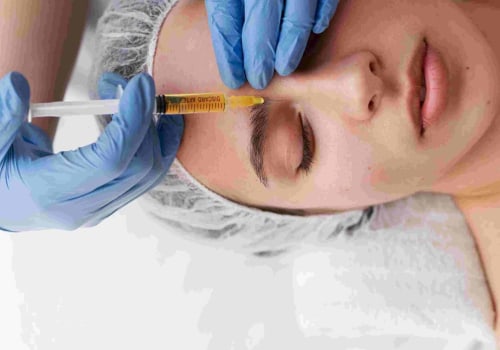
- Your practitioner will then administer the polynucleotides using fine needles, targeting specific areas to stimulate collagen production and skin rejuvenation.
The use of fine needles helps reduce any potential pain associated with the injections.
Post-Treatment Expectations
After your polynucleotide treatment, it’s normal to experience some mild swelling or redness at the injection sites. These effects typically subside within a few days. You may notice initial improvements in skin texture and hydration shortly after treatment; however, the full benefits will become apparent over several weeks as collagen production increases.To maintain optimal results, follow-up treatments are generally recommended every six months to a year. Your practitioner will provide guidance on how often you should return based on your individual needs and desired outcomes.In summary, understanding the patient experience during polynucleotide treatments—from consultation through to post-treatment care—can significantly enhance your confidence in pursuing this innovative therapy for lifting jowls and rejuvenating your skin.
Potential Side Effects and Considerations
When considering polynucleotide treatments, it is essential to be aware of potential side effects and important treatment considerations to ensure a safe and effective experience.While polynucleotides are generally well-tolerated, understanding the possible reactions can help patients make informed decisions.
Common Side Effects
- Injection Site Reactions: The most frequently reported side effects are localized to the injection site. Patients may experience redness, swelling, or bruising following the procedure. These symptoms are typically mild and resolve within a few days.
- Itching or Discomfort: Some individuals may feel temporary itching or discomfort in the treated area. This sensation usually subsides quickly as the skin adjusts to the treatment.
- Allergic Reactions: Although rare, allergic reactions can occur.
Symptoms may include rash, hives, or swelling beyond the injection site. It is crucial to inform your practitioner of any known allergies prior to treatment.
Considerations for Treatment
- Consultation: A thorough consultation with a qualified practitioner is vital. Discuss your medical history, current medications, and any previous cosmetic treatments to ensure that polynucleotides are suitable for you.
- Pregnancy and Breastfeeding: Polynucleotide treatments are not recommended for pregnant or breastfeeding individuals due to insufficient research on their safety in these populations.
- Skin Conditions: Patients with active skin infections or inflammatory skin conditions should postpone treatment until these issues are resolved to avoid complications.
- Post-Treatment Care: Following treatment, it is advisable to follow specific aftercare instructions provided by your practitioner. This may include avoiding strenuous exercise, sun exposure, and certain skincare products for a short period.
Safety Profile
The safety profile of polynucleotides is generally favourable, with most side effects being mild and transient.
However, as with any cosmetic procedure, individual responses can vary. It is essential to choose a reputable clinic with experienced practitioners who can provide tailored advice and support throughout your treatment journey.In summary, while polynucleotide treatments offer promising benefits for skin rejuvenation, being informed about potential side effects and considerations can enhance your overall experience and results.
Long-Term Results: Maintenance and Follow-Up Treatments
Achieving optimal results with polynucleotide therapy is not merely a one-off event; it requires a commitment to maintenance treatments and diligent follow-up care. While the initial treatment can yield significant improvements in skin texture, hydration, and overall appearance, sustaining these benefits over time is crucial for long-lasting rejuvenation.After completing the recommended series of polynucleotide treatments, typically consisting of two to three sessions spaced two to four weeks apart, patients often notice a marked enhancement in their skin's quality. However, to maintain these results, it is advisable to schedule follow-up treatments.These maintenance sessions are generally recommended every six to twelve months, depending on individual skin conditions and aesthetic goals.
Why Maintenance Treatments Matter
- Collagen Production: Polynucleotides stimulate collagen synthesis, which is essential for maintaining skin firmness and elasticity. Over time, natural collagen levels can decline, making regular treatments necessary to counteract this effect.
- Skin Regeneration: The regenerative properties of polynucleotides promote ongoing skin health. Regular maintenance helps ensure that the skin continues to benefit from enhanced hydration and improved texture.
- Preventative Care: For younger patients or those looking to stave off signs of aging, maintenance treatments can serve as a proactive measure to prevent the development of fine lines and wrinkles.
- Regular Skin Assessments: Periodic evaluations with a qualified practitioner can help monitor changes in your skin and adjust treatment plans as necessary.
- Skincare Regimen: Incorporating a tailored skincare routine that complements polynucleotide therapy can enhance results.
Products rich in antioxidants and hydrating agents are particularly beneficial.
- Lifestyle Considerations: Maintaining a healthy lifestyle—such as staying hydrated, eating a balanced diet, and avoiding excessive sun exposure—can significantly impact the longevity of your results.
<strong>Conclusion</strong>
In summary, the exploration of polynucleotides as a treatment for lifting jowls has revealed promising insights into their efficacy and role within the broader context of exosomal therapy. Throughout this article, we have examined how polynucleotides work at a cellular level to stimulate collagen production, enhance skin texture, and promote overall skin rejuvenation. These benefits are particularly relevant for individuals seeking non-surgical solutions to address sagging skin and improve facial contours.One of the key findings is that polynucleotides not only help in lifting jowls but also contribute to the long-term health of the skin.By encouraging the body’s natural healing processes, they facilitate a gradual yet significant improvement in skin firmness and elasticity. This makes them an attractive option for those who prefer a more holistic approach to anti-aging treatments.Moreover, when combined with other aesthetic procedures such as dermal fillers or energy-based treatments, polynucleotides can enhance overall results, providing a synergistic effect that maximises rejuvenation outcomes. This combination therapy approach allows practitioners to tailor treatments to individual needs, ensuring optimal results.Final thoughts on polynucleotides highlight their unique position in the realm of aesthetic medicine. Unlike traditional fillers that provide immediate volume but may require frequent touch-ups, polynucleotides offer a more sustainable solution by promoting natural collagen synthesis over time.
This not only leads to improved skin quality but also reduces the need for ongoing interventions.As we delve deeper into the realm of exosomal therapy , it becomes clear that polynucleotides play a vital role in advancing our understanding of regenerative medicine. Their ability to harness the body’s own repair mechanisms positions them as a key player in future anti-aging strategies. As research continues to evolve, we can anticipate even more innovative applications for polynucleotides and exosomal therapies in enhancing skin health and appearance.In conclusion, polynucleotides represent a significant advancement in non-surgical aesthetic treatments, particularly for lifting jowls and improving overall skin quality. Their integration into exosomal therapy further underscores their potential as a transformative tool in the pursuit of youthful, vibrant skin.