Hair loss is a common concern that affects millions of individuals worldwide, transcending age and gender. As societal standards of beauty evolve, the desire for a full head of hair has led to an increasing demand for effective hair restoration treatments. In recent years, advancements in medical technology have paved the way for innovative non-surgical options that promise to rejuvenate hair and restore confidence. Among these treatments, exosomal therapy and Regenera hair treatment have emerged as two prominent modalities, each offering unique mechanisms for addressing hair loss.The growing interest in non-invasive procedures stems from the desire for effective solutions without the risks associated with surgical interventions.
Patients are increasingly seeking alternatives that not only stimulate hair growth but also enhance the overall health of their scalp and hair follicles. Understanding the differences between these treatments is crucial for anyone considering their options. While both exosomal therapy and Regenera hair treatment aim to promote hair rejuvenation, they operate on distinct principles and utilize different biological materials.Exosomal therapy harnesses the power of extracellular vesicles derived from stem cells, which play a vital role in cellular communication and regeneration. This cutting-edge approach has garnered attention for its potential to deliver rapid results with minimal downtime.
On the other hand, Regenera hair treatment employs micrografts extracted from the patient’s own scalp, focusing on utilising the body’s natural healing processes to stimulate hair growth. As we delve deeper into these treatments, it becomes essential to explore their individual benefits, limitations, and suitability for various types of hair loss.
What are Exosomes?
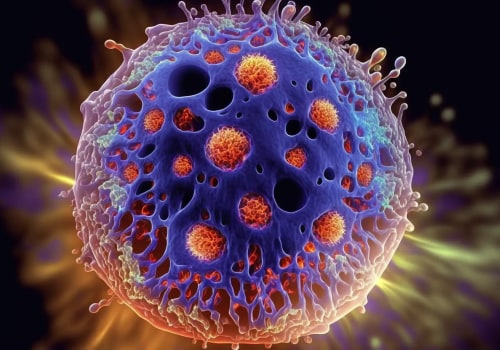
Exosomes are small extracellular vesicles that play a crucial role in intercellular communication. These vesicles, typically ranging from 30 to 150 nanometers in diameter, are secreted by various cell types, including stem cells, and contain a rich cargo of proteins, lipids, and nucleic acids. This unique composition allows exosomes to facilitate the transfer of biological information between cells, influencing numerous physiological processes.In the context of exosomal therapy , these vesicles are harnessed for their regenerative properties.Exosomes derived from stem cells are particularly valuable due to their ability to promote healing and tissue regeneration. They act as mediators of cellular communication, delivering signals that can stimulate cellular repair mechanisms and enhance the body’s natural healing processes.One of the most significant applications of exosomes is in the field of regenerative medicine, particularly for hair restoration. When applied to the scalp, exosomal therapy can target hair follicles directly. The growth factors and proteins contained within exosomes can stimulate dormant hair follicles, encouraging them to enter the anagen (growth) phase of the hair cycle.
This process not only promotes new hair growth but also improves the overall health and density of existing hair.Moreover, exosomal therapy offers several advantages over traditional treatments. For instance, it typically requires fewer sessions compared to other methods like platelet-rich plasma (PRP) therapy. Patients often begin to see noticeable improvements within a few months following treatment, as the exosomes work synergistically with the body’s own biological processes.In summary, exosomes are vital components in cellular communication and play a significant role in regenerative therapies. Their application in hair restoration exemplifies their potential to revolutionise treatment approaches for hair loss, providing a promising alternative for those seeking effective solutions.
Understanding Regenera Hair Treatment
Regenera hair treatment is an innovative approach to hair restoration that utilises the body’s own biological resources to stimulate hair growth.Unlike traditional methods that may rely on external substances or invasive procedures, Regenera focuses on harnessing the power of micrografts extracted from the patient’s own scalp. This technique not only promotes natural hair regrowth but also ensures a high level of safety and compatibility with the individual’s body.The process begins with a thorough consultation, where a qualified practitioner assesses the patient's hair loss condition and overall health. Once deemed suitable for the treatment, a small area of the scalp is selected for harvesting. Using a specialised device, micrografts containing hair follicle stem cells are extracted.
These micrografts are rich in growth factors and proteins essential for hair regeneration.After extraction, the micrografts undergo a meticulous preparation process to isolate the most viable cells. This step is crucial as it enhances the effectiveness of the treatment by ensuring that only the healthiest cells are used for reintroduction into the scalp.Once prepared, these micrografts are injected back into areas of thinning or balding hair. The growth factors present in these grafts stimulate dormant hair follicles, encouraging them to enter the anagen (growth) phase of the hair cycle. This process not only revitalises existing follicles but also promotes new hair growth, leading to fuller and healthier hair over time.One of the significant benefits of Regenera treatment is its minimally invasive nature.
Patients typically experience little to no downtime, allowing them to resume their daily activities shortly after the procedure. Additionally, because the treatment uses the patient’s own cells, there is a reduced risk of allergic reactions or complications compared to treatments involving foreign substances.Moreover, Regenera has shown promising results in clinical studies, with many patients reporting noticeable improvements in hair density and thickness within a few months post-treatment. This method not only addresses current hair loss but also helps in preventing future thinning by rejuvenating the scalp environment.In summary, Regenera hair treatment represents a significant advancement in non-surgical hair restoration techniques. By leveraging micrografts from the patient’s own scalp, it offers a safe, effective, and natural solution for those seeking to combat hair loss and restore their confidence.
Comparative Analysis: Exosomal Therapy vs.
Regenera Hair TreatmentWhen considering hair restoration options, understanding the differences between exosomal therapy and Regenera hair treatment is crucial for making an informed decision. Both treatments aim to combat hair loss and promote regrowth, but they employ distinct mechanisms and methodologies.
Mechanisms of Action
- Exosomal Therapy: This innovative treatment utilises exosomes, which are tiny extracellular vesicles secreted by stem cells. These vesicles are rich in growth factors, proteins, and genetic material that facilitate cellular communication and regeneration. By delivering these bioactive molecules directly to the hair follicles, exosomal therapy stimulates the body's natural healing processes, promoting hair growth and improving follicle health.
- Regenera Hair Treatment: In contrast, Regenera Activa employs a technique that involves extracting micrografts from the patient’s own scalp.
This method focuses on harvesting a small number of hair follicles, which are then processed to isolate the regenerative cells. These cells are injected back into the scalp to stimulate hair growth through a more direct approach.
Efficacy Comparison
Both treatments have shown promising results in clinical settings, but their effectiveness can vary based on individual circumstances:
- Exosomal Therapy: Many patients report noticeable improvements in hair density and thickness after just one or two sessions. The regenerative properties of exosomes allow for quicker results compared to traditional methods.
- Regenera Hair Treatment: While effective, this treatment may require multiple sessions to achieve optimal results. Patients often see gradual improvements over time as the injected cells work to rejuvenate the hair follicles.
Treatment Duration and Patient Outcomes
The duration of each treatment also plays a significant role in patient experience:
- Exosomal Therapy: Typically, this treatment can be completed in a single session lasting about an hour, making it a convenient option for those with busy schedules.
- Regenera Hair Treatment: This process may take longer due to the need for multiple sessions and the time required for harvesting and processing the grafts.
The choice between them should be guided by individual needs, preferences, and consultation with a qualified healthcare provider who can assess specific conditions and recommend the most suitable option.
Benefits of Exosomal Therapy for Hair Restoration
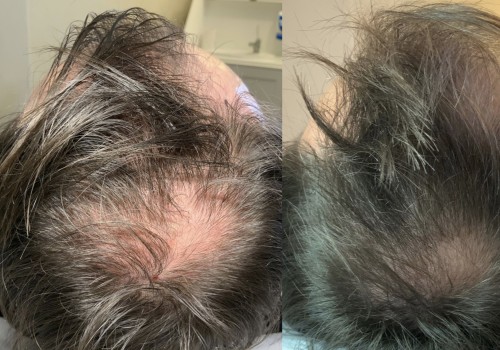
Exosomal therapy has emerged as a revolutionary approach in the realm of hair restoration, offering a multitude of benefits that set it apart from traditional treatments. One of the most significant advantages of exosomal therapy is the speed of results. Many patients report noticeable improvements in hair density and thickness within just a few weeks following treatment. This rapid response can be attributed to the potent growth factors and regenerative properties contained within exosomes, which facilitate quicker cellular communication and healing.Another compelling benefit is the reduced number of sessions required compared to other hair restoration methods, such as platelet-rich plasma (PRP) therapy.While PRP often necessitates multiple sessions over several months, exosomal therapy typically requires only one or two treatments to achieve optimal results. This not only saves time for patients but also reduces the overall cost associated with multiple visits.The advanced regenerative capabilities of exosomes further enhance their appeal. Exosomes are rich in proteins, lipids, and genetic material that play a crucial role in cellular repair and regeneration. By harnessing these components, exosomal therapy promotes not only hair growth but also improves the overall health of the scalp.
This holistic approach addresses underlying issues that may contribute to hair loss, such as inflammation and poor circulation.Moreover, patient outcomes with exosomal therapy have been overwhelmingly positive. Clinical studies and anecdotal evidence suggest that individuals undergoing this treatment experience not only improved hair growth but also enhanced hair quality. Patients often describe their hair as being thicker, healthier, and more vibrant post-treatment. The minimal downtime associated with exosomal therapy is another factor that contributes to its growing popularity; most patients can resume their daily activities immediately after treatment.In summary, the benefits of exosomal therapy for hair restoration are manifold.
From rapid results and fewer required sessions to advanced regenerative properties and positive patient outcomes, this innovative treatment offers a promising solution for those struggling with hair loss. As research continues to evolve in this field, exosomal therapy stands at the forefront of regenerative medicine, providing hope for many seeking effective hair restoration options.
Cost Comparison: Exosomal Therapy vs. Regenera Hair Treatment
When considering hair restoration treatments, understanding the cost associated with each option is crucial for making an informed decision. Both exosomal therapy and Regenera hair treatment offer unique benefits, but their pricing structures can vary significantly.Cost of Exosomal Therapy
Exosomal therapy is often regarded as a premium treatment due to its advanced technology and the complexity involved in the extraction and preparation of exosomes.
On average, patients can expect to pay between £1,500 to £3,000 per session. This price range can fluctuate based on factors such as the clinic's location, the expertise of the practitioner, and any additional services included in the treatment package.One of the advantages of exosomal therapy is that it typically requires fewer sessions compared to other treatments. Many patients report noticeable improvements after just one or two sessions, which may justify the higher upfront cost. Additionally, the long-lasting effects of exosomal therapy can make it a more cost-effective option in the long run.
Pricing for Regenera Treatment
In contrast, Regenera hair treatment generally falls within a lower price bracket, with costs ranging from £800 to £1,500 per session.
This treatment utilises micrografts from the patient’s own scalp, which can reduce some of the expenses associated with sourcing external materials. However, patients may require multiple sessions to achieve optimal results, which can increase the overall investment over time.
Value for Money in Hair Restoration
When evaluating value for money, it’s essential to consider not only the initial costs but also the potential outcomes and longevity of results. Exosomal therapy may present a higher initial investment but could lead to quicker and more significant improvements in hair density and health. Conversely, while Regenera treatment is more affordable per session, its requirement for multiple treatments may lead to a higher cumulative cost.Ultimately, the choice between exosomal therapy and Regenera hair treatment should be based on individual needs, budget considerations, and desired outcomes.
Consulting with a qualified specialist can provide tailored insights into which option may offer the best value for your specific situation.
Frequently Asked Questions about Exosomal Therapy and Regenera Treatment
As interest in hair restoration treatments grows, many potential patients have questions about the differences between exosomal therapy and Regenera treatment. Below are some frequently asked questions that can help clarify these innovative options.What is exosomal therapy?
Exosomal therapy is a cutting-edge regenerative treatment that utilises exosomes, which are tiny extracellular vesicles secreted by stem cells. These vesicles contain a wealth of growth factors, proteins, and genetic material that facilitate cellular communication and promote healing and regeneration. In the context of hair restoration, exosomal therapy aims to stimulate hair follicle activity and encourage new hair growth.How does Regenera treatment work?
Regenera treatment, on the other hand, involves the extraction of micrografts from the patient’s own scalp.This technique focuses on harvesting healthy tissue that contains stem cells and growth factors, which are then injected back into the scalp to promote hair regrowth. The use of the patient’s own tissue reduces the risk of adverse reactions and enhances compatibility.
Are there any side effects associated with these treatments?
Both treatments are generally considered safe; however, as with any medical procedure, there can be side effects.Exosomal therapy
may lead to temporary swelling or discomfort at the injection site, while Regenera treatment may cause mild bruising or tenderness. It is essential to consult with a qualified practitioner to discuss potential risks and benefits.How long does it take to see results?
Results from exosomal therapy can often be observed within a few months after treatment, with many patients noticing improvements after just one or two sessions.In contrast, Regenera treatment may require a longer period for visible results as the body needs time to regenerate hair follicles using the injected micrografts.
Which treatment is more effective?
The effectiveness of each treatment can vary based on individual circumstances such as the extent of hair loss and overall health. Some patients may find that exosomal therapy offers quicker results due to its advanced regenerative properties, while others may prefer the natural approach of Regenera treatment.Ultimately, it is crucial for patients to consult with a healthcare professional who can provide personalised advice based on their specific needs and conditions. Understanding these differences can empower individuals to make informed decisions about their hair restoration journey.Conclusion: Choosing the Right Treatment for You
In summary, the choice between exosomal therapy and Regenera Activa for hair restoration hinges on a variety of factors, including individual hair loss conditions, treatment goals, and personal preferences. Both treatments offer unique benefits and mechanisms of action that can significantly impact the effectiveness of hair regrowth.Exosomal therapy
stands out as a cutting-edge option that utilises extracellular vesicles derived from stem cells.
These vesicles are rich in growth factors and proteins that facilitate cellular communication and regeneration. Patients often experience quicker results with exosomal therapy, with noticeable improvements typically observed after just one or two sessions. However, it is essential to consider the higher cost associated with this advanced treatment, which may be offset by the reduced number of sessions required.On the other hand, Regenera Activa employs a different approach by using micrografts taken from the patient’s own scalp. This method not only promotes hair growth but also ensures that the treatment is tailored to the individual’s biological makeup.
While it may require more sessions compared to exosomal therapy, many patients appreciate the natural aspect of using their own tissue for regeneration.Ultimately, the decision should be based on a thorough consultation with a qualified healthcare professional who can assess your specific situation and recommend the most suitable treatment. Factors such as your overall health, the extent of hair loss, and your budget will play crucial roles in this decision-making process.In conclusion, both exosomal therapy and Regenera Activa present promising avenues for those seeking to combat hair loss. Understanding the differences between these treatments empowers you to make an informed choice that aligns with your personal needs and expectations. As advancements in regenerative medicine continue to evolve, staying informed about your options will ensure you select the best path towards achieving fuller, healthier hair.