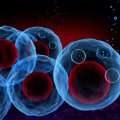
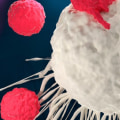
Stem cell therapies have emerged as a revolutionary approach in modern medicine, offering the potential to treat a wide array of conditions that were once deemed incurable. These therapies harness the unique properties of stem cells, which possess the remarkable ability to differentiate into various cell types and regenerate damaged tissues. As research continues to advance, the significance of stem cell therapies in regenerative medicine becomes increasingly evident, paving the way for innovative treatments that could transform patient care.Among the most exciting developments in this field is exosomal therapy, a cutting-edge technique that utilises exosomes—tiny vesicles secreted by cells that play a crucial role in intercellular communication. Exosomes are rich in proteins, lipids, and nucleic acids, making them powerful carriers of biological information.
This therapy aims to leverage the natural healing properties of exosomes to promote tissue repair and regeneration, offering a less invasive alternative to traditional stem cell treatments.The future of stem cell treatments, particularly through exosomal therapy, holds immense promise. As scientists delve deeper into understanding the mechanisms behind exosome function and their therapeutic potential, we may witness breakthroughs that enhance recovery from injuries, combat degenerative diseases, and improve overall health outcomes. This section will explore the foundational concepts of stem cell therapies and delve into the transformative potential of exosomal therapy, setting the stage for a comprehensive examination of their implications in regenerative medicine.
Understanding Stem Cells: Types and Functions
Stem cells are unique cells in the body with the remarkable ability to develop into many different cell types. They serve as a repair system for the body, capable of dividing and renewing themselves for long periods.Understanding the various types of stem cells and their functions is essential for comprehending how therapies, such as exosomal therapy, can leverage these properties for medical advancements.There are primarily two categories of stem cells: embryonic stem cells and adult stem cells .
Embryonic Stem Cells
Embryonic stem cells (ESCs) are derived from early-stage embryos, specifically from the blastocyst stage, which is about five days post-fertilisation. These cells are pluripotent, meaning they can differentiate into any cell type in the body, including neurons, muscle cells, and blood cells. This versatility makes them a focal point in regenerative medicine and research.The potential applications of ESCs are vast, ranging from treating degenerative diseases to repairing damaged tissues. However, their use raises ethical concerns regarding the source of these cells, leading to stringent regulations in many countries.Adult Stem Cells
In contrast, adult stem cells (ASCs), also known as somatic or tissue-specific stem cells, are found in various tissues throughout the body after development.Unlike ESCs, ASCs are typically multipotent, meaning they can only differentiate into a limited range of cell types related to their tissue of origin. For example, hematopoietic stem cells found in bone marrow can develop into various blood cells but cannot become nerve or muscle cells.ASCs play a crucial role in maintaining and repairing the tissues where they reside. They are involved in processes such as wound healing and tissue regeneration. Their more limited differentiation potential compared to ESCs makes them less controversial and more widely accepted for therapeutic use.Both types of stem cells have unique functions and applications in medicine.
As research progresses, understanding these fundamental differences will be vital for developing innovative therapies like exosomal therapy, which utilises the natural properties of stem cells to promote healing and regeneration.
What are Exosomes and Their Role in Stem Cell Therapy?
Exosomes are small extracellular vesicles, typically ranging from 30 to 150 nanometers in diameter, that are secreted by various cell types, including stem cells. These vesicles play a crucial role in intercellular communication, facilitating the transfer of proteins, lipids, and nucleic acids between cells. This process is vital for maintaining cellular homeostasis and regulating various physiological functions.In the context of stem cell therapy , exosomes derived from stem cells have garnered significant attention due to their potential therapeutic benefits. Unlike traditional stem cell treatments that involve the direct administration of live cells, exosomal therapy utilises these vesicles to deliver bioactive molecules that can modulate cellular responses and promote healing.The Role of Exosomes in Therapy
Exosomes serve as natural carriers of therapeutic agents, making them an attractive option for regenerative medicine.They can enhance tissue repair and regeneration by:
- Reducing Inflammation: Exosomes contain anti-inflammatory cytokines that can help mitigate inflammatory responses in damaged tissues.
- Promoting Cell Survival: The bioactive molecules within exosomes can protect recipient cells from apoptosis (programmed cell death), thereby enhancing cell viability.
- Stimulating Angiogenesis: Exosomes can promote the formation of new blood vessels, which is essential for supplying nutrients and oxygen to healing tissues.
- Modulating Immune Responses: They can influence immune cell behaviour, potentially reducing the risk of rejection in transplant scenarios.
Benefits of Exosomal Therapy
The advantages of exosomal therapy over traditional stem cell treatments are manifold:- Minimally Invasive: Exosomal therapy can often be administered through less invasive methods compared to direct stem cell injections.
- Lower Risk of Tumour Formation: Since exosomes do not involve live cells, there is a reduced risk of tumourigenesis associated with their use.
- Scalability: Exosome production can be standardised and scaled up more easily than stem cell cultures, making it a more feasible option for widespread clinical application.
- Enhanced Stability: Exosomes are more stable than live cells, allowing for easier storage and transport without significant loss of efficacy.
Current State of Stem Cell Therapies in the US
The landscape of stem cell therapies in the United States is both promising and complex, shaped significantly by regulatory frameworks and ongoing research. Currently, the only stem cell treatment that has received approval from theThe landscape of stem cell therapies in the United States is both promising and complex, shaped significantly by regulatory frameworks and ongoing research. Currently, the only stem cell treatment that has received approval from the U. S.Food and Drug Administration (FDA)
is hematopoietic stem cell transplantation, primarily used for patients suffering from various blood disorders and cancers. This treatment has been a cornerstone in the management of conditions such as leukaemia and lymphoma, demonstrating the potential of stem cells in regenerative medicine.Despite the advancements in this area, the FDA has established stringent regulations governing the use of stem cells in clinical settings. These regulations are designed to ensure patient safety and efficacy of treatments. The FDA categorises stem cell products based on their source and intended use, which influences the approval process.For instance, while some products derived from umbilical cord blood have been approved for specific applications, many other stem cell therapies remain unapproved due to insufficient evidence supporting their safety and effectiveness.Moreover, the regulatory environment has led to a proliferation of clinics offering unapproved stem cell treatments across the country. These clinics often market therapies that lack rigorous scientific validation, raising concerns about patient safety and ethical practices. The FDA has issued warnings against these practices, emphasising that patients should be cautious when considering treatments that are not backed by clinical trials or regulatory approval.In addition to hematopoietic stem cell transplantation, there are ongoing clinical trials exploring the potential of various other stem cell therapies. These include applications for neurodegenerative diseases, autoimmune disorders, and even certain types of injuries.
However, many of these therapies are still in experimental stages and have not yet received FDA approval.In summary, while there is a growing interest in stem cell therapies within the United States, significant challenges remain. The regulatory landscape is evolving, but it currently limits the availability of approved treatments. As research progresses and more data becomes available, it is hoped that additional therapies will gain FDA approval, paving the way for broader applications of stem cell technology in medicine.
The Rise of Exosomal Therapy: Research and Developments
Exosomal therapy has emerged as a groundbreaking approach in regenerative medicine, particularly within the realm of stem cell therapies. Recent research has highlighted the potential of exosomes—small extracellular vesicles secreted by cells—to facilitate intercellular communication and promote tissue repair.These vesicles are rich in proteins, lipids, and nucleic acids, making them ideal candidates for therapeutic applications.One of the most significant advancements in exosomal therapy research is the exploration of their role in modulating immune responses. Studies have shown that exosomes derived from mesenchymal stem cells (MSCs) can suppress inflammation and promote healing in various conditions, including autoimmune diseases and chronic inflammatory disorders. This immunomodulatory effect is particularly promising for patients who have not responded well to traditional therapies.In terms of recent developments , several clinical trials are currently underway to evaluate the safety and efficacy of exosomal therapies across a range of diseases. For instance, a notable trial is investigating the use of exosomes in treating cardiovascular diseases.
Preliminary results suggest that exosomal therapy may enhance cardiac function and reduce scar formation following myocardial infarction.Moreover, researchers are also examining the potential of exosomal therapy in neurodegenerative diseases such as Alzheimer’s and Parkinson’s. A recent study demonstrated that exosomes could deliver therapeutic agents directly to affected neurons, thereby improving cognitive function and reducing neuroinflammation.As we look towards the future, the landscape of clinical trials involving exosomal therapy is expanding rapidly. Regulatory bodies are beginning to recognise the potential of these therapies, leading to increased funding and support for research initiatives. The ongoing trials aim not only to establish safety profiles but also to determine optimal dosing regimens and delivery methods.In conclusion, the rise of exosomal therapy represents a significant shift in how we approach treatment for various diseases.
With ongoing research and clinical trials paving the way for new therapeutic options, exosomal therapy holds great promise for enhancing patient outcomes in regenerative medicine.
Potential Applications of Exosomal Therapy in Medicine
Exosomal therapy is emerging as a groundbreaking approach in the realm of regenerative medicine, with the potential to transform treatment paradigms across various medical fields. Exosomes, which are nano-sized extracellular vesicles secreted by cells, play a crucial role in intercellular communication and have been identified as key players in mediating the therapeutic effects of stem cells. Their ability to carry proteins, lipids, and RNA makes them a promising vehicle for targeted therapy.One of the most exciting applications of exosomal therapy lies in the treatment of neurodegenerative diseases. Conditions such as Alzheimer’s disease and Parkinson’s disease are characterised by progressive neuronal loss and inflammation.Research indicates that exosomes derived from stem cells can promote neuroprotection, reduce inflammation, and even facilitate neuronal regeneration. For instance, studies have shown that exosomes can enhance synaptic function and promote the survival of neurons under stress conditions, potentially slowing disease progression.In addition to neurodegenerative disorders, exosomal therapy shows promise in addressing cardiovascular diseases. Heart attacks and chronic heart failure often lead to irreversible damage to cardiac tissue. Exosomes derived from cardiac stem cells have been found to improve cardiac function by promoting angiogenesis (the formation of new blood vessels) and reducing fibrosis (the thickening and scarring of connective tissue).
This regenerative capability could significantly enhance recovery outcomes for patients suffering from heart-related ailments.Furthermore, exosomal therapy is being explored for its potential in treating autoimmune diseases. Conditions such as rheumatoid arthritis and multiple sclerosis involve dysregulation of the immune system, leading to tissue damage. Exosomes can modulate immune responses by delivering anti-inflammatory signals or regulatory molecules that help restore balance within the immune system. This targeted approach could offer a more effective treatment strategy with fewer side effects compared to traditional immunosuppressive therapies.Another area where exosomal therapy is gaining traction is in oncology.
Tumour-derived exosomes can provide insights into cancer progression and metastasis. Conversely, exosomes engineered to carry therapeutic agents can be used to target cancer cells specifically, minimising damage to healthy tissues. This precision medicine approach could revolutionise cancer treatment by enhancing the efficacy of existing therapies while reducing adverse effects.In summary, the potential applications of exosomal therapy span a wide array of medical conditions, including neurodegenerative diseases, cardiovascular issues, autoimmune disorders, and cancer. As research continues to unfold, exosomal therapy may not only enhance our understanding of disease mechanisms but also pave the way for innovative treatment strategies that harness the body’s natural healing processes.
Challenges and Ethical Considerations in Exosomal Therapy
As the field of exosomal therapy continues to evolve, it faces a myriad of challenges and ethical considerations that must be addressed to ensure its safe and effective application in clinical settings.These challenges can be broadly categorised into regulatory hurdles, public perception, and ethical dilemmas.
Regulatory Hurdles
One of the primary challenges in advancing exosomal therapy is navigating the complex regulatory landscape. In the United States, the Food and Drug Administration (FDA) plays a crucial role in overseeing the approval of new therapies. However, exosomes, being naturally occurring vesicles derived from cells, often fall into a grey area regarding classification. This ambiguity can lead to delays in clinical trials and product approvals.Researchers must provide extensive data on the safety and efficacy of exosomal therapies, which can be resource-intensive.Additionally, the lack of standardisation in exosome isolation and characterisation techniques complicates the regulatory process. Without clear guidelines, researchers may struggle to meet the FDA's requirements, hindering progress in this promising area of medicine.
Public Perception
The public's understanding of stem cell research and therapies significantly influences their acceptance. Exosomal therapy, while less controversial than some other stem cell applications, still faces skepticism. Misconceptions about stem cell research can lead to fear and resistance among potential patients and their families.Effective communication is essential to bridge this gap.Researchers and healthcare providers must engage with the public to educate them about the benefits and risks associated with exosomal therapy. Transparency regarding research findings and clinical trial outcomes can help build trust and foster a more informed dialogue.
Ethical Dilemmas
Ethical considerations are paramount in any form of medical research, particularly when it involves human subjects. In the context of exosomal therapy, several ethical dilemmas arise:- Informed Consent: Ensuring that patients fully understand the nature of exosomal therapy, including potential risks and benefits, is critical for ethical practice.
- Source of Exosomes: The origin of exosomes—whether derived from healthy or diseased tissues—raises questions about consent and the implications for donor health.
- Equity in Access: As with many advanced therapies, there is a risk that exosomal treatments may only be accessible to those who can afford them, exacerbating existing health disparities.
By doing so, we can pave the way for responsible innovation in this exciting field of medicine.
Future Prospects: The Next Decade for Exosomal Therapy in the US
The next decade promises to be a transformative period for exosomal therapy in the United States, particularly as advancements in regenerative medicine continue to evolve. Exosomes, which are nano-sized extracellular vesicles secreted by cells, have garnered significant attention due to their role in intercellular communication and potential therapeutic applications. As research progresses, we can anticipate several key developments that will shape the future of exosomal therapy.One of the most exciting prospects is the enhancement of exosome isolation and characterization techniques. Current methods can be time-consuming and may not yield pure exosomal populations.Innovations in microfluidics and nanotechnology are expected to streamline these processes, allowing for more efficient extraction and analysis of exosomes. This will not only improve the quality of exosomal preparations but also facilitate large-scale production for clinical applications.Furthermore, as our understanding of the molecular mechanisms underlying exosome function deepens, we can expect targeted therapies that leverage exosomes to deliver specific biomolecules, such as RNA or proteins, directly to diseased cells. This precision medicine approach could revolutionise treatment protocols for various conditions, including cancer, neurodegenerative diseases, and cardiovascular disorders.In addition to technological advancements, regulatory frameworks surrounding exosomal therapies are likely to evolve. The FDA is expected to establish clearer guidelines for the clinical use of exosomes, which will encourage more research and development in this area.
As safety and efficacy data accumulate from ongoing clinical trials, we may see an increase in approved therapies that utilise exosomes as a delivery mechanism or therapeutic agent.Moreover, collaborations between academic institutions, biotech companies, and healthcare providers will play a crucial role in advancing exosomal therapy. These partnerships can foster innovation by combining expertise in various fields such as molecular biology, engineering, and clinical practice. Such interdisciplinary approaches are essential for translating laboratory findings into viable treatments.Finally, public awareness and acceptance of exosomal therapies are likely to grow as more success stories emerge from clinical trials. Increased education about the benefits and potential of these therapies will be vital in shaping patient expectations and encouraging participation in clinical studies.In summary, the future of exosomal therapy in the US is poised for significant advancements over the next decade.
With improved isolation techniques, targeted delivery systems, evolving regulatory landscapes, collaborative efforts across sectors, and heightened public awareness, exosomal therapy could become a cornerstone of regenerative medicine and a game-changer in treating various diseases.
Conclusion: The Path Forward for Stem Cell Therapies and Exosomes
As we look towards the future of stem cell therapies in the United States, it is clear that the integration of exosomal therapy represents a significant advancement in regenerative medicine. Throughout this discussion, we have explored the current landscape of stem cell treatments, the regulatory challenges posed by the FDA, and the promising potential of exosomes derived from stem cells.The key takeaway is that while traditional stem cell therapies have made strides, particularly in areas such as blood disorders and certain degenerative diseases, the emergence of exosomal therapy offers a new frontier. Exosomes, which are nano-sized vesicles secreted by cells, play a crucial role in intercellular communication and have been shown to carry proteins, lipids, and RNA that can influence cellular behaviour. This unique property positions exosomes as powerful agents in promoting healing and regeneration.Moreover, ongoing research into exosomal therapy is vital for several reasons:- Enhanced Efficacy: Exosomes can enhance the therapeutic effects of stem cells by delivering bioactive molecules directly to target cells, potentially improving treatment outcomes.
- Reduced Side Effects: As acellular products, exosomes may present fewer risks of immune rejection compared to whole stem cell therapies.
- Broader Applications: The versatility of exosomes opens doors to treating a wider range of conditions, from neurodegenerative diseases to cardiovascular issues.
The regulatory framework surrounding exosomal therapies is still evolving, and rigorous clinical trials are necessary to establish safety and efficacy. Collaboration between researchers, clinicians, and regulatory bodies will be crucial in navigating these challenges.In conclusion, the path forward for stem cell therapies in the US is promising, particularly with the incorporation of exosomal therapy. Continued investment in research and development will not only enhance our understanding of these innovative treatments but also pave the way for their integration into mainstream medical practice. As we advance, it is imperative that we remain committed to ethical standards and patient safety while exploring the full potential of these groundbreaking therapies.