In the quest for youthful and radiant skin, the field of aesthetic medicine has witnessed a remarkable evolution in skin rejuvenation techniques. As individuals increasingly seek effective solutions to combat the visible signs of aging, the integration of various treatment modalities has emerged as a powerful strategy. Among these, polynucleotide therapy and Botox treatments stand out for their unique mechanisms and complementary benefits. Understanding how these treatments work individually and in tandem is essential for anyone looking to enhance their skin's appearance.Polynucleotide therapy, derived from natural sources, focuses on cellular regeneration and skin health.
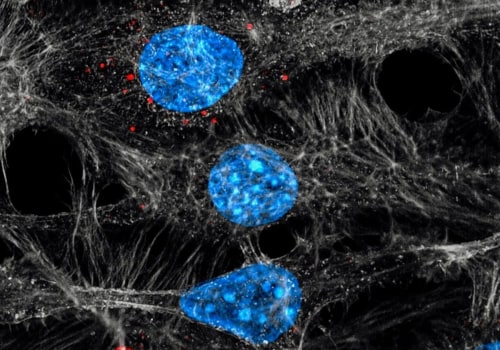
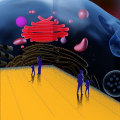
It promotes hydration, improves skin texture, and stimulates collagen production, addressing the underlying causes of skin aging. On the other hand, Botox is renowned for its ability to temporarily relax facial muscles, effectively smoothing out dynamic wrinkles caused by repetitive facial expressions. While each treatment offers significant advantages on its own, their combination can lead to a more comprehensive approach to skin rejuvenation.Moreover, the emerging role of exosomal therapy adds another layer of sophistication to this rejuvenation landscape. Exosomes are tiny vesicles that facilitate intercellular communication and play a crucial role in tissue repair and regeneration.
By harnessing the power of exosomes alongside polynucleotide and Botox treatments, practitioners can enhance the overall efficacy of skin rejuvenation protocols. This synergy not only addresses immediate aesthetic concerns but also promotes long-term skin health at a cellular level.As we delve deeper into the intricacies of these treatments, it becomes clear that a multifaceted approach is key to achieving optimal results. The combination of polynucleotide therapy, Botox, and exosomal therapy represents a holistic strategy that not only targets visible signs of aging but also nurtures the skin from within. This article will explore each treatment in detail, highlighting their individual benefits and the transformative potential they hold when used together.
Understanding Polynucleotide Therapy
Polynucleotide therapy is an innovative approach in aesthetic medicine that harnesses the power of nucleic acids to promote skin rejuvenation and overall health.At its core, this therapy utilises polynucleotides, which are long chains of nucleotides that play a crucial role in cellular functions. These molecules are naturally occurring in the body and are essential for various biological processes, including DNA and RNA synthesis.One of the primary mechanisms through which polynucleotides exert their effects is by enhancing cellular regeneration. When applied to the skin, they stimulate fibroblast activity, which is vital for collagen and elastin production. This process not only helps to improve skin elasticity but also aids in the repair of damaged tissues, leading to a more youthful appearance.
Benefits of Polynucleotide Therapy
- Improved Skin Hydration: Polynucleotides have a unique ability to retain moisture within the skin, significantly enhancing hydration levels.
This is particularly beneficial for individuals with dry or dehydrated skin.
- Enhanced Skin Texture: By promoting cellular turnover and regeneration, polynucleotide therapy can lead to smoother skin texture, reducing the appearance of fine lines and rough patches.
- Reduction of Inflammation: Polynucleotides possess anti-inflammatory properties that can help soothe irritated skin, making them an excellent option for those with sensitive or reactive skin types.
- Long-lasting Results: Unlike some treatments that provide only temporary effects, polynucleotide therapy encourages ongoing cellular activity, resulting in sustained improvements over time.
As part of a comprehensive skincare regimen, especially when combined with other treatments like Botox, polynucleotide therapy can offer remarkable results for those seeking rejuvenation and vitality in their skin.
The Mechanism of Botox in Aesthetic Treatments
Botox, a well-known injectable treatment, has revolutionised the field of aesthetic medicine by offering a non-surgical solution to combat the visible signs of ageing. The primary mechanism through which Botox operates is by temporarily inhibiting the activity of specific muscles responsible for dynamic wrinkles. These are the lines that form as a result of facial expressions, such as frowning, smiling, or squinting.When Botox is injected into targeted muscles, it blocks the release of acetylcholine, a neurotransmitter that signals muscle contraction. This inhibition leads to a reduction in muscle activity, effectively smoothing out the overlying skin and diminishing the appearance of wrinkles.The results are typically noticeable within a few days and can last for three to six months, depending on individual factors such as metabolism and the area treated.One of the most significant benefits of Botox is its ability to provide immediate results. Patients often leave their treatment sessions with visibly smoother skin, which can enhance their overall appearance and boost self-confidence. Furthermore, regular Botox treatments can lead to a cumulative effect; as muscle activity is consistently reduced, the formation of new wrinkles may be delayed.In addition to its immediate cosmetic benefits, Botox plays a crucial role in a comprehensive anti-aging strategy. By addressing dynamic wrinkles early on, patients can prevent deeper lines from forming over time.
This proactive approach not only enhances aesthetic outcomes but also contributes to healthier skin in the long run.Moreover, Botox is versatile and can be used in various areas of the face, including:
- Forehead lines: Smooths horizontal lines that develop from raising eyebrows.
- Crow's feet: Reduces fine lines around the eyes caused by smiling or squinting.
- Frown lines: Softens vertical lines between the eyebrows that can create an angry or tired appearance.
The Synergistic Effects of Combining Polynucleotide and Botox Treatments
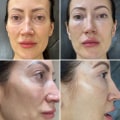
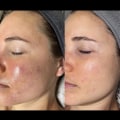
The combination of polynucleotide therapy and Botox represents a groundbreaking approach to skin rejuvenation, harnessing the unique benefits of each treatment to achieve remarkable results. While Botox is renowned for its ability to temporarily paralyse facial muscles, thereby smoothing out dynamic wrinkles, polynucleotides work at a deeper level, promoting cellular regeneration and enhancing skin quality.One of the most significant advantages of this synergistic approach is the ability to address both immediate and long-term skin concerns. Botox provides quick results, often visible within days, making it an ideal choice for those seeking rapid improvements in their appearance.In contrast, polynucleotide therapy gradually enhances skin texture, hydration, and elasticity over time, leading to sustained rejuvenation.Numerous case studies illustrate the effectiveness of combining these treatments. For instance, a 45-year-old woman seeking to reduce the appearance of crow's feet and improve overall skin texture underwent a series of combined treatments. After her initial Botox session, which effectively softened her wrinkles, she received polynucleotide injections that revitalised her skin from within. The outcome was not only a reduction in fine lines but also a noticeable improvement in skin tone and hydration, resulting in a more youthful appearance.Another compelling testimonial comes from a 50-year-old man who had been struggling with sagging skin and deep furrows on his forehead.
Following a comprehensive treatment plan that included both Botox and polynucleotides, he reported feeling more confident and satisfied with his appearance. The combination not only smoothed out his wrinkles but also restored firmness and vitality to his skin.These success stories highlight the potential of combining polynucleotide therapy with Botox to create a holistic approach to skin rejuvenation. By leveraging the immediate effects of Botox alongside the long-term benefits of polynucleotides, patients can achieve a more comprehensive transformation that addresses multiple aspects of aging.In conclusion, the synergistic effects of combining these two treatments offer an innovative solution for those looking to enhance their skin's appearance. As aesthetic medicine continues to evolve, this powerful combination stands out as a promising option for achieving lasting results.
The Role of Exosomal Therapy in Enhancing Treatment Outcomes
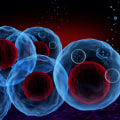
Exosomal therapy has emerged as a groundbreaking advancement in the field of aesthetic medicine, particularly when combined with treatments like polynucleotide injections and Botox.Exosomes are tiny extracellular vesicles secreted by cells, playing a crucial role in intercellular communication. They are rich in proteins, lipids, and genetic material, which can significantly influence cellular behaviour and promote healing processes.One of the primary benefits of exosomal therapy is its ability to enhance the regenerative properties of skin treatments. When applied in conjunction with polynucleotide therapy, exosomes can amplify the effects of cellular rejuvenation. Polynucleotides work to stimulate collagen production and improve skin hydration, while exosomes facilitate the delivery of growth factors and other bioactive molecules directly to target cells.
This synergistic effect not only accelerates skin healing but also improves overall skin texture and elasticity.Moreover, exosomes have been shown to possess anti-inflammatory properties, which can be particularly beneficial following Botox injections. Botox temporarily paralyzes muscles to reduce the appearance of dynamic wrinkles; however, this can sometimes lead to localized inflammation. The application of exosomal therapy post-Botox can help mitigate this inflammation, promoting a smoother recovery and enhancing the overall aesthetic outcome.Recent studies have highlighted the potential of exosomes in skin treatment, demonstrating their effectiveness in reducing fine lines, wrinkles, and pigmentation issues. For instance, research indicates that exosomes derived from stem cells can significantly improve skin rejuvenation outcomes by promoting cellular repair and regeneration.
This is particularly relevant for individuals seeking comprehensive anti-aging solutions.In summary, the integration of exosomal therapy into aesthetic treatments like polynucleotide injections and Botox offers a multifaceted approach to skin rejuvenation. By harnessing the power of exosomes, practitioners can enhance treatment efficacy, reduce recovery times, and achieve more natural-looking results. As research continues to evolve in this area, it is clear that exosomal therapy will play an increasingly vital role in the future of aesthetic medicine.
Potential Risks and Considerations When Combining Treatments
While the combination of polynucleotide therapy and Botox can yield remarkable results in skin rejuvenation, it is essential to consider the potential risks and safety considerations associated with these treatments. Understanding these factors can help patients make informed decisions and ensure a smoother treatment experience.Risks of Combining Treatments
- Increased Sensitivity: The use of both treatments may heighten skin sensitivity.
Patients may experience redness, swelling, or irritation at the injection sites. It is crucial to monitor these reactions closely and consult with a practitioner if they persist.
- Allergic Reactions: Although rare, some individuals may have allergic reactions to either polynucleotides or Botox. Symptoms can range from mild itching to severe anaphylaxis. A thorough medical history should be reviewed to identify any potential allergies.
- Infection Risk: As with any injectable treatment, there is a risk of infection.
Proper sterilisation techniques and aftercare are vital to minimise this risk. Patients should be advised on how to care for their skin post-treatment.
Safety Considerations
- Consultation with a Qualified Practitioner: Before undergoing treatment, patients should have a comprehensive consultation with a qualified aesthetic practitioner. This discussion should include medical history, current medications, and any previous cosmetic procedures.
- Timing of Treatments: The timing between the two treatments can significantly impact results and safety. Practitioners often recommend spacing out the procedures to allow the skin to recover adequately from one before introducing another.
- Individual Skin Type: Each patient’s skin type and condition can influence how they respond to treatments.
Personalised assessments are crucial for determining the best approach for combining polynucleotide therapy and Botox.
Side Effects of Polynucleotides and Botox
- Polynucleotides: Common side effects include temporary swelling, bruising, or tenderness at the injection site. These effects typically resolve within a few days.
- Botox: Side effects may include headache, nausea, or drooping eyelids in some cases. These symptoms are usually transient but should be discussed with a practitioner if they occur.
Patient Testimonials: Real-Life Experiences with Combined Treatments
Patient testimonials provide invaluable insights into the effectiveness of combined polynucleotide and Botox treatments.Many individuals have shared their transformative experiences, highlighting not only the aesthetic improvements but also the boost in confidence that accompanies such changes.
Emma, 42
, a marketing executive, described her journey as life-changing. "I had always been self-conscious about the fine lines around my eyes and mouth. After my first session of Botox, I noticed a significant reduction in those lines. However, it was the addition of polynucleotide therapy that truly revitalised my skin.
My complexion became more radiant, and I felt like I had regained years of youthfulness. The combination worked wonders!"
James, 35
, a fitness trainer, shared his experience with skin texture issues. "I was sceptical at first about combining treatments. However, after seeing the results on my friend, I decided to give it a try.
The Botox helped with my forehead lines, but it was the polynucleotides that improved my skin's overall texture and hydration. I now feel more confident without makeup, which is something I never thought I would say!"Another patient, Linda, 50 , expressed her satisfaction with the long-term effects of the treatments. "I had been considering cosmetic procedures for years but was hesitant due to fear of looking unnatural. The combination of polynucleotide therapy and Botox provided subtle yet effective results.
My friends have commented on how refreshed I look without being able to pinpoint what has changed. It’s reassuring to know that I can achieve a youthful appearance while still looking like myself."These testimonials reflect a common theme: patients appreciate the synergistic effects of combining these two treatments. The immediate smoothing effect of Botox paired with the regenerative properties of polynucleotides creates a comprehensive approach to skin rejuvenation.Moreover, many patients report minimal downtime and side effects, making this combination an appealing option for those with busy lifestyles. As Sarah, 38 , noted, "I was back to my normal routine within days! The results were worth every minute spent in the clinic." This highlights how effective treatment can seamlessly integrate into everyday life.In conclusion, real-life experiences underscore the potential of combining polynucleotide and Botox treatments for comprehensive skin rejuvenation.
Patients not only achieve visible improvements but also enjoy enhanced self-esteem and satisfaction with their appearance.
Frequently Asked Questions about Polynucleotide and Botox Treatments
As patients explore the benefits of polynucleotide and Botox treatments, several common questions arise. This section aims to address these queries, providing clarity and insight into both therapies and their combined use.What is polynucleotide therapy?
Polynucleotide therapy involves the use of naturally occurring nucleotides that play a crucial role in cellular repair and regeneration. These nucleotides help to enhance skin hydration, improve elasticity, and promote overall skin health. By stimulating the body’s natural healing processes, polynucleotides can significantly rejuvenate the skin.How does Botox work?
Botox, or botulinum toxin, is a neurotoxin that temporarily paralyzes specific muscles to reduce the appearance of dynamic wrinkles.It works by blocking nerve signals to the muscles, preventing them from contracting. This results in a smoother appearance of the skin, particularly in areas such as the forehead and around the eyes.
Can polynucleotide therapy be combined with Botox?
Yes, combining polynucleotide therapy with Botox can yield remarkable results. While Botox addresses the immediate signs of aging by smoothing out wrinkles, polynucleotides work at a deeper level to improve skin texture and hydration. This combination not only enhances the aesthetic outcome but also promotes long-term skin health.What are the benefits of combining these treatments?
- Comprehensive rejuvenation: The combination targets both surface-level wrinkles and underlying skin health.
- Enhanced results: Patients often experience improved skin tone and texture alongside reduced wrinkle visibility.
- Long-lasting effects: The synergistic effect can prolong the benefits of both treatments.
Are there any side effects?
Both treatments are generally safe when administered by qualified professionals.However, some patients may experience mild side effects such as swelling or bruising at injection sites. It is essential to discuss any concerns with your practitioner prior to treatment.
What is exosomal therapy?
Exosomal therapy is an emerging field that utilises exosomes—tiny vesicles released by cells—to facilitate communication between cells and promote healing. When combined with polynucleotide and Botox treatments, exosomal therapy can further enhance skin rejuvenation by delivering growth factors and proteins that support cellular repair.This comprehensive approach not only addresses visible signs of aging but also fosters a healthier skin environment for lasting results.Conclusion: The Future of Skin Rejuvenation with Combined Therapies
In conclusion, the integration of polynucleotide therapy with Botox represents a significant advancement in the realm of skin rejuvenation. This combination not only addresses the visible signs of aging but also enhances the overall health and vitality of the skin.By leveraging the unique properties of both treatments, patients can experience a more comprehensive approach to aesthetic enhancement.
Polynucleotide therapy
plays a crucial role in revitalising skin at a cellular level. It promotes cellular regeneration, improves hydration, and enhances skin texture, making it an ideal complement to Botox, which effectively reduces the appearance of dynamic wrinkles caused by muscle contractions. Together, these therapies create a synergistic effect that maximises results and prolongs the benefits of each treatment.Moreover, as we look towards the future of aesthetic medicine, exosomal therapy emerges as a promising frontier. This innovative approach harnesses the power of exosomes—tiny vesicles that facilitate intercellular communication and promote healing.
By incorporating exosomal therapy into treatment protocols, practitioners can potentially enhance the regenerative effects of polynucleotides and further optimise outcomes for patients seeking youthful, radiant skin.The combination of polynucleotide therapy and Botox not only addresses immediate cosmetic concerns but also lays the groundwork for long-term skin health. As research continues to evolve, we anticipate that these combined therapies will become increasingly refined, offering even more effective solutions for various skin conditions.Ultimately, embracing a multifaceted approach to skin rejuvenation allows for tailored treatments that meet individual needs. As patients become more informed about their options, the demand for comprehensive solutions will likely grow. The future of aesthetic medicine is bright, with combined therapies paving the way for enhanced results and improved patient satisfaction.