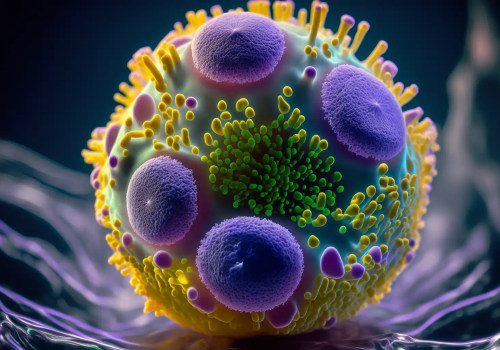
Exosomes are fascinating microscopic structures that play a crucial role in cellular communication. To put it simply, they are tiny vesicles, typically ranging from 30 to 150 nanometres in diameter, that are released by various types of cells into the surrounding environment. These vesicles are encased in a lipid bilayer, similar to a bubble, and carry a complex cargo of proteins, lipids, and genetic material such as RNA and DNA. This unique composition allows exosomes to act as messengers, facilitating communication between cells and influencing various biological processes.Imagine your body as a bustling city where each cell is a resident with important information to share.
In this analogy, exosomes serve as the postal service, delivering messages from one cell to another. They can transport vital signals that help regulate immune responses, promote tissue repair, and even influence the behaviour of neighbouring cells. This ability to communicate effectively makes exosomes an area of intense research interest, particularly in the context of exosomal therapy, which explores their potential for treating various diseases.The journey of an exosome begins within the cell itself. They are formed through a process known as biogenesis, where endosomes—compartments within the cell—mature into multivesicular bodies (MVBs).
These MVBs then fuse with the cell's outer membrane, releasing exosomes into the extracellular space. Once outside the cell, exosomes can be taken up by other cells, allowing them to deliver their cargo and exert their effects. This mechanism not only highlights their role in intercellular communication but also underscores their potential as therapeutic agents.As research continues to unfold, scientists are uncovering more about how exosomes function and their implications for health and disease. Their ability to carry specific molecular signatures makes them promising candidates for non-invasive diagnostic tools and targeted therapies.
Understanding what exosomes are and how they operate is essential for grasping their significance in modern medicine and the exciting possibilities they hold for future treatments.
The Science Behind Exosomes
Exosomes are fascinating entities that play a crucial role in cellular communication and the transfer of molecular information between cells. Understanding how exosomes are formed, or their biogenesis , is essential for appreciating their function in health and disease.The formation of exosomes begins within the cell, specifically in a compartment known as the endosome. When a cell internalises material from its environment, it forms early endosomes. These early endosomes can mature into late endosomes, which then develop into multivesicular bodies (MVBs).MVBs are key players in exosome biogenesis; they contain numerous intraluminal vesicles (ILVs) that bud off from the endosomal membrane.Once the MVBs are formed, they can either fuse with lysosomes for degradation or merge with the plasma membrane of the cell. This fusion process releases the ILVs into the extracellular space, transforming them into exosomes. Typically, exosomes range from 30 to 150 nanometers in diameter and are enveloped by a lipid bilayer, which protects their cargo as they travel through bodily fluids.The cargo of exosomes is diverse and includes proteins, lipids, mRNA, microRNA (miRNA), and even DNA fragments. This complex composition is derived from the parent cell and reflects its physiological state.
For instance, cancer cells may release exosomes containing specific proteins that promote tumour growth or metastasis, while stem cells might release factors that encourage tissue repair.Exosomes serve as vital messengers in cellular communication. They facilitate intercellular communication by transferring bioactive molecules to neighbouring or distant cells. This process can influence various biological activities such as immune responses, inflammation, and tissue regeneration. For example, when immune cells release exosomes containing cytokines, they can modulate the activity of other immune cells, enhancing or suppressing immune responses as needed.Moreover, the selective uptake of exosomes by target cells is a critical aspect of their function.
Cells have specific receptors that recognise and bind to particular exosomal markers, allowing for targeted delivery of their contents. This specificity not only enhances communication between cells but also opens avenues for therapeutic applications, such as using engineered exosomes to deliver drugs or genetic material to specific tissues.In summary, the science behind exosomes encompasses their intricate formation process and their pivotal role in cellular communication. As research continues to unveil the complexities of exosome biology, their potential in therapeutic contexts becomes increasingly promising.
Exosomal Therapy: An Overview
Exosomal therapy
is an innovative approach in the field of regenerative medicine that utilises exosomes—tiny vesicles secreted by cells—to facilitate communication and transport therapeutic agents between cells. These vesicles are rich in proteins, lipids, and nucleic acids, making them ideal candidates for delivering targeted treatments.
By harnessing the natural properties of exosomes, researchers aim to develop therapies that can effectively treat a variety of diseases.One of the primary benefits of exosomal therapy is its ability to promote healing and regeneration in damaged tissues. Exosomes can carry growth factors and other bioactive molecules that stimulate cellular repair processes. This makes them particularly promising for conditions such as cardiovascular diseases, neurodegenerative disorders, and even certain types of cancer. Additionally, because exosomes are derived from the patient’s own cells or from stem cells, they are less likely to provoke an immune response, enhancing their safety profile.Moreover, exosomal therapy offers a non-invasive alternative to traditional treatment methods.
For instance, instead of requiring surgical interventions or systemic drug administration—which can lead to side effects—exosomes can be administered through simple injections or infusions. This targeted delivery system not only minimises potential side effects but also maximises therapeutic efficacy.The applications of exosomal therapy are vast and varied. In oncology, for example, exosomes can be engineered to deliver chemotherapeutic agents directly to tumour cells, thereby increasing the concentration of the drug at the site of action while reducing systemic exposure. In regenerative medicine, exosomes derived from stem cells have shown promise in promoting tissue repair in conditions like myocardial infarction and spinal cord injuries.Furthermore, ongoing research is exploring the use of exosomal therapy in treating autoimmune diseases and inflammatory conditions by modulating immune responses.
As our understanding of exosome biology deepens, it is likely that new applications will continue to emerge, potentially revolutionising how we approach treatment across various medical fields.
How Exosomal Therapy Works
Exosomal therapy represents a groundbreaking approach in the field of regenerative medicine and targeted drug delivery. At its core, this therapy utilises exosomes, which are nanoscale vesicles secreted by various cell types, to transport therapeutic agents directly to target cells. Understanding the mechanisms behind exosomal therapy is crucial for appreciating its potential applications.One of the primary mechanisms of exosomal therapy is the natural ability of exosomes to facilitate intercellular communication. When cells release exosomes, these vesicles carry a complex cargo that includes proteins, lipids, and nucleic acids such as mRNA and microRNA.This cargo can influence the behaviour of recipient cells, promoting processes such as regeneration, repair, and even apoptosis in diseased cells.Exosomes are formed through a process known as biogenesis , where they originate from endosomal compartments within the cell. These endosomes can bud off to create multivesicular bodies (MVBs), which then fuse with the plasma membrane to release exosomes into the extracellular space. This natural pathway not only ensures that exosomes are biocompatible but also allows them to evade the immune system, making them ideal candidates for therapeutic delivery.In terms of delivery methods , exosomal therapy can be administered in several ways:
- Direct Injection: Exosomes can be injected directly into the target tissue, allowing for localised treatment. This method is particularly useful in conditions such as cancer or tissue injury.
- Intravenous Administration: For systemic effects, exosomes can be delivered via intravenous injection.
This method enables the therapeutic agents to circulate throughout the body and reach distant sites.
- Inhalation: In cases involving respiratory diseases, exosomes can be formulated for inhalation, targeting lung tissues directly.
Potential Benefits of Exosomal Therapy
Exosomal therapy is emerging as a revolutionary approach in the field of medicine, offering a range of potential benefits that make it an attractive option for various therapeutic applications.One of the most significant advantages of exosomal therapy is its non-invasive nature. Unlike traditional methods that may require surgical procedures or extensive interventions, exosomal therapy can often be administered through simple injections or infusions, minimising discomfort and recovery time for patients.Another key benefit is the targeted delivery capability of exosomes. These tiny vesicles are naturally designed to transport biological molecules between cells, which allows them to deliver therapeutic agents directly to the intended target cells. This specificity reduces the risk of side effects commonly associated with systemic drug administration, as the treatment can focus on affected areas without impacting healthy tissues.Moreover, exosomes possess a unique ability to cross biological barriers, such as the blood-brain barrier, which has historically posed challenges for drug delivery in treating neurological conditions.
This characteristic opens up new avenues for therapies aimed at diseases like Alzheimer’s and Parkinson’s, where effective treatment options have been limited.Additionally, exosomes can carry a diverse array of biomolecules, including proteins, lipids, and nucleic acids. This versatility allows for the potential development of combination therapies , where multiple therapeutic agents can be encapsulated within a single exosome. Such an approach could enhance treatment efficacy and provide synergistic effects that improve patient outcomes.Furthermore, exosomal therapy is being explored for its role in regenerative medicine. Exosomes derived from stem cells have shown promise in promoting tissue repair and regeneration by delivering growth factors and other bioactive molecules that stimulate healing processes.
This aspect is particularly relevant in fields such as orthopaedics and cardiology, where tissue damage can significantly impact patient quality of life.In summary, the potential benefits of exosomal therapy are vast and varied. From its non-invasive administration to its targeted delivery capabilities and regenerative properties, exosomal therapy represents a promising frontier in modern medicine that could transform how we approach treatment for a wide range of diseases.
Current Research and Developments in Exosomal Therapy
Recent advancements in exosomal therapy have opened new avenues for treating various diseases, particularly in the fields of oncology, neurology, and regenerative medicine. Researchers are increasingly recognising the potential of exosomes as therapeutic agents due to their ability to carry bioactive molecules, including proteins, lipids, and nucleic acids, which can influence cellular behaviour.One of the most promising areas of research involves the use of exosomes derived from stem cells. These exosomes have shown significant potential in promoting tissue repair and regeneration.For instance, studies have demonstrated that stem cell-derived exosomes can enhance wound healing and reduce inflammation in various models. This has led to ongoing clinical trials aimed at evaluating their efficacy in treating chronic wounds and other inflammatory conditions.In the realm of cancer treatment, exosomal therapy is being explored as a method for targeted drug delivery. Researchers are investigating how exosomes can be engineered to carry chemotherapeutic agents directly to tumour cells, minimising side effects and improving treatment outcomes. Recent studies have shown that exosomes can cross biological barriers, such as the blood-brain barrier, making them particularly valuable for treating brain cancers where traditional therapies often fail.Moreover, advancements in exosomal engineering are allowing scientists to modify the cargo of exosomes to enhance their therapeutic properties.
Techniques such as genetic modification and surface modification are being employed to improve the targeting capabilities of exosomes. This tailored approach not only increases the specificity of treatment but also reduces potential off-target effects.The future of exosomal therapy looks promising as researchers continue to uncover the mechanisms behind exosome biogenesis and their interactions with recipient cells. Ongoing studies aim to standardise methods for isolating and characterising exosomes, which is crucial for their clinical application. As our understanding deepens, it is likely that we will see a surge in clinical applications of exosomal therapies across various medical fields.In conclusion, the landscape of exosomal therapy is rapidly evolving, with significant research efforts focused on harnessing the unique properties of exosomes for therapeutic purposes.
As these advancements continue to unfold, they hold the potential to revolutionise treatment paradigms for numerous diseases.
Challenges and Limitations of Exosomal Therapy
While exosomal therapy holds great promise for various medical applications, it is not without its challenges and limitations. Understanding these hurdles is crucial for researchers and clinicians aiming to harness the full potential of exosomes in therapeutic contexts.1.Isolation and Purification
One of the primary challenges in exosomal therapy is the isolation and purification of exosomes from biological fluids. Current methods, such as ultracentrifugation, can be time-consuming and may not yield pure populations of exosomes. Contaminants from other extracellular vesicles or proteins can affect the therapeutic efficacy and safety of exosomal preparations.
2.Standardisation and Characterisation
The lack of standardised protocols for the characterisation of exosomes presents another significant barrier.
Variability in size, content, and surface markers can lead to inconsistent results across studies. This inconsistency complicates the translation of research findings into clinical practice, as it becomes challenging to determine the optimal conditions for exosomal therapy.
3.Delivery Mechanisms
Effective delivery of exosomes to target tissues remains a critical issue. While exosomes have natural targeting capabilities, their biodistribution can be unpredictable. Factors such as the route of administration, the presence of biological barriers (like the blood-brain barrier), and the physiological state of the recipient can all influence how well exosomes reach their intended destination.
4.Immunogenicity
Another concern is the potential immunogenicity of exosomes derived from different cell types.
The immune system may recognise foreign exosomes as threats, leading to adverse reactions that could negate their therapeutic benefits. This risk necessitates careful consideration when selecting the source of exosomes for therapy.
5.Limited Understanding of Mechanisms
The mechanisms by which exosomes exert their effects are still not fully understood. This knowledge gap can hinder the development of targeted therapies that maximise their benefits while minimising potential side effects. Further research is needed to elucidate how exosomal cargo interacts with recipient cells and influences biological processes.
6.Regulatory Challenges
Finally, regulatory hurdles pose a significant challenge for the clinical application of exosomal therapy.
As a relatively new area of research, there are still many unanswered questions regarding safety, efficacy, and manufacturing processes that regulatory bodies require before approving therapies involving exosomes.In conclusion, while exosomal therapy offers exciting possibilities for treating various diseases, addressing these challenges is essential for advancing this field. Continued research and collaboration among scientists, clinicians, and regulatory agencies will be vital in overcoming these limitations and unlocking the full potential of exosomes in medicine.
FAQs About Exosomes and Exosomal Therapy
Exosomes have garnered significant attention in recent years, leading to a plethora of questions and misconceptions surrounding their nature and therapeutic potential. Below, we address some of the most frequently asked questions about exosomes and exosomal therapy.What exactly are exosomes?
Exosomes are tiny vesicles, typically ranging from 30 to 150 nanometers in diameter, that are released by cells into the extracellular environment. They play a crucial role in cell communication by transporting proteins, lipids, and genetic material such as RNA.This cargo can influence the behaviour of recipient cells, making exosomes vital for various biological processes.
How are exosomes formed?
The formation of exosomes occurs through a process known as biogenesis. Initially, endosomes within the cell mature into multivesicular bodies (MVBs). These MVBs then fuse with the plasma membrane, releasing intraluminal vesicles into the extracellular space as exosomes. This intricate process ensures that exosomes carry specific molecular signatures reflective of their cell of origin.What is exosomal therapy?
Exosomal therapy refers to the use of exosomes for therapeutic purposes, particularly in drug delivery and regenerative medicine.Due to their natural ability to transport bioactive molecules, exosomes are being explored as vehicles for targeted therapies, including cancer treatment and tissue regeneration.
Are there any misconceptions about exosomes?
- Misconception 1: All extracellular vesicles are the same.
- Misconception 2: Exosomal therapy is a guaranteed cure for diseases.
- Misconception 3: Exosomes can be easily isolated and used without extensive research.
What are the potential applications of exosomal therapy?
The potential applications of exosomal therapy are vast and include:- Cancer treatment: Targeting tumours with specific therapeutic agents carried by exosomes.
- Tissue regeneration: Promoting healing in damaged tissues through regenerative properties.
- Neurological disorders: Delivering drugs across the blood-brain barrier to treat conditions like Alzheimer’s disease.
Conclusion: The Future of Exosomes in Medicine
In summary, exosomes represent a fascinating frontier in the realm of medical science, offering a unique perspective on cellular communication and therapeutic potential. These extracellular vesicles are not merely by-products of cellular activity; they are sophisticated carriers of biological information, playing a crucial role in intercellular communication. As we have explored, exosomes are involved in various physiological processes and have garnered significant attention for their potential applications in exosomal therapy.Their ability to encapsulate and transport proteins, lipids, and nucleic acids positions them as promising candidates for targeted drug delivery systems.This capability is particularly relevant in the treatment of complex diseases such as cancer, where traditional therapies often fall short. By harnessing the natural properties of exosomes, researchers are developing innovative strategies to enhance the efficacy of treatments while minimising side effects.Moreover, the potential of exosomes extends beyond therapeutic applications; they also hold promise as diagnostic biomarkers. The specific cargo contained within exosomes can provide insights into the physiological state of cells, enabling early detection and monitoring of diseases. This dual role as both therapeutic agents and diagnostic tools underscores the versatility of exosomes in modern medicine.Looking ahead, the future of exosomal research is bright.
Ongoing studies aim to elucidate the mechanisms governing exosome biogenesis and their interactions with recipient cells. As our understanding deepens, we can expect to see advancements in exosomal therapy, including engineered exosomes tailored for specific therapeutic purposes.However, challenges remain. The isolation and purification of exosomes for clinical use require further refinement to ensure consistency and reliability. Addressing these hurdles will be essential for translating laboratory findings into clinical practice.In conclusion, the exploration of exosomes is still in its infancy, yet their potential impact on medicine is profound.
As we continue to unlock the secrets of these tiny vesicles, we may very well be on the brink of a new era in healthcare—one where exosomal therapy could revolutionise how we approach treatment and diagnosis.