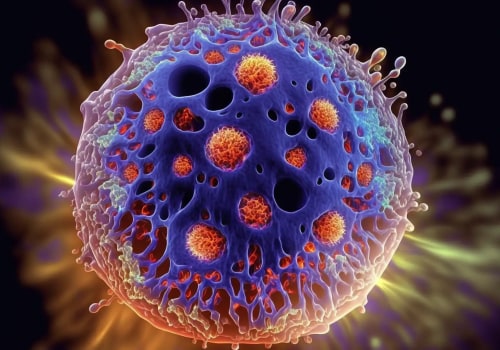
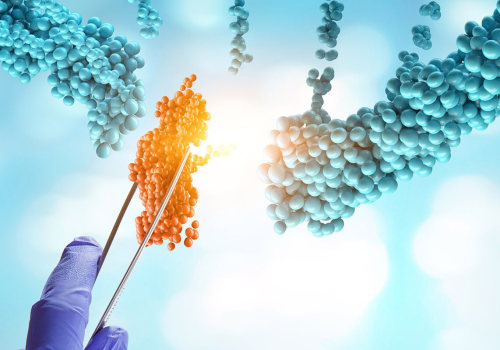
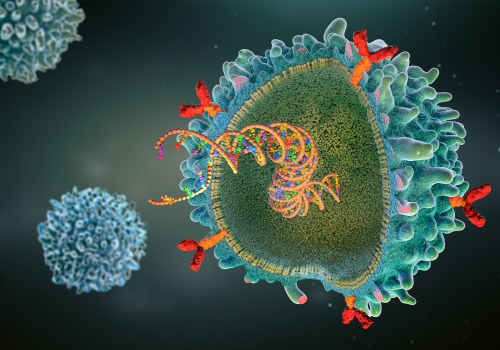
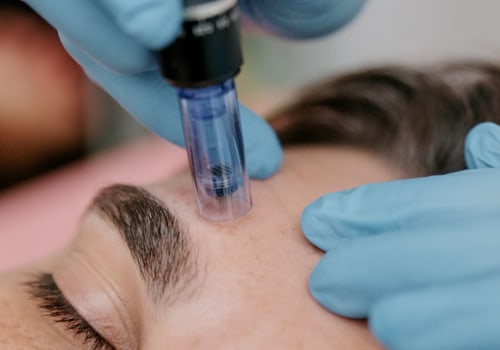
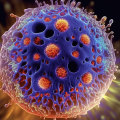
Exosomes are small extracellular vesicles, typically ranging from 30 to 150 nanometers in diameter, that play a pivotal role in intercellular communication. These vesicles are secreted by various cell types and are found in numerous biological fluids, including blood, urine, and saliva. Their formation occurs through a complex process involving the inward budding of the plasma membrane, leading to the creation of multivesicular bodies that eventually fuse with the membrane to release exosomes into the extracellular space. This unique origin allows exosomes to encapsulate a diverse array of biomolecules, including proteins, lipids, and nucleic acids, which can be transferred to recipient cells, thereby influencing their behaviour and function.The functions of exosomes extend far beyond mere cellular waste disposal; they are integral to numerous physiological processes.
One of their primary roles is in mediating cell-to-cell communication , where they facilitate the transfer of genetic material and signalling molecules that can modulate immune responses, promote tissue repair, and even influence cancer progression. For instance, exosomes derived from immune cells can carry specific antigens that enhance the activation of T cells or modulate the activity of regulatory T cells (Tregs), thereby shaping the immune landscape. This ability to convey information between cells makes exosomes crucial players in both health and disease.In recent years, the therapeutic potential of exosomes has garnered significant attention, leading to the emergence of exosomal therapy. This innovative approach leverages the natural properties of exosomes to deliver therapeutic agents directly to target cells with high specificity and minimal side effects.
By utilising exosomes as vehicles for drug delivery or as immunotherapeutic agents, researchers aim to enhance treatment efficacy for various conditions, including cancer and autoimmune diseases. The ongoing exploration into exosomal therapy not only highlights their importance in modern medicine but also underscores the need for a deeper understanding of their biological functions and mechanisms within the immune system.
The Immune System: An Overview
The immune system is a complex network of cells, tissues, and organs that work together to defend the body against harmful pathogens, such as bacteria, viruses, and parasites. It is broadly categorised into two main components: innate immunity and adaptive immunity , each playing a distinct yet complementary role in the body’s defence mechanisms.Innate immunity
serves as the first line of defence and is characterised by its rapid response to pathogens. This system includes physical barriers like the skin and mucous membranes, as well as various immune cells such as macrophages, neutrophils, and natural killer (NK) cells.
These components act quickly to identify and eliminate invaders through mechanisms such as phagocytosis, where immune cells engulf and destroy pathogens. Additionally, innate immunity involves the release of cytokines and chemokines that facilitate communication between immune cells, enhancing the inflammatory response and recruiting other immune components to the site of infection.In contrast, adaptive immunity is a more specialised response that develops over time. It involves lymphocytes, specifically B cells and T cells, which are capable of recognising specific antigens presented by pathogens. B cells are responsible for producing antibodies that neutralise pathogens or mark them for destruction, while T cells can directly kill infected cells or help orchestrate the immune response by releasing signalling molecules.
This system not only provides a targeted attack against specific pathogens but also establishes immunological memory, allowing for a quicker and more effective response upon subsequent exposures to the same pathogen.The interplay between innate and adaptive immunity is crucial for an effective immune response. While innate immunity provides immediate protection, it is the adaptive immune system that ensures long-lasting defence through memory formation. Understanding these two branches of immunity is essential for comprehending how exosomes interact with various immune components, influencing both innate and adaptive responses.
Exosomes in Innate Immunity
Exosomes play a pivotal role in the innate immune response, acting as crucial mediators of intercellular communication and inflammation. These nanoscale extracellular vesicles are secreted by various cell types, including immune cells, and are involved in the recognition and response to pathogens.Their ability to carry a diverse array of biomolecules, such as proteins, lipids, and nucleic acids, allows them to influence the behaviour of recipient cells significantly.One of the primary functions of exosomes in innate immunity is their involvement in inflammation. When cells encounter pathogens, they release exosomes that contain pro-inflammatory cytokines and other signalling molecules. These exosomes can then interact with nearby immune cells, enhancing their activation and promoting a robust inflammatory response. For instance, exosomes derived from activated macrophages have been shown to carry elevated levels of cytokines like TNF-α and IL-6, which are essential for orchestrating the immune response against infections.Moreover, exosomes facilitate pathogen recognition by presenting antigens derived from pathogens to immune cells.
This process is critical for the activation of dendritic cells (DCs), which are key players in the innate immune system. Dendritic cells can uptake exosomes containing pathogen-derived antigens, leading to their maturation and subsequent activation of T cells in adaptive immunity. This cross-talk between innate and adaptive immunity underscores the importance of exosomal communication in shaping the overall immune response.In addition to promoting inflammation, exosomes also play a role in modulating immune tolerance. For example, exosomes released from regulatory T cells (Tregs) can carry immunosuppressive factors that help maintain homeostasis within the immune system.
This dual functionality—promoting inflammation while also facilitating tolerance—highlights the complex role of exosomes in maintaining immune balance.Furthermore, recent studies have indicated that exosomal content can vary significantly depending on the cellular source and environmental context. For instance, exosomes derived from tumour cells may carry immunosuppressive molecules that inhibit innate immune responses, thereby aiding in tumour evasion from immune surveillance. Conversely, exosomes from healthy cells can enhance immune activation and promote pathogen clearance.In summary, exosomes are integral to the functioning of the innate immune system. They mediate inflammatory responses, facilitate pathogen recognition through antigen presentation, and contribute to the delicate balance between activation and tolerance within the immune landscape.
Understanding these mechanisms further enhances our knowledge of potential therapeutic applications involving exosomal therapy, particularly in modulating immune responses for better health outcomes.
Exosomes in Adaptive Immunity
Exosomes play a pivotal role in the realm of adaptive immunity, primarily through their involvement in antigen presentation and the subsequent activation of T cells. These small extracellular vesicles, secreted by various cell types, are rich in proteins, lipids, and nucleic acids, which can significantly influence immune responses.One of the key functions of exosomes in adaptive immunity is their ability to facilitate antigen presentation. Antigen-presenting cells (APCs), such as dendritic cells and B cells, release exosomes that carry processed antigens. These exosomes can interact with T cells, presenting antigens in a form that is recognisable by the T cell receptor (TCR).This interaction is crucial for the activation of naïve T cells, which is a fundamental step in mounting an effective immune response.Moreover, exosomes derived from APCs can enhance the efficiency of T cell activation by providing co-stimulatory signals. For instance, exosomal surface proteins such as major histocompatibility complex (MHC) molecules and co-stimulatory ligands can engage with receptors on T cells, promoting their proliferation and differentiation into effector cells. This process not only initiates an immune response but also shapes the quality and magnitude of that response.In addition to their role in initial T cell activation, exosomes are also involved in the formation of immunological memory. After an infection or vaccination, memory T cells are generated to provide long-lasting protection against future encounters with the same pathogen.
Exosomes can carry memory-related signals that help maintain these memory T cells, ensuring a rapid and robust response upon re-exposure to the antigen.The versatility of exosomes extends to their ability to modulate the immune environment. They can influence the balance between different T cell subsets, such as regulatory T cells (Tregs) and effector T cells. For example, exosomes from Tregs can carry immunosuppressive factors that help maintain tolerance and prevent overactive immune responses, which is essential for preventing autoimmune diseases.In summary, exosomes are integral to adaptive immunity through their roles in antigen presentation, T cell activation, and the maintenance of immunological memory. Their ability to convey critical information between cells positions them as key players in shaping immune responses and highlights their potential as therapeutic targets in immunotherapy.
Exosomal Therapy: Mechanisms and Applications
Exosomal therapy has emerged as a groundbreaking approach in the realm of immunotherapy, leveraging the unique properties of exosomes to enhance therapeutic outcomes.These nanoscale extracellular vesicles, secreted by various cell types, play a pivotal role in intercellular communication and have shown immense potential in modulating immune responses.One of the most promising applications of exosomal therapy lies in its ability to serve as a targeted drug delivery system. Exosomes can encapsulate a variety of bioactive molecules, including proteins, lipids, and nucleic acids, protecting them from degradation while facilitating their transport to specific cells. This targeted delivery is particularly advantageous in cancer therapy, where exosomes derived from dendritic cells or tumour cells can be engineered to carry therapeutic agents directly to tumour sites, thereby minimising off-target effects and enhancing treatment efficacy.Moreover, exosomes have been identified as key players in the modulation of immune responses. For instance, exosomes derived from regulatory T cells (Tregs) can induce immune tolerance, making them valuable in treating autoimmune diseases.
Conversely, exosomes from activated immune cells can stimulate anti-tumour immunity, highlighting their dual role in either promoting or suppressing immune responses depending on their origin and content.Current clinical trials are exploring the therapeutic potential of exosomal therapy across various conditions. For example:
- Cancer Immunotherapy: Trials are investigating the use of exosome-based vaccines that present tumour antigens to the immune system, aiming to elicit a robust anti-tumour response.
- Autoimmune Disorders: Research is underway to assess the efficacy of Treg-derived exosomes in modulating immune responses in diseases such as multiple sclerosis and rheumatoid arthritis.
- Infectious Diseases: Exosomal therapy is being evaluated for its ability to enhance vaccine responses and provide targeted delivery of antiviral agents.
Exosomes as Biomarkers in Disease Diagnosis
Exosomes, the nanoscale extracellular vesicles secreted by various cell types, have emerged as promising biomarkers in the realm of disease diagnosis. Their unique composition, which includes proteins, lipids, and nucleic acids, reflects the physiological state of their parent cells, making them invaluable for understanding disease mechanisms and progression.One of the most significant advancements in the use of exosomes is their application in liquid biopsies.This non-invasive technique allows for the collection of exosomes from bodily fluids such as blood, urine, and saliva. By analysing these exosomes, clinicians can gain insights into the presence and progression of various diseases, including cancers, neurodegenerative disorders, and autoimmune diseases.For instance, in cancer diagnostics, exosomes derived from tumour cells can carry specific genetic material and proteins that are indicative of malignancy. Studies have shown that exosomal RNA can provide information about tumour type and stage, enabling more tailored treatment approaches. Furthermore, the presence of certain biomarkers within exosomes can signal treatment response or resistance, allowing for timely adjustments in therapeutic strategies.In addition to cancer, exosomes are being investigated for their role in diagnosing neurodegenerative diseases such as Alzheimer’s and Parkinson’s.
The presence of specific proteins or altered RNA profiles in exosomes can serve as early indicators of these conditions, potentially leading to earlier interventions.The ability to utilise exosomes as biomarkers also extends to monitoring autoimmune diseases. For example, changes in the composition of exosomal contents can reflect disease activity or remission in conditions like rheumatoid arthritis or lupus. This dynamic monitoring capability underscores the potential of exosomal analysis to enhance patient management.Moreover, the standardisation of exosome isolation and analysis techniques is crucial for their clinical application. As research progresses, establishing robust protocols will facilitate the integration of exosomal biomarkers into routine diagnostic practices.In summary, exosomes represent a frontier in biomarker discovery and disease diagnosis.
Their role in liquid biopsies not only enhances our understanding of disease mechanisms but also paves the way for personalised medicine approaches that could significantly improve patient outcomes.
Challenges and Future Directions in Exosomal Research
Exosomal research and therapy have garnered significant attention in recent years, yet several challenges remain that hinder the full realisation of their potential. One of the primary obstacles is the heterogeneity of exosomes. Exosomes can vary widely in size, composition, and function depending on their cellular origin and the physiological state of the donor cells. This variability complicates standardisation and makes it difficult to establish universal protocols for exosome isolation, characterisation, and application.Moreover, the mechanisms of exosome biogenesis and release are not fully understood.Understanding these processes is crucial for developing effective exosomal therapies, as the therapeutic efficacy of exosomes is closely linked to their content and how they interact with recipient cells. Current methods for isolating exosomes often fail to capture this complexity, leading to potential loss of critical functional components.Another significant challenge lies in the delivery mechanisms of exosomal therapies. While exosomes have shown promise as natural carriers for therapeutic agents, ensuring that they reach their intended target cells effectively remains a hurdle. Factors such as the route of administration, biological barriers, and the immune response can all influence the success of exosomal delivery.Looking towards the future, advancements in exosome technology hold great promise for overcoming these challenges.
Innovations in nanotechnology , such as engineered exosomes with enhanced targeting capabilities or modified surface proteins, could improve their specificity and efficacy in delivering therapeutic payloads. Additionally, integrating omics technologies , including genomics and proteomics, may provide deeper insights into exosome composition and function, paving the way for personalised exosomal therapies tailored to individual patient needs.The potential applications of exosomal therapy are vast, ranging from cancer treatment to regenerative medicine. As research progresses, it is essential to focus on establishing robust clinical protocols and conducting comprehensive clinical trials to validate the safety and efficacy of these therapies. By addressing current challenges and harnessing technological advancements, the future of exosomal therapy could revolutionise treatment paradigms across various medical fields.
Conclusion: The Future of Exosomal Therapy in Immunology
In summary, the exploration of exosomal therapy has unveiled a promising frontier in immunology, particularly in understanding the intricate roles that exosomes play in the immune response.These nanoscale extracellular vesicles are not merely byproducts of cellular activity; they are pivotal players in mediating communication between cells, influencing both innate and adaptive immunity. The ability of exosomes to carry a diverse array of biomolecules, including proteins, lipids, and nucleic acids, positions them as essential components in the regulation of immune functions.The therapeutic potential of exosomes is vast. As highlighted throughout this article, their role in antigen presentation, immune modulation, and even as vehicles for drug delivery underscores their versatility. For instance, exosomes derived from dendritic cells can enhance the efficacy of cancer vaccines by presenting tumor antigens to T cells, thereby stimulating a robust immune response against malignancies.
Furthermore, exosomes from regulatory T cells (Tregs) have shown promise in promoting immune tolerance, which could be beneficial in treating autoimmune diseases.Looking ahead, the future implications of exosome research are profound. As we continue to unravel the complexities of exosomal biology, we anticipate significant advancements in their application for therapeutic purposes. Ongoing clinical trials are exploring the use of exosomes in various contexts, from cancer immunotherapy to regenerative medicine. The ability to engineer exosomes for targeted delivery of therapeutics could revolutionise treatment paradigms across multiple diseases.In conclusion, understanding the multifaceted roles of exosomes in the immune response is crucial for harnessing their full therapeutic potential.
As research progresses, it is clear that exosomal therapy could play a transformative role in immunology, offering new avenues for treatment and enhancing our ability to modulate immune responses effectively. The journey into the world of exosomes is just beginning, and their future in medicine looks exceptionally bright.