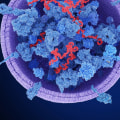
Exosomes are small extracellular vesicles, typically ranging from 30 to 150 nanometers in diameter, that play a crucial role in intercellular communication. These vesicles are secreted by various cell types and contain a diverse array of biomolecules, including proteins, lipids, and nucleic acids. In the context of cardiovascular disease, exosomes have emerged as significant players due to their ability to influence cellular processes and modulate the heart's response to injury and stress. Their unique composition allows them to carry specific molecular signals that can either promote healing or exacerbate disease, making them a focal point of research in cardiovascular therapeutics.The relevance of exosomes in cardiovascular health cannot be overstated.
They are involved in numerous physiological processes such as angiogenesis , apoptosis, and inflammation, all of which are critical in maintaining cardiac function. For instance, exosomes derived from stem cells have shown promise in promoting tissue repair and regeneration following myocardial infarction. This regenerative potential is attributed to their cargo, which can include microRNAs that regulate gene expression and proteins that facilitate cellular repair mechanisms.As we delve deeper into the concept of exosomal therapy, it becomes evident that harnessing the therapeutic potential of these vesicles could revolutionise treatment strategies for cardiovascular diseases. By isolating and utilising exosomes from specific cell types, researchers aim to develop targeted therapies that can enhance cardiac repair processes while minimising adverse effects.
This innovative approach not only highlights the importance of exosomes as biomarkers for disease progression but also underscores their potential as vehicles for delivering therapeutic agents directly to affected tissues.
What are Exosomes?
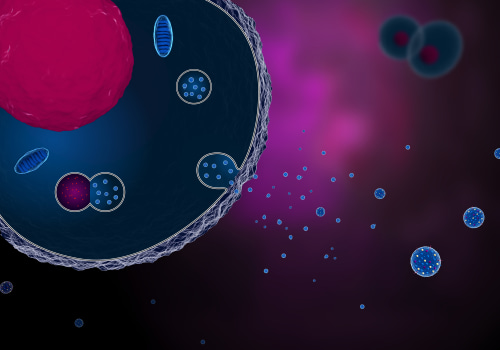
Exosomes are small extracellular vesicles, typically ranging from 30 to 150 nanometers in diameter, that are secreted by various cell types into the extracellular environment. They play a pivotal role in intercellular communication by transporting a diverse array of biomolecules, including proteins, lipids, and nucleic acids such as microRNA and mRNA. This unique cargo allows exosomes to influence the behaviour of recipient cells, making them crucial players in numerous physiological and pathological processes.The formation of exosomes begins with the inward budding of the plasma membrane, leading to the creation of early endosomes. These early endosomes can mature into multivesicular bodies (MVBs), which contain intraluminal vesicles.When MVBs fuse with the plasma membrane, they release these intraluminal vesicles into the extracellular space as exosomes. This biogenesis process is tightly regulated and can be influenced by various factors, including cellular stress and environmental changes.
Types of Exosomes
Exosomes can be classified based on their cellular origin. Some common types include:- Platelet-derived exosomes: These exosomes are involved in coagulation and inflammation and can influence vascular health.
- Stem cell-derived exosomes: Known for their regenerative properties, these exosomes can promote tissue repair and regeneration.
- Immune cell-derived exosomes: These play a significant role in modulating immune responses and can affect inflammation and autoimmunity.
- Cancer cell-derived exosomes: Often involved in tumour progression, these exosomes can facilitate metastasis and immune evasion.
Exosome Structure
The structure of exosomes is characterised by a lipid bilayer membrane that encapsulates their cargo. This membrane is composed primarily of phospholipids, similar to that of the parent cell, but also contains specific proteins that serve as markers for identification.These proteins include tetraspanins (such as CD63, CD81, and CD9), which play roles in exosome formation and uptake by target cells. The lipid composition can vary significantly depending on the cell type from which the exosome originates, influencing its function and interaction with recipient cells.In summary, understanding the definition, types, and structure of exosomes is essential for appreciating their biological functions. Their ability to mediate communication between cells positions them as significant contributors to both health and disease, particularly in the context of cardiovascular conditions.
The Role of Exosomes in Cardiovascular Health
Exosomes play a pivotal role in maintaining cardiovascular health through their function as mediators of intercellular communication. These nanoscale extracellular vesicles, which are secreted by various cell types, including cardiomyocytes, endothelial cells, and stem cells, are rich in bioactive molecules such as proteins, lipids, and nucleic acids.This unique cargo enables exosomes to influence the physiological processes of the heart and vasculature.One of the primary functions of exosomes in cardiovascular health is their ability to facilitate cellular communication. They act as messengers that transport molecular signals between cells, thereby modulating various biological activities. For instance, exosomes derived from cardiac progenitor cells (CPCs) have been shown to carry microRNAs that can regulate gene expression in recipient cells, promoting survival and function. This intercellular communication is crucial for maintaining homeostasis within the cardiovascular system.Moreover, exosomes contribute to the repair and regeneration of cardiac tissue following injury.
In the event of myocardial infarction or other forms of cardiac stress, exosomes can deliver protective factors that mitigate cell death and promote healing. For example, exosomes from mesenchymal stem cells (MSCs) have been demonstrated to enhance angiogenesis—the formation of new blood vessels—by delivering pro-angiogenic factors to endothelial cells. This process is vital for restoring blood flow and oxygen supply to damaged heart tissue.Additionally, exosomal therapy is emerging as a promising approach in cardiovascular medicine. By harnessing the therapeutic potential of exosomes, researchers aim to develop novel treatments that can enhance cardiac function and improve outcomes for patients with heart disease.
The ability to engineer exosomes to carry specific therapeutic agents or genetic material opens new avenues for targeted therapy.In summary, exosomes are integral to cardiovascular health through their roles in intercellular communication, tissue repair, and potential therapeutic applications. Understanding the mechanisms by which exosomes influence cardiac function will be essential for developing innovative strategies to combat cardiovascular diseases.
Exosomal Therapy: Mechanisms and Applications
Exosomal therapy represents a groundbreaking approach in the treatment of cardiovascular diseases, leveraging the natural properties of exosomes to facilitate cellular communication and regeneration. These nanoscale extracellular vesicles, secreted by various cell types, are rich in bioactive molecules such as proteins, lipids, and nucleic acids, which can modulate physiological processes and promote healing.Mechanisms of Exosomal Therapy
- Cellular Communication: Exosomes serve as vehicles for intercellular communication, transferring molecular signals that can influence target cells. This mechanism is crucial in cardiovascular contexts where exosomes can convey pro-survival signals to cardiomyocytes, thereby reducing apoptosis and enhancing cell viability.
- Modulation of Inflammation: Exosomal therapy can also modulate inflammatory responses within the cardiovascular system.
For instance, exosomes derived from mesenchymal stem cells (MSCs) have been shown to possess anti-inflammatory properties, which can mitigate the adverse effects of chronic inflammation associated with heart diseases.
- Promotion of Angiogenesis: The angiogenic potential of exosomes is another vital mechanism. Exosomes containing specific microRNAs (miRNAs) can stimulate the formation of new blood vessels, improving blood supply to damaged cardiac tissues and facilitating recovery after ischemic events.
Therapeutic Applications of Exosomes
The therapeutic applications of exosomal therapy in cardiovascular diseases are diverse and promising:
- Ischemic Heart Disease: Exosomal therapy has shown potential in treating ischemic heart conditions by promoting angiogenesis and reducing myocardial injury through the delivery of protective factors.
- Heart Failure: In cases of heart failure, exosomes can help restore cardiac function by enhancing cellular repair mechanisms and reducing fibrosis.
- Atherosclerosis: By delivering anti-inflammatory agents and miRNAs that inhibit plaque formation, exosomes may play a role in managing atherosclerosis and its complications.
Benefits of Exosomal Therapy
The advantages of exosomal therapy over traditional treatment modalities are significant:
- Minimally Invasive: Unlike conventional therapies that may require surgical intervention or extensive drug regimens, exosomal therapy can be administered through less invasive methods, reducing patient discomfort and recovery time.
- Targeted Delivery: Exosomes can be engineered to target specific tissues or cells, enhancing the efficacy of therapeutic agents while minimising off-target effects.
- Biocompatibility: As naturally occurring entities within the body, exosomes exhibit high biocompatibility, which reduces the risk of adverse immune reactions compared to synthetic drugs or foreign materials.
Exosomes as Biomarkers in Cardiovascular Disease
Exosomes, the nanoscale extracellular vesicles secreted by various cell types, have emerged as promising biomarkers in the realm of cardiovascular disease (CVD). Their unique composition, which includes proteins, lipids, and nucleic acids, reflects the physiological and pathological states of their parent cells.This characteristic makes exosomes particularly valuable for early detection and monitoring of heart diseases.One of the most significant advantages of using exosomes as diagnostic biomarkers is their ability to provide insights into the underlying mechanisms of cardiovascular conditions. For instance, exosomes derived from cardiomyocytes can carry specific microRNAs (miRNAs) that are involved in cardiac function and pathology. These miRNAs can serve as indicators of myocardial stress or damage, allowing for timely intervention.Moreover, the isolation of exosomes from easily accessible biological fluids such as blood or urine enhances their utility in clinical settings. This non-invasive approach facilitates regular monitoring of patients at risk for CVD, enabling healthcare providers to track disease progression and response to therapy effectively.Recent studies have highlighted the potential of exosomal biomarkers in various cardiovascular conditions.
For example, elevated levels of certain exosomal miRNAs have been associated with heart failure and myocardial infarction. These findings suggest that exosomal profiling could lead to the development of novel diagnostic tests that are more sensitive and specific than traditional biomarkers like troponins.Furthermore, exosomes can also reflect the effects of therapeutic interventions. By analysing changes in exosomal content before and after treatment, clinicians may gain insights into the efficacy of specific therapies, paving the way for personalised medicine approaches in cardiovascular care.In conclusion, the diagnostic potential of exosomes in cardiovascular disease is vast and still largely untapped. As research progresses, it is anticipated that exosomal biomarkers will play a crucial role in enhancing our understanding of heart diseases and improving patient outcomes through early detection and tailored treatment strategies.
Challenges in Exosome Research and Isolation Techniques
The study of exosomes has gained significant traction in recent years, particularly in the context of cardiovascular disease.However, researchers face numerous challenges when it comes to isolating and studying these extracellular vesicles. The complexity of exosome isolation techniques is a primary hurdle that can impact the reliability and reproducibility of research findings.One of the most common methods for isolating exosomes is ultracentrifugation, which involves spinning biological samples at high speeds to separate exosomes based on their size and density. While this technique is widely used, it has several limitations:
- Time-consuming: Ultracentrifugation can take several hours to complete, making it impractical for high-throughput studies.
- Low yield: This method often results in a low yield of exosomes, which can be problematic when working with limited sample sizes.
- Contamination: There is a risk of co-isolating other extracellular vesicles or proteins, leading to contamination that can confound results.
- Precipitation methods: These can introduce biases by preferentially isolating certain types of exosomes over others.
- Size-exclusion chromatography: Although effective in separating exosomes from larger particles, SEC may not completely eliminate smaller contaminants.
As the field evolves, there is a growing emphasis on developing standardized protocols that ensure the purity and integrity of isolated exosomes. Innovations such as microfluidic devices and affinity-based capture techniques are being explored to enhance the specificity and efficiency of exosome isolation.In conclusion, while significant progress has been made in understanding the role of exosomes in cardiovascular disease, the challenges associated with their isolation and purification remain a barrier to fully unlocking their potential as therapeutic agents and biomarkers. Continued research into more effective isolation techniques will be essential for advancing our knowledge and application of exosomal therapy.
Clinical Trials and Future Directions in Exosomal Therapy
As the understanding of exosomes and their role in cardiovascular disease deepens, numerous clinical trials are underway to explore the therapeutic potential of exosomal therapy. These trials aim to assess the efficacy and safety of exosome-based treatments, which could revolutionise the management of cardiovascular conditions.One notable clinical trial, registered as NCT03478410, investigates the role of exosomes derived from epicardial fat in patients with atrial fibrillation.This study seeks to evaluate not only the biomarker potential of these exosomes but also their therapeutic applications. By understanding how these exosomes influence cardiac function, researchers hope to develop targeted therapies that can mitigate the effects of atrial fibrillation.Another promising area of research involves the use of mesenchymal stem cell (MSC)-derived exosomes. These exosomes have shown potential in preclinical studies for promoting cardiac repair and regeneration following myocardial infarction. Ongoing trials are focusing on their ability to enhance angiogenesis and reduce apoptosis in cardiomyocytes, which could lead to improved outcomes for patients recovering from heart attacks.Future directions in exosomal therapy are likely to include:
- Personalised Medicine: Tailoring exosomal therapies based on individual patient profiles could enhance treatment efficacy.
By analysing specific exosomal cargo, clinicians may be able to predict responses to therapy and adjust treatment plans accordingly.
- Combination Therapies: Integrating exosomal therapy with existing treatments, such as pharmacological agents or lifestyle interventions, may yield synergistic effects that improve overall cardiovascular health.
- Engineering Exosomes: Advances in biotechnology may allow for the engineering of synthetic exosomes that can deliver targeted therapies directly to affected cardiac tissues, minimising side effects and maximising therapeutic impact.
- Longitudinal Studies: Conducting long-term studies will be crucial in understanding the sustained effects of exosomal therapy on cardiovascular health and its potential role in preventing disease progression.
Conclusion: The Future of Exosomal Therapy in Cardiovascular Disease Management
As we reflect on the potential of exosomal therapy in the management of cardiovascular disease, it becomes increasingly clear that this innovative approach holds significant promise. Throughout this article, we have explored the multifaceted roles that exosomes play in cardiovascular health, from their capacity to serve as biomarkers to their therapeutic implications in various cardiac conditions.The ability of exosomes to transport a diverse array of biomolecules—including RNA , proteins , and lipids —positions them as crucial mediators in intercellular communication. This characteristic not only enhances our understanding of disease mechanisms but also opens new avenues for targeted therapies.For instance, exosomes derived from stem cells have demonstrated the potential to promote angiogenesis , reduce apoptosis, and mitigate fibrosis, thereby offering a multifaceted approach to treating cardiovascular ailments.Moreover, the ongoing research into the engineering of exosomes presents exciting opportunities for enhancing their therapeutic efficacy. By manipulating their cargo or surface proteins, scientists can create tailored exosomes that deliver specific therapeutic agents directly to affected cardiac tissues. This precision medicine approach could revolutionise how we treat cardiovascular diseases, moving away from one-size-fits-all solutions towards more personalised therapies.However, it is essential to acknowledge the challenges that lie ahead. The isolation and characterisation of exosomes remain complex processes, with current methodologies lacking the precision required for clinical applications.
Furthermore, understanding the dual nature of exosomes—where some may exacerbate disease while others confer protective effects—will be critical in developing safe and effective therapies.In conclusion, while we stand at the forefront of a new era in cardiovascular disease management through exosomal therapy, continued research is imperative. As we deepen our understanding of exosomal biology and refine our techniques for harnessing their potential, we may unlock transformative strategies that not only improve patient outcomes but also redefine our approach to cardiovascular health.