Exosomal therapy is an innovative approach in the realm of regenerative medicine, harnessing the power of exosomes—tiny vesicles secreted by cells that play a crucial role in intercellular communication. These exosomes are rich in proteins, lipids, and genetic material, which can influence the behaviour of surrounding cells. Originating from stem cell research, exosomal therapy has emerged as a promising treatment for various conditions, including hair loss. By utilising the natural healing properties of exosomes, this therapy aims to stimulate hair growth and rejuvenate thinning hair.The mechanism behind exosomal therapy is both fascinating and complex.
When administered to the scalp, exosomes interact with local cells, promoting cellular repair and regeneration. This process not only enhances blood circulation but also encourages the proliferation of hair follicle cells, leading to improved hair density and health. Unlike traditional treatments that often focus on symptomatic relief, exosomal therapy addresses the underlying causes of hair loss at a cellular level, offering a more holistic solution.One of the most significant benefits of exosomal therapy is its non-invasive nature. Patients can undergo treatment without the need for surgical procedures or extensive downtime, making it an attractive option for those seeking effective hair restoration solutions.
Furthermore, the use of autologous exosomes—derived from the patient’s own body—minimises the risk of adverse reactions and enhances safety. As research continues to unfold, the potential applications of exosomal therapy are expanding, solidifying its position as a leading choice in modern aesthetic treatments.
The Science Behind Exosomes
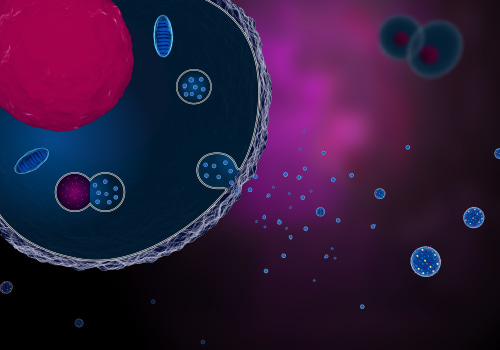
Exosomes are small extracellular vesicles, typically ranging from 30 to 150 nanometers in diameter, that play a crucial role in intercellular communication. They are secreted by various cell types and contain a complex mixture of proteins, lipids, and nucleic acids, including messenger RNA (mRNA) and microRNA (miRNA). This unique composition allows exosomes to facilitate the transfer of molecular signals between cells, influencing numerous biological processes.What Are Exosomes?
Exosomes originate from the endosomal system of cells.
When a cell produces an endosome, it can either recycle its contents or form multivesicular bodies (MVBs). These MVBs can then fuse with the plasma membrane, releasing exosomes into the extracellular space. This process is vital for maintaining cellular homeostasis and regulating immune responses.
Exosome Function
The primary function of exosomes is to mediate communication between cells. They transport bioactive molecules that can modulate the behaviour of recipient cells.
For instance, exosomes can:
- Regulate gene expression by delivering mRNA and miRNA.
- Influence cell proliferation and differentiation.
- Modulate immune responses by carrying immunomodulatory proteins.
- Facilitate tissue repair and regeneration through the delivery of growth factors.
Role of Exosomes in Hair Growth
In the context of hair growth, exosomes derived from stem cells have shown remarkable potential. They contain growth factors and signalling molecules that can stimulate hair follicle activity. Research indicates that these exosomes promote:In the context of hair growth, exosomes derived from stem cells have shown remarkable potential. They contain growth factors and signalling molecules that can stimulate hair follicle activity. Research indicates that these exosomes promote:
- Keratinocyte proliferation: Keratinocytes are essential for hair shaft formation, and their proliferation is crucial for healthy hair growth.
- Dermal papilla cell activation: Dermal papilla cells play a pivotal role in regulating hair follicle cycling and growth; exosomes can enhance their activity.
- Angiogenesis: The formation of new blood vessels is vital for supplying nutrients to hair follicles, and exosomes can promote this process.
How Exosome Hair Therapy Works
Understanding the intricacies of exosome hair therapy is crucial for anyone considering this innovative treatment for hair restoration.The procedure is designed to harness the regenerative properties of exosomes, which are tiny vesicles released by stem cells that play a pivotal role in cell communication and regeneration.
Preparation for Exosome Therapy
- Before undergoing the treatment, a thorough consultation with a qualified healthcare provider is essential. This initial meeting allows the practitioner to assess your individual needs, discuss your medical history, and determine if you are a suitable candidate for exosome therapy.
- During this consultation, you may be advised to avoid certain medications or supplements that could interfere with the treatment, such as blood thinners or anti-inflammatory drugs.
- It’s also recommended to maintain a healthy lifestyle leading up to the procedure, including proper hydration and nutrition, to optimise your body’s response to the therapy.
The Application Process
The actual application of exosome therapy typically involves several key steps:
- Scalp Preparation: The scalp is cleansed thoroughly to remove any oils or products that may hinder the absorption of exosomes. This step ensures that the treatment can penetrate effectively.
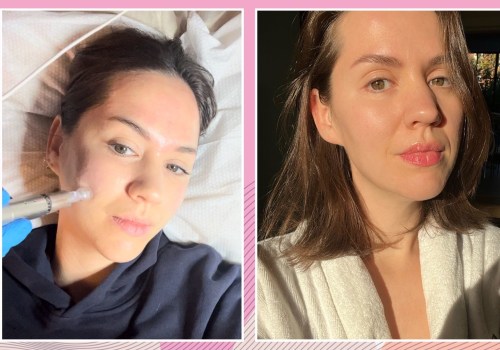
- Micro-Needling: A device known as a Dermapen is used to create micro-injuries on the scalp. This process stimulates the scalp and enhances blood circulation while also allowing for better absorption of the exosomes.
- Exosome Application: After micro-needling, a solution containing exosomes is applied directly to the treated areas of the scalp.
The exosomes work at a cellular level to promote hair follicle rejuvenation and stimulate new hair growth.
Post-Treatment Care
After the procedure, it’s important to follow specific aftercare instructions to maximise results:
- Avoid washing your hair for at least 24 hours post-treatment to allow the exosomes to fully penetrate and take effect.
- Refrain from using any harsh hair products or undergoing chemical treatments for at least a week following the procedure.
- Your healthcare provider may recommend gentle scalp massages or specific topical treatments to further enhance results.
Expected Results and Longevity of Effects
When considering exosomal therapy for hair restoration, understanding the expected results and the longevity of these effects is crucial for potential patients. Many individuals seek this innovative treatment to combat hair loss and thinning, and knowing what to anticipate can significantly influence their decision-making process.Typically, patients undergoing exosome hair therapy can expect to see noticeable improvements in hair density and overall health within a few months. Initial results often manifest as early as two to three months post-treatment, with many individuals reporting thicker and healthier-looking hair.This early response is attributed to the regenerative properties of exosomes, which work at a cellular level to stimulate hair follicles.As the treatment progresses, the most significant changes are usually observed around the six-month mark. By this time, patients often experience a substantial increase in new hair growth, with many noting that their hair appears fuller and more vibrant. The effects of exosome therapy can continue to improve for up to a year following the initial treatment session.In terms of longevity, the results from exosomal therapy can last anywhere from 12 to 24 months, depending on various factors such as individual biology, age, and lifestyle. Some patients may even enjoy the benefits for up to three years with proper maintenance.
To optimise and prolong these results, it is recommended that patients undergo follow-up treatments every four to six months. This maintenance schedule helps sustain the rejuvenating effects of exosomes and ensures that hair continues to grow robustly.It is important to note that while exosomal therapy offers promising results, it does not halt the natural aging process or genetic predispositions related to hair loss. Therefore, ongoing treatments may be necessary for those who wish to maintain their results over time.In summary, exosome hair therapy presents a compelling option for individuals seeking effective solutions for hair loss. With visible improvements typically seen within months and lasting effects that can extend for years with proper care, this treatment stands out as a viable choice in the realm of hair restoration.
Comparing Exosomal Therapy with Other Treatments
When considering options for hair restoration, it is essential to evaluate the various treatments available, particularly exosomal therapy and Platelet-Rich Plasma (PRP) therapy.Both methods aim to stimulate hair growth and combat hair loss, but they operate through different mechanisms and offer distinct benefits.
Mechanism of Action
Exosomal therapy utilises exosomes, which are nano-sized vesicles secreted by stem cells. These exosomes contain a rich array of growth factors, proteins, and genetic material that facilitate cellular communication and regeneration. By delivering these components directly to the scalp, exosomal therapy promotes hair follicle health and stimulates new hair growth at a cellular level.In contrast, PRP therapy involves drawing a small amount of the patient’s blood, processing it to concentrate the platelets, and then injecting this platelet-rich plasma into the scalp. The growth factors in PRP are known to enhance healing and tissue regeneration, which can also lead to improved hair growth.However, PRP primarily works by enhancing the existing follicles rather than regenerating new ones.
Effectiveness and Longevity of Results
Clinical studies have shown that both treatments can yield positive results; however, exosomal therapy often demonstrates superior effectiveness in terms of both speed and longevity of results. Patients typically notice improvements in hair thickness and density within a few months of treatment, with effects lasting up to two years with proper maintenance.PRP therapy
, while effective for many, may require more frequent sessions to maintain results. Patients often need to return for treatments every three to six months to sustain the benefits, as the effects can diminish over time.Safety and Side Effects
Both therapies are considered safe with minimal side effects.Exosomal therapy
, being a non-invasive procedure with no downtime, allows patients to resume their daily activities immediately after treatment.PRP therapy also has a good safety profile; however, some patients may experience mild discomfort or swelling at the injection sites.
Conclusion
In summary, while both exosomal therapy and PRP therapy offer promising solutions for hair loss, exosomal therapy may provide more comprehensive benefits due to its advanced regenerative capabilities. Patients should consult with a qualified healthcare provider to determine the most suitable option based on their individual needs and conditions.Who is a Suitable Candidate for Exosome Therapy?
Exosome therapy has emerged as a revolutionary treatment for hair loss, but not everyone is an ideal candidate for this innovative procedure. Understanding who can benefit from exosomal therapy is crucial for achieving optimal results and ensuring patient satisfaction.Who Can Benefit from Exosome Therapy?
- Individuals Experiencing Hair Thinning: Those suffering from androgenetic alopecia, commonly known as male or female pattern baldness, are prime candidates. Exosome therapy can stimulate hair follicles and promote new growth, making it an effective option for this demographic.
- People with Recent Hair Loss: If hair loss has occurred recently due to stress, hormonal changes, or medical conditions, exosomal therapy may help restore hair density.
The earlier the treatment is initiated after noticing hair loss, the better the potential outcomes.
- Patients Seeking Non-Invasive Solutions: For individuals who prefer non-surgical options over traditional hair restoration methods, exosome therapy offers a minimally invasive alternative with no downtime.
- Those Who Have Tried Other Treatments: Candidates who have not achieved satisfactory results with other hair restoration treatments, such as topical minoxidil or PRP (platelet-rich plasma) therapy, may find exosome therapy to be a more effective solution.
Candidate Criteria for Exosome Treatment
While many individuals can benefit from exosome therapy, certain criteria should be met to ensure safety and efficacy:
- Age Considerations: Most clinics recommend that candidates be at least 18 years old. Younger patients may not have fully developed hair loss patterns, making it difficult to predict treatment outcomes.
- Health Status: A thorough medical evaluation is essential. Candidates should be in good overall health and free from conditions that could interfere with healing or hair growth, such as autoimmune disorders or severe scalp infections.
- No Active Scalp Conditions: Individuals with active scalp conditions like psoriasis or dermatitis should address these issues before considering exosome therapy.
Contraindications
While exosome therapy is generally safe, there are some contraindications to consider:
- Pregnancy and Nursing: Women who are pregnant or breastfeeding should avoid this treatment due to the lack of research on its effects during these periods.
- Certain Medications: Patients taking anticoagulants or medications that affect blood clotting should consult their healthcare provider before undergoing treatment.
- History of Allergic Reactions: Those with a history of severe allergic reactions to any components used in the procedure should discuss their concerns with their practitioner.
Safety and Side Effects of Exosomal Therapy
When considering any medical treatment, particularly one as innovative as exosomal therapy, safety is a paramount concern.Patients often wonder, "Is exosome therapy safe?" The short answer is yes, exosomal therapy is generally regarded as a safe and effective option for hair restoration. This treatment utilises exosomes derived from stem cells, which are naturally occurring components in the body. As such, they are less likely to provoke adverse reactions compared to synthetic alternatives.However, like any medical procedure, there are potential side effects and risks associated with exosomal treatment. Understanding these can help patients make informed decisions about their hair restoration journey.
Common Side Effects
- Injection Site Reactions: The most common side effects include mild discomfort, swelling, or redness at the injection sites.
These symptoms typically resolve within a few days.
- Itching or Irritation: Some patients may experience temporary itching or irritation on the scalp following the procedure.
- Headaches: A small number of individuals report headaches after treatment, which can usually be managed with over-the-counter pain relief.
Rare but Serious Risks
While serious complications are rare, it is essential to be aware of them:- Infection: As with any procedure that involves injections, there is a slight risk of infection. Ensuring that the treatment is performed in a sterile environment by qualified professionals can mitigate this risk.
- Allergic Reactions: Although uncommon, some individuals may have allergic reactions to the components used in the therapy. Discussing any known allergies with your healthcare provider beforehand is crucial.
- Scarring: In very rare cases, patients may develop scarring at the injection sites.
This proactive approach not only builds trust but also ensures that individuals can make well-informed decisions regarding their hair restoration options.
Conclusion: The Future of Hair Restoration with Exosomes
As we draw this exploration of exosomal therapy for hair restoration to a close, it is essential to reflect on the transformative potential this innovative treatment holds for individuals grappling with hair loss and thinning. Throughout this article, we have delved into the mechanisms by which exosomes function, their role in stimulating hair growth, and the long-lasting effects that many patients experience following treatment.The evidence suggests that exosomal therapy not only promotes hair regrowth but also enhances the overall health of the scalp and hair follicles. With results that can last from 12 months to even three years with proper maintenance, this therapy stands out as a viable option for those seeking a non-invasive solution to hair loss.Moreover, the safety profile of exosomal therapy is particularly noteworthy. As a treatment derived from natural biological processes, it minimises the risks associated with more invasive procedures.This aspect is crucial for patients who may be hesitant about traditional surgical options or those who have not found success with conventional treatments.Looking ahead, the future of hair restoration through exosomal therapy appears promising. Ongoing research continues to uncover new applications and refine existing techniques, potentially expanding its use beyond just hair restoration to other areas of regenerative medicine. As our understanding of exosomes deepens, we may witness even more significant advancements in how we approach hair loss and other related conditions.In conclusion, if you are considering options for addressing hair loss, exosomal therapy represents a cutting-edge approach that merits serious consideration. Its ability to deliver natural, long-lasting results positions it as a frontrunner in the field of regenerative aesthetics.
We encourage you to consult with qualified professionals to explore how this innovative treatment can help restore not just your hair but also your confidence.