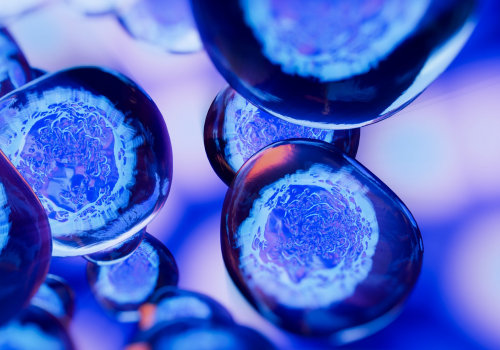
Stem cell therapy represents a groundbreaking approach in the field of regenerative medicine , harnessing the unique properties of stem cells to promote healing and recovery in various medical conditions. At its core, stem cell therapy involves the use of undifferentiated cells that have the remarkable ability to develop into different cell types, thereby facilitating the repair and regeneration of damaged tissues. This innovative treatment modality has gained significant attention for its potential to address a wide range of ailments, from blood cancers to degenerative diseases.The significance of stem cell therapy lies in its ability to tap into the body’s natural healing mechanisms. Stem cells act as a repair system, capable of replenishing damaged cells and tissues.
As we age or encounter injury, the body’s supply of these vital cells may diminish, leading to slower recovery times and increased susceptibility to chronic conditions. By introducing additional stem cells into the affected areas, therapy aims to enhance the body’s inherent capacity for self-repair, offering hope for patients who have exhausted conventional treatment options.There are several types of stem cells utilized in therapy, each with distinct characteristics and applications. Embryonic stem cells , derived from early-stage embryos, possess the ability to differentiate into any cell type in the body, making them incredibly versatile. However, their use is subject to ethical and legal restrictions in many regions, including the UK.
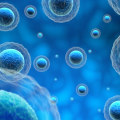
Adult stem cells , on the other hand, are found in various tissues throughout the body and are typically more limited in their differentiation potential but are widely used in clinical settings due to their availability and lower ethical concerns. Additionally, induced pluripotent stem cells (iPSCs) are engineered from adult cells and can mimic embryonic stem cells' capabilities, providing a promising avenue for research and therapy.As we delve deeper into the realm of exosomal therapy, understanding these foundational concepts of stem cell therapy will be crucial. Exosomes, which are small vesicles secreted by stem cells, play a pivotal role in cell communication and may enhance the therapeutic effects of stem cell treatments. This emerging field holds great promise for advancing our understanding of how stem cells can be effectively harnessed for healing.
What is Exosomal Therapy?
Exosomal therapy
is an innovative approach in the field of regenerative medicine that utilises exosomes—tiny vesicles secreted by cells—to facilitate communication and promote healing within the body.
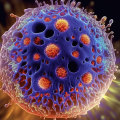
These exosomes play a crucial role in cellular communication, carrying proteins, lipids, and genetic material between cells, thereby influencing various biological processes.At its core, exosomal therapy involves the extraction of exosomes from stem cells or other cell types, which are then administered to patients to enhance tissue repair and regeneration. This method leverages the natural properties of exosomes to deliver therapeutic agents directly to target cells, promoting healing in a more efficient manner than traditional stem cell therapies.One of the primary mechanisms by which exosomal therapy operates is through the modulation of the immune response. Exosomes can carry anti-inflammatory molecules that help reduce inflammation at injury sites, thereby accelerating recovery. Additionally, they can stimulate the proliferation and differentiation of local stem cells, further enhancing the body’s innate healing capabilities.The benefits of exosomal therapy are numerous and significant:
- Minimally Invasive: Unlike traditional stem cell therapies that may require surgical procedures for cell extraction and implantation, exosomal therapy is often less invasive, making it a more appealing option for patients.
- Enhanced Efficacy: Exosomes have been shown to improve the delivery of therapeutic agents directly to damaged tissues, potentially leading to better outcomes compared to conventional methods.
- Reduced Risk of Rejection: Since exosomes can be derived from the patient’s own cells or closely matched donors, there is a lower risk of immune rejection compared to whole cell therapies.
- Broad Applicability: Exosomal therapy has shown promise in treating a variety of conditions, including orthopedic injuries, cardiovascular diseases, and neurodegenerative disorders.
By harnessing the power of exosomes for cellular communication and regeneration, this therapy offers a promising alternative to traditional stem cell treatments, with the potential for improved patient outcomes and fewer complications.
The Legal Landscape of Stem Cell Therapy in the UK
In the United Kingdom, the legal framework governing stem cell therapy is both comprehensive and stringent, reflecting the ethical considerations and scientific complexities associated with this innovative field of medicine. The primary legislation that regulates stem cell research and therapy is the Human Fertilisation and Embryology Act 1990 , which has undergone several amendments to address advancements in medical science.Under UK law, the use of embryonic stem cells is tightly controlled. The extraction and manipulation of these cells for clinical purposes are prohibited unless specific licenses are obtained from the Human Fertilisation and Embryology Authority (HFEA). This regulatory body ensures that any research involving human embryos is conducted ethically and safely, prioritising the welfare of both patients and potential donors.In contrast, adult stem cells, which can be harvested from various tissues such as bone marrow or adipose tissue, are subject to less stringent regulations.These cells can be used in therapies without the same level of oversight as embryonic cells, provided that they are used in accordance with established medical guidelines. This distinction allows for a broader application of adult stem cell therapies within clinical settings.The NHS plays a pivotal role in providing access to stem cell treatments for patients with specific medical conditions. For instance, individuals suffering from serious blood disorders may be eligible for stem cell transplants through NHS services. These transplants can potentially cure conditions such as leukaemia or sickle cell disease, significantly improving patients' quality of life.However, it is essential to note that not all forms of stem cell therapy are available through the NHS.
The availability often depends on clinical evidence supporting the efficacy and safety of the treatment. As a result, patients seeking alternative therapies, including those involving exosomal therapy, may need to explore private healthcare options.In summary, while the UK has established a robust legal framework governing stem cell therapy, patients must navigate a complex landscape of regulations and available treatments. Understanding these legalities is crucial for anyone considering stem cell therapy as a treatment option.
Availability of Exosomal Therapy in the UK
Exosomal therapy, a cutting-edge approach in regenerative medicine, is gaining traction in the UK as a potential treatment for various conditions. This innovative therapy utilises exosomes—tiny vesicles secreted by cells that play a crucial role in cell communication and regeneration.As interest in this treatment grows, patients are increasingly seeking information on where to access exosomal therapy within the UK.Currently, exosomal therapy is primarily available through private clinics and specialised research institutions. Many of these facilities are at the forefront of regenerative medicine and offer a range of treatments that incorporate exosomal therapy. Patients looking for these services should consider clinics that have a strong reputation for their expertise in stem cell and regenerative therapies.Some notable clinics offering exosomal therapy include:
- The London Clinic - Known for its comprehensive range of advanced medical treatments, this clinic provides access to innovative therapies, including exosomal treatments.
- Regenexx - Specialising in stem cell and exosome therapies, Regenexx has multiple locations across the UK and offers tailored treatment plans for various conditions.
- Cell Therapy Group - This organisation focuses on developing and providing access to advanced cell therapies, including exosomal treatments, through clinical trials and private services.
Patients interested in participating in such studies can often find information through clinical trial registries or by contacting research institutions directly.It is essential for patients to consult with healthcare professionals before pursuing exosomal therapy. A thorough evaluation can help determine if this treatment is suitable based on individual health conditions and medical history. Furthermore, as the field of regenerative medicine evolves, staying informed about new developments and emerging clinics will be crucial for those seeking these advanced therapies.In summary, while exosomal therapy is becoming more accessible in the UK through various private clinics and ongoing research initiatives, patients should approach this treatment option with careful consideration and professional guidance.
Conditions Treated with Exosomal Therapy
Exosomal therapy, a cutting-edge approach in regenerative medicine, has shown promise in treating a variety of medical conditions. This innovative treatment harnesses the power of exosomes—tiny vesicles secreted by cells that play a crucial role in cell communication and regeneration.Below, we explore some of the key conditions that can benefit from exosomal therapy.
Orthopedic Issues
One of the most notable applications of exosomal therapy is in the treatment of orthopedic conditions. Patients suffering from joint pain, osteoarthritis, and tendon injuries have reported significant improvements following treatment. Exosomes derived from mesenchymal stem cells (MSCs) can promote healing by:- Reducing inflammation
- Stimulating tissue repair
- Enhancing cartilage regeneration
Autoimmune Diseases
Exosomal therapy also holds potential for individuals with autoimmune diseases such as rheumatoid arthritis and lupus. These conditions are characterized by an overactive immune response that attacks the body’s own tissues.Exosomes can help modulate this immune response by:
- Delivering anti-inflammatory signals
- Promoting tissue repair and regeneration
- Encouraging the production of regulatory T cells that help maintain immune balance
Neurological Conditions
The therapeutic potential of exosomal therapy extends to neurological conditions as well. Research is ongoing into its effectiveness for diseases such as multiple sclerosis and Parkinson's disease. Exosomes can facilitate:- Neuroprotection against cell death
- Promotion of neuronal repair and regeneration
- Reduction of neuroinflammation
Success Stories and Future Directions
The success stories surrounding exosomal therapy are growing, with many patients reporting significant improvements in their conditions. As research continues to evolve, the potential applications of exosomal therapy are expanding, paving the way for new treatments across various medical fields. In conclusion, exosomal therapy represents a promising frontier in the treatment of numerous conditions, offering hope to patients seeking alternatives to traditional therapies.With ongoing advancements in this field, it is likely that we will see even more applications and success stories emerge in the near future.
Risks and Considerations of Exosomal Therapy
As with any medical treatment, exosomal therapy carries potential risks and side effects that patients should carefully consider before proceeding. Understanding these factors is crucial for making an informed decision about whether this innovative therapy is suitable for your specific health needs.Potential Risks of Exosomal Therapy
- Immune Reactions: One of the primary concerns with exosomal therapy is the possibility of an immune response. Since exosomes can originate from different sources, there is a risk that the patient's body may recognize them as foreign and mount an immune reaction, potentially leading to inflammation or other complications.
- Infection: As with any procedure that involves injections or surgical interventions, there is a risk of infection at the site of administration. Proper sterile techniques and post-treatment care are essential to mitigate this risk.
- Unpredictable Outcomes: While many patients report positive results from exosomal therapy, the outcomes can be unpredictable.
Factors such as the patient's overall health, the specific condition being treated, and the quality of the exosomes used can all influence effectiveness.
- Regulatory Concerns: In the UK, the regulation surrounding stem cell therapies, including exosomal treatments, is stringent. Patients should ensure that they are receiving treatment from reputable clinics that comply with local regulations to avoid unapproved or unsafe procedures.
Side Effects of Stem Cell Treatments
- Pain and Discomfort: Patients may experience pain or discomfort at the injection site. This is typically temporary but can vary in intensity depending on individual pain thresholds.
- Fatigue: Some individuals report feeling fatigued following treatment. This can be part of the body's healing process as it works to regenerate tissues.
- Nausea: Although less common, some patients may experience nausea after receiving exosomal therapy.
This side effect can often be managed with appropriate medications.
Patient Considerations
Before opting for exosomal therapy, patients should engage in thorough discussions with their healthcare providers. Key considerations include:
- Medical History: A comprehensive review of your medical history is essential to identify any pre-existing conditions that may affect treatment outcomes.
- Treatment Goals: Clearly defining what you hope to achieve through exosomal therapy will help guide discussions with your healthcare team and set realistic expectations.
- Alternative Options: Exploring other treatment modalities may provide additional insights into whether exosomal therapy is the best choice for your condition.
Patient Experiences and Testimonials
Patient experiences with exosomal therapy in the UK have been overwhelmingly positive, showcasing the treatment's potential to significantly enhance quality of life. Many individuals seeking alternatives to traditional treatments have turned to this innovative approach, and their testimonials provide valuable insights into its effectiveness.One patient, Sarah, a 45-year-old woman suffering from chronic joint pain due to arthritis, shared her journey with exosomal therapy.After exhausting conventional treatments with minimal relief, she decided to explore this cutting-edge option. "I was sceptical at first, but after just a few sessions, I noticed a remarkable reduction in pain and an increase in mobility. It felt like I had my life back," she recounted. Sarah's story is just one of many that highlight the transformative impact of this therapy.Another compelling account comes from John, a 60-year-old man diagnosed with degenerative disc disease.
He described his experience as life-changing: "Before starting exosomal therapy, I struggled with daily activities and was constantly in pain. Now, I can play with my grandchildren and enjoy life again. The results have exceeded my expectations." John's success story underscores the potential of exosomal therapy to address chronic conditions that often leave patients feeling hopeless.Moreover, testimonials from patients undergoing treatment for various conditions such as autoimmune diseases and neurological disorders further illustrate the versatility of exosomal therapy. Many report not only physical improvements but also enhanced emotional well-being.
For instance, Emily, who battled multiple sclerosis, expressed her gratitude: "I never thought I would feel this good again. The therapy has not only helped my physical symptoms but has also lifted my spirits tremendously."These personal accounts reflect a growing trend among patients in the UK who are seeking out exosomal therapy as a viable option for conditions that have previously been difficult to treat. As more individuals share their success stories, it becomes increasingly clear that this innovative treatment is making a significant difference in the lives of many.In conclusion, the testimonials from patients who have undergone exosomal therapy reveal a promising landscape for those suffering from chronic ailments. Their experiences not only highlight the effectiveness of this treatment but also inspire hope for others considering similar paths towards recovery.
Future of Exosomal Therapy in the UK
The landscape of exosomal therapy in the UK is rapidly evolving, driven by significant advancements in research and technology.As a subset of stem cell therapy, exosomal therapy utilises the natural vesicles released by cells, particularly stem cells, to facilitate communication between cells and promote healing. This innovative approach is gaining traction in regenerative medicine, with ongoing studies exploring its potential applications across various medical fields.One of the most promising areas of research involves the use of exosomes in treating neurodegenerative diseases. Recent studies have indicated that exosomes derived from stem cells can cross the blood-brain barrier, delivering therapeutic agents directly to affected neurons. This breakthrough could pave the way for new treatments for conditions such as Alzheimer’s and Parkinson’s disease, which currently have limited options for effective management.Moreover, advancements in biotechnology are enhancing our understanding of how exosomes function.
Researchers are investigating their role in modulating immune responses, which could lead to novel therapies for autoimmune disorders. By harnessing the immunomodulatory properties of exosomes, clinicians may be able to develop treatments that not only alleviate symptoms but also address the underlying causes of these diseases.In addition to neurological and autoimmune conditions, exosomal therapy is being explored for its potential in cardiovascular regeneration. Studies have shown that exosomes can promote angiogenesis—the formation of new blood vessels—thereby improving blood flow and tissue repair following heart attacks or strokes. This could significantly enhance recovery outcomes for patients suffering from cardiovascular diseases.The UK is also witnessing a surge in clinical trials focused on exosomal therapy.
Institutions such as universities and private research facilities are collaborating to investigate various applications, from wound healing to cancer treatment. These trials are crucial for establishing the safety and efficacy of exosomal therapies, which will ultimately influence regulatory approvals and clinical adoption.As we look to the future, it is clear that exosomal therapy holds immense potential within the realm of regenerative medicine in the UK. With continued investment in research and development, alongside a growing body of evidence supporting its efficacy, exosomal therapy may soon become a cornerstone treatment option for a variety of conditions. The integration of this innovative approach into mainstream healthcare could revolutionise patient care and outcomes across multiple disciplines.
Frequently Asked Questions about Exosomal Therapy and Stem Cell Treatment
Exosomal therapy and stem cell treatments are gaining traction in the UK, yet many individuals still have questions and misconceptions about these innovative medical approaches.Below, we address some of the most frequently asked questions to provide clarity and enhance understanding.
What is exosomal therapy?
Exosomal therapy involves the use of exosomes, which are tiny vesicles secreted by cells that play a crucial role in cell communication. These exosomes carry proteins, lipids, and genetic material that can influence the behaviour of other cells. In the context of regenerative medicine, exosomal therapy harnesses these natural components to promote healing and tissue regeneration.How does exosomal therapy differ from traditional stem cell therapy?
While both therapies aim to harness the body’s natural healing processes, they differ in their mechanisms. Traditional stem cell therapy involves the direct application of stem cells to damaged tissues, whereas exosomal therapy utilises the signalling molecules found within exosomes to stimulate repair processes without the need for direct stem cell injection.This can potentially reduce complications associated with stem cell administration.
Is exosomal therapy available in the UK?
Yes, exosomal therapy is available in various private clinics across the UK. However, it is essential for patients to consult with qualified healthcare professionals who can provide guidance on the suitability of this treatment for their specific conditions.What conditions can be treated with exosomal therapy?
- Orthopedic injuries
- Cardiovascular diseases
- Neurological disorders
- Autoimmune diseases
- Chronic inflammatory conditions
Are there any risks associated with exosomal therapy?
As with any medical treatment, there are potential risks involved. These may include allergic reactions or infections at the injection site. It is crucial for patients to discuss these risks with their healthcare provider before proceeding with treatment.What are some common myths about stem cell treatments?
- Myth: Stem cell treatments are a guaranteed cure for all diseases.
- Myth: All stem cell therapies are safe and effective.
- Myth: Stem cells can only be derived from embryos.
Additionally, adult stem cells can be harvested from various sources within the body, making them a viable option for many patients.
This section aims to demystify exosomal therapy and stem cell treatments, empowering patients with knowledge to make informed decisions about their health options.Conclusion: The Path Forward for Stem Cell Therapy in the UK
As we conclude our exploration of stem cell therapy in the UK, it is essential to reflect on the significant advancements and the promising future that both traditional stem cell therapies and exosomal therapy present. The landscape of regenerative medicine is evolving rapidly, offering new hope for patients suffering from a variety of conditions.Throughout this article, we have highlighted the critical role that stem cells play in the body’s natural healing processes. These remarkable cells have the potential to repair and regenerate damaged tissues, making them invaluable in treating conditions such as blood cancers, orthopedic injuries, and autoimmune diseases. The UK has made substantial strides in providing access to these therapies through reputable institutions like the NHS and private clinics.Moreover, the emergence of exosomal therapy marks a significant milestone in regenerative medicine.Exosomes, which are small vesicles secreted by cells, carry proteins and genetic material that facilitate communication between cells. This innovative approach harnesses the power of these vesicles to enhance healing and regeneration without the ethical concerns associated with embryonic stem cells. As research continues to unfold, exosomal therapy may offer less invasive options with fewer side effects compared to traditional methods.It is crucial for potential patients to stay informed about their options. Understanding the differences between traditional stem cell therapies and emerging treatments like exosomal therapy can empower individuals to make educated decisions regarding their health.
Consulting with qualified healthcare professionals who specialise in regenerative medicine is vital for assessing eligibility and determining the most appropriate treatment plan.In summary, while challenges remain in the field of stem cell therapy, including regulatory hurdles and public perception, the future looks promising. With ongoing research and clinical trials, patients in the UK can anticipate more effective treatments that leverage both traditional stem cell approaches and cutting-edge innovations like exosomal therapy. As we move forward, it is imperative to foster a dialogue about these therapies, ensuring that patients have access to safe, effective options that can significantly improve their quality of life.