In recent years, the field of regenerative medicine has witnessed a surge in interest surrounding exosomal therapy, a novel approach that harnesses the power of exosomes—tiny extracellular vesicles secreted by cells. These vesicles play a pivotal role in intercellular communication, carrying a diverse array of biomolecules, including proteins, lipids, and nucleic acids. As researchers delve deeper into the complexities of cellular interactions, it has become increasingly clear that exosomes are not merely byproducts of cellular activity; they are integral players in various physiological and pathological processes.One particularly intriguing aspect of exosomal biology is their relationship with senescent cellssenescent cells. Senescence is a state of irreversible cell cycle arrest that occurs in response to stressors such as DNA damage or oxidative stress.
While this mechanism serves as a protective measure against cancer development, the accumulation of senescent cells can lead to detrimental effects on tissue function and homeostasis. These cells are known to secrete a range of pro-inflammatory factors collectively termed the senescence-associated secretory phenotype (SASP), which can influence neighbouring cells and contribute to disease progression.The interplay between exosomes and senescent cells is particularly noteworthy, as senescent cells release exosomes that carry specific microRNAs and other molecules capable of modulating the behaviour of surrounding healthy cells. This phenomenon raises critical questions about the dual nature of exosomal therapy: while it holds promise for tissue regeneration and repair, it may also inadvertently propagate the negative effects associated with senescence. Understanding this delicate balance is essential for developing effective therapeutic strategies that leverage the beneficial aspects of exosomes while mitigating their potential to exacerbate disease.As we explore the intricate dynamics between exosomal therapy and senescent cells, it becomes evident that these tiny vesicles could either be allies in promoting health or adversaries in disease development.
This section sets the stage for a comprehensive examination of how exosomes derived from senescent cells contribute to various diseases, highlighting the need for further research to unlock their full therapeutic potential.
Understanding Exosomes: Structure and Function
Exosomes are small extracellular vesicles that play a pivotal role in intercellular communication. These vesicles, typically ranging from 30 to 150 nanometres in diameter, are secreted by various cell types and are found in numerous biological fluids, including blood, urine, and saliva. Their discovery has opened new avenues in understanding cellular interactions and the mechanisms underlying various physiological and pathological processes.What Are Exosomes?
Exosomes are formed through a complex process involving the inward budding of the endosomal membrane, leading to the creation of multivesicular bodies (MVBs). When these MVBs fuse with the plasma membrane, they release their internal vesicles into the extracellular space as exosomes.
This biogenesis process is crucial for their function, as it allows exosomes to encapsulate a diverse array of biomolecules, including proteins, lipids, and nucleic acids.
Exosome Structure
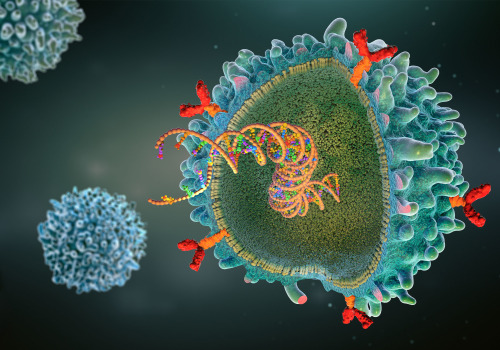
The structure of exosomes is characterised by a lipid bilayer membrane that protects their cargo from degradation. This membrane is composed of various lipids, including phospholipids and cholesterol, which contribute to the stability and functionality of exosomes. Embedded within this membrane are proteins that serve multiple roles, such as facilitating fusion with target cells and mediating specific signalling pathways. The composition of exosomal cargo can vary significantly depending on the cell type from which they originate and the physiological state of those cells.
Exosome Function
Exosomes are integral to cellular communication, acting as vehicles for transferring information between cells.
They can influence recipient cells by delivering their cargo, which may alter gene expression or modulate cellular responses. Some key functions of exosomes include:
- Cell Signalling: Exosomes can carry signalling molecules that activate or inhibit pathways in target cells.
- Immune Modulation: They play a role in immune responses by presenting antigens or modulating immune cell activity.
- Tissue Repair: Exosomes can promote tissue regeneration by delivering growth factors and other regenerative signals.
- Pathogen Defence: They may also be involved in the defence against pathogens by transporting antiviral or antibacterial agents.
The Role of Senescent Cells in Health and Disease
Senescent cells are a unique population of cells that have permanently exited the cell cycle, a state known as cellular senescence. This phenomenon can occur due to various stressors, including DNA damage, oxidative stress, and telomere shortening.While senescence serves as a protective mechanism against cancer by preventing the proliferation of damaged cells, it also has significant implications for health and disease.As we age, the accumulation of senescent cells in tissues can lead to a range of health issues. These cells are not merely dormant; they actively secrete a variety of pro-inflammatory cytokines, chemokines, and growth factors, collectively referred to as the senescence-associated secretory phenotype (SASP). The SASP can have both beneficial and detrimental effects on surrounding tissues.
Beneficial Roles of Senescent Cells
In the context of tissue repair and regeneration, senescent cells can play a crucial role. For instance, during wound healing, they can promote inflammation and recruit immune cells to the site of injury, facilitating the clearance of damaged cells and paving the way for tissue regeneration.This process is essential for maintaining homeostasis and ensuring that tissues can recover from injury.
Detrimental Effects of Senescent Cells
However, the persistent presence of senescent cells can lead to chronic inflammation and contribute to various age-related diseases. The SASP factors released by these cells can disrupt normal cellular functions in neighbouring healthy cells, leading to a phenomenon known as senescence spreading. This process has been implicated in several conditions, including:- Cardiovascular diseases: Senescent cells in vascular tissues can promote atherosclerosis by enhancing inflammation and contributing to plaque formation.
- Osteoarthritis: In joint tissues, senescent cells can secrete factors that degrade cartilage and exacerbate joint degeneration.
- Diabetes: The inflammatory environment created by senescent cells may impair insulin signalling and contribute to insulin resistance.
Understanding this balance is crucial for developing therapeutic strategies aimed at targeting senescent cells or modulating their secretory profiles to mitigate their negative effects on health.
The Senescence-Associated Secretory Phenotype (SASP)
The senescence-associated secretory phenotype, commonly referred to as SASP, represents a complex and multifaceted response of senescent cells. When cells enter a state of senescence, they cease to divide but remain metabolically active, leading to the secretion of a variety of bioactive molecules. This phenomenon is not merely a byproduct of aging; rather, it plays a significant role in both tissue homeostasis and the pathogenesis of various diseases.SASP is characterised by the release of an array of factors, including:- Pro-inflammatory cytokines: These molecules, such as interleukin-6 (IL-6) and interleukin-8 (IL-8), are pivotal in mediating inflammatory responses and can influence the behaviour of neighbouring cells.
- Chemokines: These signalling proteins attract immune cells to sites of tissue damage or stress, facilitating repair processes but also potentially exacerbating inflammation.
- Growth factors: Factors like transforming growth factor-beta (TGF-β) can promote tissue remodelling and repair but may also contribute to fibrosis if dysregulated.
- Extracellular matrix components: SASP can alter the composition of the extracellular matrix, impacting cell behaviour and tissue architecture.
This aspect is particularly evident in wound healing and recovery from injury, where SASP components facilitate the repair process.However, the detrimental effects of SASP cannot be overlooked. Chronic secretion of pro-inflammatory factors can lead to a persistent inflammatory state, contributing to the progression of age-related diseases such as cancer, cardiovascular diseases, and neurodegenerative disorders. The inflammatory milieu created by SASP can induce senescence in neighbouring healthy cells, propagating a cycle of dysfunction and disease.Moreover, the accumulation of senescent cells within tissues can disrupt normal cellular functions and contribute to tissue degeneration. This highlights the importance of understanding SASP not only as a protective mechanism but also as a potential driver of pathology.In summary, while SASP plays a crucial role in mediating responses to cellular stress and damage, its complex interplay between beneficial and harmful effects underscores the need for further research.
Understanding these dynamics is essential for developing therapeutic strategies that could target SASP components to mitigate their detrimental impacts while harnessing their beneficial properties.
Exosomes and Their Cargo: The Connection to Disease Development
Exosomes, the nanoscale vesicles secreted by various cell types, have emerged as pivotal players in intercellular communication, particularly in the context of disease development. These vesicles encapsulate a diverse array of molecular cargo, including proteins, lipids, and nucleic acids such as microRNAs (miRNAs) and messenger RNAs (mRNAs). The specific composition of exosomal cargo can significantly influence the behaviour of recipient cells, thereby contributing to the progression of various diseases.One of the most concerning aspects of exosomal biology is their role in mediating the effects of senescent cells. Senescence is a state where cells cease to divide but remain metabolically active, often in response to stressors like DNA damage or oxidative stress.Senescent cells secrete a range of factors collectively known as the senescence-associated secretory phenotype (SASP), which includes pro-inflammatory cytokines and growth factors. Exosomes derived from these senescent cells carry this SASP cargo, which can have profound implications for neighbouring healthy cells.
Implications of Exosomal Cargo in Disease Progression
- Diabetes: In diabetes, exosomes from senescent cells have been shown to carry miRNAs that impair insulin signalling pathways. This disruption can lead to increased insulin resistance in target tissues, exacerbating the disease's progression.
- Cardiovascular Diseases: Exosomes released from senescent cells within atherosclerotic plaques can promote inflammation and further senescence in vascular smooth muscle cells. This process contributes to plaque instability and increases the risk of cardiovascular events.
- Neurodegenerative Disorders: In conditions such as Alzheimer’s disease, exosomes may facilitate the spread of pathological proteins like tau and amyloid-beta.
The cargo within these exosomes can induce neuroinflammation and neuronal death, accelerating disease progression.
This understanding opens new avenues for therapeutic interventions aimed at modulating exosomal content to combat various diseases effectively.
Exosomal Therapy: Potential Benefits and Risks
Exosomal therapy has emerged as a promising avenue in regenerative medicine and disease treatment, leveraging the natural properties of exosomes to facilitate cellular communication and promote healing. However, as with any innovative therapeutic approach, it is essential to weigh the potential benefits against the associated risks.Potential Benefits of Exosomal Therapy
- Enhanced Regenerative Capacity: Exosomes derived from stem cells have shown remarkable potential in promoting tissue repair and regeneration. They carry a variety of bioactive molecules, including proteins, lipids, and nucleic acids, which can stimulate cellular processes such as proliferation and differentiation.
- Reduced Inflammation: Exosomal therapy can modulate inflammatory responses. By delivering anti-inflammatory cytokines and other mediators, exosomes can help mitigate chronic inflammation, which is a common underlying factor in many diseases.
- Targeted Delivery: One of the significant advantages of exosomal therapy is their ability to target specific cells or tissues.
This targeted delivery system enhances the therapeutic efficacy while minimising off-target effects, making treatments more effective and safer.
- Potential in Various Diseases: Research indicates that exosomal therapy may be beneficial in treating a range of conditions, including neurodegenerative diseases, cardiovascular disorders, and even certain types of cancer. Their versatility makes them a valuable tool in modern medicine.
Risks Associated with Exosomal Therapy
- Immunogenicity: Although exosomes are derived from human cells, there is still a risk of immune reactions. The introduction of foreign proteins or antigens may provoke an immune response, potentially leading to adverse effects.
- Contamination Risks: The isolation and purification processes for exosomes must be meticulously controlled to prevent contamination with pathogens or unwanted cellular debris. Contaminated exosomes could pose significant health risks to patients.
- Variable Efficacy: The therapeutic outcomes of exosomal therapy can vary significantly based on the source of the exosomes and the method of administration.
This variability can complicate treatment protocols and outcomes.
- Lack of Standardisation: Currently, there is no universally accepted standard for exosomal therapy protocols. This lack of standardisation can lead to inconsistencies in treatment efficacy and safety across different clinical settings.
Case Studies: Exosomes in Specific Diseases
Exosomes have emerged as pivotal players in the pathophysiology of various diseases, particularly diabetes and cancer. Their role in mediating intercellular communication and influencing disease progression has been substantiated through numerous case studies.Exosomes in Diabetes
One notable case study involved patients with type 2 diabetes, where researchers investigated the exosomal profiles of circulating blood samples.The study revealed that exosomes derived from adipose tissue contained specific microRNAs (miRNAs) that were significantly altered in diabetic patients compared to healthy controls. These miRNAs were found to impair insulin signalling pathways, thereby contributing to insulin resistance.Furthermore, another investigation focused on the role of exosomes in diabetic complications, particularly diabetic nephropathy. In this study, exosomes isolated from the urine of diabetic patients exhibited elevated levels of pro-inflammatory cytokines and miRNAs associated with fibrosis. This suggests that exosomes may serve as biomarkers for early detection of kidney damage in diabetes, highlighting their potential utility in clinical settings.
Exosomes in Cancer
The involvement of exosomes in cancer progression has also been extensively documented.A compelling case study examined the role of exosomes in breast cancer metastasis. Researchers found that cancer cells released exosomes containing specific miRNAs that facilitated the invasion of surrounding tissues and promoted angiogenesis. These findings underscore the potential of targeting exosomal pathways as a therapeutic strategy to inhibit tumour spread.In another case, a clinical trial investigated the use of exosomal therapy in patients with advanced pancreatic cancer. Patients received exosome-based treatments derived from mesenchymal stem cells, which were shown to enhance immune responses against tumour cells.
The results indicated a significant improvement in patient outcomes, suggesting that harnessing the therapeutic potential of exosomes could revolutionise cancer treatment.These case studies illustrate the dual nature of exosomes as both biomarkers and therapeutic agents across various diseases. As research continues to unfold, understanding the intricate roles of exosomes will be crucial for developing innovative strategies for disease management and treatment.
Future Directions in Exosomal Research and Therapy
The field of exosomal therapy is rapidly evolving, with numerous studies underway that aim to unlock the full potential of exosomes in treating various diseases. As researchers delve deeper into the mechanisms of exosome biology, several promising directions for future research and therapeutic applications are emerging.Advancements in Exosome Isolation and Characterization
One of the critical challenges in exosomal research is the efficient isolation and characterization of these vesicles. Future studies are likely to focus on developing more refined techniques for isolating exosomes from different biological fluids, such as blood, urine, and saliva.
Enhanced methods, such as microfluidics and nanotechnology-based approaches, could lead to higher purity and yield of exosomes, facilitating more accurate studies of their cargo.
Targeted Delivery Systems
Another exciting avenue is the engineering of exosomes for targeted drug delivery. By modifying the surface proteins of exosomes, researchers can potentially direct them to specific tissues or cells, thereby increasing the efficacy of therapeutic agents while minimizing side effects. This targeted approach could revolutionise treatments for conditions like cancer, where precision medicine is crucial.
Exosomes in Regenerative Medicine
Exosomes derived from stem cells have shown promise in regenerative medicine due to their ability to promote tissue repair and regeneration. Future research may explore their application in treating degenerative diseases such as osteoarthritis and cardiovascular disorders.
Understanding the specific molecular mechanisms by which stem cell-derived exosomes exert their effects will be vital for developing effective therapies.
Clinical Trials and Therapeutic Applications
As interest in exosomal therapy grows, more clinical trials are being initiated to evaluate their safety and efficacy in humans. These trials will provide invaluable data on how exosomes can be harnessed for therapeutic purposes across a range of diseases, including neurodegenerative disorders, autoimmune diseases, and metabolic syndromes.
Personalised Medicine
The integration of exosomal therapy into personalised medicine is another promising direction. By analysing the specific exosomal profiles of patients, clinicians may be able to tailor treatments based on individual needs and responses. This approach could enhance treatment outcomes and reduce adverse effects.In conclusion, the future of exosomal therapy is bright, with ongoing research poised to uncover new applications and refine existing methodologies.
As we continue to explore the intricate roles of exosomes in health and disease, we may find innovative solutions that significantly improve patient care.
Conclusion: The Complex Role of Exosomes in Disease Development
In summary, the exploration of exosomes and their multifaceted roles in disease development reveals a complex interplay between cellular communication and pathological processes. Throughout this article, we have delved into the dual nature of exosomes, particularly those released by senescent cells, which can both aid in tissue repair and contribute to disease progression.Exosomes serve as vital mediators of intercellular communication, carrying a diverse array of molecular cargo, including proteins, lipids, and microRNAs. This cargo can influence the behaviour of recipient cells, leading to beneficial outcomes such as tissue regeneration or detrimental effects that exacerbate disease states. The phenomenon of the senescence-associated secretory phenotype (SASP) exemplifies this duality, where the release of pro-inflammatory cytokines and other factors can promote healing but also facilitate the spread of senescence and inflammation.Moreover, we have highlighted how exosomal therapy holds promise as a potential therapeutic avenue.By harnessing the beneficial aspects of exosomes while mitigating their harmful effects, researchers are beginning to explore innovative strategies for treating various diseases. For instance, targeting specific microRNAs within exosomes could provide a means to modulate their impact on neighbouring cells, potentially reversing or preventing disease progression.However, it is crucial to acknowledge that the context in which exosomes operate significantly influences their effects. The same exosomal components that may be protective in one scenario could be harmful in another. This underscores the necessity for further research to unravel the intricate mechanisms governing exosome-mediated communication and their implications for health and disease.As we advance our understanding of exosomes, it becomes increasingly clear that these tiny vesicles are not merely passive bystanders in cellular processes but active participants in shaping health outcomes.
Continued investigation into their roles will not only enhance our comprehension of disease mechanisms but also pave the way for novel therapeutic interventions that leverage the power of exosomal therapy.