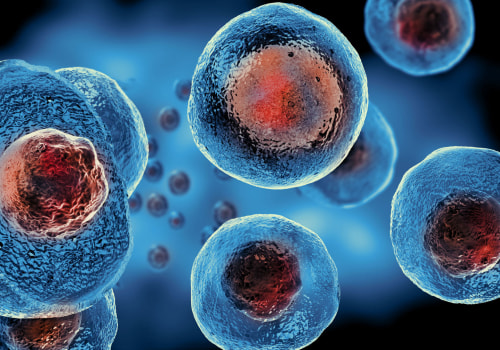
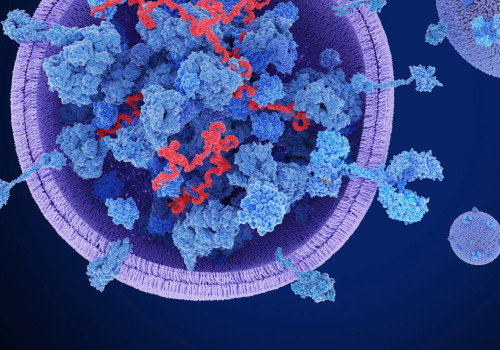
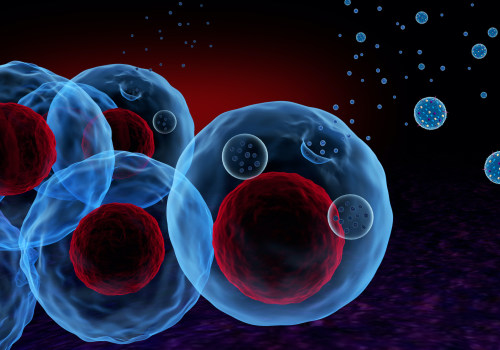
Exosomes are small extracellular vesicles that play a crucial role in intercellular communication. They are secreted by various cell types and contain a rich cargo of proteins, lipids, and nucleic acids, which can influence the behaviour of recipient cells. This unique ability to transfer molecular signals makes exosomes a focal point in regenerative medicine, particularly in the realm of hair growth. As researchers delve deeper into their biological functions, the potential applications of exosomal therapy for hair restoration are becoming increasingly evident.In the context of hair growth, exosomes derived from stem cells have shown promise in rejuvenating hair follicles and promoting new hair development.
Unlike traditional treatments that often address symptoms rather than underlying causes, exosomal therapy targets the cellular mechanisms responsible for hair loss. By harnessing the regenerative properties of exosomes, this innovative approach aims to stimulate dormant hair follicles and enhance overall scalp health.Understanding how exosomes work is essential to appreciating their role in hair restoration. When introduced into the scalp, these vesicles can activate various signalling pathways that encourage cellular proliferation and tissue repair. This process not only aids in the growth of new hair but also contributes to the thickening of existing strands, offering a dual benefit for those experiencing thinning hair.
As a result, exosomal therapy is emerging as a compelling alternative for individuals seeking effective solutions for alopecia and other forms of hair loss.
What is Exosomal Therapy?
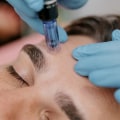
Exosomal therapy is an innovative treatment modality that harnesses the power of exosomes—tiny extracellular vesicles secreted by cells. These vesicles play a crucial role in intercellular communication, carrying proteins, lipids, and genetic material that can influence the behaviour of other cells. The origins of exosomal therapy can be traced back to advancements in stem cell research, where scientists discovered that exosomes derived from stem cells possess regenerative properties that can be beneficial for various medical applications, including hair restoration.The process of exosomal therapy typically involves isolating and purifying exosomes from mesenchymal stem cells, often sourced from human amniotic tissue. This is achieved through a patented extraction method that ensures the highest quality and concentration of exosomes.Once isolated, these exosomes are administered to the scalp through a minimally invasive procedure, often in conjunction with techniques such as microneedling to enhance absorption and efficacy.One of the primary benefits of exosomal therapy is its ability to rejuvenate hair follicles at a cellular level. Unlike traditional treatments that may only address the symptoms of hair loss, exosomal therapy targets the underlying biological processes that contribute to hair thinning and loss. By delivering growth factors and signalling molecules directly to the hair follicles, exosomes can stimulate cellular repair, promote new hair growth, and improve the overall health of existing hair.Moreover, exosomal therapy is considered a safer alternative to more invasive procedures like hair transplants. It typically involves minimal downtime and fewer side effects compared to conventional treatments.
Patients seeking natural alternatives or those who have not found success with other therapies may find exosomal therapy particularly appealing.In summary, exosomal therapy represents a promising frontier in the field of hair restoration. Its unique mechanism of action and potential benefits make it an exciting option for individuals experiencing hair loss or thinning. As research continues to evolve, we may see even broader applications for this cutting-edge treatment in various aspects of regenerative medicine.
The Science Behind Exosomes and Hair Follicle Regeneration
Exosomes are small extracellular vesicles that play a crucial role in intercellular communication, particularly in the context of tissue regeneration and repair. These vesicles are secreted by various cell types, including stem cells, and contain a rich cargo of proteins, lipids, and nucleic acids that can influence the behaviour of recipient cells.In the realm of hair follicle regeneration, exosomes have emerged as a promising therapeutic option due to their ability to modulate cellular processes that are essential for hair growth.One of the primary mechanisms by which exosomes promote hair follicle regeneration is through their interaction with stem cells. Hair follicles contain a population of stem cells that are responsible for the cycling and regeneration of hair. Exosomes derived from mesenchymal stem cells (MSCs) have been shown to enhance the proliferation and differentiation of these hair follicle stem cells. This interaction not only stimulates new hair growth but also contributes to the overall health and vitality of existing hair follicles.Moreover, exosomes facilitate the delivery of growth factors directly to target cells within the scalp.
These growth factors are vital for various biological processes, including angiogenesis (the formation of new blood vessels), which is essential for providing nutrients and oxygen to hair follicles. By enhancing blood flow and nutrient supply, exosomes can create an optimal environment for hair growth.Scientific studies have begun to elucidate the specific pathways through which exosomes exert their effects on hair follicles. For instance, research has indicated that exosomes can upregulate key signalling pathways involved in hair follicle development, such as the Wnt/β-catenin pathway. This pathway is critical for maintaining the anagen phase (the active growth phase) of hair follicles, thereby promoting sustained hair growth.Additionally, exosomal therapy has been shown to reduce inflammation in the scalp, which is often a contributing factor to hair loss conditions such as alopecia areata.
By modulating inflammatory responses, exosomes can help create a more conducive environment for hair follicle regeneration.In summary, the science behind exosomes and their role in hair follicle regeneration is grounded in their ability to enhance stem cell activity, deliver essential growth factors, and modulate inflammatory responses. As research continues to unfold, exosomal therapy may well represent a significant advancement in the treatment of various forms of hair loss.
Comparing Exosomal Therapy to Traditional Hair Loss Treatments
When considering options for hair restoration, it is essential to understand the differences between exosomal therapy and traditional treatments such as Platelet-Rich Plasma (PRP). Both methods aim to stimulate hair growth, but they do so through distinct mechanisms and with varying degrees of effectiveness.Mechanism of Action
- Exosomal Therapy: This innovative approach utilises exosomes, which are tiny vesicles secreted by cells that carry proteins, lipids, and genetic material. These exosomes are derived from mesenchymal stem cells and are believed to rejuvenate hair follicles by promoting cellular communication and regeneration.
They target the scalp's existing stem cells, enhancing their ability to produce new hair.
- PRP Therapy: In contrast, PRP involves drawing a patient’s blood, processing it to concentrate the platelets, and injecting this rich plasma back into the scalp. The growth factors in PRP are thought to stimulate tissue repair and encourage hair follicle activity. However, PRP primarily focuses on healing rather than directly rejuvenating the stem cells.
Effectiveness and Patient Outcomes
Clinical studies have shown promising results for both treatments, but there are notable differences in their effectiveness:
- Exosomal Therapy: Emerging research indicates that exosomal therapy may lead to not only new hair growth but also thicker and healthier hair strands. Patients often report visible improvements within a few months of treatment.
- PRP Therapy: While many patients experience some degree of hair regrowth with PRP, results can be inconsistent.
Some individuals may see significant improvement, while others may notice minimal changes.
Safety and Recovery
Both treatments are considered minimally invasive; however, exosomal therapy typically involves less discomfort and downtime compared to PRP. Patients undergoing PRP may experience bruising or swelling at the injection sites, while exosomal therapy is generally well-tolerated with fewer side effects.
Conclusion
In summary, while both exosomal therapy and PRP offer potential benefits for those experiencing hair loss, exosomal therapy appears to provide a more targeted approach by rejuvenating the scalp's stem cells directly. As research continues to evolve in this field, patients should consult with healthcare professionals to determine the most suitable treatment based on their individual needs and conditions.
Clinical Evidence Supporting Exosomal Therapy for Hair Growth
Recent clinical studies have begun to shed light on the potential of exosomal therapy as a viable treatment for hair loss. These studies focus on the ability of exosomes to stimulate hair growth by rejuvenating hair follicles at a cellular level, offering a promising alternative to traditional treatments.One significant study published in a peer-reviewed journal examined the effects of exosomal therapy on patients suffering from androgenetic alopecia, a common form of hair loss.The researchers found that patients who received exosomal injections showed a marked increase in hair density and thickness compared to those who did not receive the treatment. This study highlighted the role of exosomes in promoting the proliferation of dermal papilla cells, which are crucial for hair follicle development.Another clinical trial focused on the use of exosomes derived from adipose-derived stem cells (ADSCs). The results indicated that these exosomes not only enhanced hair growth but also improved the overall health of the scalp. Participants reported less inflammation and improved skin texture, suggesting that exosomal therapy may have additional benefits beyond hair restoration.Moreover, a comparative study between exosomal therapy and platelet-rich plasma (PRP) treatment revealed that exosomes could provide superior results in terms of hair regrowth.
While both treatments aim to stimulate hair follicles, exosomes appear to offer a more comprehensive approach by delivering a broader range of growth factors and proteins that facilitate cellular communication and regeneration.Despite these promising findings, it is essential to note that further research is needed to establish long-term efficacy and safety. Many studies have been conducted on small sample sizes, and larger-scale trials are necessary to validate these initial results. Additionally, while anecdotal evidence and before-and-after photos can be compelling, they should be interpreted with caution until supported by rigorous scientific data.In conclusion, the emerging body of clinical evidence suggests that exosomal therapy holds significant promise for individuals experiencing hair loss. As research continues to evolve, it may pave the way for more effective and less invasive treatment options for those seeking solutions for thinning hair.
Potential Risks and Considerations of Exosomal Therapy
While exosomal therapy for hair growth presents a promising avenue for those experiencing hair loss, it is essential to consider the potential risks and side effects associated with this treatment.As with any medical procedure, understanding these factors can help individuals make informed decisions about their health.One of the primary concerns regarding exosomal therapy is the lack of extensive clinical research. Although preliminary studies indicate positive outcomes, rigorous long-term studies on human subjects are still limited. This absence of comprehensive data raises questions about the safety and efficacy of exosomal treatments, particularly in diverse populations with varying health conditions.Another important consideration is the possibility of adverse reactions. While exosomal therapy is generally regarded as minimally invasive, some patients may experience side effects similar to those associated with other hair restoration treatments.
These can include:
- Pain or discomfort at the injection site
- Swelling or redness in the treated area
- Itching or irritation
- Infection , although rare, can occur if proper hygiene practices are not followed
Therefore, a thorough consultation with a qualified healthcare professional is vital to assess whether this therapy aligns with an individual's unique circumstances.In conclusion, while exosomal therapy offers exciting potential for hair growth, it is accompanied by certain risks and considerations that should not be overlooked. Engaging in open discussions with healthcare providers can help mitigate these risks and ensure that patients receive safe and effective treatment tailored to their needs.
Who Can Benefit from Exosomal Therapy?
Exosomal therapy is emerging as a promising treatment for hair loss, but not everyone may be an ideal candidate. Understanding who can benefit from this innovative approach is crucial for those considering it as a solution for their hair thinning or loss.Individuals with Androgenetic Alopecia
One of the primary groups that may find exosomal therapy beneficial is those suffering from androgenetic alopecia, commonly known as male or female pattern baldness. This condition is characterised by a progressive thinning of hair, often starting at the temples or crown of the head.
Exosomal therapy targets the underlying biological processes that contribute to this type of hair loss, potentially rejuvenating hair follicles and promoting new growth.
Patients with Alopecia Areata
Alopecia areata is an autoimmune disorder that leads to sudden hair loss in patches. Individuals experiencing this condition may also consider exosomal therapy, as it aims to enhance the body’s natural healing processes and stimulate hair regrowth in affected areas.
Those Seeking Non-Invasive Solutions
For individuals who prefer non-invasive treatments over surgical options like hair transplants, exosomal therapy presents a less invasive alternative. It involves minimal discomfort and downtime, making it suitable for those who wish to avoid more aggressive procedures.
People with Previous Treatment Failures
Individuals who have tried traditional treatments such as minoxidil or finasteride without success may find hope in exosomal therapy. This treatment focuses on rejuvenating hair follicles at a cellular level, which may provide results where other methods have failed.
Aging Individuals
As people age, hair density often decreases due to hormonal changes and reduced blood circulation to the scalp.
Exosomal therapy can be particularly appealing for older adults looking to combat age-related hair thinning, as it aims to revitalise dormant hair follicles and promote healthier growth.
Those Interested in Natural Alternatives
For individuals seeking natural alternatives to conventional treatments, exosomal therapy offers a biologically-based approach. Since exosomes are derived from human mesenchymal stem cells, they harness the body’s own regenerative capabilities, making them an attractive option for those wary of synthetic drugs.In conclusion, exosomal therapy holds promise for various individuals facing different types of hair loss. However, it is essential for potential candidates to consult with healthcare professionals to determine their suitability for this innovative treatment and discuss any underlying health conditions that may affect their eligibility.
What to Expect During an Exosomal Therapy Session
Undergoing exosomal therapy for hair growth is a process that involves several key steps, each designed to ensure the best possible outcomes for patients. Understanding what to expect during your treatment can help alleviate any concerns and prepare you for the experience.Preparation for Exosomal Therapy
- Initial Consultation: Before the procedure, you will have a thorough consultation with a qualified healthcare provider.
This session typically includes a discussion of your medical history, current medications, and specific hair loss concerns. The provider will assess your scalp and may recommend additional tests to determine the most effective treatment plan.
- Pre-Treatment Guidelines: You may be advised to avoid blood thinners, alcohol, and certain supplements in the days leading up to your appointment. This helps minimise any potential complications during the procedure.
The Exosomal Therapy Procedure
On the day of your treatment, you can expect the following:
- Scalp Preparation: The area of your scalp where treatment will occur is cleaned thoroughly to remove any oils or products that could interfere with the procedure.
- Anesthesia: To ensure comfort during the treatment, a local anaesthetic may be applied to the scalp. This helps minimise any discomfort associated with the injections.
- Exosome Injection: Using a fine needle, the healthcare provider will inject exosomes into specific areas of your scalp.
These exosomes are derived from mesenchymal stem cells and are rich in growth factors that promote hair follicle rejuvenation. The process typically takes about 30 to 60 minutes, depending on the extent of treatment required.
Post-Treatment Care
After your exosomal therapy session, it’s essential to follow specific aftercare instructions to optimise results:
- Avoid Washing Hair: For at least 24 hours post-treatment, refrain from washing your hair to allow the exosomes to settle into the follicles.
- No Heat Styling: Avoid using heat styling tools or exposing your scalp to excessive heat for several days following treatment.
- Follow-Up Appointments: Regular follow-up visits may be scheduled to monitor progress and determine if additional treatments are necessary.
Frequently Asked Questions About Exosomal Therapy for Hair Growth
As interest in exosomal therapy for hair growth continues to rise, many potential patients have questions and concerns about this innovative treatment.Below, we address some of the most frequently asked questions to provide clarity and reassurance.
What are exosomes and how do they work for hair growth?
Exosomes are tiny vesicles secreted by cells that play a crucial role in cell communication. They contain proteins, lipids, and genetic material that can influence the behaviour of other cells. In the context of hair growth, exosomes derived from mesenchymal stem cells are believed to rejuvenate hair follicles by delivering growth factors and signalling molecules that promote cellular repair and regeneration.Is exosomal therapy safe?
Exosomal therapy is generally considered safe, especially when performed by qualified professionals. Since exosomes are derived from human amniotic mesenchymal stem cells, they are less likely to provoke an immune response compared to other treatments.However, as with any medical procedure, it is essential to consult with a healthcare provider to discuss individual health conditions and potential risks.
How many sessions of exosomal therapy are needed for noticeable results?
The number of sessions required can vary based on individual needs and the severity of hair loss. Many clinics recommend a series of treatments spaced several weeks apart to achieve optimal results. Patients often begin to notice improvements in hair density and thickness within a few months following their initial treatment.Can exosomal therapy be combined with other hair loss treatments?
Yes, exosomal therapy can be effectively combined with other treatments such as platelet-rich plasma (PRP) therapy or topical solutions. This combination approach may enhance overall results by targeting multiple pathways involved in hair growth.Are there any side effects associated with exosomal therapy?
While side effects are generally minimal, some patients may experience mild discomfort at the injection site, swelling, or temporary redness.These effects typically resolve quickly. It is important to follow post-treatment care instructions provided by your healthcare provider to minimise any potential side effects.
Who is a suitable candidate for exosomal therapy?
Exosomal therapy may be suitable for individuals experiencing various types of hair loss, including androgenetic alopecia (male and female pattern baldness) and alopecia areata. However, a thorough evaluation by a healthcare professional is necessary to determine if this treatment aligns with your specific condition and goals.If you have further questions or concerns about exosomal therapy for hair growth, it is advisable to consult with a specialist who can provide personalised guidance based on your unique situation.Conclusion: Is Exosomal Therapy the Future of Hair Restoration?
As we draw our exploration of exosomal therapy for hair restoration to a close, it is essential to reflect on the significant insights gathered throughout this discussion. The potential of exosomes in promoting hair growth and improving hair density presents a compelling case for their consideration as a viable treatment option for individuals grappling with hair loss.Exosomal therapy stands out due to its innovative approach, targeting the underlying biological mechanisms that contribute to hair thinning and loss.Unlike traditional treatments that often focus solely on symptomatic relief, exosomes work at a cellular level, rejuvenating hair follicles and stimulating new growth. This method not only addresses the immediate concerns of hair loss but also aims to restore the health of the scalp and hair follicles over time.Moreover, the minimally invasive nature of exosomal therapy is a significant advantage. Patients seeking alternatives to more aggressive procedures, such as hair transplants or chemical treatments, may find exosomal therapy an appealing option. With no downtime required and a lower risk of complications, it offers a safe pathway for those looking to enhance their hair growth journey.However, it is crucial to approach this emerging treatment with a balanced perspective.
While preliminary studies and anecdotal evidence suggest promising outcomes, the field still requires rigorous clinical trials to establish definitive safety and efficacy profiles. As research continues to evolve, it will be vital for potential patients to stay informed and consult healthcare professionals before embarking on any new treatment regimen.In conclusion, while exosomal therapy may not yet be a universally accepted solution for hair restoration, its innovative approach and potential benefits make it a noteworthy contender in the landscape of hair loss treatments. As science progresses and our understanding deepens, exosomal therapy could very well become a cornerstone in the future of hair restoration, offering hope to many who seek effective solutions for their hair loss challenges.