In recent years, the fields of gene therapy and cell therapy have emerged as groundbreaking approaches in the treatment of various diseases, offering hope where traditional therapies have often fallen short. These innovative treatments aim to address the underlying causes of diseases by either modifying or replacing faulty genes or by repairing and regenerating damaged cells. The significance of these therapies cannot be overstated, as they represent a shift towards more personalised medicine, targeting the specific genetic and cellular abnormalities that contribute to a patient's condition.The role of the FDA in this landscape is crucial, as it is responsible for evaluating and approving these therapies to ensure their safety and efficacy. Over the past few years, the FDA has granted approval to several gene and cell therapy products for conditions such as cancer, genetic disorders, and rare diseases.
This regulatory oversight not only instills confidence in patients and healthcare providers but also encourages ongoing research and development in these fields. As a result, we are witnessing a rapid expansion of clinical trials and new treatment options that were once considered science fiction.Among the most exciting advancements in this arena is exosomal therapy , which utilises exosomes—tiny vesicles secreted by cells—to facilitate communication between cells and deliver therapeutic agents. This novel approach harnesses the natural properties of exosomes to enhance the delivery of genetic material or proteins directly to target cells, potentially improving treatment outcomes while minimising side effects. As research continues to unfold, exosomal therapy may play a pivotal role in the future of gene and cell therapy, offering new avenues for treating complex diseases.
Understanding Exosomal Therapy
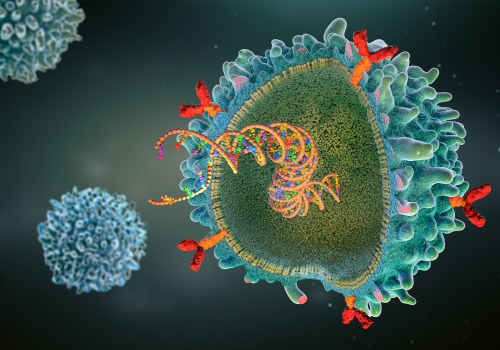
Exosomal therapy is an innovative approach in the field of regenerative medicine and targeted drug delivery, leveraging the natural properties of exosomes—small extracellular vesicles secreted by various cell types.These vesicles play a crucial role in intercellular communication, facilitating the transfer of proteins, lipids, and genetic material between cells. By harnessing these biological carriers, exosomal therapy aims to enhance therapeutic outcomes in a range of diseases.
Mechanism of Action
The mechanism behind exosomal therapy involves the isolation and application of exosomes derived from specific cell types, such as stem cells. These exosomes can carry bioactive molecules that promote healing and regeneration. When administered to patients, they can modulate immune responses, reduce inflammation, and promote tissue repair.
This targeted delivery system allows for a more efficient therapeutic effect while minimising potential side effects associated with traditional drug therapies.
Benefits of Exosomal Therapy
- Minimally Invasive: Exosomal therapy can often be administered through non-invasive methods, reducing patient discomfort and recovery time.
- Targeted Delivery: The ability of exosomes to target specific cells enhances the efficacy of treatments while limiting systemic exposure to drugs.
- Biocompatibility: As naturally occurring entities in the body, exosomes are generally well-tolerated, reducing the risk of adverse reactions.
- Versatility: Exosomal therapy has shown promise across various medical fields, including oncology, neurology, and cardiology.
Applications of Exosomal Therapy
The applications of exosomal therapy are vast and continue to expand as research progresses. Some notable areas include:
- Cancer Treatment: Exosomes can be engineered to deliver chemotherapeutic agents directly to tumour cells, enhancing treatment efficacy while minimising damage to healthy tissues.
- Neurodegenerative Diseases: In conditions like Alzheimer’s and Parkinson’s disease, exosomes may facilitate the delivery of neuroprotective factors that can slow disease progression.
- Tissue Regeneration: In orthopaedics and wound healing, exosomes derived from stem cells have been shown to promote tissue repair and regeneration effectively.
FDA Approval Process for Gene and Cell Therapies
The approval process for gene and cell therapies by the FDA is a rigorous and multi-faceted journey designed to ensure the safety and efficacy of these innovative treatments. Understanding this process is crucial for patients, healthcare providers, and researchers alike, as it underpins the legitimacy of therapies that have the potential to transform lives.Initially, the development of a gene or cell therapy begins with preclinical research.During this phase, scientists conduct laboratory studies and animal testing to gather preliminary data on the therapy's safety and biological activity. This foundational research is essential for identifying potential risks and therapeutic benefits before human trials can commence.Once preclinical data is deemed promising, developers submit an Investigational New Drug (IND) application to the FDA. This application must include comprehensive information about the therapy, including its composition, manufacturing process, and results from preclinical studies. The FDA reviews this application to ensure that the proposed clinical trials will not expose participants to unreasonable risks.Following IND approval, clinical trials are conducted in three phases:
- Phase 1: This phase primarily focuses on safety.
A small group of participants receives the therapy to assess its safety profile, determine appropriate dosages, and identify any side effects.
- Phase 2: In this phase, the therapy is administered to a larger group of patients to evaluate its efficacy and further assess safety. Researchers look for signs that the therapy works as intended.
- Phase 3: This phase involves an even larger population and aims to confirm effectiveness, monitor side effects, and compare the new therapy against standard treatments. Successful completion of Phase 3 trials is often required for regulatory approval.
This process can take several months to years, depending on the complexity of the therapy and the data provided.Moreover, post-marketing surveillance is crucial after approval. The FDA continues to monitor approved therapies through various mechanisms to ensure ongoing safety and efficacy in the general population. This vigilance helps identify any long-term effects that may not have been evident during clinical trials.In summary, while the path to FDA approval for gene and cell therapies is intricate and demanding, it serves as a vital safeguard for patients seeking cutting-edge treatments. The thorough evaluation process ensures that only therapies meeting stringent safety and efficacy standards reach clinical practice.
Current FDA-Approved Gene and Cell Therapies
The landscape of gene and cell therapies has evolved significantly, with the FDA approving a range of innovative treatments aimed at addressing various medical conditions.These therapies harness the power of genetic modification and cellular manipulation to provide targeted solutions for diseases that were previously difficult to treat.Below is a comprehensive list of currently FDA-approved gene and cell therapies, along with their indications and mechanisms of action:
- Luxturna (voretigene neparvovec-rzyl)
Indication: Treatment of inherited retinal disease caused by mutations in the RPE65 gene.
Mechanism: This gene therapy delivers a normal copy of the RPE65 gene directly to retinal cells, enabling them to produce the necessary protein for vision. - Zolgensma (onasemnogene abeparvovec-xioi)
Indication: Treatment of spinal muscular atrophy (SMA) in children under two years old. Treatment of spinal muscular atrophy (SMA) in children under two years old.
Mechanism: It replaces the missing or non-functional SMN1 gene, which is crucial for motor neuron health. - Kymriah (tisagenlecleucel)
Indication: Treatment of certain types of blood cancers, including acute lymphoblastic leukaemia (ALL) and large B-cell lymphoma.
Mechanism: This CAR T-cell therapy modifies a patient’s T cells to better identify and attack cancer cells. - Yescarta (axicabtagene ciloleucel)
Indication: Treatment of adult patients with relapsed or refractory large B-cell lymphoma.
Mechanism: Similar to Kymriah, it involves engineering T cells to target CD19-positive B cells. - Strimvelis
Indication: Treatment of adenosine deaminase deficiency (ADA-SCID), a rare genetic disorder.
Mechanism: This therapy uses autologous stem cells modified to express the ADA enzyme, restoring immune function. - Aav-2 (Adeno-associated virus serotype 2)
Indication: Gene therapy for various inherited disorders, including hemophilia B.
Mechanism: It delivers a functional copy of the factor IX gene to liver cells, enabling proper blood clotting.
The Role of Exosomal Therapy in Clinical Settings
Exosomal therapy is emerging as a promising frontier in the realm of regenerative medicine and therapeutic interventions. Exosomes, which are nano-sized extracellular vesicles secreted by various cell types, play a crucial role in intercellular communication and have garnered significant attention for their potential applications in clinical settings.One of the most compelling aspects of exosomal therapy is its ability to facilitate targeted drug delivery. Exosomes can encapsulate therapeutic agents, including proteins, RNA, and small molecules, and transport them to specific cells or tissues.This targeted approach not only enhances the efficacy of treatments but also minimizes side effects, making it a highly desirable option in clinical practice.
Clinical Applications of Exosomal Therapy
Currently, exosomal therapy is being explored for a variety of medical conditions. Some notable applications include:- Cancer Treatment: Exosomes derived from cancer cells can be engineered to deliver chemotherapeutic agents directly to tumour sites, potentially improving treatment outcomes while reducing systemic toxicity.
- Cardiovascular Diseases: Exosomes from stem cells have shown promise in promoting cardiac repair and regeneration following myocardial infarction by enhancing angiogenesis and reducing inflammation.
- Neurological Disorders: Research indicates that exosomes may play a role in neuroprotection and regeneration in conditions such as Alzheimer’s disease and multiple sclerosis.
- Autoimmune Diseases: Exosomal therapy is being investigated for its potential to modulate immune responses in autoimmune conditions, offering a novel approach to treatment.
Ongoing Clinical Trials
The integration of exosomal therapy into clinical practice is supported by numerous ongoing clinical trials. These studies aim to evaluate the safety and efficacy of exosome-based treatments across various diseases. For instance, trials are currently assessing the use of exosomes derived from mesenchymal stem cells (MSCs) for their ability to promote healing in chronic wounds and enhance recovery post-surgery.Moreover, advancements in biomanufacturing techniques are facilitating the production of exosome-based therapeutics at scale, which is essential for their widespread clinical application.As researchers continue to uncover the mechanisms underlying exosome function and their therapeutic potential, we can expect an increase in innovative treatments that leverage these powerful biological entities.In conclusion, exosomal therapy represents a significant advancement in medical science with the potential to revolutionise treatment paradigms across various fields. As ongoing research and clinical trials progress, the hope is that exosomal therapies will become a staple in clinical settings, offering new avenues for patient care and improved health outcomes.
Challenges and Limitations of Gene and Cell Therapies
While gene and cell therapies, including exosomal therapy, hold immense promise for treating various diseases, they are not without their challenges and limitations. Understanding these obstacles is essential for both patients and healthcare providers as they navigate the evolving landscape of these innovative treatments.Safety Concerns
One of the primary challenges associated with gene therapy is safety. The introduction of modified genes into a patient's body can lead to unintended consequences, such as immune reactions or insertional mutagenesis, where the new genetic material disrupts existing genes.These risks necessitate rigorous preclinical and clinical testing to ensure that therapies are safe before they are made widely available.
Accessibility Issues
Another significant limitation is accessibility. Many gene and cell therapies are currently available only through clinical trials or specialised treatment centres, which can be geographically limited. This creates disparities in access, particularly for patients in rural or underserved areas. Furthermore, the high cost of these therapies often places them out of reach for many individuals, raising ethical concerns about equity in healthcare.Regulatory Hurdles
The regulatory landscape for gene and cell therapies is complex and continually evolving.The FDA has established guidelines to ensure the safety and efficacy of these treatments; however, the approval process can be lengthy and cumbersome. This can delay the availability of potentially life-saving therapies to patients who need them urgently.
Risks Associated with Exosomal Therapy
Exosomal therapy, which utilises extracellular vesicles to deliver therapeutic agents, presents its own set of challenges. While exosomes have shown promise in mediating intercellular communication and drug delivery, their production and purification can be technically demanding. Additionally, there is still much to learn about their long-term effects on human health, including potential immunogenicity and off-target effects.In conclusion, while gene and cell therapies represent a revolutionary approach to treating diseases, it is crucial to address the associated challenges.Ongoing research and collaboration among scientists, clinicians, and regulatory bodies will be vital in overcoming these hurdles and ensuring that these innovative treatments are safe, accessible, and effective for all patients.
Future Directions in Gene and Cell Therapy Research
The landscape of gene and cell therapy is rapidly evolving, with significant advancements paving the way for innovative treatments that could revolutionise patient care. One of the most promising areas of research is exosomal therapy, which utilises exosomes—small extracellular vesicles that facilitate intercellular communication—to deliver therapeutic agents directly to target cells.Exosomes are naturally occurring and play a crucial role in various biological processes, including immune response and tissue repair. Their ability to encapsulate proteins, lipids, and nucleic acids makes them ideal candidates for drug delivery systems. Researchers are increasingly exploring how exosomes can be engineered to enhance their therapeutic potential, particularly in the context of gene therapy.One exciting direction in this field is the development of exosome-based therapies that can carry genetic material to treat genetic disorders.By loading exosomes with corrected genes or RNA molecules, scientists aim to create a more efficient and less invasive method of gene delivery compared to traditional viral vectors. This approach not only reduces the risk of immune reactions but also improves the stability and bioavailability of the therapeutic agents.Moreover, ongoing studies are investigating the role of exosomes in modulating immune responses, which could have profound implications for cancer therapy. For instance, exosomes derived from immune cells can be used to enhance anti-tumour immunity by presenting tumour antigens to T cells. This strategy could lead to more effective cancer vaccines and immunotherapies.As research progresses, we can expect to see a surge in clinical trials focusing on exosomal therapies.
These trials will likely explore various applications, from treating neurodegenerative diseases to enhancing regenerative medicine approaches. The versatility of exosomes positions them as a cornerstone in the future of gene therapy and cell therapy.In conclusion, the future of gene and cell therapy is bright, with exosomal therapy at the forefront of innovation. As researchers continue to unlock the potential of these tiny vesicles, we may witness a new era of targeted therapies that offer hope for conditions previously deemed untreatable.
Frequently Asked Questions about Exosomal Therapy
Exosomal therapy is an emerging field that has garnered significant interest in recent years, particularly in relation to gene and cell therapies. Below are some frequently asked questions that can help clarify the nuances of exosomal therapy and its applications.What are exosomes?
Exosomes are small extracellular vesicles that are secreted by various cell types.They play a crucial role in intercellular communication by transporting proteins, lipids, and RNA between cells. This unique ability makes them a focal point in therapeutic research, especially for their potential to deliver therapeutic agents directly to target cells.
How does exosomal therapy differ from traditional gene therapy?
While traditional gene therapy involves the direct modification of a patient's genes to treat diseases, exosomal therapy utilises the natural properties of exosomes to facilitate the delivery of genetic material or therapeutic molecules. This method can enhance the efficacy and safety of treatments by reducing off-target effects and improving cellular uptake.What conditions can exosomal therapy potentially treat?
Exosomal therapy shows promise in treating a variety of conditions, including:- Cancer: Exosomes can be engineered to deliver anti-cancer agents directly to tumour cells.
- Neurodegenerative diseases: They may help in delivering neuroprotective factors to affected neurons.
- Cardiovascular diseases: Exosomes derived from stem cells can promote tissue repair and regeneration.
Are there any FDA-approved exosomal therapies available?
As of now, exosomal therapies are primarily in the research phase, with many clinical trials underway. While some products may be available through compassionate use or clinical trials, there are currently no FDA-approved exosomal therapies for general clinical use.What are the advantages of using exosomes in therapy?
The advantages of exosomal therapy include:- Biocompatibility: Exosomes are naturally occurring and generally well-tolerated by the body.
- Targeted delivery: They can be engineered to target specific cells or tissues, enhancing treatment efficacy.
- Reduced side effects: By minimising off-target effects, exosomal therapies may lead to fewer adverse reactions compared to traditional therapies.
As research progresses, we may see more concrete answers regarding its efficacy and safety in clinical settings.
Conclusion: The Promise of Exosomal Therapy in Modern Medicine
As we draw our exploration of FDA-approved gene and cell therapies to a close, it is essential to reflect on the remarkable advancements that have been made in the field of regenerative medicine. The approval of various gene therapies for conditions such as cancer, spinal muscular atrophy, and hemophilia marks a significant milestone in medical science, offering hope to patients who previously faced limited treatment options. These therapies not only represent a leap forward in our understanding of genetic disorders but also highlight the potential for personalised medicine tailored to individual patient needs.Among the most exciting developments in this arena is exosomal therapy, which has emerged as a promising avenue for future treatments. Exosomes, small extracellular vesicles secreted by cells, play a crucial role in intercellular communication and have been identified as key players in various biological processes, including immune response and tissue repair.Their ability to carry proteins, lipids, and nucleic acids makes them ideal candidates for therapeutic applications.One of the most compelling aspects of exosomal therapy is its potential to enhance the efficacy of existing treatments. By utilising exosomes derived from stem cells or other therapeutic cells, researchers are exploring ways to improve drug delivery systems, target specific tissues more effectively, and reduce side effects associated with conventional therapies. This innovative approach could revolutionise how we treat complex diseases, including neurodegenerative disorders and cardiovascular diseases.Moreover, the ongoing research into exosomal therapy underscores the importance of continued investment in clinical trials and studies aimed at understanding their mechanisms of action. As we gather more data on their safety and efficacy, it is likely that we will see an increase in FDA approvals for exosomal-based treatments in the coming years.In conclusion, while the landscape of gene and cell therapy continues to evolve rapidly, exosomal therapy stands out as a beacon of hope for future medical breakthroughs.
The integration of these advanced therapies into clinical practice not only promises to enhance patient outcomes but also paves the way for a new era of personalised medicine that prioritises patient-specific solutions. As we look ahead, it is crucial to remain optimistic about the potential of these innovative therapies to transform healthcare and improve lives around the world.