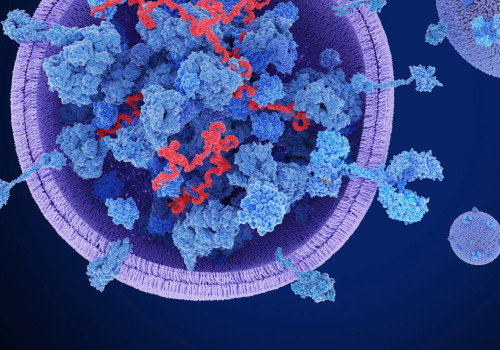
Gene therapy represents a groundbreaking approach in modern medicine, aiming to treat or even cure genetic disorders by directly modifying the genes within an individual's cells. This innovative technique involves the introduction of a healthy copy of a gene to replace a faulty one, thereby restoring normal function. The potential of gene therapy is vast, offering hope for conditions that were previously deemed untreatable, such as certain inherited diseases, some types of cancer, and viral infections. As the field evolves, it has garnered significant attention from researchers and healthcare professionals alike, paving the way for new therapeutic strategies.One of the most exciting developments within gene therapy is the emergence of exosomal therapy.
Exosomes are small extracellular vesicles that play a crucial role in intercellular communication. They can transport proteins, lipids, and nucleic acids between cells, making them a promising vehicle for delivering therapeutic agents. By harnessing the natural properties of exosomes, researchers are exploring their potential to enhance gene delivery systems, improve treatment efficacy, and reduce side effects associated with traditional gene therapy methods. This innovative approach not only holds promise for enhancing existing therapies but also opens new avenues for treating complex diseases.The first gene therapy to receive approval in Europe was Glybera, which marked a significant milestone in the history of medical science.
Glybera was developed to treat lipoprotein lipase deficiency (LPLD), a rare genetic disorder that can lead to severe pancreatitis and other complications. By using an adeno-associated viral vector to deliver a functional copy of the LPL gene directly into muscle cells, Glybera aimed to restore the production of the enzyme necessary for fat metabolism. Despite its groundbreaking nature, Glybera's journey was fraught with challenges, including regulatory hurdles and questions regarding its long-term efficacy.As we delve deeper into the story of Glybera and its implications for the future of gene therapy and exosomal therapy, it becomes clear that these advancements are not just scientific achievements; they represent a paradigm shift in how we understand and treat genetic disorders. The ongoing research in this field continues to inspire hope for patients and their families, as well as for the broader medical community striving to unlock the full potential of gene-based therapies.
Understanding Gene Therapy
Gene therapy represents a revolutionary approach in the field of medicine, aiming to treat or even cure genetic disorders by directly modifying the genes within an individual's cells.This innovative technique harnesses the power of genetic material to address the root causes of diseases, rather than merely alleviating symptoms.
What is Gene Therapy?
At its core, gene therapy involves the introduction, removal, or alteration of genetic material within a patient's cells. The primary goal is to correct defective genes responsible for disease development. By delivering healthy copies of genes or repairing faulty ones, gene therapy can restore normal function and potentially reverse the effects of genetic disorders.
Mechanisms of Gene Therapy
Gene therapy operates through several mechanisms, each tailored to address specific types of genetic issues:
- Gene Replacement: This method involves inserting a normal gene to replace a non-functional or missing gene. For instance, in conditions like cystic fibrosis, introducing a functional copy of the CFTR gene can help restore proper lung function.
- Gene Editing: Techniques such as CRISPR-Cas9 allow for precise modifications of DNA sequences.
This approach can correct mutations at specific locations in the genome, offering a targeted solution for genetic disorders.
- Gene Silencing: In some cases, it may be beneficial to silence or inhibit the expression of a faulty gene. This can be achieved through RNA interference (RNAi), which targets and degrades specific mRNA molecules, preventing the production of harmful proteins.
Types of Gene Therapy
Gene therapy can be broadly classified into two categories:
- Somatic Gene Therapy: This type targets non-reproductive cells and aims to treat diseases in the individual receiving the therapy. It does not affect future generations since changes are not made to germline cells.
- Germline Gene Therapy: In contrast, germline therapy involves modifications to reproductive cells (sperm or eggs), which can be passed on to future generations. While this approach holds significant potential for eradicating hereditary diseases, it raises ethical concerns and is subject to strict regulations.
As research continues and technologies evolve, the potential for gene therapy to transform healthcare remains immense.
The Emergence of Exosomal Therapy
Exosomal therapy represents a cutting-edge approach in the field of regenerative medicine and gene therapy. Exosomes are small extracellular vesicles, typically ranging from 30 to 150 nanometers in diameter, that are secreted by various cell types. They play a crucial role in intercellular communication by transporting proteins, lipids, and nucleic acids between cells. This natural mechanism has inspired researchers to harness exosomes for therapeutic purposes.One of the primary benefits of exosomal therapy is its ability to deliver therapeutic agents in a targeted manner.Unlike traditional drug delivery systems, exosomes can navigate biological barriers more effectively, ensuring that the therapeutic payload reaches the intended site of action with minimal side effects. This targeted delivery is particularly advantageous in treating complex diseases such as cancer, neurodegenerative disorders, and cardiovascular diseases.Moreover, exosomal therapy boasts a lower risk of immunogenicity compared to conventional therapies. Since exosomes are derived from the patient’s own cells or closely related donor cells, they are less likely to provoke an immune response. This characteristic not only enhances safety but also improves the overall efficacy of the treatment.The applications of exosomal therapy are vast and varied.
In oncology, for instance, exosomes can be engineered to carry anti-cancer drugs or RNA molecules that inhibit tumor growth. In neurodegenerative diseases like Alzheimer’s, exosomes have shown promise in delivering neuroprotective factors that may help restore neuronal function. Additionally, in regenerative medicine, exosomes derived from stem cells have been investigated for their potential to promote tissue repair and regeneration.In summary, exosomal therapy stands at the forefront of innovative treatment strategies, offering significant advantages over traditional therapies. Its ability to facilitate targeted delivery while minimizing adverse effects positions it as a promising avenue for addressing a range of challenging medical conditions.
Glybera: The First Gene Therapy Approved in Europe
Glybera, officially known as alipogene tiparvovec, marked a significant milestone in the field of gene therapy as it became the first gene therapy product to receive marketing authorization in the European Union.This groundbreaking approval was granted by the European Medicines Agency (EMA) in November 2012, following a rigorous evaluation process that highlighted both the potential and challenges associated with gene therapies.The approval history of Glybera is a testament to the complexities involved in bringing innovative treatments to market. Initially developed to treat lipoprotein lipase deficiency (LPLD), a rare genetic disorder that leads to severe hypertriglyceridemia and associated complications, Glybera's journey was fraught with regulatory scrutiny. The Advanced Therapies Committee (CAT) of the EMA played a crucial role in assessing the safety and efficacy of Glybera, ultimately recommending its approval despite initial hesitations regarding its clinical trial design and long-term effectiveness.At the heart of Glybera's mechanism of action is the use of an adeno-associated viral vector (AAV) as a delivery system. This vector is engineered to carry a functional copy of the LPL gene into the patient's muscle cells.
Once inside, the vector facilitates the production of the lipoprotein lipase enzyme, which is essential for breaking down triglycerides in the bloodstream. By restoring this critical enzyme's function, Glybera aims to alleviate the symptoms associated with LPLD, significantly improving patients' quality of life.The impact of Glybera on patients with LPLD has been profound. Prior to its availability, individuals suffering from this condition faced limited treatment options and were often at risk for severe complications such as pancreatitis. With Glybera, many patients have reported substantial reductions in triglyceride levels and improvements in their overall health status.
However, it is important to note that while Glybera represents a significant advancement in gene therapy, its high cost and limited patient population have raised questions about accessibility and sustainability within healthcare systems.In conclusion, Glybera not only paved the way for future gene therapies in Europe but also highlighted the need for ongoing research and development in this promising field. As scientists continue to explore new avenues for treating genetic disorders, Glybera stands as a beacon of hope for patients and families affected by rare diseases.
Challenges Faced by Glybera and Gene Therapy as a Whole
The journey of Glybera, the first gene therapy approved in Europe, was fraught with numerous challenges that highlighted the complexities of developing and regulating innovative therapies. One of the primary hurdles faced by Glybera was the stringent regulatory landscape governing gene therapies. The European Medicines Agency (EMA) established a specialized Advanced Therapies Committee (CAT) to evaluate such products, which added layers of scrutiny to the approval process.Initially, Glybera's application encountered skepticism from the CAT, which raised concerns about its efficacy and safety profile.The committee's recommendation against marketing authorization underscored the cautious approach regulators take when assessing novel therapies. This caution is particularly pronounced in gene therapy, where the potential for unforeseen side effects can be significant due to the manipulation of genetic material.Moreover, Glybera's clinical trials faced criticism regarding their design and execution. The US Food and Drug Administration (FDA) scrutinized these trials, leading to a suspension of the university's entire gene therapy program at that time. This incident not only affected Glybera but also cast a shadow over other ongoing gene therapy trials across the United States, as investigations were launched into 69 additional studies.Another significant challenge was the high cost associated with developing and producing gene therapies like Glybera.
The financial burden often deters investment in research and development, as companies grapple with the uncertainty of regulatory approval and market acceptance. Glybera's price tag, which was set at around €1 million per patient, sparked debates about the sustainability of such therapies within healthcare systems.In addition to regulatory and financial challenges, public perception played a crucial role in Glybera's journey. The media coverage surrounding its approval process often focused on potential risks rather than benefits, which may have influenced public opinion and acceptance of gene therapies as a whole.In summary, Glybera's path to approval was marked by regulatory scrutiny, trial design criticisms, high development costs, and public perception challenges. These factors not only shaped Glybera's fate but also serve as critical lessons for future gene therapy developments.
Understanding these challenges is essential for stakeholders aiming to navigate the evolving landscape of gene therapy effectively.
The Role of Regulatory Bodies in Gene Therapy Approval
The approval of gene therapies, such as Glybera, is significantly influenced by regulatory bodies like the European Medicines Agency (EMA). The EMA plays a crucial role in ensuring that these innovative treatments are both safe and effective before they reach patients. This process is essential, given the complexities and potential risks associated with gene therapy.One of the primary responsibilities of the EMA is to evaluate the data submitted by pharmaceutical companies regarding their gene therapy products. This includes preclinical studies, clinical trial results, and manufacturing processes.The agency assesses whether the benefits of a therapy outweigh its risks, which is particularly challenging in the case of gene therapies due to their novel mechanisms of action.The regulatory process for gene therapies typically involves several stages:
- Preclinical Research: Before human trials can begin, extensive laboratory and animal studies must demonstrate that the therapy is safe and has the potential to be effective.
- Clinical Trials: These are conducted in phases, starting with small groups of healthy volunteers (Phase I) to assess safety, followed by larger groups of patients (Phase II and III) to evaluate efficacy and monitor side effects.
- Marketing Authorization Application (MAA): Once clinical trials are completed, companies submit an MAA to the EMA, which includes all data from preclinical and clinical studies.
- Evaluation by Committees: The EMA's Committee for Advanced Therapies (CAT) reviews the application, providing expert opinions on the therapy's quality, safety, and efficacy.
- Final Decision: The Committee for Medicinal Products for Human Use (CHMP) makes a recommendation for approval or rejection based on CAT's evaluation.
Such evaluations are critical as they not only impact individual therapies but also set precedents for future gene therapies entering the market.In conclusion, while regulatory bodies like the EMA are vital in overseeing gene therapy approvals, their processes are intricate and fraught with challenges. As gene therapies continue to evolve, so too must the regulatory frameworks that govern them, ensuring that they can be delivered safely and effectively to those in need.
Future Prospects for Exosomal and Gene Therapies in Europe
The future of gene therapy and exosomal therapy in Europe is poised for significant advancements, driven by ongoing research and innovative approaches to treatment. As the understanding of genetic disorders deepens, the potential for new therapies to emerge becomes increasingly promising.One of the most exciting areas of development is the use of exosomes as therapeutic vehicles. They can carry proteins, lipids, and nucleic acids, making them ideal candidates for delivering therapeutic agents directly to target cells.Researchers are exploring how exosomal therapy can enhance the delivery of gene therapies, potentially improving their efficacy and reducing side effects.In Europe, several research institutions and biotech companies are at the forefront of this innovation. For instance, studies are underway to engineer exosomes that can specifically target diseased tissues, such as cancerous cells or those affected by genetic disorders. This targeted approach could revolutionise treatment protocols, allowing for more precise interventions with fewer systemic effects.Moreover, advancements in gene editing technologies, such as CRISPR-Cas9, are being integrated with exosomal therapy. This combination could lead to groundbreaking treatments that not only replace faulty genes but also ensure that these genes are expressed correctly within the body.
The potential for personalised medicine is vast, as therapies could be tailored to an individual’s unique genetic makeup.Looking ahead, several upcoming gene therapies are expected to enter clinical trials in Europe. These include treatments for rare genetic disorders and more common conditions like cardiovascular diseases and neurodegenerative disorders. The European Medicines Agency (EMA) is actively working to streamline the approval process for these therapies, recognising their potential to transform patient care.As regulatory frameworks evolve and more data becomes available from ongoing trials, the landscape for both gene and exosomal therapies will likely expand significantly. The collaboration between academia, industry, and regulatory bodies will be essential in overcoming challenges related to safety and efficacy.In conclusion, the future of exosomal and gene therapies in Europe is bright.
With continuous research and development efforts, there is hope that these innovative treatments will not only enhance patient outcomes but also pave the way for a new era in medicine where genetic disorders can be effectively managed or even cured.
Frequently Asked Questions about Glybera and Exosomal Therapy
As the first gene therapy approved in Europe, Glybera has generated significant interest and numerous questions regarding its mechanism, efficacy, and the broader implications for gene therapy and exosomal therapy. Below are some frequently asked questions that aim to clarify these topics.What is Glybera and how does it work?
Glybera, or alipogene tiparvovec, is a gene therapy designed to treat lipoprotein lipase deficiency (LPLD), a rare genetic disorder that can lead to severe pancreatitis. The therapy works by using an adeno-associated viral vector to deliver a functional copy of the LPL gene directly into the patient's muscle cells. This enables the production of the enzyme lipoprotein lipase, which is crucial for breaking down fats in the bloodstream.What are the potential benefits of exosomal therapy?
Exosomal therapy is an emerging field that utilises exosomes—small vesicles secreted by cells—to facilitate intercellular communication and deliver therapeutic agents.The potential benefits include:
- Targeted Delivery: Exosomes can be engineered to carry specific drugs or genetic material directly to target cells, minimising side effects.
- Biocompatibility: Being naturally occurring, exosomes are less likely to provoke an immune response compared to synthetic delivery systems.
- Enhanced Efficacy: They can improve the stability and bioavailability of therapeutic agents, potentially leading to better treatment outcomes.
How does Glybera compare to other gene therapies?
While Glybera was groundbreaking as the first approved gene therapy in Europe, it has faced challenges regarding its cost-effectiveness and long-term efficacy. Other gene therapies may offer different mechanisms of action or target various genetic disorders. For instance, therapies like Zolgensma for spinal muscular atrophy use a different viral vector and have shown promising results in clinical trials.Are there any risks associated with Glybera?
As with any medical treatment, Glybera carries potential risks. These may include immune reactions to the viral vector, complications from the injection site, or unforeseen long-term effects.Patients considering this therapy should discuss these risks thoroughly with their healthcare provider.
What is the future of gene therapy and exosomal therapy?
The future looks promising for both gene therapy and exosomal therapy. Ongoing research aims to refine these techniques, improve their safety profiles, and expand their applications beyond rare genetic disorders. As regulatory frameworks evolve, we may see more innovative therapies entering the market, offering hope for patients with previously untreatable conditions.Conclusion: The Legacy of Glybera and the Future of Gene Therapy in Europe
As we reflect on the journey of Glybera , it becomes evident that this pioneering gene therapy has left an indelible mark on the landscape of medical science in Europe. Glybera was not merely a treatment; it represented a significant leap forward in our understanding and application of gene therapy, particularly in the realm of exosomal therapy.By successfully addressing the genetic disorder lipoprotein lipase deficiency (LPLD), Glybera showcased the potential of gene therapy to provide long-term solutions for conditions previously deemed untreatable.The approval of Glybera by the European Medicines Agency (EMA) in 2012 was a watershed moment, signalling a new era for advanced therapies. It demonstrated that regulatory bodies could adapt to the complexities of gene therapies, paving the way for future innovations. However, Glybera's journey was not without its challenges. The scrutiny it faced highlighted the need for robust clinical trial designs and comprehensive post-marketing surveillance to ensure patient safety and treatment efficacy.Looking ahead, the legacy of Glybera serves as both a beacon of hope and a cautionary tale.
The lessons learned from its development and subsequent market performance will undoubtedly influence the trajectory of future gene therapies. As researchers explore exosomal therapy and other advanced therapeutic modalities, they can draw upon Glybera's experiences to refine their approaches, ensuring that new treatments are not only effective but also safe and accessible.Moreover, Glybera's impact extends beyond its immediate clinical applications. It has catalysed interest in the broader field of gene therapy, inspiring a wave of research into various genetic disorders and therapeutic strategies. The ongoing exploration of exosomes as delivery vehicles for gene therapies holds great promise, potentially enhancing the precision and efficacy of treatments while minimising side effects.In conclusion, Glybera's legacy is multifaceted.
It has opened doors to innovative treatments for genetic disorders while highlighting the importance of rigorous scientific inquiry and regulatory oversight. As we stand on the brink of new advancements in gene therapy, including exosomal approaches, we must honour Glybera's contributions by continuing to push the boundaries of what is possible in medicine.