CAR-T cell therapy represents a groundbreaking advancement in the treatment of various cancers, including multiple myeloma, a type of blood cancer that affects plasma cells in the bone marrow. This innovative therapy utilises the body’s own immune system to target and eliminate cancerous cells, offering hope to patients who may have exhausted other treatment options. By genetically modifying T cells to recognise and attack myeloma cells, CAR-T cell therapy has shown promising results in clinical trials, leading to significant interest and investment in this area of research.Multiple myeloma is a complex disease characterised by the uncontrolled growth of abnormal plasma cells, which can lead to various complications such as bone damage, kidney dysfunction, and immune system suppression. Traditional treatments often include chemotherapy, radiation, and stem cell transplants; however, these methods may not be effective for all patients.
As a result, there is an urgent need for new therapies that can provide better outcomes and improve the quality of life for those affected by this challenging condition.In the UK, CAR-T cell therapy is currently not available on the National Health Service (NHS) for myeloma patients, although it is being offered privately in some healthcare facilities. This situation highlights the ongoing struggle for access to cutting-edge treatments within the UK healthcare system. Furthermore, the role of exosomal therapy is gaining attention as a potential adjunct or alternative approach in cancer treatment. Exosomes are small vesicles released by cells that can carry proteins and genetic material, playing a crucial role in intercellular communication.
Research into exosomal therapy aims to harness these natural mechanisms to enhance the efficacy of existing treatments like CAR-T cell therapy.As we delve deeper into the specifics of CAR-T cell therapy and its implications for myeloma treatment in the UK, it is essential to understand both the current landscape and future possibilities. The exploration of exosomal therapy alongside CAR-T cell advancements may pave the way for more effective strategies in combating multiple myeloma and improving patient outcomes.
What is CAR-T Cell Therapy?
CAR-T cell therapy
represents a groundbreaking advancement in the field of cancer treatment, particularly for patients with certain types of blood cancers, including multiple myeloma. This innovative therapy utilises the body’s own immune system to combat cancer cells, offering a personalised approach that differs significantly from traditional cancer treatments such as chemotherapy and radiation.At its core, CAR-T cell therapy involves the extraction of T cells , a type of white blood cell crucial for immune response, from the patient’s blood. These T cells are then genetically modified in a laboratory to express a chimeric antigen receptor (CAR).
This receptor is designed to recognise specific proteins found on the surface of cancer cells. Once modified, the T cells are multiplied to create a substantial number of CAR-T cells before being infused back into the patient’s bloodstream.The mechanism of action for CAR-T cell therapy is both fascinating and complex. After infusion, the CAR-T cells circulate throughout the body, seeking out and binding to cancer cells that express the targeted protein. Upon binding, these engineered T cells become activated and initiate a robust immune response, effectively destroying the cancer cells.
This targeted approach not only enhances the efficacy of treatment but also reduces damage to healthy cells compared to conventional therapies.One of the most significant advantages of CAR-T cell therapy is its potential for long-lasting effects. Unlike traditional treatments that may require ongoing administration, CAR-T therapy aims to provide a durable response by establishing a memory within the immune system. This means that even after treatment concludes, the modified T cells can persist in the body and continue to monitor for any recurrence of cancer.However, it is essential to note that CAR-T cell therapy is not without its challenges. The process can be complex and may lead to side effects such as cytokine release syndrome (CRS) and neurological symptoms.
As such, patients undergoing this treatment require careful monitoring by healthcare professionals.In summary, CAR-T cell therapy represents a significant leap forward in cancer treatment by harnessing the power of the immune system. Its unique mechanism of action and potential for long-term remission make it an exciting option for patients with multiple myeloma and other blood cancers, paving the way for future advancements in personalised medicine.
Multiple Myeloma: An Overview
Multiple myeloma is a complex and often misunderstood form of blood cancer that arises from plasma cells, which are a type of white blood cell responsible for producing antibodies. This disease is characterised by the uncontrolled proliferation of these abnormal plasma cells in the bone marrow, leading to a range of health complications.Symptoms of Multiple Myeloma
- Bone Pain: One of the most common symptoms, often occurring in the back, ribs, or hips due to bone lesions.
- Fatigue: Patients frequently experience extreme tiredness due to anaemia, which is common in myeloma.
- Frequent Infections: The immune system's ability to fight infections is compromised, leading to recurrent illnesses.
- Kidney Problems: High levels of abnormal proteins can damage the kidneys, resulting in renal impairment.
- Hypercalcemia: Elevated calcium levels in the blood can cause nausea, confusion, and increased thirst.
Diagnosis
The diagnosis of multiple myeloma typically involves a combination of blood tests, urine tests, imaging studies, and bone marrow biopsies. Blood tests can reveal abnormal levels of proteins and assess kidney function, while imaging studies like X-rays or MRIs help identify bone damage.
A definitive diagnosis is made through a bone marrow biopsy, where a sample of bone marrow is examined for the presence of malignant plasma cells.
Treatment Options
Treatment for multiple myeloma has evolved significantly over the years and may include:
- Chemotherapy: Traditional chemotherapy drugs are often used to kill rapidly dividing cancer cells.
- Targeted Therapy: These treatments focus on specific abnormalities within cancer cells. For instance, proteasome inhibitors and immunomodulatory drugs have shown effectiveness in managing myeloma.
- Stem Cell Transplant: High-dose chemotherapy followed by stem cell transplantation can be a curative approach for eligible patients.
- Immunotherapy: Newer treatments harness the body’s immune system to fight cancer cells. CAR-T cell therapy is one such innovative approach currently being explored.
Current Availability of CAR-T Cell Therapy for Myeloma in the UK
The landscape of CAR-T cell therapy for multiple myeloma in the UK is evolving, yet it remains a complex and often confusing area for patients seeking treatment options.Currently, CAR-T cell therapy is not routinely available through the National Health Service (NHS) for individuals diagnosed with myeloma. This limitation stems from the ongoing research and clinical trials aimed at determining the efficacy and safety of these innovative treatments.While the NHS has not yet approved CAR-T cell therapy for myeloma, there are significant efforts underway to change this. Myeloma UK, a leading charity dedicated to supporting patients with this condition, is actively advocating for access to CAR-T therapies. They are working closely with healthcare providers and policymakers to ensure that patients can benefit from these potentially life-saving treatments as soon as they are proven effective.For those who cannot wait for NHS approval, private healthcare options are available.
Institutions like the Royal Marsden Private Care have begun offering CAR-T cell therapy for multiple myeloma on a private basis. This treatment involves a meticulous process where T cells are extracted from the patient, genetically modified in a laboratory to better target cancer cells, and then reintroduced into the patient's body. This approach aims to enhance the immune system's ability to combat myeloma effectively.In addition to private treatment options, several clinical trials are currently underway across the UK. These trials are crucial as they explore various CAR-T cell therapies specifically designed for myeloma.
Participating in a clinical trial can provide patients with access to cutting-edge treatments that are not yet widely available. Moreover, these trials contribute significantly to the body of research needed to establish effective protocols for CAR-T therapy in myeloma.Patients interested in exploring CAR-T cell therapy should consult with their healthcare providers about potential eligibility for clinical trials or private treatment options. It is essential to stay informed about the latest developments in this rapidly advancing field, as new therapies and research findings emerge regularly.
The Role of Exosomal Therapy in Cancer Treatment
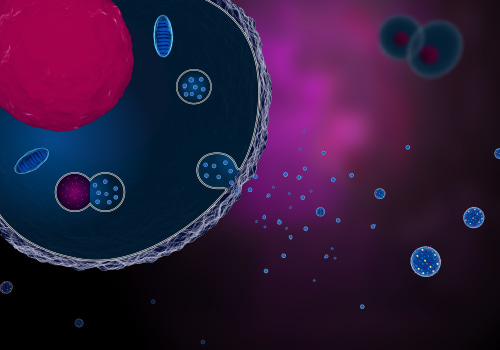
Exosomal therapy is emerging as a promising frontier in cancer treatment, particularly in the context of multiple myeloma. Exosomes are small extracellular vesicles that play a crucial role in intercellular communication.They are secreted by various cell types, including cancer cells, and contain proteins, lipids, and nucleic acids that can influence the behaviour of recipient cells. This unique property makes exosomes a focal point for innovative cancer therapies.In the realm of myeloma treatment, exosomal therapy offers several potential advantages. Firstly, exosomes can be engineered to carry therapeutic agents directly to cancer cells, enhancing the specificity and efficacy of treatment while minimising damage to healthy tissues. This targeted approach is particularly important in myeloma, where traditional therapies often come with significant side effects.Moreover, exosomes can serve as biomarkers for disease progression and treatment response.
By analysing the content of exosomes derived from patients' blood or bone marrow, clinicians may gain insights into the molecular characteristics of the myeloma and tailor treatments accordingly. This personalised approach could lead to improved outcomes for patients.Research is currently underway to explore the use of exosomal therapy in combination with existing treatments such as CAR-T cell therapy. The synergistic effects of these therapies could potentially enhance the overall effectiveness against myeloma. For instance, exosomes could be used to deliver CAR-T cells more efficiently to the tumour microenvironment, thereby increasing their ability to target and destroy malignant cells.Furthermore, exosomal therapy holds promise for overcoming resistance to conventional therapies.
Myeloma cells often develop mechanisms to evade treatment; however, by utilising exosomes that carry specific inhibitors or immune-modulating agents, it may be possible to counteract these resistance pathways.In conclusion, while still in its infancy, exosomal therapy represents a significant advancement in the fight against multiple myeloma. As research progresses and clinical trials are conducted, this innovative approach could pave the way for new treatment paradigms that not only improve survival rates but also enhance the quality of life for patients battling this challenging disease.
Comparing CAR-T Cell Therapy and Exosomal Therapy for Myeloma
When considering treatment options for multiple myeloma, patients often find themselves weighing the benefits and limitations of various therapies. Two prominent approaches currently under discussion are CAR-T cell therapy and exosomal therapy. Each of these therapies operates through distinct mechanisms and offers unique advantages and challenges.Mechanism of Action
- CAR-T Cell Therapy: This innovative treatment involves the extraction of T cells from a patient’s blood, which are then genetically modified in a laboratory to express chimeric antigen receptors (CARs).
These CARs enable the T cells to identify and attack myeloma cells specifically. Once reintroduced into the patient’s bloodstream, these engineered T cells seek out and destroy cancerous cells, providing a targeted approach to treatment.
- Exosomal Therapy: In contrast, exosomal therapy utilises exosomes—tiny vesicles secreted by cells that carry proteins, lipids, and genetic material. These exosomes can facilitate intercellular communication and may play a role in modulating immune responses. In the context of myeloma, exosomal therapy aims to harness these vesicles to deliver therapeutic agents directly to cancer cells or to stimulate an immune response against them.
Benefits and Limitations
- Benefits of CAR-T Cell Therapy: One of the most significant advantages of CAR-T cell therapy is its ability to provide a personalised treatment option.
Since it uses the patient’s own T cells, there is a reduced risk of rejection. Additionally, CAR-T therapy has shown promising results in clinical trials, leading to substantial remission rates in some patients with refractory myeloma.
- Limitations of CAR-T Cell Therapy: Despite its potential, CAR-T cell therapy is not without risks. Patients may experience severe side effects such as cytokine release syndrome (CRS) or neurotoxicity. Furthermore, access to this treatment is currently limited in the UK, primarily available through clinical trials or private healthcare.
- Benefits of Exosomal Therapy: Exosomal therapy presents a less invasive option compared to CAR-T cell therapy.
It may also offer broader applicability since it can potentially target multiple pathways involved in myeloma progression. Moreover, exosomes can be engineered to carry specific therapeutic agents, enhancing their effectiveness.
- Limitations of Exosomal Therapy: The field of exosomal therapy is still emerging, and while it shows promise, more research is needed to establish its efficacy and safety profile in treating myeloma. Currently, there are fewer clinical trials and less data available compared to CAR-T cell therapy.
Patients should consult with their healthcare providers to explore these options based on their individual circumstances and treatment goals.
Patient Experiences and Testimonials with CAR-T Cell Therapy
Patient experiences with CAR-T cell therapy for myeloma provide invaluable insights into the treatment's potential and its impact on quality of life. As this innovative therapy continues to evolve, many patients have shared their journeys, highlighting both the challenges and triumphs they faced.One patient, Sarah , a 52-year-old from London, described her experience as transformative. After years of battling multiple myeloma with conventional treatments, she enrolled in a clinical trial for CAR-T cell therapy. "I was initially apprehensive about the process, but the medical team was incredibly supportive and informative.They explained every step, which helped ease my fears," she recalled. Following the treatment, Sarah reported a significant reduction in her symptoms and an improved quality of life. "I feel like I have my life back," she added.Another patient, James , aged 60, shared a different perspective. He faced several setbacks during his treatment journey, including complications that required additional medical attention.
"It wasn’t easy; there were moments when I doubted whether the therapy would work for me," he admitted. However, James emphasized the importance of perseverance and support from family and healthcare professionals. "The emotional support I received was just as crucial as the medical treatment itself," he stated.Many patients also highlight the role of community in their recovery process. Linda , a 45-year-old who participated in a CAR-T cell therapy trial, found solace in connecting with others facing similar challenges.
"Joining a support group made a huge difference. Sharing our experiences helped me feel less isolated and more hopeful about my treatment outcomes," she explained.These testimonials underscore the diverse experiences of patients undergoing CAR-T cell therapy for myeloma in the UK. While some face hurdles along the way, others find renewed hope and vitality through this cutting-edge treatment. As more patients share their stories, it becomes clear that CAR-T cell therapy not only aims to combat cancer but also fosters resilience and community among those affected by this disease.
Future Directions in Myeloma Treatment: Research and Innovations
The landscape of myeloma treatment is rapidly evolving, driven by ongoing research and innovative therapies that aim to improve patient outcomes.One of the most promising advancements in this field is the development of CAR-T cell therapy, which has shown significant potential in targeting and eliminating myeloma cells. As researchers continue to explore the efficacy of CAR-T therapies, they are also investigating ways to enhance these treatments through various innovative approaches.CAR-T cell therapy involves the modification of a patient’s T cells to better recognize and attack cancer cells. This personalised approach has already demonstrated success in treating other blood cancers, and its application in myeloma is being closely monitored. Current studies are focusing on optimising the design of CAR constructs to improve their effectiveness against myeloma cells, particularly those expressing the B-cell maturation antigen (BCMA).
Researchers are also exploring combination therapies that pair CAR-T cell treatment with other modalities, such as monoclonal antibodies or immune checkpoint inhibitors, to enhance overall treatment efficacy.In addition to CAR-T cell therapy, exosomal therapy is emerging as a novel approach in cancer treatment. Exosomes are small vesicles released by cells that play a crucial role in intercellular communication. They can carry proteins, lipids, and genetic material that influence the behaviour of recipient cells. In the context of myeloma, exosomes derived from cancer cells may provide insights into disease progression and resistance mechanisms.
Researchers are investigating how exosomal content can be harnessed for therapeutic purposes, potentially leading to new strategies for targeting myeloma more effectively.Furthermore, clinical trials are essential for validating these innovative treatments. Ongoing studies aim to assess the safety and efficacy of new CAR-T cell therapies and exosomal treatments in diverse patient populations. The results from these trials will be pivotal in determining how these therapies can be integrated into standard care protocols for myeloma.As we look towards the future, it is clear that continuous innovation is vital for improving outcomes for myeloma patients. The collaboration between researchers, clinicians, and advocacy groups will play a crucial role in ensuring that promising therapies like CAR-T cell therapy and exosomal treatments become accessible to those who need them most.
With sustained investment in research and development, there is hope for more effective treatments that can transform the landscape of myeloma care.
Frequently Asked Questions about CAR-T Cell Therapy and Myeloma Treatment
As patients and their families navigate the complexities of multiple myeloma treatment, many common questions arise regarding CAR-T cell therapy. Below are some frequently asked questions that can help clarify this innovative treatment option.- What is CAR-T cell therapy?
CAR-T cell therapy is a groundbreaking treatment that modifies a patient’s own T cells to better identify and attack cancer cells. This process involves extracting T cells from the blood, engineering them in a laboratory to express chimeric antigen receptors (CARs), and then reinfusing them into the patient to target specific proteins on cancer cells, such as BCMA in myeloma. - Is CAR-T cell therapy available for myeloma patients in the UK?
Currently, CAR-T cell therapy for multiple myeloma is not available through the NHS in the UK. However, it is accessible through private healthcare providers and ongoing clinical trials.Patients interested in this treatment should consult with their healthcare team about potential options.
- What are the eligibility criteria for CAR-T cell therapy?
Eligibility for CAR-T cell therapy typically depends on several factors, including the patient's overall health, previous treatments, and specific characteristics of their myeloma. A thorough evaluation by a specialist is essential to determine if a patient qualifies for this therapy. - What are the potential side effects of CAR-T cell therapy?
While CAR-T cell therapy can be effective, it may also lead to side effects such as cytokine release syndrome (CRS), neurological symptoms, and infections. Patients should discuss these risks with their healthcare provider to understand what to expect during treatment. - How does CAR-T cell therapy compare to traditional treatments for myeloma?
Unlike traditional treatments such as chemotherapy or stem cell transplants, which may have broader effects on the body, CAR-T cell therapy is designed to specifically target cancer cells. This targeted approach can lead to improved outcomes for some patients, although it may not be suitable for everyone.
As research continues to evolve, staying updated on new developments in myeloma therapies is crucial.
Conclusion: The Future of Myeloma Treatment in the UK
As we look towards the future of myeloma treatment in the UK, it is essential to acknowledge the significant advancements being made in the field of cancer therapy. The introduction of CAR-T cell therapy represents a groundbreaking shift in how we approach the treatment of multiple myeloma, offering hope to patients who have exhausted traditional treatment options. This innovative therapy harnesses the power of the patient’s own immune system, specifically T cells, to target and eliminate cancer cells more effectively than ever before.However, while CAR-T cell therapy is making strides, it is crucial to remain aware that access to such treatments is currently limited. As highlighted earlier, CAR-T cell therapies for myeloma are not yet available through the NHS and are primarily accessible through clinical trials or private healthcare providers.This situation underscores the importance of advocacy and continued research into new therapies that can provide effective solutions for all patients suffering from this challenging disease.In addition to CAR-T cell therapy, emerging treatments such as exosomal therapy are also gaining attention. Exosomes, which are small vesicles released by cells, play a vital role in intercellular communication and have shown potential in delivering therapeutic agents directly to cancer cells. This novel approach could complement existing treatments and enhance their efficacy, paving the way for more personalised and targeted therapies.Staying informed about these developments is paramount for patients and healthcare professionals alike. As new therapies emerge, they bring with them the promise of improved outcomes and quality of life for those affected by myeloma.
Engaging with organisations like Myeloma UK can provide valuable resources and updates on ongoing research and clinical trials.In conclusion, while challenges remain in accessing cutting-edge treatments like CAR-T cell therapy and exosomal therapies, the future looks promising. Continued research, advocacy, and patient engagement will be key drivers in ensuring that innovative treatments become widely available, ultimately transforming the landscape of myeloma care in the UK.