Exosomal therapy is an innovative approach in the realm of regenerative medicine, harnessing the power of exosomes—tiny vesicles secreted by cells that play a crucial role in intercellular communication. These nanoscale structures are rich in proteins, lipids, and nucleic acids, enabling them to facilitate various biological processes, including tissue repair and immune response modulation. As research progresses, exosomal therapy is emerging as a promising treatment option for a range of conditions, from degenerative diseases to injuries.At the heart of exosomal therapy lies the ability of exosomes to transfer bioactive molecules between cells, effectively acting as messengers that can influence cellular behaviour. This unique property has led to their exploration in numerous therapeutic applications, including enhancing wound healing, reducing inflammation, and even combating cancer.
The potential benefits of exosome treatment are vast, as they can promote regeneration and repair in damaged tissues while minimising the risk of adverse reactions often associated with traditional therapies.However, despite the exciting prospects that exosomal therapy presents, it is essential to approach this treatment modality with caution. As with any emerging medical intervention, understanding the underlying mechanisms and potential risks is crucial for patients considering this option. While early studies have shown promising results, the field is still relatively new, and comprehensive data on long-term safety and efficacy remains limited. This article aims to delve deeper into the potential risks associated with exosomal therapy, ensuring that patients are well-informed before embarking on their treatment journey.
What Are Exosomes?
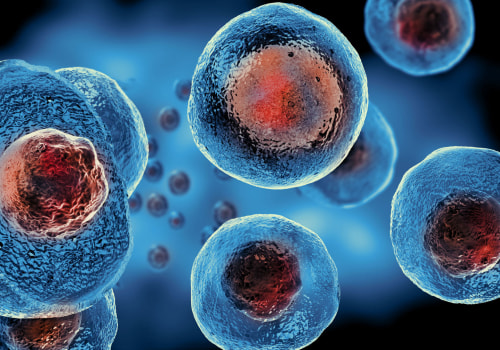
Exosomes are small extracellular vesicles, typically ranging from 30 to 150 nanometres in diameter, that play a pivotal role in intercellular communication.They are secreted by various cell types and are found in numerous biological fluids, including blood, urine, and saliva. The biological origins of exosomes can be traced back to the endosomal system of cells. When a cell engulfs material from its environment, it forms an endosome, which can then mature into a multivesicular body (MVB). These MVBs can either fuse with lysosomes for degradation or release their internal vesicles—exosomes—into the extracellular space.The primary function of exosomes is to facilitate communication between cells.
They carry a diverse array of molecular cargo, including proteins, lipids, and nucleic acids such as mRNA and microRNA. This cargo can influence the behaviour of recipient cells by altering their gene expression and signalling pathways. For instance, exosomes derived from immune cells can modulate the immune response, while those from cancer cells may promote tumour growth and metastasis.There are several types of exosomes, classified based on their cellular origin and functional roles:
- Microvesicles: Larger than exosomes, these vesicles are shed directly from the plasma membrane of cells and play roles in cell signalling and inflammation.
- Oncosomes: These are exosomes released by cancer cells that contain specific proteins and genetic material associated with tumour progression.
- Apoptotic bodies: Formed during programmed cell death (apoptosis), these larger vesicles can also carry cellular debris and signalling molecules.
The Mechanism of Exosomal Therapy
Exosomal therapy operates through a sophisticated mechanism that leverages the natural properties of exosomes, which are nanoscale vesicles secreted by various cell types.These exosomes play a crucial role in intercellular communication, facilitating the transfer of proteins, lipids, and nucleic acids between cells. Understanding how exosomal therapy works is essential for appreciating its potential benefits and associated risks.At the core of exosomal therapy is the ability of exosomes to act as delivery systems for therapeutic agents. When derived from stem cells or other therapeutic cells, exosomes can encapsulate bioactive molecules, including growth factors and RNA, which can influence the behaviour of recipient cells. This targeted delivery mechanism allows for a more precise approach to treatment, minimising systemic side effects often associated with traditional therapies.One of the primary mechanisms by which exosomal therapy exerts its effects is through the modulation of cellular pathways.
Upon entering recipient cells, exosomes can trigger various signalling cascades that promote healing and regeneration. For instance, they may enhance cellular proliferation, reduce inflammation, or even stimulate apoptosis in diseased cells. This multifaceted action makes exosomal therapy a promising candidate for treating a range of conditions, from degenerative diseases to cancer.Moreover, the lipid bilayer of exosomes protects their cargo from degradation in the bloodstream, ensuring that therapeutic agents reach their intended targets intact. This stability is particularly advantageous when considering the delivery of sensitive molecules such as RNA or proteins that would otherwise be rapidly broken down in circulation.However, it is important to note that not all exosomes are created equal.
The source of the exosomes significantly influences their composition and functionality. For example, exosomes derived from mesenchymal stem cells (MSCs) have been shown to possess immunomodulatory properties that can help in reducing inflammation and promoting tissue repair. Conversely, exosomes from cancer cells may carry oncogenic factors that could potentially exacerbate disease progression if not properly characterised and controlled.In summary, the mechanism of action behind exosomal therapy is rooted in their ability to deliver therapeutic agents effectively while modulating cellular responses. As research continues to unfold, understanding these mechanisms will be vital for optimising treatment protocols and mitigating potential risks associated with this innovative approach to regenerative medicine.
Potential Benefits of Exosomal Therapy
Exosomal therapy has emerged as a groundbreaking approach in the realm of regenerative medicine, offering a multitude of potential benefits that are capturing the attention of both healthcare professionals and patients alike.These tiny vesicles, which are secreted by cells, play a crucial role in intercellular communication and have shown promise in various therapeutic applications.One of the most significant advantages of exosomal therapy is its ability to facilitate tissue regeneration. Exosomes contain a rich cargo of proteins, lipids, and nucleic acids that can promote healing and repair in damaged tissues. For instance, studies have indicated that exosomes derived from stem cells can enhance the regeneration of cartilage in osteoarthritis patients, potentially reducing the need for invasive surgical interventions.Moreover, exosomal therapy is being explored for its potential in treating a range of conditions, including neurodegenerative diseases, cardiovascular disorders, and even certain types of cancer. The ability of exosomes to cross biological barriers, such as the blood-brain barrier, makes them particularly appealing for neurological applications.
This characteristic allows for targeted delivery of therapeutic agents directly to affected areas, minimising systemic side effects.Another notable benefit is the minimally invasive nature of exosomal treatments. Unlike traditional methods that may require extensive surgical procedures or prolonged recovery times, exosomal therapy can often be administered through simple injections. This not only enhances patient comfort but also reduces the risk associated with more invasive techniques.Furthermore, exosomes exhibit a high degree of biocompatibility and low immunogenicity, which means they are less likely to provoke an adverse immune response when introduced into the body. This characteristic is particularly advantageous for patients who may be sensitive to foreign substances or those with compromised immune systems.In summary, while it is essential to remain aware of the potential risks associated with exosomal therapy, the benefits it offers in terms of tissue regeneration, targeted treatment delivery, minimally invasive administration, and biocompatibility make it a compelling option in modern medicine.
As research continues to unfold, we can expect to see even more innovative applications and improved outcomes for patients seeking alternatives to traditional therapies.
Understanding the Risks Associated with Exosomal Therapy
Exosomal therapy, while promising in the realm of regenerative medicine, is not without its potential risks. Understanding these risks is crucial for patients considering this treatment option. Below, we explore some of the most significant concerns associated with exosomal therapy.Allergic Reactions
One of the primary risks associated with exosomal therapy is the possibility of allergic reactions. Patients may experience hypersensitivity to the components of the exosome preparation, which can lead to symptoms ranging from mild irritation to severe anaphylactic reactions.It is essential for healthcare providers to conduct thorough assessments and consider any known allergies before proceeding with treatment.
Infections
Another critical risk is the potential for infections. As with any procedure that involves injections, there is a risk of introducing pathogens into the body. In some reported cases, patients have developed bacterial infections following exosomal therapy. This underscores the importance of using sterile techniques and ensuring that exosomes are sourced from reputable suppliers who adhere to strict safety protocols.Inflammation at Injection Sites
Inflammation at the injection site is a common side effect that can occur after exosomal therapy.Patients may experience swelling, redness, and discomfort in the area where the exosomes were administered. While this inflammation is often temporary and resolves on its own, it can be uncomfortable and may require additional treatment to manage symptoms.
Long-term Effects and Unknown Complications
As exosomal therapy is still a relatively new field, there is limited data on the long-term effects and potential complications that may arise from treatment. While early studies have shown promising results, ongoing research is necessary to fully understand how exosomes interact with various biological systems over time. Patients should be aware that unforeseen complications could emerge as more data becomes available.Conclusion
In summary, while exosomal therapy offers exciting possibilities for treating various conditions, it is vital for patients to be informed about the associated risks.By understanding these potential complications—such as allergic reactions, infections, inflammation, and unknown long-term effects—patients can make more informed decisions regarding their treatment options. Always consult with a qualified healthcare provider to discuss these risks in detail before undergoing any form of therapy.
Case Studies and Real-World Examples
Understanding the practical implications of exosomal therapy can be greatly enhanced by examining real-world case studies. These narratives not only highlight the potential benefits but also underscore the risks associated with this innovative treatment.Case Study 1: Successful Treatment of Osteoarthritis
A notable case involved a 62-year-old woman suffering from severe osteoarthritis in her knees. After exhausting traditional treatment options, she opted for exosomal therapy.Following the procedure, which involved the injection of exosomes derived from adipose tissue, she reported a significant reduction in pain and improved mobility within weeks. Her case was documented in a clinical trial, showcasing how exosomal therapy can potentially regenerate damaged cartilage and alleviate symptoms in patients with degenerative joint diseases.
Case Study 2: Adverse Reactions
Conversely, another case from a clinic in California raised concerns about the safety of exosomal therapy. A 45-year-old male patient received exosome injections for chronic back pain. Shortly after treatment, he developed an infection at the injection site, which required hospitalization.This incident highlighted the importance of stringent quality control and proper administration techniques in exosome treatments. It serves as a reminder that while many patients may benefit from this therapy, there is still a risk of complications.
Patient Experiences: Mixed Outcomes
Patient experiences with exosomal therapy vary widely. Some individuals report remarkable improvements in conditions such as autoimmune disorders and neurological issues, while others experience minimal to no change. For instance, a patient with multiple sclerosis shared that after undergoing exosomal therapy, she noticed a decrease in fatigue and an increase in her overall quality of life.In contrast, another patient with similar symptoms reported no significant benefits after treatment.These contrasting experiences underscore the necessity for thorough patient evaluation and tailored treatment plans. As research continues to evolve, it is crucial for potential candidates to engage in open discussions with their healthcare providers about both the promising outcomes and the possible risks associated with exosomal therapy.
Regulatory Considerations and Safety Standards
The regulatory landscape surrounding exosomal therapy is complex and evolving, reflecting the rapid advancements in regenerative medicine. As this field grows, it becomes increasingly important for patients to understand the guidelines and safety standards that govern these treatments.In the United States, the Food and Drug Administration (FDA) plays a pivotal role in regulating exosomal therapies. The FDA categorises exosomes as biological products, which means they are subject to rigorous scrutiny before they can be marketed.This includes ensuring that the manufacturing processes meet stringent quality control standards to guarantee the safety and efficacy of the products.One of the primary concerns for the FDA is the potential for contamination during the production of exosomes. To mitigate this risk, manufacturers must adhere to Good Manufacturing Practices (GMP), which outline the necessary steps to ensure that products are consistently produced and controlled according to quality standards. This includes:
- Thorough testing of source materials to ensure they are free from pathogens.
- Implementing sterilisation processes to eliminate any microbial contamination.
- Regular audits and inspections of manufacturing facilities to ensure compliance with regulatory requirements.
Patients should be aware that while some clinics may offer exosomal therapies, these treatments may not have undergone the necessary clinical trials or received FDA approval.In addition to FDA regulations, other countries have their own regulatory bodies that oversee exosomal therapies. For instance, in Europe, the European Medicines Agency (EMA) has established guidelines similar to those of the FDA, focusing on ensuring patient safety and product quality.Understanding these regulatory frameworks is crucial for patients considering exosomal therapy. It empowers them to make informed decisions about their treatment options and encourages them to seek therapies that comply with established safety standards. Patients should always inquire about a treatment's regulatory status and whether it has been subjected to rigorous testing before proceeding.
Long-Term Effects and Future Research Directions
As the field of regenerative medicine continues to evolve, understanding the long-term effects of exosomal therapy becomes increasingly crucial for both practitioners and patients.While initial studies have demonstrated promising outcomes, the long-term implications of such treatments remain largely unexplored. This section delves into the potential long-term effects and highlights ongoing research efforts aimed at elucidating the safety and efficacy of exosomal therapies.One of the primary concerns regarding long-term exosomal therapy is the possibility of unforeseen side effects that may not manifest until years after treatment. For instance, while short-term benefits such as tissue regeneration and inflammation reduction are well-documented, the potential for chronic inflammatory responses or other adverse reactions needs thorough investigation. Researchers are particularly interested in how exosomes interact with various cell types over extended periods, as these interactions could lead to cumulative effects that are not immediately apparent.
Ongoing Research Initiatives
Numerous studies are currently underway to assess the long-term safety and effectiveness of exosomal therapy.These initiatives include:
- Clinical Trials: Several clinical trials are focusing on specific conditions such as osteoarthritis, cardiovascular diseases, and neurodegenerative disorders. These trials aim to monitor patients over extended periods to gather data on both efficacy and safety.
- Comparative Studies: Research comparing exosomal therapy with traditional treatment modalities is essential for understanding its relative benefits and risks. Such studies can provide insights into whether exosomes offer significant advantages in terms of long-term outcomes.
- Mechanistic Studies: Investigating the biological mechanisms through which exosomes exert their effects will help clarify their role in cellular communication and regeneration. Understanding these pathways is vital for predicting long-term outcomes.
This area of study holds promise for developing tailored treatments that address individual patient needs more precisely.In conclusion, while exosomal therapy presents exciting possibilities in regenerative medicine, it is imperative to approach its long-term use with caution. Ongoing research will play a pivotal role in shaping our understanding of its safety profile and therapeutic potential, ultimately guiding patients in making informed decisions about their treatment options.
Frequently Asked Questions About Exosomal Therapy Risks
As patients consider exosomal therapy for various medical conditions, it is natural to have questions and concerns regarding the potential risks involved. Below are some frequently asked questions that can help clarify these issues and support informed decision-making.What are the most common risks associated with exosomal therapy?
The risks of exosomal therapy can vary based on individual health conditions and the specific treatment protocol used. Common risks include:- Allergic Reactions: Some patients may experience allergic responses to the components of the exosome product.
- Infections: There is a potential risk of infections at the injection site or systemic infections if proper sterilisation protocols are not followed.
- Inflammation: In some cases, exosomes may provoke an inflammatory response, leading to discomfort or complications.
How can I ensure the safety of exosomal therapy?
To maximise safety, it is crucial to:- Choose a Reputable Provider: Select a healthcare provider with experience in administering exosomal therapy and who follows strict regulatory guidelines.
- Discuss Your Medical History: Be open about your health history, including any allergies or previous reactions to treatments.
- Ask About Quality Control: Inquire about the source of the exosomes and the testing protocols in place to ensure their safety and efficacy.
Are there long-term risks associated with exosomal therapy?
As exosomal therapy is still a relatively new field, long-term data on its safety and efficacy is limited.While early studies show promise, ongoing research is essential to fully understand any potential long-term risks. Patients should remain vigilant and report any unusual symptoms or side effects to their healthcare provider.
What should I do if I experience adverse effects after treatment?
If you notice any adverse effects following exosomal therapy, it is important to contact your healthcare provider immediately. They can assess your symptoms and determine the appropriate course of action. Additionally, reporting these effects to regulatory bodies like the FDA can contribute to broader safety monitoring efforts.By addressing these common questions, patients can feel more empowered in their decision-making process regarding exosomal therapy.Understanding the potential risks and how to mitigate them is key to achieving positive outcomes in regenerative medicine.
Conclusion: Weighing Risks Against Benefits in Exosomal Therapy
In conclusion, the landscape of exosomal therapy presents a complex interplay of potential benefits and risks that must be carefully navigated by both patients and healthcare providers. As we have explored throughout this article, exosomes derived from stem cells offer promising avenues for treatment across various medical conditions, including regenerative medicine and targeted drug delivery. However, it is crucial to approach these therapies with a well-informed perspective.Understanding the potential risks associated with exosomal therapy is paramount. While many patients may experience positive outcomes, there are documented cases of adverse effects, such as infections and inflammatory responses.These incidents underscore the necessity for rigorous quality control and testing of exosome products to ensure their safety and efficacy.Moreover, the relatively nascent stage of research in this field means that long-term data on the safety of exosomal therapies remains limited. Patients should be aware that while early studies indicate significant promise, ongoing research is essential to fully elucidate the long-term implications of these treatments.It is also vital for patients to engage in open discussions with their healthcare providers about their individual health circumstances and treatment options. This dialogue can help clarify the potential benefits of exosomal therapy in relation to the specific risks they may face. Informed consent is not merely a formality; it is a critical component of patient care that empowers individuals to make choices aligned with their health goals.Ultimately, as the field of regenerative medicine continues to evolve, so too will our understanding of exosomal therapy.
By weighing the potential risks against the benefits, patients can make informed decisions that best suit their health needs. As research progresses and more data becomes available, we can anticipate a clearer picture of how exosomal therapies can be safely integrated into clinical practice.