Exosomal therapy represents a groundbreaking frontier in the realm of regenerative medicineregenerative medicine , harnessing the natural capabilities of exosomes—tiny vesicles secreted by cells that play a crucial role in intercellular communication. These vesicles are rich in proteins, lipids, and nucleic acids, making them potential carriers of therapeutic agents that can influence cellular behaviour and promote healing. As research continues to unveil the myriad functions of exosomes, their application in treating various diseases and conditions has garnered significant attention from both the scientific community and patients alike.Despite the excitement surrounding exosomal therapy, it is essential to approach this field with a discerning eye, particularly regarding the status of FDA-approved exosome products. Currently, there are no exosome-based therapies that have received approval from the FDA for use in humans.
This absence of regulatory endorsement raises important questions about the safety and efficacy of products marketed as exosomal therapies. The FDA's rigorous approval process is designed to ensure that any treatment offered to patients meets stringent standards for quality and safety, which is particularly critical given the complexities involved in isolating and manufacturing exosomes.The lack of FDA-approved exosome products does not diminish the potential of this innovative therapy; rather, it highlights the need for continued research and clinical trials to establish clear guidelines and protocols. As we delve deeper into the world of exosomal therapy, it becomes increasingly important for patients to understand the implications of seeking such treatments from clinics that may not adhere to regulatory standards. This understanding will empower individuals to make informed decisions about their health and well-being while navigating the evolving landscape of regenerative medicine.This absence of regulatory endorsement raises important questions about the safety and efficacy of products marketed as exosomal therapies. The FDA's rigorous approval process is designed to ensure that any treatment offered to patients meets stringent standards for quality and safety, which is particularly critical given the complexities involved in isolating and manufacturing exosomes.The lack of FDA-approved exosome products does not diminish the potential of this innovative therapy; rather, it highlights the need for continued research and clinical trials to establish clear guidelines and protocols. As we delve deeper into the world of exosomal therapy, it becomes increasingly important for patients to understand the implications of seeking such treatments from clinics that may not adhere to regulatory standards. This understanding will empower individuals to make informed decisions about their health and well-being while navigating the evolving landscape of regenerative medicine.
What Are Exosomes?
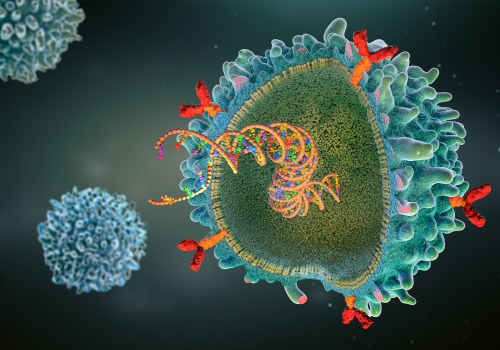
Exosomes are small, membrane-bound vesicles that are secreted by various types of cells into the extracellular environment.Typically ranging from 30 to 150 nanometers in diameter, these vesicles play a crucial role in intercellular communication. They are formed within the endosomal system of cells and are released when multivesicular bodies fuse with the plasma membrane. This process allows exosomes to carry a diverse array of molecular cargo, including proteins, lipids, and nucleic acids such as microRNAs and mRNAs.The definition of exosomes can be summarised as follows: they are nano-sized vesicles that facilitate communication between cells by transferring bioactive molecules. This transfer is essential for various physiological processes, including immune responses, tissue repair, and cellular homeostasis.One of the primary functions of exosomes is to mediate cell communication.
They act as messengers that convey information from one cell to another, influencing the behaviour and function of recipient cells. For instance, exosomes can carry signals that promote cell proliferation, differentiation, or apoptosis (programmed cell death). This ability to influence neighbouring cells makes exosomes a focal point in research related to regenerative medicine and therapeutic applications.Moreover, exosomes play a significant role in the immune system. They can present antigens to immune cells, thereby modulating immune responses.
This characteristic has led to investigations into their potential use in vaccine development and cancer immunotherapy.In summary, understanding what exosomes are and their biological functions is vital for appreciating their potential therapeutic applications. As research continues to unveil the complexities of exosomal biology, their role in health and disease becomes increasingly evident, paving the way for innovative treatments that harness their unique properties.
The Science Behind Exosomal Therapy
Exosomal therapy is an innovative approach that leverages the natural properties of exosomes—tiny vesicles secreted by cells that play a crucial role in intercellular communication. These vesicles are rich in proteins, lipids, and nucleic acids, which can influence various cellular processes. Understanding the science behind exosomal therapy requires a closer look at how these vesicles function and their potential therapeutic applications.Mechanisms of Action
Exosomes facilitate communication between cells by transferring bioactive molecules, which can modulate the behaviour of recipient cells.
This process occurs through several mechanisms:
- Protein Transfer: Exosomes carry proteins that can activate or inhibit specific signalling pathways in target cells, influencing processes such as cell proliferation, differentiation, and apoptosis.
- MicroRNA Delivery: Exosomes are known to contain microRNAs (miRNAs), which are small non-coding RNA molecules that regulate gene expression. By delivering miRNAs to recipient cells, exosomes can alter gene expression profiles, potentially reversing disease processes.
- Immune Modulation: Exosomes can also play a role in modulating immune responses. They can carry antigens that stimulate immune cells or deliver immunosuppressive signals to dampen excessive immune reactions.
Therapeutic Potential
The therapeutic potential of exosomal therapy is vast and spans various medical fields. Research has shown promise in areas such as:
- Regenerative Medicine: Exosomes derived from stem cells have been shown to promote tissue repair and regeneration, making them a focal point in treating conditions like heart disease and spinal cord injuries. Exosomes derived from stem cells have been shown to promote tissue repair and regeneration, making them a focal point in treating conditions like heart disease and spinal cord injuries.
- Cancer Treatment: Exosomal therapy is being explored as a means to deliver targeted therapies directly to cancer cells, potentially reducing side effects associated with traditional treatments.
- Neurological Disorders: The ability of exosomes to cross the blood-brain barrier opens new avenues for treating neurodegenerative diseases such as Alzheimer’s and Parkinson’s.
By harnessing the natural capabilities of exosomes, researchers aim to develop therapies that are not only effective but also safer than conventional approaches. As studies continue to unfold, the future of exosomal therapy looks promising, paving the way for novel interventions across a spectrum of diseases.
Current Status of FDA Approval for Exosome Products
The regulatory landscape surrounding exosome products is complex and evolving, particularly in relation to their approval by the FDA. Currently, there are no FDA-approved exosome therapies available for clinical use. This absence of approval can be attributed to several factors that highlight the challenges faced by manufacturers and researchers in this burgeoning field.One of the primary reasons for the lack of FDA-approved exosome products is the stringent regulatory requirements that govern the approval process for biological products.The FDA mandates that any product intended for human use must undergo rigorous testing to demonstrate its safety and efficacy. This includes preclinical studies, clinical trials, and comprehensive data analysis. Given that exosomes are derived from living cells and can vary significantly in composition, ensuring consistency and purity poses a significant challenge.Moreover, the manufacturing processes for exosomes are not yet standardised. Variability in the source cells, isolation techniques, and storage conditions can lead to inconsistencies in the final product.
The FDA has expressed concerns regarding these variabilities, which can affect both the safety and effectiveness of exosome therapies.In addition to manufacturing challenges, there is a notable lack of comprehensive clinical trial data supporting the use of exosomal therapy for specific conditions. While numerous studies are underway exploring their potential applications—from regenerative medicine to cancer treatment—many of these trials are still in early phases or have not yet yielded conclusive results. Until robust clinical evidence is available, the FDA remains cautious about granting approval.Patients seeking exosomal therapy should be aware of these regulatory hurdles. It is crucial to consult with healthcare professionals who can provide guidance on the legitimacy of any treatment being offered.
Engaging with clinics that claim to offer exosome therapies without FDA approval may expose patients to unverified treatments that could pose health risks.In summary, while the potential of exosomal therapy is promising, the current regulatory status reflects a necessary caution from the FDA. As research progresses and more data becomes available, it is hoped that we will see advancements leading to approved therapies that can safely harness the benefits of exosomes.
Challenges in Obtaining FDA Approval for Exosome Therapies
Obtaining FDA approval for exosome therapies presents a myriad of challenges that manufacturers must navigate. These hurdles stem from the inherent complexity of exosome production, variability in product composition, and significant safety concerns that arise during the development process.One of the primary challenges is the variability of exosome products. Exosomes are naturally occurring vesicles secreted by cells, and their composition can vary widely depending on several factors, including the source cell type, the method of isolation, and the conditions under which they are produced.This variability can lead to inconsistencies in therapeutic efficacy and safety profiles. For instance, exosomes derived from different cell lines may contain distinct proteins and genetic materials, which can influence their biological activity and potential therapeutic outcomes.Moreover, the large-scale manufacturing of exosomes poses additional complications. Unlike traditional pharmaceuticals that can be synthesized with high precision, exosome production often involves complex biological processes that are difficult to standardise. This lack of standardisation can result in batches of exosomes that differ significantly in quality and potency, making it challenging for manufacturers to demonstrate consistent safety and efficacy to regulatory bodies.Another critical aspect is the safety concerns associated with exosome therapies.
The FDA requires comprehensive preclinical and clinical data to assess the safety of any new treatment. Given that exosomes can carry various bioactive molecules, there is a risk that they may elicit unintended immune responses or carry contaminants that could lead to adverse effects. Manufacturers must conduct extensive testing to ensure that their products do not pose risks to patients, which can be both time-consuming and costly.Furthermore, the regulatory landscape surrounding exosome therapies is still evolving. The FDA has been cautious in its approach to approving these products due to their novel nature and the potential for misuse in unregulated settings.
As a result, manufacturers must stay abreast of changing regulations and guidelines while also ensuring compliance with existing standards.In conclusion, while the potential for exosomal therapy is immense, the path to FDA approval is fraught with challenges related to product variability and safety concerns. Manufacturers must invest significant resources into research and development to overcome these obstacles and bring safe, effective exosome therapies to market.
Misleading Claims and Patient Safety Concerns
The landscape of exosomal therapy is fraught with challenges, particularly concerning the proliferation of misleading claims surrounding unapproved treatments. As the interest in exosomes grows, so does the number of clinics and practitioners offering therapies that lack the necessary regulatory oversight. This situation raises significant concerns regarding patient safety and the efficacy of these treatments.Many clinics promote exosome therapies as miracle solutions for a variety of ailments, often making bold assertions about their ability to prevent, treat, or even cure serious diseases.However, it is crucial for patients to approach these claims with a healthy dose of skepticism. The absence of FDA approval means that these products have not undergone rigorous testing to establish their safety and effectiveness. Consequently, patients may be exposed to treatments that could potentially do more harm than good.One of the primary issues with unapproved exosome therapies is the lack of standardisation in their production. Exosomes are complex biological entities, and their composition can vary significantly depending on the source and method of extraction.
This variability can lead to inconsistent results and unpredictable side effects. Patients should be aware that without proper regulation, there is no guarantee that the exosomes being administered are safe or effective.Moreover, some clinics may employ aggressive marketing tactics that exploit patients' desperation for effective treatments. These tactics can include testimonials from individuals who claim miraculous recoveries, often without disclosing the lack of scientific backing for such claims. It is essential for patients to conduct thorough research and seek out reputable clinics that adhere to FDA guidelines.To safeguard against potential risks associated with unapproved exosome therapies, patients should:
- Verify FDA Approval: Always confirm whether the exosome product has received FDA approval before proceeding with treatment.
- Consult Healthcare Professionals: Discuss any potential treatments with a qualified healthcare provider who can offer guidance based on current medical standards.
- Research Clinics: Investigate the credentials and reputation of clinics offering exosomal therapy to ensure they follow ethical practices.
- Avoid High-Pressure Sales Tactics: Be cautious of clinics that push for immediate decisions or downplay risks associated with their treatments.
Seeking treatment from reputable clinics using FDA-approved products not only enhances safety but also ensures that patients receive therapies grounded in scientific evidence.
Potential Applications of Exosomal Therapy in Medicine
Exosomal therapy is emerging as a promising avenue in various fields of medicine, particularly in regenerative medicine, oncology, and dermatology. These tiny vesicles, which are secreted by cells, play a crucial role in intercellular communication and have the potential to influence numerous biological processes.Applications in Regenerative Medicine
In the realm of regenerative medicine, exosomes are being investigated for their ability to promote tissue repair and regeneration. They contain a rich cargo of proteins, lipids, and nucleic acids that can modulate immune responses and facilitate healing. For instance, exosomes derived from stem cells have shown promise in enhancing the repair of damaged tissues, such as cardiac muscle after a heart attack or nerve tissues following injury.Oncology and Cancer Treatment
In oncology, exosomal therapy is being explored for its potential to improve cancer treatment outcomes.Exosomes can carry specific biomarkers that reflect the status of tumours, allowing for non-invasive monitoring of cancer progression. Furthermore, they may be used to deliver therapeutic agents directly to cancer cells, minimising damage to surrounding healthy tissues. This targeted approach could revolutionise how we treat various cancers.
Dermatological Applications
Dermatology is another field where exosomal therapy is gaining traction. Clinical trials are currently underway to assess the efficacy of exosome-based treatments for skin rejuvenation and the management of conditions such as psoriasis and eczema.Dermatology is another field where exosomal therapy is gaining traction. Clinical trials are currently underway to assess the efficacy of exosome-based treatments for skin rejuvenation and the management of conditions such as psoriasis and eczema.The regenerative properties of exosomes can stimulate collagen production and enhance skin healing, making them a valuable tool in aesthetic medicine.
Ongoing Clinical Trials
Numerous clinical trials are exploring the applications of exosomal therapy across these medical fields. For example:- Cardiac Repair: Trials are investigating the use of cardiac-derived exosomes to promote heart tissue regeneration post-myocardial infarction.
- Cancer Therapy: Studies are examining how exosomes can be utilised to deliver chemotherapeutic agents directly to tumour sites.
- Skin Treatments: Research is focused on the effectiveness of topical exosome applications for enhancing skin health and appearance.
Future Directions in Exosomal Therapy Research
The field of exosomal therapy is on the brink of significant advancements, with ongoing research poised to unlock new therapeutic potentials. As scientists delve deeper into the mechanisms of exosomes, several promising directions are emerging that could pave the way for FDA-approved treatments.One of the most exciting areas of research involves the use of nanotechnology to enhance exosome delivery systems. By engineering exosomes to carry specific therapeutic agents, researchers aim to improve the precision and efficacy of treatments.This could lead to targeted therapies for conditions such as cancer, where exosomes can be designed to deliver drugs directly to tumour cells, minimising side effects and maximising treatment effectiveness.Another promising avenue is the exploration of exosome engineering. Scientists are investigating ways to modify the content of exosomes, such as incorporating specific proteins or RNA molecules that can influence cellular behaviour. This could result in innovative treatments for a variety of diseases, including neurodegenerative disorders and autoimmune diseases, where modulating immune responses or promoting cell regeneration is crucial.Furthermore, advancements in biomanufacturing techniques are expected to play a critical role in the future of exosomal therapy. As the demand for consistent and high-quality exosome products increases, researchers are focusing on developing scalable production methods that ensure purity and reproducibility.
This is essential for meeting regulatory standards set by the FDA and gaining approval for clinical use.Clinical trials will also be pivotal in shaping the future landscape of exosomal therapy. Ongoing studies are evaluating the safety and efficacy of various exosome-based treatments across multiple medical fields. The outcomes of these trials will provide valuable insights into how exosomal therapies can be integrated into standard medical practice.In summary, the future of exosomal therapy is bright, with numerous research advancements on the horizon. From nanotechnology and engineering innovations to improved manufacturing processes and clinical validation, these developments hold great promise for creating effective and safe therapies that could one day receive FDA approval.
Conclusion: The Path Forward for Exosomal Therapy
As we conclude our exploration of exosomal therapy, it is essential to reflect on the critical insights gathered throughout this discussion.The landscape of exosomal products remains complex and evolving, with the FDA's stringent regulations ensuring that any therapies offered to patients are both safe and effective. Currently, there are no FDA-approved exosome products available, which underscores the importance of caution when considering such treatments.Understanding the current status of exosomal therapy is vital for both practitioners and patients. The potential applications of exosomes in regenerative medicine are vast, ranging from treating chronic diseases to enhancing recovery processes. However, the lack of approved products highlights the need for rigorous scientific validation and clinical trials to substantiate claims made by various clinics.Moreover, the challenges associated with manufacturing and purifying exosomes cannot be overlooked.
The variability in exosome preparations poses significant hurdles in achieving consistent therapeutic outcomes. As research progresses, it is crucial for stakeholders in the medical community to advocate for transparency and adherence to regulatory standards.Looking ahead, the future of exosomal therapy holds promise, but it must be approached with a balanced perspective. Continued investment in research and development will be necessary to unlock the full potential of exosomes. This includes not only understanding their mechanisms of action but also establishing reliable methods for their isolation and application.In summary, while the excitement surrounding exosomal therapy is palpable, it is imperative for patients to remain informed and cautious.
Seeking treatment from reputable clinics that adhere to FDA guidelines will help mitigate risks associated with unapproved therapies. As we advance into this new frontier of medicine, a commitment to scientific integrity and patient safety must remain at the forefront of all efforts in the field of exosomal therapy.