Exosomes, small extracellular vesicles secreted by various cell types, have emerged as pivotal players in the intricate landscape of central nervous system (CNS) diseases. These nano-sized vesicles, typically ranging from 30 to 150 nanometers in diameter, are rich in proteins, lipids, and nucleic acids, serving as vehicles for intercellular communication. Their ability to transfer bioactive molecules between cells positions them at the forefront of research aimed at understanding the pathogenesis of numerous CNS disorders, including Alzheimer's diseaseAlzheimer's disease, Parkinson's diseaseParkinson's disease, and multiple sclerosismultiple sclerosis.The significance of exosomes in CNS diseases cannot be overstated. They not only reflect the physiological state of their parent cells but also actively participate in modulating cellular responses to injury and disease.
For instance, exosomes derived from neurons can carry pathological proteins associated with neurodegenerative diseases, facilitating the spread of these proteins throughout the brain. This mechanism highlights their dual role as both biomarkers for disease progression and potential therapeutic targets.As research progresses, the concept of exosomal therapy is gaining traction. This innovative approach leverages the natural properties of exosomes to deliver therapeutic agents directly to affected cells within the CNS. By harnessing exosomes' inherent ability to cross the blood-brain barrier, scientists are exploring their use in targeted drug delivery systems that could revolutionise treatment strategies for CNS diseases.
The potential applications of exosomal therapy extend beyond mere drug delivery; they may also include regenerative medicine and immunotherapy, offering hope for more effective interventions.In summary, understanding the role of exosomes in the pathogenesis of CNS diseases is crucial for developing novel diagnostic and therapeutic strategies. As we delve deeper into this fascinating field, it becomes increasingly clear that exosomes hold the key to unlocking new avenues for combating some of the most challenging neurological disorders facing humanity today.
What are Exosomes?
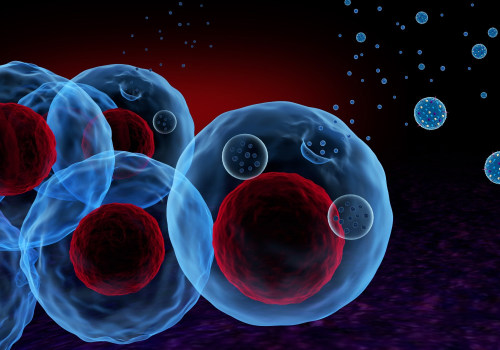
Exosomes are small, membrane-bound vesicles that are secreted by various cell types into the extracellular environment. Typically ranging from 30 to 150 nanometers in diameter, these vesicles play a pivotal role in intercellular communication and are increasingly recognised for their significance in both physiological and pathological processes.Biological Origins of Exosomes
Exosomes originate from the endosomal system of cells. They are formed when early endosomes mature into late endosomes, which then bud inward to create intraluminal vesicles (ILVs).
These ILVs eventually become exosomes when the late endosomes, also known as multivesicular bodies (MVBs), fuse with the plasma membrane and release their contents into the extracellular space. This process is influenced by various cellular signals and environmental factors, making exosome production a dynamic and regulated phenomenon.
Composition of Exosomes
The composition of exosomes is diverse and reflects the cellular origin from which they are derived. They typically contain:
- Nucleic acids: Including mRNA and microRNA, which can influence gene expression in recipient cells.
- Proteins: Such as receptors, enzymes, and cytoskeletal proteins that play roles in various cellular functions.
- Lipids: Including phospholipids and cholesterol, which contribute to membrane integrity and fluidity.
- Amino acids and metabolites: These components can provide energy or serve as building blocks for cellular processes.
Functions of Exosomes
The functions of exosomes are multifaceted and crucial for maintaining cellular homeostasis. They facilitate:
- Intercellular communication: By transferring proteins and genetic material between cells, exosomes can alter the behaviour of recipient cells.
- Immune modulation: Exosomes derived from immune cells can either promote or suppress immune responses, depending on their content and the context of their release.
- Tissue repair: Exosomes can carry growth factors and other molecules that promote healing processes in damaged tissues.
- Pathogen dissemination: Some viruses exploit exosomal pathways to enhance their spread within the host organism.
The Pathogenesis of CNS Diseases
The pathogenesis of central nervous system (CNS) diseases is a complex interplay of genetic, environmental, and cellular factors that culminate in neurodegeneration and dysfunction.Among the most prevalent CNS disorders are Alzheimer's disease, Parkinson's disease, and multiple sclerosis, each characterised by distinct pathological features yet sharing common mechanisms that contribute to their progression.
Alzheimer's Disease
is marked by the accumulation of amyloid-beta plaques and neurofibrillary tangles composed of hyperphosphorylated tau protein. These aggregates disrupt neuronal communication and trigger inflammatory responses, leading to synaptic loss and cognitive decline. Recent studies have highlighted the role of exosomes in this process, as they can transport amyloid-beta and tau proteins between cells, facilitating the spread of pathology throughout the brain. Furthermore, exosomes derived from microglia, the brain's resident immune cells, can modulate neuroinflammation, either exacerbating or alleviating neuronal damage depending on their cargo.
Parkinson's Disease
is primarily associated with the degeneration of dopaminergic neurons in the substantia nigra, leading to motor dysfunction and non-motor symptoms.
The pathological hallmark of PD is the presence of alpha-synuclein aggregates known as Lewy bodies. Exosomes play a pivotal role in the propagation of these aggregates; they can carry misfolded alpha-synuclein to neighbouring neurons, promoting further aggregation and cell death. Additionally, exosomal cargo can influence neuroinflammatory pathways, contributing to the overall disease progression.
Multiple Sclerosis
(MS) is an autoimmune disorder characterised by demyelination and neurodegeneration within the CNS. The pathogenesis involves an aberrant immune response where T cells attack myelin sheaths, leading to inflammation and axonal damage.
Exosomes derived from activated immune cells can carry pro-inflammatory cytokines and other mediators that exacerbate tissue damage. Conversely, exosomes from regulatory T cells may help mitigate inflammation and promote repair processes.Understanding these mechanisms not only sheds light on the intricate pathogenesis of CNS diseases but also underscores the potential of exosomal therapy as a novel therapeutic approach. By harnessing the natural properties of exosomes, researchers aim to develop targeted treatments that could modify disease progression or enhance repair mechanisms within the CNS.
Exosomes in Neuroinflammation
Neuroinflammation is a critical component in the pathogenesis of various central nervous system (CNS) diseases, including multiple sclerosis, Alzheimer's disease, and Parkinson's disease. This inflammatory response is primarily mediated by the activation of immune cells within the CNS, which can lead to both protective and detrimental effects on neuronal health.Exosomes , small extracellular vesicles secreted by cells, have emerged as significant players in modulating these immune responses during neuroinflammation.Exosomes are rich in bioactive molecules such as proteins, lipids, and nucleic acids, which can influence the behaviour of recipient cells. They serve as vehicles for intercellular communication, allowing for the transfer of information between immune cells and neurons. This communication is crucial in maintaining homeostasis within the CNS and can either promote or inhibit inflammatory processes.
Immune Response Modulation
- Pro-inflammatory Exosomes: Certain immune cells, such as microglia and activated T-cells, release exosomes that contain pro-inflammatory cytokines and chemokines. These exosomes can enhance the inflammatory response by recruiting additional immune cells to sites of injury or infection, thereby exacerbating tissue damage.
- Anti-inflammatory Exosomes: Conversely, regulatory T-cells and other immune modulators can produce exosomes that carry anti-inflammatory signals.
These exosomes can help to dampen excessive inflammation and promote tissue repair by delivering immunosuppressive factors to target cells.
Their ability to modulate both pro-inflammatory and anti-inflammatory pathways positions them as key players in the pathogenesis of CNS diseases and opens new avenues for therapeutic exploration.
Exosomal Therapy: Mechanisms and Applications
Exosomal therapy has emerged as a promising avenue in the treatment of central nervous system (CNS) diseases, leveraging the unique properties of exosomes to facilitate drug delivery and act as therapeutic agents. These nanoscale extracellular vesicles, secreted by various cell types, play a pivotal role in intercellular communication and can be harnessed for targeted therapeutic applications.Mechanisms of Exosomal Therapy
The therapeutic potential of exosomes lies in their ability to encapsulate and transport a diverse array of biomolecules, including proteins, lipids, and nucleic acids. This encapsulation not only protects these molecules from degradation but also enhances their bioavailability. Exosomes can cross biological barriers, such as the blood-brain barrier (BBB), which is particularly significant in CNS diseases where traditional drug delivery methods often fail.One of the key mechanisms by which exosomes exert their effects is through the modulation of cellular pathways.
Upon uptake by target cells, exosomes can influence gene expression and protein synthesis, thereby promoting cellular repair processes or modulating immune responses. This ability to deliver functional biomolecules directly into recipient cells makes exosomal therapy a versatile tool in treating various CNS disorders.
Applications of Exosomal Therapy
- Drug Delivery: Exosomes can be engineered to carry specific therapeutic agents, including small molecules, RNA therapeutics, and proteins. For instance, exosomes derived from mesenchymal stem cells have shown promise in delivering anti-inflammatory agents to sites of neuroinflammation, potentially alleviating symptoms associated with conditions like multiple sclerosis and Alzheimer’s disease.
- Neuroprotection: Exosomal therapy has been explored for its neuroprotective effects. Studies indicate that exosomes can carry neurotrophic factors that promote neuronal survival and regeneration, making them valuable in conditions such as Parkinson’s disease.
- Biomarker Discovery: Beyond therapeutic applications, exosomes serve as potential biomarkers for CNS diseases.
Their composition reflects the physiological state of their parent cells, providing insights into disease progression and response to treatment.
Exosomes in CNS Repair Mechanisms
Exosomes have emerged as pivotal players in the intricate processes of CNS repair mechanisms , particularly following injury or disease. These nanoscale extracellular vesicles, secreted by various cell types within the central nervous system, are rich in bioactive molecules, including proteins, lipids, and nucleic acids. Their ability to facilitate intercellular communication positions them as key mediators in the regeneration and repair of neural tissues.One of the primary roles of exosomes in CNS repair is their involvement in neuroprotection.Following a traumatic event or neurodegenerative disease, exosomes can carry neuroprotective factors that help to mitigate cellular damage. For instance, exosomes derived from mesenchymal stem cells (MSCs) have been shown to contain growth factors and anti-inflammatory cytokines that promote cell survival and reduce apoptosis in damaged neurons.Moreover, exosomes play a crucial role in modulating the inflammatory response that often accompanies CNS injuries. They can influence the behaviour of microglia and astrocytes—two types of glial cells that are integral to CNS homeostasis. By delivering specific molecular signals, exosomes can shift these cells from a pro-inflammatory state to a reparative phenotype, thereby fostering an environment conducive to healing.In addition to their neuroprotective and anti-inflammatory properties, exosomes are also involved in promoting tissue repair.
They facilitate the regeneration of damaged tissues by enhancing cellular proliferation and migration. For example, studies have demonstrated that exosomes derived from neural stem cells can stimulate the proliferation of endogenous neural progenitor cells, thereby aiding in the restoration of lost neuronal populations.The potential applications of exosomal therapy in regenerative medicine are vast. Researchers are exploring the use of engineered exosomes as therapeutic agents that can deliver targeted treatments directly to affected areas within the CNS. This targeted delivery system could significantly improve the efficacy of therapies for conditions such as multiple sclerosis, spinal cord injuries, and stroke.Furthermore, the non-invasive nature of exosome collection from body fluids such as blood or cerebrospinal fluid makes them an attractive option for both diagnostic and therapeutic purposes.
As our understanding of exosomal biology deepens, it is likely that we will see an increase in clinical applications aimed at harnessing their regenerative potential for CNS repair.
Pathological Protein Aggregation and Exosomes
Pathological protein aggregation is a hallmark of several central nervous system (CNS) diseases, including Alzheimer's disease, Parkinson's disease, and amyotrophic lateral sclerosis (ALS). These aggregates, often composed of misfolded proteins, disrupt normal cellular functions and contribute to neurodegeneration. Exosomes, which are small extracellular vesicles secreted by various cell types, have emerged as critical players in the transport and dissemination of these pathological proteins.Exosomes facilitate intercellular communication by carrying a diverse array of biomolecules, including proteins, lipids, and nucleic acids. In the context of CNS diseases, they can transport misfolded proteins such as amyloid-beta and tau from one neuron to another.This process not only aids in the spread of pathological aggregates but also influences the cellular environment, potentially exacerbating disease progression.For instance, in Alzheimer's disease, exosomes derived from neurons can encapsulate amyloid-beta peptides. When these exosomes are taken up by neighbouring cells, they can induce further aggregation of amyloid-beta within those cells, creating a vicious cycle that accelerates neurodegeneration. Moreover, the presence of tau protein in exosomes has been linked to the propagation of tau pathology across neural networks, highlighting the role of exosomal transport in the spread of neurodegenerative processes.The implications of exosomal transport for disease progression are profound. By facilitating the transfer of toxic proteins between cells, exosomes may contribute to the widespread nature of neurodegenerative diseases.
This raises important questions about potential therapeutic interventions targeting exosomal pathways. For example, strategies aimed at inhibiting the release or uptake of exosomes could potentially slow down or halt the progression of diseases characterised by protein aggregation.Furthermore, understanding the specific cargo carried by exosomes in different stages of CNS diseases could provide valuable insights into their role as biomarkers for early diagnosis and monitoring disease progression. As research continues to unravel the complexities of exosomal biology, it is becoming increasingly clear that these vesicles are not merely bystanders but active participants in the pathogenesis of CNS disorders.
Potential Biomarkers: Exosomes as Diagnostic Tools
Exosomes have emerged as promising biomarkers for diagnosing various central nervous system (CNS) diseases, owing to their unique properties and presence in body fluids. These small extracellular vesicles, secreted by cells, carry a wealth of molecular information that reflects the physiological and pathological states of their parent cells.This characteristic makes them invaluable in the realm of liquid biopsy , a non-invasive diagnostic approach that is gaining traction in clinical settings.One of the most significant advantages of using exosomes as diagnostic tools is their accessibility. They can be isolated from various biological fluids, including blood, cerebrospinal fluid (CSF), urine, and saliva. This wide availability allows for easier sample collection compared to traditional tissue biopsies, which can be invasive and carry associated risks. For instance, the analysis of exosomes derived from CSF can provide insights into neurodegenerative diseases such as Alzheimer’s disease and Parkinson’s disease, where direct access to brain tissue is often challenging.Exosomal content, including proteins, lipids, and nucleic acids such as microRNAs (miRNAs), can serve as specific indicators of disease states.
For example, alterations in the levels of certain miRNAs within exosomes have been linked to the progression of Alzheimer’s disease. Studies have shown that specific miRNA profiles can differentiate between healthy individuals and those with neurodegenerative conditions, highlighting their potential as reliable biomarkers.Moreover, exosomes can reflect the cellular environment from which they originate. This means that they not only provide information about the presence of a disease but also about its stage and severity. For instance, in multiple sclerosis, exosomal markers may indicate ongoing inflammation or remyelination processes, offering insights into the disease's dynamics.In addition to their diagnostic potential, exosomes also hold promise for monitoring treatment responses.
By analysing changes in exosomal content over time, clinicians can assess how well a patient is responding to therapy, allowing for more tailored treatment approaches.In conclusion, the use of exosomes as diagnostic tools in CNS diseases represents a significant advancement in medical diagnostics. Their ability to provide critical information through non-invasive means positions them at the forefront of future diagnostic strategies, paving the way for earlier detection and improved management of CNS disorders.
Challenges and Future Directions in Exosomal Research
Exosomal research has made significant strides in recent years, particularly in the context of central nervous system (CNS) diseases. However, several challenges remain that hinder the full potential of exosomal therapy and its application in clinical settings.Challenges in Exosomal Research
- Isolation and Characterization: One of the primary challenges is the efficient isolation and characterization of exosomes. Current methods often yield heterogeneous populations, making it difficult to study their specific roles in disease pathology.
Standardization of isolation techniques is crucial for reproducibility and comparability across studies.
- Understanding Mechanisms: While exosomes are known to play a role in intercellular communication, the precise mechanisms by which they influence CNS diseases are not fully understood. Further research is needed to elucidate how exosomal contents, such as proteins and nucleic acids, affect target cells and contribute to disease progression.
- Therapeutic Delivery: The development of effective delivery systems for exosomal therapy poses another challenge. Ensuring that exosomes can reach their intended targets within the CNS while maintaining their functional integrity is essential for therapeutic efficacy.
- Regulatory Hurdles: As with any emerging therapy, regulatory approval processes can be lengthy and complex. Establishing clear guidelines for the use of exosomes in clinical applications will be necessary to facilitate their translation from bench to bedside.
Future Directions in Exosomal Research
The future of exosomal therapy holds great promise, particularly as advancements in neuroscience continue to unfold.
Here are some potential directions for future research:
- Biomarker Development: Exosomes have the potential to serve as non-invasive biomarkers for early diagnosis and monitoring of CNS diseases. Future studies should focus on identifying specific exosomal signatures associated with various conditions, which could lead to improved diagnostic tools.
- Targeted Therapies: Research into engineering exosomes for targeted delivery of therapeutic agents is an exciting avenue. By modifying exosomal surfaces to express specific ligands, it may be possible to enhance their uptake by diseased cells, thereby increasing treatment efficacy.
- Combination Therapies: Exploring the use of exosomes in combination with other therapeutic modalities, such as gene therapy or immunotherapy, could yield synergistic effects that improve patient outcomes.
- Longitudinal Studies: Conducting longitudinal studies that track changes in exosomal profiles over time could provide insights into disease progression and treatment responses, ultimately guiding more personalized therapeutic approaches.
<strong>Conclusion</strong>
In summary, the exploration of exosomal therapy has unveiled a promising frontier in understanding and potentially treating central nervous system (CNS) diseases.The intricate role of exosomes in mediating intercellular communication highlights their significance not only as biomarkers but also as therapeutic agents. As we have discussed, exosomes are pivotal in various pathological processes, including neuroinflammation, CNS repair, and the aggregation of pathological proteins.The ability of exosomes to transport biologically active molecules such as proteins, lipids, and nucleic acids positions them as key players in the pathogenesis of diseases like Alzheimer’s and Parkinson’s. Their involvement in neuroinflammation underscores the dual nature of exosomes; while they can exacerbate inflammatory responses, they also hold potential for modulating these responses to promote healing and recovery.Moreover, the therapeutic applications of exosomes derived from stem cells or other cellular sources present exciting opportunities for innovative treatments. For instance, their capacity to cross the blood-brain barrier could revolutionise drug delivery systems, allowing for targeted therapies that minimise side effects and enhance efficacy.As research progresses, it is crucial to continue investigating the mechanisms by which exosomes influence disease progression and recovery.
Understanding these pathways will not only aid in the development of exosomal therapy but also enhance our ability to diagnose CNS diseases at earlier stages through the identification of specific exosomal biomarkers.In conclusion, the future of exosome research is bright, with the potential to transform our approach to diagnosing and treating CNS diseases. By harnessing the unique properties of exosomes, we may unlock new avenues for therapeutic intervention that could significantly improve patient outcomes and quality of life.