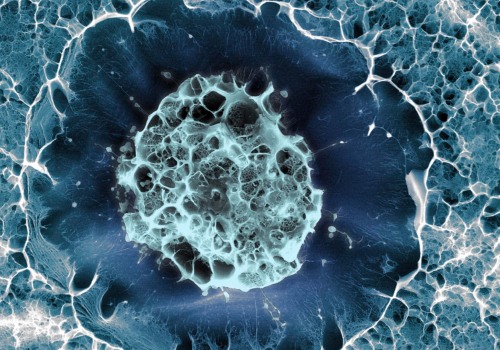
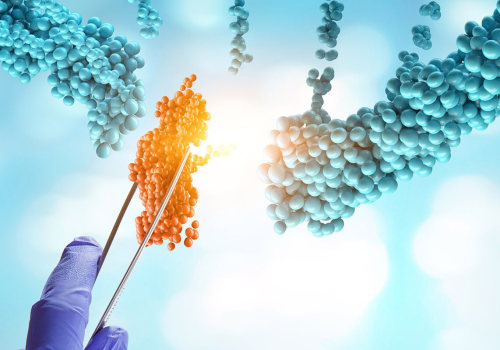
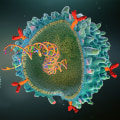
Exosomes are nanoscale extracellular vesicles that play a pivotal role in intercellular communication. These tiny lipid bilayer structures, typically ranging from 30 to 150 nanometers in diameter, are secreted by various cell types and contain a rich cargo of proteins, lipids, and nucleic acids, including microRNA. Their biological significance lies in their ability to facilitate the transfer of molecular information between cells, thereby influencing numerous physiological and pathological processes. As research into exosomes has expanded, their potential applications in medicine have become increasingly apparent, particularly in the realm of exosomal therapy.The therapeutic potential of exosomes is vast, offering promising avenues for the treatment of various diseases.
For instance, their natural role in mediating cell-to-cell communication positions them as ideal candidates for targeted drug delivery systems. By encapsulating therapeutic agents within exosomes, researchers aim to enhance the efficacy and reduce the side effects of treatments for conditions such as cancer, neurodegenerative diseases, and cardiovascular disorders. Moreover, exosomes derived from stem cells have shown remarkable regenerative properties, suggesting that they could be harnessed to promote tissue repair and healing.In addition to their therapeutic applications, exosomes also serve as valuable biomarkers for disease diagnosis and prognosis. Their presence in bodily fluids such as blood and urine allows for non-invasive monitoring of disease progression and response to treatment.
This capability is particularly significant in oncology, where exosomal profiles can provide insights into tumour dynamics and patient outcomes.As we delve deeper into the world of exosomal therapy, it becomes clear that these vesicles hold immense potential not only for advancing our understanding of cellular communication but also for revolutionising the way we approach health and disease management. The ongoing research into their mechanisms of action and clinical applications promises to unlock new strategies for enhancing health outcomes across a spectrum of medical conditions.
Understanding Exosomes: Structure and Function
Exosomes are small extracellular vesicles, typically ranging from 30 to 150 nanometres in diameter, that play a pivotal role in intercellular communication. Their unique lipid bilayer structure is fundamental to their function, providing a protective environment for the bioactive substances they carry. This lipid bilayer is composed primarily of phospholipids, similar to the membranes of cells, which allows exosomes to fuse with target cells and deliver their contents effectively.The composition of exosomes is remarkably complex and varies depending on the cell type from which they originate.They are rich in a variety of bioactive substances , including:
- Proteins: Exosomes contain a diverse array of proteins, including membrane proteins, cytosolic proteins, and those involved in cellular signalling pathways. These proteins can influence the behaviour of recipient cells, modulating processes such as proliferation, differentiation, and apoptosis.
- Lipids: The lipid content of exosomes not only contributes to their structural integrity but also plays a role in cell signalling. Specific lipids can act as signalling molecules that affect the physiological responses of target cells.
- Nucleic acids: Exosomes are known to carry various forms of nucleic acids, including microRNA (miRNA) and messenger RNA (mRNA). These nucleic acids can be transferred to recipient cells, where they can regulate gene expression and influence cellular functions.
For instance, in the context of exosomal therapy, understanding the specific components within exosomes is crucial for harnessing their therapeutic potential. By manipulating the contents of exosomes or utilising those derived from specific cell types, researchers aim to develop targeted treatments for various conditions.In summary, the structure and function of exosomes are integral to their role in biological processes. Their lipid bilayer not only protects their contents but also facilitates interaction with other cells, while the diverse array of bioactive substances they carry allows them to influence numerous physiological pathways. As research continues to uncover the complexities of exosomal biology, their potential applications in medicine become increasingly promising.
Mechanisms of Exosomal Therapy
Exosomes are increasingly recognised as pivotal players in cell communication, serving as vehicles for the transfer of bioactive molecules between cells.These nanoscale vesicles, typically ranging from 30 to 150 nanometres in diameter, are secreted by various cell types and contain a diverse array of molecular constituents, including proteins, lipids, and nucleic acids. This unique composition enables exosomes to facilitate intricate signalling pathways that can influence cellular behaviour and function.One of the primary mechanisms through which exosomal therapy operates is by modulating the immune response. Exosomes can carry immunomodulatory molecules that either stimulate or suppress immune activity, depending on the therapeutic context. For instance, in cancer treatment, exosomes derived from tumour cells may promote immune evasion by delivering signals that inhibit immune cell activation.
Conversely, exosomes engineered to express specific antigens can enhance the immune response against tumours, making them a promising tool for cancer vaccines.Moreover, exosomes play a crucial role in tissue repair and regeneration. They can deliver growth factors and other regenerative molecules directly to damaged tissues, thereby promoting healing processes. For example, exosomes derived from mesenchymal stem cells (MSCs) have shown significant potential in treating conditions such as myocardial infarction and osteoarthritis by enhancing tissue regeneration and reducing inflammation.The therapeutic applications of exosomal therapy extend beyond oncology and regenerative medicine. In neurodegenerative diseases like Alzheimer’s and Parkinson’s, exosomes may facilitate the clearance of toxic proteins from neuronal cells, thereby slowing disease progression.
Additionally, their ability to cross the blood-brain barrier makes them an attractive option for delivering therapeutic agents directly to the central nervous system.In summary, the mechanisms of exosomal therapy are multifaceted, involving complex interactions that can significantly impact health outcomes. By harnessing the natural properties of exosomes for targeted delivery of therapeutic agents, researchers are paving the way for innovative treatments across a spectrum of diseases. As our understanding of these mechanisms deepens, the potential for exosomal therapy to revolutionise modern medicine becomes increasingly apparent.
Exosomal Therapy in Cancer Treatment
Exosomal therapy is emerging as a promising avenue in the field of oncology, particularly in the treatment of cancer. This innovative approach leverages the natural properties of exosomes—small vesicles secreted by cells that play a crucial role in intercellular communication.By harnessing these vesicles, researchers are exploring new ways to enhance cancer treatment outcomes while minimising the adverse effects commonly associated with traditional therapies.One of the most significant advantages of exosomal therapy is its potential to improve upon conventional radiation therapy. While radiation is a standard treatment for various cancers, it often comes with a host of side effects, including damage to healthy tissues, fatigue, and nausea. In contrast, exosomes can be engineered to deliver therapeutic agents directly to cancer cells, thereby increasing the efficacy of treatment while reducing collateral damage to surrounding healthy tissues.Moreover, exosomes can be loaded with specific drugs or genetic material that target cancer cells more precisely than traditional methods. This targeted delivery system not only enhances the therapeutic effect but also diminishes the likelihood of systemic side effects. is its potential to improve upon conventional radiation therapy. While radiation is a standard treatment for various cancers, it often comes with a host of side effects, including damage to healthy tissues, fatigue, and nausea. In contrast, exosomes can be engineered to deliver therapeutic agents directly to cancer cells, thereby increasing the efficacy of treatment while reducing collateral damage to surrounding healthy tissues.Moreover, exosomes can be loaded with specific drugs or genetic material that target cancer cells more precisely than traditional methods. This targeted delivery system not only enhances the therapeutic effect but also diminishes the likelihood of systemic side effects.
For instance, studies have shown that exosomes can carry RNA molecules that inhibit tumour growth or promote apoptosis (programmed cell death) in cancer cells.Another critical aspect of exosomal therapy is its role in modulating the immune response against cancer. Exosomes derived from tumour cells can influence the immune environment, either promoting or inhibiting immune responses. By understanding and manipulating these interactions, researchers aim to enhance anti-tumour immunity. For example, exosomes can be engineered to express specific antigens that stimulate an immune response, effectively training the body’s immune system to recognise and attack cancer cells.Furthermore, exosomal therapy has shown promise in overcoming some of the challenges associated with immunotherapy.
Traditional immunotherapies often face limitations due to immune evasion by tumours. However, by using exosomes as vehicles for delivering immune-modulating agents or checkpoint inhibitors, it may be possible to enhance the effectiveness of these treatments and improve patient outcomes.In conclusion, exosomal therapy represents a significant advancement in cancer treatment strategies. Its ability to deliver targeted therapies while modulating immune responses offers a multifaceted approach to combating cancer. As research continues to unfold, it is likely that exosomal therapy will play an increasingly vital role in personalised oncology, paving the way for more effective and less harmful treatment options for patients.
Exosomes in Diabetes Management
Exosomes have emerged as a pivotal component in the management of diabetes, particularly in understanding and addressing its complications.These nanoscale vesicles facilitate cell communication, playing a crucial role in the regulation of insulin sensitivity and overall metabolic health.One of the primary ways exosomes influence diabetes management is through their ability to transport bioactive molecules, including proteins, lipids, and microRNAs (miRNAs). These components can modulate various cellular processes, including inflammation and insulin signalling pathways. For instance, exosomes derived from adipose tissue can carry miRNAs that regulate insulin sensitivity in target cells, thereby influencing glucose metabolism.
Exosomal Therapy and Insulin Sensitivity
Research has shown that exosomal therapy can enhance insulin sensitivity in diabetic models. By administering exosomes enriched with specific miRNAs or proteins, it is possible to improve the responsiveness of cells to insulin.This is particularly significant for individuals with type 2 diabetes, where insulin resistance is a hallmark of the disease. The therapeutic potential lies in the ability of these exosomes to restore normal cellular function and promote metabolic homeostasis.
Addressing Diabetes Complications
The complications associated with diabetes, such as cardiovascular disease, neuropathy, and retinopathy, are often exacerbated by chronic inflammation and oxidative stress. Exosomes can play a dual role here; they not only serve as carriers of anti-inflammatory agents but also help in mediating the inflammatory response itself. For example, exosomes derived from mesenchymal stem cells have been shown to possess anti-inflammatory properties that can mitigate the effects of diabetes-related complications.Moreover, exosomal therapy may offer a novel approach to prevent or treat diabetic complications by enhancing tissue repair mechanisms.By promoting cell survival and regeneration through their cargo, exosomes can potentially reduce the severity of complications such as diabetic foot ulcers or retinal damage.In conclusion, the role of exosomes in diabetes management is multifaceted. Their ability to facilitate cell communication and transport therapeutic molecules positions them as a promising avenue for improving insulin sensitivity and addressing the myriad complications associated with diabetes. As research continues to unfold, exosomal therapy may become an integral part of comprehensive diabetes care strategies.
Potential Risks and Side Effects of Exosomal Therapy
As the field of regenerative medicine continues to evolve, exosomal therapy has emerged as a promising treatment option. However, like any medical intervention, it is crucial to consider the potential risks and side effects associated with this therapy.Understanding these concerns can help patients and healthcare providers make informed decisions.One of the primary risks associated with exosomal therapy is the possibility of adverse reactions at the site of administration. Common side effects may include:
- Pain : Patients may experience discomfort or pain at the injection site, which can vary in intensity.
- Redness and Swelling : Localised inflammation is a typical response following any injection, including exosomal infusions.
- Allergic Reactions : Although rare, some individuals may have allergic reactions to components within the exosomes or the carrier solutions used during treatment.
Research indicates that exosomes can influence cellular behaviour and gene expression, which raises questions about their potential role in promoting unwanted cellular changes or even tumourigenesis in certain contexts. This is particularly concerning in patients with a history of cancer or those predisposed to malignancies.Additionally, the manufacturing process of exosomes can introduce variability in their composition and efficacy. Inconsistent quality control measures may lead to variations in therapeutic outcomes and increase the risk of side effects.In conclusion, while exosomal therapy holds great promise for treating various health conditions, it is essential for patients and practitioners to remain vigilant about its potential risks and side effects. Ongoing research and clinical trials will be vital in establishing safety protocols and optimising treatment strategies to mitigate these concerns.
Future Directions in Exosomal Research and Therapy
The field of exosomal therapy is rapidly evolving, with ongoing research paving the way for innovative clinical applications.As scientists delve deeper into the mechanisms of exosome biology, several promising directions are emerging that could revolutionise treatment paradigms across various medical disciplines.
Advancements in Research
- Targeted Drug Delivery: One of the most exciting prospects is the use of exosomes as vehicles for targeted drug delivery. Researchers are exploring methods to engineer exosomes to carry therapeutic agents directly to specific cells or tissues, minimising side effects and enhancing treatment efficacy.
- Biomarker Discovery: Exosomes are rich in molecular signatures reflective of their cell of origin. This characteristic makes them valuable for biomarker discovery in diseases such as cancer, where they can provide insights into tumour dynamics and patient prognosis.
- Personalised Medicine: The potential for exosomal therapy to be tailored to individual patients is another area of focus. By analysing the unique exosomal profiles of patients, clinicians may be able to customise treatments that align with their specific biological needs.
Emerging Clinical Applications
As research progresses, several clinical applications are on the horizon:
- Neurological Disorders: Exosomes derived from stem cells are being investigated for their ability to repair neural damage and promote recovery in conditions such as Alzheimer’s and Parkinson’s disease.
- Cardiovascular Health: Studies are examining how exosomes can aid in cardiac repair following myocardial infarction, potentially leading to new therapies that enhance heart regeneration.
- Autoimmune Diseases: The immunomodulatory properties of exosomes are being explored for their potential to treat autoimmune disorders by restoring balance to the immune system.
The Need for Further Studies
Despite the promising advancements, it is crucial to conduct extensive studies to establish the long-term safety and efficacy of exosomal therapies.
Understanding the pharmacokinetics, optimal dosing regimens, and potential adverse effects will be essential in translating these therapies from bench to bedside. Moreover, regulatory frameworks must evolve to accommodate these novel treatments, ensuring that they meet safety standards while fostering innovation.In conclusion, the future of exosomal therapy holds immense potential. With continued research and clinical trials, we may soon witness a paradigm shift in how we approach treatment across a spectrum of health conditions, ultimately improving patient outcomes and quality of life.
FAQs about Exosomal Therapy
Exosomal therapy is an emerging field in regenerative medicine, and as such, many patients and healthcare professionals have questions about its applications, benefits, and potential risks. Below are some frequently asked questions that can help clarify common inquiries regarding exosomal therapy.What are exosomes?
Exosomes are small extracellular vesicles that are secreted by various cell types.They play a crucial role in intercellular communication by transporting proteins, lipids, and nucleic acids between cells. This ability to transfer bioactive molecules makes them a focal point in therapeutic applications.
How does exosomal therapy work?
Exosomal therapy involves the administration of exosomes derived from specific cell types to promote healing and regeneration in damaged tissues. These exosomes can modulate immune responses, enhance tissue repair, and potentially improve outcomes in various diseases.What conditions can be treated with exosomal therapy?
- Chronic pain: Exosomes may help reduce inflammation and promote healing in chronic pain conditions.
- Neurodegenerative diseases: Research suggests that exosomes could aid in the treatment of conditions like Alzheimer’s and Parkinson’s disease.
- Cardiovascular diseases: Exosomal therapy may support heart tissue repair following injury.
- Cancer: While still under investigation, exosomes may play a role in cancer treatment by enhancing the effectiveness of existing therapies.
Are there any side effects associated with exosomal therapy?
As with any medical treatment, there can be side effects. Commonly reported effects include mild discomfort at the injection site, temporary swelling, or redness.Serious adverse reactions are rare but can occur, highlighting the importance of thorough patient evaluation prior to treatment.
Is exosomal therapy safe?
The safety profile of exosomal therapy is still being studied. Current research indicates that it is generally well-tolerated; however, long-term effects are not yet fully understood. Patients should consult with their healthcare provider to discuss potential risks and benefits based on their individual health status.How long does it take to see results from exosomal therapy?
The timeline for observing results can vary significantly depending on the condition being treated and individual patient factors. Some patients report improvements within weeks, while others may require multiple sessions over several months to achieve desired outcomes.If you have further questions about exosomal therapy or its suitability for your specific health needs, it is advisable to consult with a qualified healthcare professional who can provide tailored information and guidance.Conclusion: The Promise of Exosomal Therapy in Modern Medicine
In summary, the exploration of exosomal therapy has unveiled a remarkable potential that could redefine treatment paradigms across various medical fields.As we have discussed, exosomes serve as vital mediators of intercellular communication, carrying an array of bioactive molecules that can influence cellular behaviour and promote healing processes.One of the most compelling aspects of exosomal therapy is its versatility. From addressing chronic conditions such as diabetes to enhancing cancer treatment outcomes, the applications are vast and varied. The ability of exosomes to modulate immune responses presents a dual-edged sword; while they can enhance immune surveillance against tumours, they also possess the capacity to facilitate immune evasion. This complexity underscores the necessity for ongoing research to fully elucidate their mechanisms and optimise therapeutic strategies.Moreover, the potential for exosomes to deliver therapeutic agents in a targeted manner offers a significant advantage over traditional drug delivery systems.
By encapsulating drugs within exosomes, we can achieve prolonged release and enhanced efficacy, minimising side effects commonly associated with conventional treatments.However, it is crucial to approach this promising avenue with caution. The potential for adverse effects, including immunosuppression and protumorigenic activity, necessitates rigorous clinical trials to establish safety profiles and treatment protocols. As we advance our understanding of exosomal biology, we must also consider ethical implications and ensure equitable access to these innovative therapies.In conclusion, exosomal therapy stands at the forefront of modern medicine, offering transformative possibilities for patient care. As research continues to unfold, it is imperative that we harness this potential responsibly, paving the way for a new era in healthcare that prioritises both efficacy and safety.