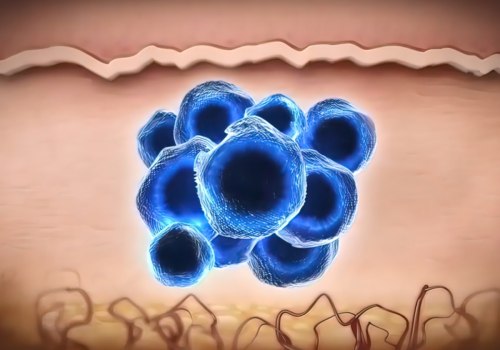
Cancer treatment has evolved significantly over the past few decades, with innovative therapies emerging that harness the body's own immune system to combat malignancies. Among these groundbreaking approaches, CAR T cell therapy stands out as a revolutionary form of immunotherapy. This treatment involves the genetic modification of a patient’s T cells, enabling them to identify and destroy cancer cells more effectively. By equipping these immune cells with chimeric antigen receptors (CARs), clinicians can enhance their ability to target specific cancer markers, leading to improved outcomes for patients suffering from certain types of blood cancers.However, the landscape of cancer treatment is not limited to CAR T cell therapy alone.
Another promising avenue is exosomal therapy , which utilises exosomes—tiny vesicles secreted by cells that play a crucial role in intercellular communication. These exosomes can carry proteins, lipids, and genetic material, making them valuable tools in the delivery of therapeutic agents. In the context of cancer treatment, exosomal therapy aims to exploit these natural carriers to enhance the efficacy of existing treatments or to deliver new therapeutic agents directly to cancer cells.The integration of CAR T cell therapy and exosomal therapy represents a significant advancement in the fight against cancer. By combining the targeted action of genetically modified T cells with the versatile delivery capabilities of exosomes, researchers are exploring new frontiers in personalised medicine.
This synergy not only holds promise for improving treatment efficacy but also for minimising side effects associated with traditional therapies.As we delve deeper into the mechanisms and applications of both CAR T cell and exosomal therapies, it becomes evident that these innovative strategies are paving the way for a new era in cancer treatment. Understanding their roles and potential will be crucial for patients, healthcare providers, and researchers alike as they navigate this complex landscape in search of effective solutions against cancer.
Understanding CAR T Cell Therapy
CAR T cell therapy
represents a groundbreaking advancement in the field of cancer treatment, particularly for certain types of blood cancers. This innovative approach harnesses the body’s own immune system to identify and eliminate cancer cells, offering hope to patients who have exhausted other treatment options.At its core, CAR T cell therapy involves the genetic modification of a patient’s T cells, which are a type of white blood cell crucial for immune response. The process begins with the collection of T cells from the patient’s blood.
These cells are then sent to a laboratory where they undergo genetic engineering to express a chimeric antigen receptor (CAR). This receptor is designed to specifically target antigens found on the surface of cancer cells.Once the T cells are modified, they are multiplied in the lab to create a substantial number of CAR T cells. After a few weeks, these engineered cells are infused back into the patient’s bloodstream. The CAR T cells then circulate throughout the body, seeking out and binding to cancer cells that express the targeted antigens.
Upon binding, these CAR T cells become activated and initiate a potent immune response that leads to the destruction of the cancer cells.The benefits of CAR T cell therapy are significant. Firstly, it offers a personalised treatment option, as it utilises the patient’s own immune cells, minimising the risk of rejection. Secondly, CAR T therapy has shown remarkable efficacy in treating certain blood cancers such as acute lymphoblastic leukaemia (ALL) and diffuse large B-cell lymphoma (DLBCL), with some patients experiencing complete remission even after other therapies have failed.Moreover, ongoing research is expanding the potential applications of CAR T cell therapy beyond blood cancers. Scientists are exploring its effectiveness against solid tumours and other malignancies, which could revolutionise cancer treatment further.
As clinical trials continue to evolve, CAR T cell therapy stands at the forefront of immunotherapy, offering renewed hope for many patients battling cancer.
The Role of Exosomal Therapy in Cancer Treatment
Exosomal therapy represents a groundbreaking approach in the realm of cancer treatment, leveraging the natural properties of exosomes to enhance therapeutic outcomes. Exosomes are small extracellular vesicles, typically ranging from 30 to 150 nanometers in diameter, that are secreted by various cell types, including cancer cells. They play a crucial role in intercellular communication by transporting proteins, lipids, and nucleic acids between cells. This unique ability makes exosomes a promising vehicle for delivering therapeutic agents directly to target cells, including malignant ones.One of the primary benefits of exosomal therapy is its potential to improve the specificity and efficacy of cancer treatments.By utilising exosomes derived from immune cells or engineered to carry specific therapeutic payloads, clinicians can enhance the delivery of drugs or genetic material directly to cancer cells while minimising damage to healthy tissues. This targeted approach not only reduces side effects but also increases the likelihood of successful treatment outcomes.Moreover, exosomes can facilitate the modulation of the immune response against tumours. They can carry immunomodulatory molecules that help activate T cells and other immune components, potentially working synergistically with CAR T cell therapy. For instance, when combined with CAR T cells, exosomes can enhance the persistence and functionality of these engineered immune cells within the tumour microenvironment, leading to more effective eradication of cancer cells.Additionally, exosomal therapy offers a non-invasive method for monitoring treatment responses.
Since exosomes can be isolated from bodily fluids such as blood or urine, they provide a convenient means for assessing changes in tumour biology over time. This capability allows for real-time tracking of therapeutic efficacy and can inform adjustments in treatment strategies as needed.In summary, exosomal therapy holds significant promise in cancer treatment by enhancing drug delivery, modulating immune responses, and providing valuable insights into treatment efficacy. As research continues to evolve in this field, the integration of exosomal therapy with existing modalities like CAR T cell therapy could pave the way for more effective and personalised cancer treatments.
The Process of CAR T Cell Therapy: From Collection to Infusion
The journey of CAR T cell therapy begins with the collection of a patient’s own T cells, a crucial step that sets the foundation for this innovative treatment. This process typically takes place in a hospital or specialised clinic, where healthcare professionals ensure the patient is comfortable and informed about each stage.Step 1: T Cell Collection
The first step involves a procedure known as leukapheresis.
During this outpatient procedure, blood is drawn from the patient, and a machine separates the T cells from other blood components. The remaining blood is then returned to the patient. This process can take several hours, and patients may be advised to rest and hydrate before and after the procedure.
Step 2: Genetic Modification
Once collected, the T cells are sent to a laboratory where they undergo genetic modification. Scientists introduce a gene that encodes for a chimeric antigen receptor (CAR), which enables the T cells to recognise specific proteins on the surface of cancer cells.
This transformation is critical as it equips the T cells with the ability to identify and attack malignant cells effectively.This modification process can take one to two weeks, during which the T cells are cultured and multiplied to ensure there are enough cells for effective treatment. The laboratory closely monitors these cells for quality and efficacy, ensuring they are primed for action against cancer.
Step 3: Infusion of CAR T Cells
After the T cells have been successfully modified and expanded, they are prepared for infusion back into the patient. This infusion typically occurs in a hospital setting, where healthcare providers can monitor the patient for any immediate reactions. The infusion itself is similar to receiving a blood transfusion and usually takes about 30 minutes to an hour.Once infused, these CAR T cells enter the bloodstream and begin their mission to seek out and destroy cancer cells.
Patients may experience side effects during this phase, including fever, fatigue, or flu-like symptoms, as their immune system responds to the newly activated T cells.
Patient Experience
The entire process of CAR T cell therapy can be overwhelming for patients and their families. It is essential for healthcare providers to offer comprehensive support throughout each stage—from initial consultations and leukapheresis to post-infusion care. Open communication about what to expect can help alleviate anxiety and empower patients as they embark on this transformative treatment journey.
Recent Advances in CAR T Cell Therapy and Exosomal Applications
Recent advancements in CAR T cell therapy have opened new avenues for treating various malignancies, particularly in the realm of blood cancers. Researchers are continually exploring innovative methods to enhance the efficacy and safety of these therapies.One significant area of focus is the integration of exosomal therapy with CAR T cell treatments, which has shown promising potential in preclinical studies.Exosomes, which are small extracellular vesicles secreted by cells, play a crucial role in intercellular communication. They can carry proteins, lipids, and nucleic acids, making them ideal candidates for delivering therapeutic agents. Recent studies have indicated that exosomes derived from CAR T cells can enhance their anti-tumour activity by facilitating better communication between immune cells and cancer cells. This synergy could potentially lead to improved outcomes for patients undergoing CAR T cell therapy.In addition to enhancing CAR T cell function, exosomal therapy is being investigated for its ability to modulate the tumour microenvironment.
By using exosomes to deliver immunomodulatory agents directly to the tumour site, researchers aim to create a more favourable environment for CAR T cells to thrive and exert their effects. This approach could address some of the limitations currently faced by CAR T therapies, such as tumour heterogeneity and immune evasion.Ongoing clinical trials are pivotal in assessing the safety and efficacy of these combined therapies. For instance, several studies are evaluating the use of engineered exosomes as vehicles for delivering CAR T cell-derived cytokines or other therapeutic molecules. These trials aim to determine whether this combination can lead to enhanced anti-cancer responses while minimising adverse effects.Moreover, advancements in genetic engineering techniques have allowed for the development of next-generation CAR T cells that express exosomal markers.
This innovation not only improves the targeting capabilities of CAR T cells but also enables them to release therapeutic exosomes that can further amplify their anti-tumour effects.As research progresses, it is clear that the integration of exosomal therapy with CAR T cell treatments represents a frontier in cancer immunotherapy. The potential benefits of this combination could revolutionise treatment protocols and offer new hope for patients with refractory cancers.
Challenges and Limitations of CAR T Cell Therapy and Exosomal Therapy
While CAR T cell therapy and exosomal therapy represent significant advancements in cancer treatment, both approaches come with their own set of challenges and limitations that must be carefully considered.Limitations of CAR T Cell Therapy
- Patient Selection: Not all patients are suitable candidates for CAR T cell therapy. The treatment is primarily effective for certain types of blood cancers, such as acute lymphoblastic leukaemia (ALL) and some forms of non-Hodgkin lymphoma. Patients with solid tumours have not seen the same level of success, which limits the applicability of this therapy.
- Cost and Accessibility: The production of CAR T cells is a complex and costly process, often exceeding £200,000 per patient.
This high cost can restrict access to the treatment, particularly in lower-income regions or healthcare systems.
- Side Effects: CAR T cell therapy can lead to severe side effects, including cytokine release syndrome (CRS) and neurotoxicity. CRS can cause symptoms ranging from fever to severe organ dysfunction, while neurotoxicity may result in confusion, seizures, or even coma in extreme cases.
- Durability of Response: Although some patients experience long-lasting remissions, others may relapse after treatment. The durability of the response varies significantly among individuals, raising concerns about the long-term effectiveness of CAR T cell therapy.
Challenges in Exosomal Therapy
- Standardisation: Exosomal therapy is still in its infancy, and there is a lack of standardisation in the methods used for exosome isolation and characterisation. This variability can affect the reproducibility and efficacy of treatments.
- Understanding Mechanisms: The precise mechanisms by which exosomes exert their therapeutic effects are not fully understood.
This knowledge gap complicates the development of targeted therapies and hinders clinical application.
- Potential for Immune Reactions: As with any biological therapy, there is a risk that exosomal treatments could provoke immune responses in patients. Such reactions could diminish the effectiveness of the therapy or lead to adverse effects.
Future Directions: The Integration of Exosomal Therapy with CAR T Cells
The landscape of cancer treatment is rapidly evolving, with innovative therapies emerging that harness the body's immune system to combat malignancies. One of the most promising avenues for future cancer therapies lies in the integration of exosomal therapy with CAR T cell treatments.This combination could potentially enhance the efficacy of immunotherapy, offering new hope for patients battling various forms of cancer.Exosomes are small extracellular vesicles that play a crucial role in intercellular communication. They are secreted by all cell types and contain proteins, lipids, and nucleic acids that can influence the behaviour of recipient cells. In the context of cancer, exosomes can carry tumour antigens and other bioactive molecules that may be pivotal in modulating immune responses. By integrating exosomal therapy with CAR T cells, researchers aim to create a synergistic effect that could improve treatment outcomes.
Potential Benefits of Combining Therapies
- Enhanced Antigen Presentation: Exosomes derived from tumour cells can be engineered to present specific antigens to CAR T cells, potentially increasing their ability to recognise and attack cancer cells.
- Immune Modulation: Exosomes can carry immunomodulatory molecules that may help in overcoming the immunosuppressive tumour microenvironment, thereby enhancing CAR T cell activity.
- Reduced Toxicity: By using exosomes as delivery vehicles for therapeutic agents, it may be possible to reduce off-target effects and toxicity associated with traditional CAR T cell therapies.
Research Directions
The integration of exosomal therapy with CAR T cells is still in its infancy, but several research directions are being explored:
- Engineering Exosomes: Scientists are investigating methods to engineer exosomes to enhance their targeting capabilities and therapeutic payloads, making them more effective in delivering antigens or drugs directly to CAR T cells.
- Clinical Trials: Ongoing clinical trials are essential to evaluate the safety and efficacy of combined therapies.
These studies will provide critical data on how well exosomal therapy can augment CAR T cell responses in various cancers.
- Understanding Mechanisms: Further research is needed to elucidate the mechanisms by which exosomes influence immune responses and how they can be optimally utilised alongside CAR T cell therapies.
Frequently Asked Questions about CAR T Cell and Exosomal Therapies
As CAR T cell therapy and exosomal therapy continue to gain traction in the field of oncology, many patients and their families have questions about these innovative treatments. Below are some frequently asked questions that can help clarify these therapies.What is CAR T cell therapy?
CAR T cell therapy is a form of immunotherapy that involves modifying a patient’s own T cells to better recognize and attack cancer cells.This process includes collecting T cells from the patient, genetically engineering them in a laboratory to express chimeric antigen receptors (CARs), and then infusing them back into the patient’s bloodstream.
How does exosomal therapy work?
Exosomal therapy utilises exosomes—tiny vesicles released by cells that carry proteins, lipids, and genetic material. These exosomes can facilitate communication between cells and may be used to deliver therapeutic agents directly to target cells, including cancer cells. This approach aims to enhance the immune response against tumours or deliver drugs more effectively.What types of cancers can be treated with CAR T cell therapy?
Currently, CAR T cell therapy is primarily used for certain types of blood cancers, such as:- Acute lymphoblastic leukaemia (ALL)
- Diffuse large B-cell lymphoma (DLBCL)
- Multiple myeloma
Are there any side effects associated with these therapies?
Both CAR T cell and exosomal therapies can have side effects. Common side effects of CAR T cell therapy include:- Cytokine release syndrome (CRS)
- Neurological symptoms
- Infections
How can I find out if I am a candidate for these treatments?
The best way to determine eligibility for CAR T cell or exosomal therapies is through consultation with an oncologist who specializes in these treatments.They will evaluate your specific cancer type, stage, and overall health to recommend the most appropriate options.If you have further questions or concerns about CAR T cell or exosomal therapies, it is essential to discuss them with your healthcare provider for tailored advice and information.
Conclusion: The Promise of Exosomal Therapy in Enhancing CAR T Cell Treatment Outcomes
As we draw our exploration of CAR T cell therapy and exosomal therapy to a close, it is essential to reflect on the transformative potential these innovative treatments hold for cancer patients. The integration of exosomal therapy into the realm of CAR T cell treatment represents a significant advancement in the fight against cancer, particularly for those who have exhausted conventional treatment options.Throughout this article, we have examined how CAR T cell therapy harnesses the body’s immune system to target and eliminate cancer cells. This personalised approach has shown remarkable success in treating certain types of blood cancers, offering hope where traditional therapies have faltered. However, challenges remain, particularly concerning the durability of responses and the ability to effectively target solid tumours.Exosomal therapy emerges as a promising adjunct to CAR T cell treatment, potentially enhancing its efficacy and broadening its applicability.By utilising exosomes—tiny vesicles that facilitate intercellular communication—researchers are uncovering new pathways to improve T cell function and persistence within the hostile tumour microenvironment. This synergy could lead to more robust immune responses and improved patient outcomes.Moreover, the ability of exosomes to carry therapeutic payloads directly to target cells opens up exciting possibilities for combination therapies. For instance, exosomes can be engineered to deliver specific molecules that enhance CAR T cell activity or modulate the immune landscape, thereby overcoming some of the limitations currently faced by CAR T therapies.In conclusion, the convergence of CAR T cell therapy and exosomal therapy signifies a new frontier in cancer treatment. As ongoing research continues to unravel the complexities of these therapies, it is crucial for healthcare professionals and patients alike to stay informed about these advancements.
The promise of improved treatment outcomes not only inspires hope but also underscores the importance of continued investment in cancer research. Together, these therapies could redefine the standard of care for cancer patients, paving the way for a future where more individuals can achieve long-lasting remissions and improved quality of life.