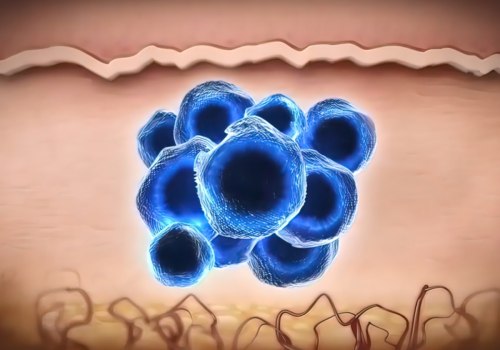
Exosomes are small extracellular vesicles, typically ranging from 30 to 150 nanometres in diameter, that play a pivotal role in intercellular communication. These vesicles are secreted by various cell types and are found in numerous biological fluids, including blood, urine, and saliva. Exosomes originate from the endosomal system of cells, where they form within multivesicular bodies (MVBs) before being released into the extracellular space upon fusion with the plasma membrane. This unique origin not only defines their structure but also influences their content, which includes proteins, lipids, and nucleic acids such as mRNA and microRNA.The biological functions of exosomes are diverse and significant.
They facilitate the transfer of molecular information between cells, thereby influencing various physiological processes such as immune responses, tissue repair, and cellular homeostasis. For instance, exosomes can carry specific proteins that modulate the behaviour of recipient cells, promoting either cell survival or apoptosis depending on the context. This ability to convey complex signals makes exosomes crucial players in both health and disease.In recent years, the potential of exosomal therapy has garnered considerable attention within the scientific community. By harnessing the natural properties of exosomes, researchers are exploring their use as therapeutic agents for a range of conditions, including cancer and neurodegenerative diseases.
The therapeutic applications of exosomes stem from their capacity to deliver bioactive molecules directly to target cells with minimal immunogenicity. This innovative approach not only opens new avenues for treatment but also highlights the importance of understanding exosome biology in developing effective therapies.As we delve deeper into the role of exosomes in human health and disease, it becomes increasingly clear that these tiny vesicles hold immense potential as biomarkers and therapeutic tools. Their ability to reflect the physiological state of their cells of origin positions them as valuable indicators for diagnosing various diseases and monitoring treatment responses. Understanding exosomes is therefore essential for unlocking their full potential in precision medicine.The therapeutic applications of exosomes stem from their capacity to deliver bioactive molecules directly to target cells with minimal immunogenicity. This innovative approach not only opens new avenues for treatment but also highlights the importance of understanding exosome biology in developing effective therapies.As we delve deeper into the role of exosomes in human health and disease, it becomes increasingly clear that these tiny vesicles hold immense potential as biomarkers and therapeutic tools. Their ability to reflect the physiological state of their cells of origin positions them as valuable indicators for diagnosing various diseases and monitoring treatment responses. Understanding exosomes is therefore essential for unlocking their full potential in precision medicine.
The Biogenesis of Exosomes
Exosomes are small extracellular vesicles that play a pivotal role in intercellular communication, and their formation is a complex process known as exosome biogenesis.Understanding how exosomes are formed is crucial for appreciating their function as biomarkers and therapeutic agents in various diseases.The biogenesis of exosomes begins within the endosomal system of the cell. Initially, the inward budding of the plasma membrane leads to the formation of early endosomes. These early endosomes can mature into late endosomes, which are also referred to as multivesicular bodies (MVBs). During this maturation process, intraluminal vesicles (ILVs) are generated through the invagination of the endosomal membrane.Once formed, these ILVs can either be degraded by lysosomes or be released into the extracellular space as exosomes.
The release occurs when MVBs fuse with the plasma membrane, allowing the ILVs to be expelled into the extracellular environment. This mechanism is essential for maintaining cellular homeostasis and facilitating communication between cells.Several key proteins and lipids are involved in the formation of exosomes. For instance, the ESCRT (endosomal sorting complexes required for transport) machinery plays a significant role in sorting ubiquitinated proteins into ILVs. Additionally, proteins such as Alix and Tsg101 are critical for MVB formation and exosome release.
Furthermore, ceramide, a lipid molecule, has been identified as a crucial mediator in the budding process of exosomes from the endosomal membrane.The mechanisms underlying exosomal therapy are closely linked to their biogenesis. By harnessing the natural properties of exosomes, researchers aim to develop therapeutic strategies that utilise their ability to deliver bioactive molecules such as proteins, lipids, and RNAs to target cells. This targeted delivery system can enhance therapeutic efficacy while minimising side effects.In summary, understanding the intricate process of exosome biogenesis not only sheds light on their role in cellular communication but also opens avenues for innovative therapeutic applications. As research progresses, elucidating these mechanisms will be vital for advancing exosomal therapy and its potential in treating various health conditions.
Exosomes as Biomarkers: Mechanisms and Applications
Exosomes have emerged as pivotal players in the realm of biomarker discovery, offering a unique window into the physiological and pathological states of cells.These nanoscale vesicles, secreted by various cell types, encapsulate a wealth of molecular information, including proteins, lipids, and nucleic acids. This rich cargo reflects the cellular environment from which they originate, making exosomes invaluable for understanding disease mechanisms and progression.One of the most significant applications of exosomes as biomarkers lies in their potential for early disease detection. For instance, in cancer diagnostics, exosomal content can reveal specific oncogenic mutations or altered protein expressions that are indicative of malignancy. Studies have shown that exosomes derived from tumour cells can carry unique signatures that differentiate cancerous from non-cancerous cells.
This specificity allows for the development of non-invasive liquid biopsies, where blood samples can be analysed for exosomal markers, providing a less invasive alternative to traditional tissue biopsies.Moreover, exosomes play a crucial role in monitoring disease progression and treatment response. In chronic diseases such as diabetes or neurodegenerative disorders, changes in the composition of circulating exosomes can reflect alterations in disease status or therapeutic efficacy. For example, in Alzheimer’s disease, specific proteins associated with neurodegeneration have been identified within exosomes derived from cerebrospinal fluid and blood. Tracking these biomarkers over time can provide insights into disease progression and help tailor treatment strategies.Additionally, the ability of exosomes to cross biological barriers, such as the blood-brain barrier, enhances their utility as biomarkers for neurological conditions. This specificity allows for the development of non-invasive liquid biopsies, where blood samples can be analysed for exosomal markers, providing a less invasive alternative to traditional tissue biopsies.Moreover, exosomes play a crucial role in monitoring disease progression and treatment response. In chronic diseases such as diabetes or neurodegenerative disorders, changes in the composition of circulating exosomes can reflect alterations in disease status or therapeutic efficacy. For example, in Alzheimer’s disease, specific proteins associated with neurodegeneration have been identified within exosomes derived from cerebrospinal fluid and blood. Tracking these biomarkers over time can provide insights into disease progression and help tailor treatment strategies.Additionally, the ability of exosomes to cross biological barriers, such as the blood-brain barrier, enhances their utility as biomarkers for neurological conditions.
This characteristic allows for the potential detection of central nervous system disorders through minimally invasive methods. As research continues to uncover the complexities of exosomal biology, their application in diagnostics is expected to expand further.In summary, the role of exosomes as biomarkers is multifaceted and holds great promise for advancing diagnostic capabilities across various diseases. Their ability to provide real-time insights into cellular processes not only aids in early detection but also enhances our understanding of disease dynamics and treatment outcomes.
Exosomal Therapy: Current Research and Future Directions
Exosomal therapy is an innovative approach that leverages the unique properties of exosomes for therapeutic purposes. Recent research has illuminated the potential of exosomes as vehicles for drug delivery, regenerative medicine, and even as therapeutic agents themselves.This section delves into the current state of exosomal therapy research, highlighting significant advancements and exploring future directions.
Current Research in Exosomal Therapy
Recent studies have demonstrated that exosomes can be engineered to carry specific therapeutic molecules, such as small interfering RNAs (siRNAs), messenger RNAs (mRNAs), and proteins. This engineering allows for targeted delivery to specific cells or tissues, enhancing the efficacy of treatments while minimising side effects. For instance, researchers have successfully used exosomes derived from mesenchymal stem cells (MSCs) to deliver anti-inflammatory agents in models of autoimmune diseases, showcasing their potential in modulating immune responses.Moreover, exosomes have been investigated for their role in cancer therapy. They can be used to deliver chemotherapeutic agents directly to tumour cells, thereby increasing drug concentration at the target site and reducing systemic toxicity.
Studies have shown that exosomes can also carry tumour antigens, which may enhance the effectiveness of cancer vaccines by stimulating a robust immune response against cancer cells.
Future Directions of Exosomal Therapy
The future of exosomal therapy appears promising, with several avenues for exploration:
- Personalised Medicine: As our understanding of individual genetic profiles improves, exosomal therapy could be tailored to meet the specific needs of patients, particularly in oncology and chronic diseases.
- Combination Therapies: Future research may focus on combining exosomal therapy with other treatment modalities, such as immunotherapy or gene therapy, to enhance overall treatment efficacy.
- Regulatory Frameworks: As exosomal therapies advance towards clinical application, establishing robust regulatory frameworks will be crucial to ensure safety and efficacy in human subjects.
- Scalability and Production: Developing scalable methods for the production and purification of therapeutic exosomes will be essential for their widespread clinical use.
Challenges in Exosome Isolation and Analysis
The isolation and analysis of exosomes present a myriad of technical challenges that researchers must navigate to harness their potential as biomarkers in human health and disease. Understanding these challenges is essential for advancing the field and improving the reliability of exosomal research.One of the primary difficulties in isolating exosomes lies in their heterogeneity. Exosomes vary significantly in size, composition, and origin, which complicates the development of standardised isolation protocols.Different cell types release exosomes with distinct molecular signatures, making it challenging to isolate specific exosome populations without contamination from other extracellular vesicles (EVs).Moreover, traditional methods for isolating exosomes, such as ultracentrifugation, can be time-consuming and may not yield pure exosomal preparations. These methods often require multiple steps, including differential centrifugation and density gradient separation, which can lead to the loss of valuable exosomal content. Additionally, the mechanical forces involved in centrifugation can potentially alter the integrity of the exosomes themselves, affecting downstream analyses.Another significant challenge is the low abundance of exosomes in biological fluids. For instance, while blood contains a variety of EVs, the concentration of specific exosome subtypes can be exceedingly low, necessitating highly sensitive detection methods.
Current analytical techniques, such as enzyme-linked immunosorbent assays (ELISAs) or Western blotting, may lack the sensitivity required to detect these low levels accurately.Furthermore, the characterisation of isolated exosomes poses its own set of difficulties. The lack of universally accepted markers for exosome identification means that researchers often rely on a combination of protein markers and physical characteristics for characterisation. This inconsistency can lead to variability in results across different studies, hindering reproducibility and comparability.To address these challenges, there is a pressing need for the development of novel isolation techniques that enhance purity and yield while minimising contamination. Techniques such as microfluidics and immunoaffinity capture are emerging as promising alternatives that could streamline the isolation process and improve the quality of isolated exosomes.In conclusion, while significant hurdles exist in the isolation and analysis of exosomes, ongoing advancements in technology and methodology hold great promise for overcoming these obstacles.
By refining isolation techniques and enhancing analytical sensitivity, researchers can unlock the full potential of exosomes as biomarkers in clinical applications.
Exosomes in Neurodegenerative Diseases: A Case Study
Neurodegenerative diseases, such as Alzheimer’s disease, Parkinson’s disease, and amyotrophic lateral sclerosis (ALS), are characterised by progressive degeneration of the structure and function of the nervous system. Recent research has highlighted the potential of exosomes as biomarkers for these conditions, offering a minimally invasive method for diagnosis and monitoring disease progression.Exosomes are small extracellular vesicles that facilitate intercellular communication by transporting proteins, lipids, and nucleic acids between cells. Their unique composition reflects the physiological state of their parent cells, making them valuable in understanding neurodegenerative processes.Case Study: Alzheimer’s Disease
In Alzheimer’s disease, exosomes derived from neuronal cells have been shown to carry amyloid-beta peptides and tau proteins, which are critical in the pathogenesis of the disease. A study conducted by Smith et al.(2021)
demonstrated that levels of specific exosomal proteins correlated with cognitive decline in patients. By analysing exosomes from cerebrospinal fluid (CSF) and blood samples, researchers were able to identify a panel of biomarkers that could predict disease onset and progression.Case Study: Parkinson’s Disease
Similarly, in Parkinson’s disease, exosomes have been implicated in the spread of alpha-synuclein aggregates, a hallmark of the condition. Research led by Jones et al. (2022) found that exosomes isolated from the plasma of patients contained elevated levels of alpha-synuclein compared to healthy controls.This finding suggests that exosomal analysis could serve as a non-invasive diagnostic tool for early detection and monitoring of Parkinson’s disease.
Case Study: Amyotrophic Lateral Sclerosis (ALS)
In ALS, exosomes have been studied for their role in mediating neuroinflammation and neuronal death. A pivotal study by Garcia et al. (2023) revealed that exosomes from ALS patients exhibited distinct microRNA profiles compared to those from healthy individuals. These microRNAs were linked to pathways involved in neurodegeneration, indicating their potential as biomarkers for disease progression and therapeutic targets.The ability to isolate and analyse exosomes from easily accessible biofluids such as blood or saliva presents a significant advantage in clinical settings.As research continues to evolve, the integration of exosomal therapy into treatment protocols may offer new avenues for managing neurodegenerative diseases, enhancing patient outcomes through personalised medicine.
Liquid Biopsy: The Role of Exosomes in Cancer Diagnostics
Liquid biopsy has emerged as a revolutionary approach in the field of cancer diagnostics, offering a non-invasive alternative to traditional tissue biopsies. At the forefront of this innovation areLiquid biopsy has emerged as a revolutionary approach in the field of cancer diagnostics, offering a non-invasive alternative to traditional tissue biopsies. At the forefront of this innovation are exosomes, which are small extracellular vesicles secreted by various cell types, including cancer cells. These vesicles carry a wealth of molecular information, including proteins, lipids, and nucleic acids, that reflect the physiological state of their cells of origin.Exosomes play a pivotal role in liquid biopsy due to their ability to encapsulate and transport biomarkers that can indicate the presence and progression of cancer. When isolated from biofluids such as blood, urine, or saliva, exosomes provide a snapshot of the tumour's molecular profile without the need for invasive procedures.This is particularly advantageous for patients who may be unable to undergo traditional biopsies due to health concerns or the location of the tumour.One of the primary advantages of using exosomes in liquid biopsy is their stability in circulation. Unlike free-floating biomolecules that may degrade quickly, exosomes are protected by their lipid bilayer, allowing them to maintain their integrity during transport through the bloodstream. This stability enhances the reliability of biomarker detection and quantification.Moreover, exosomal content can provide insights into tumour heterogeneity and evolution. As tumours develop, they can shed different populations of exosomes into circulation, each carrying distinct molecular signatures.
By analysing these variations, clinicians can gain a deeper understanding of the tumour's behaviour and response to treatment.Recent studies have demonstrated the potential of exosomal biomarkers in various cancer types. For instance, specific RNA molecules found within exosomes have been linked to breast cancer progression and prognosis. Similarly, proteins such as Glypican-1 (GPC1) have been identified as markers for pancreatic cancer detection.In summary, the integration of exosomes into liquid biopsy represents a significant advancement in cancer diagnostics. Their ability to provide critical information about tumour biology through non-invasive means not only enhances patient comfort but also paves the way for more personalised treatment strategies.
As research continues to evolve, the role of exosomal therapy in early detection and monitoring of cancer will likely expand, offering hope for improved patient outcomes.
Ethical Considerations in Exosomal Research and Therapy
The exploration of exosomes in both research and therapeutic contexts raises significant ethical considerations that must be addressed to ensure responsible scientific practice. As exosomal therapy gains traction, it is crucial to navigate the complex landscape of ethical issues that accompany this innovative field.One of the primary ethical concerns revolves around patient consent. In studies involving exosomes, particularly those derived from human samples, obtaining informed consent is paramount. Patients must be fully aware of how their biological materials will be used, including potential risks and benefits associated with the research.This transparency fosters trust and respects the autonomy of individuals participating in studies. Researchers should provide clear information regarding the purpose of the study, the nature of exosome analysis, and any foreseeable implications for their health.Moreover, the ethics of biomarker research cannot be overlooked. Exosomes are increasingly being investigated as biomarkers for various diseases, which raises questions about the accuracy and reliability of these markers. Misinterpretation or over-reliance on exosomal biomarkers could lead to misdiagnosis or inappropriate treatment plans.
Therefore, rigorous validation processes must be established to ensure that findings are robust and reproducible before they are translated into clinical practice.Another critical aspect is the potential for commercialisation of exosomal therapies. As the market for these therapies expands, ethical dilemmas may arise regarding accessibility and equity. If exosomal treatments become commercially viable, there is a risk that they may only be available to those who can afford them, exacerbating existing health disparities. It is essential for stakeholders in this field to advocate for equitable access to these promising therapies.Furthermore, researchers must consider the implications of using exosomes derived from various sources, including stem cells or tumour cells.
The ethical sourcing of these materials is vital to avoid exploitation or harm to donors. Establishing clear guidelines and ethical frameworks for sourcing biological materials will help mitigate these concerns.In conclusion, as we advance in the field of exosomal research and therapy, it is imperative to address these ethical considerations comprehensively. By prioritising patient consent, ensuring rigorous biomarker validation, advocating for equitable access, and ethically sourcing biological materials, we can foster a responsible approach to harnessing the potential of exosomes in improving human health.
Conclusion: The Future of Exosomal Biomarkers and Therapy
In summary, the exploration of exosomal therapy and the role of exosomes as biomarkers in human health and disease has unveiled a promising frontier in medical science. Throughout this article, we have examined the multifaceted nature of exosomes, their potential to serve as indicators of various diseases, and their capacity to facilitate innovative therapeutic approaches.The significance of exosomes lies not only in their ability to reflect the physiological state of their cells of origin but also in their potential to revolutionise diagnostics and treatment strategies.As we have discussed, exosomes derived from different tissues can provide invaluable insights into disease mechanisms, particularly in complex conditions such as cancer and neurodegenerative disorders. Their presence in biofluids like blood makes them accessible for non-invasive testing, which is a significant advantage over traditional biopsy methods.Looking ahead, the future of exosomal biomarkers appears bright. Ongoing advancements in isolation and characterisation techniques are expected to enhance the reliability and accuracy of exosome-based diagnostics. As researchers continue to unravel the complexities of exosomal content, including proteins, lipids, and nucleic acids, we anticipate a deeper understanding of their roles in disease progression and response to therapy.Moreover, the integration of exosomal therapy into clinical practice could lead to personalised medicine approaches that tailor treatments based on individual biomarker profiles.
This shift towards precision medicine could significantly improve patient outcomes by ensuring that therapies are more effective and targeted.However, challenges remain. The heterogeneity of exosomes and the need for standardised protocols for their isolation and analysis must be addressed to fully realise their potential. Collaborative efforts among researchers, clinicians, and industry stakeholders will be crucial in overcoming these hurdles.In conclusion, as we stand on the brink of a new era in biomarker discovery and therapeutic intervention through exosomes, it is essential to foster continued research and innovation in this field. The promise of exosomal therapy not only holds the potential for improved diagnostic tools but also paves the way for groundbreaking treatments that could transform patient care across a spectrum of diseases.