In recent years, the landscape of cancer treatment has been revolutionised by innovative therapies that harness the body’s own immune system to combat malignancies. Among these groundbreaking approaches, CAR T-cell therapy has emerged as a beacon of hope for patients suffering from certain types of blood cancers. This form of immunotherapy involves genetically modifying a patient’s T-cells to express chimeric antigen receptors (CARs) that specifically target cancer cells. The FDA's approval of CAR T-cell therapies marks a significant milestone in oncology, validating the potential of this personalised treatment strategy and offering new avenues for patients who have exhausted conventional treatment options. As we delve deeper into the realm of cancer therapies, it is essential to also consider the role of exosomal therapy.
Exosomes are small extracellular vesicles that facilitate intercellular communication and play a crucial role in various biological processes, including immune responses. Recent research has highlighted their potential in cancer treatment, particularly in enhancing the efficacy of existing therapies like CAR T-cell therapy. By utilising exosomes to deliver therapeutic agents or modulate immune responses, researchers are exploring ways to improve patient outcomes and reduce side effects associated with traditional treatments. The FDA's rigorous approval process serves as a critical benchmark for the safety and efficacy of these advanced therapies. The validation provided by such approvals not only instils confidence in healthcare providers and patients but also encourages further research and development in the field.
As we explore the intricacies of CAR T-cell therapy and exosomal therapy, it becomes evident that these innovations represent a paradigm shift in how we approach cancer treatment, paving the way for more effective and personalised medical interventions.
Understanding CAR T-Cell Therapy
CAR T-cell therapy
represents a revolutionary approach in the field of cancer treatment, particularly for patients suffering from certain types of blood cancers. This innovative therapy harnesses the power of the body’s own immune system to target and eliminate cancer cells. But what exactly is CAR T-cell therapy, and how does it work?At its core, CAR T-cell therapy involves the modification of a patient’s T-cells, which are a type of white blood cell crucial for immune response. The process begins with the collection of T-cells from the patient’s blood through a procedure known as leukapheresis.
Once collected, these cells are genetically engineered in a laboratory to express a chimeric antigen receptor (CAR) on their surface. This receptor is designed to specifically recognise and bind to antigens present on the surface of cancer cells.After the T-cells have been modified, they are multiplied to create millions of CAR T-cells. These enhanced cells are then infused back into the patient’s bloodstream. Once reintroduced, the CAR T-cells can effectively identify and attack cancer cells that express the targeted antigen, leading to their destruction.
This targeted approach not only improves the efficacy of treatment but also reduces damage to healthy cells compared to traditional therapies like chemotherapy.The benefits of CAR T-cell therapy are significant:
- Personalised Treatment: Since CAR T-cell therapy uses the patient’s own immune cells, it is tailored specifically to their unique cancer profile.
- Durable Responses: Many patients experience long-lasting remissions, with some remaining cancer-free for years after treatment.
- Potential for Other Cancers: While currently approved for specific blood cancers, research is ongoing into its application for solid tumours and other malignancies.
- Minimally Invasive: The use of a patient’s own cells means that this therapy can often be less invasive than traditional surgical options.
The First FDA-Approved CAR T-Cell Therapy: Tisagenlecleucel (Kymriah)
Tisagenlecleucel, marketed under the brand name Kymriah, holds the distinction of being the first CAR T-cell therapy to receive approval from the FDA. This groundbreaking treatment was developed by Novartis Pharmaceuticals and represents a significant advancement in the field of oncology, particularly for patients suffering from certain types of blood cancers.The journey of Tisagenlecleucel began with its initial designation as CTL019, a product of extensive research and clinical trials aimed at harnessing the body’s immune system to combat cancer. The therapy is specifically designed to treat pediatric and young adult patients aged up to 25 years who are diagnosed with acute lymphoblastic leukemia (ALL) that is either refractory or has relapsed after standard treatment protocols. began with its initial designation as CTL019, a product of extensive research and clinical trials aimed at harnessing the body’s immune system to combat cancer. The therapy is specifically designed to treat pediatric and young adult patients aged up to 25 years who are diagnosed with acute lymphoblastic leukemia (ALL) that is either refractory or has relapsed after standard treatment protocols.This condition is particularly challenging, as it often does not respond to conventional therapies, making CAR T-cell therapy a beacon of hope for these vulnerable patients.The FDA granted approval for Kymriah in August 2017, marking a pivotal moment in cancer treatment history. The approval was based on promising results from clinical trials that demonstrated the therapy's ability to induce remission in a significant percentage of patients. In these trials, many participants experienced a complete response, showcasing the potential of CAR T-cell therapy to transform outcomes for those with difficult-to-treat cancers.One of the most notable aspects of Kymriah is its innovative mechanism of action. The therapy involves extracting a patient’s own T-cells, which are then genetically modified in a laboratory setting to express a chimeric antigen receptor (CAR) that targets the CD19 protein found on the surface of B-cells.
Once reintroduced into the patient’s bloodstream, these engineered T-cells can effectively identify and destroy cancerous B-cells, leading to a targeted attack on the leukemia.The significance of Kymriah's approval extends beyond its immediate therapeutic benefits. It has paved the way for further research into CAR T-cell therapies targeting other malignancies and has sparked interest in exosomal therapy as a complementary approach. Exosomal therapy focuses on utilizing exosomes—small vesicles released by cells—to facilitate communication between cells and potentially enhance immune responses against cancer.In conclusion, Tisagenlecleucel (Kymriah) stands as a landmark achievement in cancer treatment, offering new hope to patients with acute lymphoblastic leukemia and setting the stage for future innovations in immunotherapy. Its FDA approval not only underscores the importance of CAR T-cell therapies but also highlights the ongoing evolution of cancer treatment strategies aimed at improving patient outcomes.
Mechanism of Action: How CAR T-Cell Therapy Works
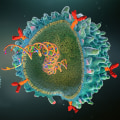
CAR T-cell therapy represents a revolutionary approach in the treatment of certain cancers, particularly hematologic malignancies.The mechanism of action behind this innovative therapy is rooted in the manipulation of the body’s own immune system, specifically T-cells, to target and eliminate cancer cells.At the core of CAR T-cell therapy is the engineering of T-cells to express a chimeric antigen receptor (CAR). This receptor is designed to recognise specific proteins, known as antigens, that are present on the surface of cancer cells. For instance, in the case of B-cell malignancies, CAR T-cells are often engineered to target the CD19 antigen, which is commonly found on B-cell leukemias and lymphomas.The process begins with the collection of a patient’s T-cells through a procedure called leukapheresis. Once isolated, these T-cells are genetically modified in a laboratory setting to express the CAR.
This modification typically involves using a viral vector to introduce the CAR gene into the T-cells. The engineered T-cells are then expanded in number before being infused back into the patient.Upon reintroduction into the patient’s bloodstream, these CAR T-cells can now identify and bind to cancer cells that express the targeted antigen. This binding triggers a series of immune responses:
- Activation: The binding of CAR T-cells to cancer cells activates them, leading to their proliferation and enhanced cytotoxic activity.
- Cytotoxicity: Activated CAR T-cells release cytotoxic molecules such as perforin and granzymes that induce apoptosis (programmed cell death) in cancer cells.
- Memory Formation: Some CAR T-cells differentiate into memory T-cells, which can persist long-term in the body and provide ongoing surveillance against cancer recurrence.
Patients may experience side effects such as cytokine release syndrome (CRS) and neurotoxicity due to the potent immune response elicited by these engineered cells.In summary, CAR T-cell therapy operates through a sophisticated mechanism that harnesses and amplifies the body’s immune response against cancer. By engineering T-cells to specifically target cancer antigens, this therapy offers a promising avenue for patients with previously untreatable malignancies.
Exosomal Therapy: An Emerging Frontier in Cancer Treatment
Exosomal therapy represents a groundbreaking approach in the realm of cancer treatment, leveraging the natural properties of exosomes to facilitate communication between cells and promote therapeutic effects. Exosomes are small extracellular vesicles, typically ranging from 30 to 150 nanometers in diameter, that are secreted by various cell types, including cancer cells. They play a crucial role in intercellular communication by transporting proteins, lipids, and nucleic acids between cells, thereby influencing the behaviour of recipient cells.One of the most significant benefits of exosomal therapy lies in its ability to harness these vesicles for targeted drug delivery.By encapsulating therapeutic agents within exosomes derived from specific cell types, researchers can enhance the efficacy and specificity of treatments. This targeted approach not only minimises side effects but also improves the overall therapeutic index of cancer treatments.Moreover, exosomes can be engineered to carry specific molecules that can modulate immune responses or inhibit tumour growth. For instance, exosomes derived from dendritic cells can be used to present tumour antigens to T-cells, thereby stimulating a robust immune response against cancer cells. This innovative strategy is particularly promising in the context of immunotherapy, where enhancing the body’s natural defence mechanisms is crucial for effective cancer treatment.In addition to their role in drug delivery and immune modulation, exosomes are also being investigated as biomarkers for cancer diagnosis and prognosis.
Their presence in bodily fluids such as blood and urine makes them an attractive target for non-invasive diagnostic techniques. By analysing the molecular content of exosomes, clinicians may gain insights into tumour characteristics and treatment responses, paving the way for personalised medicine.As research continues to unfold, exosomal therapy holds immense potential not only for treating various types of cancer but also for addressing other diseases. The versatility and adaptability of exosomes make them a promising tool in the ongoing quest for more effective and less toxic therapeutic options.
Comparing CAR T-Cell Therapy and Exosomal Therapy
In the evolving landscape of cancer therapies, CAR T-cell therapy and exosomal therapy represent two innovative approaches that harness the body's immune system to combat malignancies. While both therapies aim to enhance the immune response against cancer, they operate through distinct mechanisms and offer unique advantages and limitations.CAR T-Cell Therapy Overview
- Mechanism: CAR T-cell therapy involves the genetic modification of a patient’s T-cells to express chimeric antigen receptors (CARs) that specifically target cancer cells.
This process enables T-cells to recognise and attack tumours more effectively.
- Applications: Primarily used for hematologic cancers, such as acute lymphoblastic leukaemia (ALL) and certain types of lymphoma, CAR T-cell therapy has shown remarkable success in patients who have not responded to traditional treatments.
- Limitations: Despite its efficacy, CAR T-cell therapy can lead to severe side effects, including cytokine release syndrome (CRS) and neurotoxicity. Additionally, the treatment is often expensive and requires a complex manufacturing process.
Exosomal Therapy Overview
- Mechanism: Exosomal therapy utilises exosomes—small vesicles secreted by cells that carry proteins, lipids, and RNA. These exosomes can modulate immune responses and deliver therapeutic agents directly to target cells, potentially enhancing treatment efficacy.
- Applications: This therapy is being explored for a variety of cancers and other diseases, with the potential to improve drug delivery systems and reduce side effects associated with conventional therapies.
- Limitations: While exosomal therapy shows promise, it is still largely in the experimental stages. Challenges include standardising exosome production and ensuring consistent therapeutic effects across different patient populations.
Comparative Analysis
The primary difference between CAR T-cell therapy and exosomal therapy lies in their approach to targeting cancer cells.
CAR T-cell therapy directly modifies the patient’s immune cells, leading to a robust but sometimes unpredictable immune response. In contrast, exosomal therapy offers a more nuanced method of delivering therapeutic agents while potentially minimising adverse effects.Moreover, CAR T-cell therapy is currently more established in clinical practice compared to exosomal therapy, which remains under investigation. As research progresses, understanding these differences will be crucial for clinicians in selecting appropriate treatment strategies tailored to individual patient needs.
Challenges and Considerations in CAR T-Cell Therapy and Exosomal Therapy
While CAR T-cell therapy and exosomal therapy represent significant advancements in cancer treatment, both modalities come with their own set of challenges and considerations that must be addressed. Understanding these challenges is crucial for patients, healthcare providers, and researchers alike.Challenges of CAR T-Cell Therapy
- Side Effects: One of the most significant challenges associated with CAR T-cell therapy is the potential for severe side effects.
Patients may experience cytokine release syndrome (CRS), which can lead to symptoms such as fever, fatigue, and in severe cases, organ dysfunction. Neurological toxicities, including confusion and seizures, are also reported.
- Limited Applicability: Currently, CAR T-cell therapies are primarily approved for specific types of blood cancers, such as acute lymphoblastic leukaemia (ALL) and certain types of lymphoma. This limitation restricts the broader application of this innovative treatment.
- Cost: The financial burden of CAR T-cell therapy is another significant concern. With treatment costs often exceeding $373,000 per patient, affordability poses a barrier to access for many individuals.
- Manufacturing Challenges: The process of creating CAR T-cells is complex and time-consuming.
Each patient's cells must be collected, modified, and then reintroduced into their body, which can lead to delays in treatment.
Limitations of Exosomal Therapy
- Research Stage: Exosomal therapy is still largely in the experimental phase. While promising results have been observed in preclinical studies, more extensive clinical trials are necessary to establish efficacy and safety.
- Standardisation Issues: The production and isolation of exosomes can vary significantly between different laboratories. This lack of standardisation can affect the reproducibility of results and complicate regulatory approval processes.
- Targeting Specificity: One challenge with exosomal therapy is ensuring that the exosomes effectively target the intended cells or tissues. Without precise targeting mechanisms, there is a risk of off-target effects that could lead to unintended consequences.
Conclusion
Both CAR T-cell therapy and exosomal therapy hold great promise for the future of cancer treatment.
However, it is essential to navigate the challenges associated with these therapies carefully. Ongoing research and clinical trials will be vital in addressing these limitations and improving patient outcomes.
Future Directions: The Evolution of Cancer Therapies
The landscape of cancer therapies is rapidly evolving, with CAR T-cell therapy and exosomal therapy at the forefront of innovative treatment options. As researchers continue to explore the potential of these therapies, several future directions are emerging that could significantly impact patient outcomes.Advancements in CAR T-cell Therapy
CAR T-cell therapy has already demonstrated remarkable success in treating certain types of blood cancers, but its future holds even more promise. Ongoing research is focused on expanding the range of cancers that can be treated with CAR T-cell therapies.
For instance, scientists are investigating the use of CAR T-cells against solid tumours, which have historically been more challenging to target due to their complex microenvironments.Moreover, advancements in genetic engineering techniques are paving the way for next-generation CAR T-cells that can target multiple antigens simultaneously. This multi-target approach could enhance the efficacy of treatments and reduce the likelihood of cancer cells evading therapy. Clinical trials are currently underway to assess these innovative strategies, and early results are encouraging.
Exosomal Therapy: A New Frontier
Exosomal therapy represents a cutting-edge area of research that leverages the natural properties of exosomes—small vesicles released by cells that play a crucial role in intercellular communication. These exosomes can carry proteins, lipids, and RNA molecules that may influence cancer progression and immune responses.Future studies are focusing on harnessing exosomes for targeted drug delivery systems, potentially improving the precision of cancer treatments while minimising side effects.
Researchers are also exploring the use of engineered exosomes to deliver therapeutic agents directly to tumour sites, enhancing treatment efficacy.
Next Steps in Cancer Treatment Research
The integration of CAR T-cell and exosomal therapies into standard treatment protocols is a key focus for future research. Collaborative efforts between academic institutions and pharmaceutical companies aim to streamline clinical trials and expedite the approval process for new therapies.Additionally, understanding the mechanisms behind resistance to current therapies is critical. By identifying biomarkers associated with treatment response or resistance, researchers can develop more personalised approaches to cancer care.In conclusion, the future of cancer therapies is bright, with CAR T-cell and exosomal therapies leading the charge towards more effective and personalised treatment options. As ongoing research continues to unveil new possibilities, patients may soon benefit from breakthroughs that were once thought to be unattainable.
Conclusion: The Impact of Innovative Therapies on Cancer Treatment Outcomes
In summary, the advent of innovative therapies such as CAR T-cell therapy and exosomal therapy has significantly transformed the landscape of cancer treatment.These advancements not only offer new hope for patients facing challenging diagnoses but also pave the way for more personalised and effective treatment strategies.
CAR T-cell therapy
, exemplified by the FDA-approved tisagenlecleucel (Kymriah), has demonstrated remarkable efficacy in treating certain types of blood cancers, particularly acute lymphoblastic leukemia (ALL). This therapy harnesses the power of the patient’s own immune system by genetically modifying T-cells to target and eliminate cancer cells. The success of CAR T-cell therapy highlights the potential of immunotherapy in oncology, providing a lifeline for patients who have exhausted conventional treatment options.On the other hand, exosomal therapy represents a burgeoning field that leverages the natural properties of exosomes—small vesicles secreted by cells that play a crucial role in intercellular communication. Research into exosomal therapy is still in its infancy compared to CAR T-cell therapies, yet it holds immense promise.
Exosomes can be engineered to deliver therapeutic agents directly to cancer cells, enhancing treatment precision while minimising side effects. This targeted approach could revolutionise how we manage not only cancer but also other diseases.The integration of these innovative therapies into clinical practice underscores a pivotal shift towards more tailored cancer treatments. As ongoing research continues to unveil the complexities of cancer biology and treatment responses, it is imperative that both CAR T-cell and exosomal therapies are further explored and optimised.Ultimately, the impact of these therapies extends beyond individual patient outcomes; they signify a broader movement towards harnessing the body’s own mechanisms to combat disease. As we look to the future, it is essential to continue investing in research and development to unlock the full potential of these groundbreaking treatments, ensuring that more patients can benefit from advancements in cancer care.