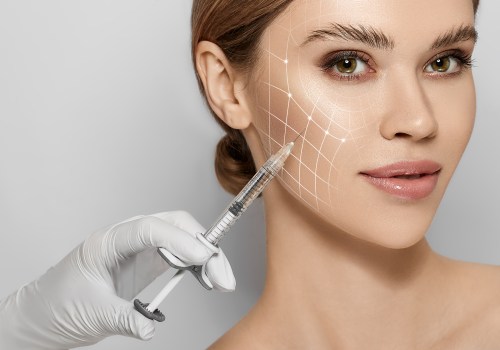
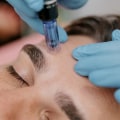
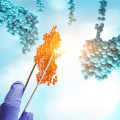
Polynucleotide injections represent a cutting-edge advancement in the realm of Polynucleotide injections represent a cutting-edge advancement in the realm of skin treatment, harnessing the power of natural compounds to rejuvenate and revitalise the skin. These injections are designed to deliver polynucleotides, which are essential components that play a crucial role in cellular repair and regeneration. By introducing these compounds directly into the skin, patients can experience significant improvements in hydration, texture, and overall skin elasticity. This innovative approach not only addresses visible signs of ageing, such as fine lines and wrinkles, but also promotes a healthier skin environment at a cellular level.Complementing polynucleotide injections is the emerging field of exosomal therapy.
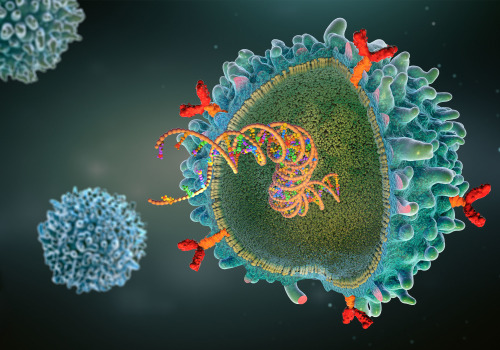
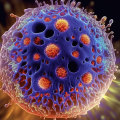
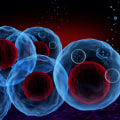
Exosomes are tiny vesicles secreted by cells that facilitate communication between them. They carry proteins, lipids, and genetic material that can influence the behaviour of surrounding cells. When used in conjunction with polynucleotide injections, exosomal therapy enhances the regenerative effects by promoting healing and reducing inflammation. This synergy between polynucleotides and exosomes creates a powerful treatment option for those seeking to improve their skin's appearance and health.The benefits of polynucleotide injections extend beyond mere aesthetics.
Patients often report not only a visible enhancement in their skin's appearance but also an increase in confidence and self-esteem. The treatment is minimally invasive, making it an attractive option for individuals looking for effective solutions without the downtime associated with more invasive procedures. As we delve deeper into the dos and don'ts following these treatments, understanding the foundational principles behind polynucleotide injections and exosomal therapy will be essential for maximising results and ensuring optimal skin health.
The Importance of Post-Treatment Care
Post-treatment care is crucial for achieving optimal results after receiving polynucleotide injections. The skin undergoes a healing process that can significantly influence the effectiveness of the treatment.Understanding how to care for your skin during this recovery phase can enhance hydration, texture, and elasticity, ultimately leading to a more youthful appearance.One of the primary reasons for adhering to post-treatment guidelines is to minimise inflammation and irritation. After the injections, your skin may be sensitive and prone to reactions. Therefore, it is essential to follow specific dos and don'ts:
- Do stay hydrated: Drinking plenty of water post-treatment helps maintain skin moisture levels, facilitating the healing process.
- Do avoid alcohol: Alcohol can exacerbate inflammation and hinder recovery. It is advisable to refrain from consuming alcohol for at least 24 hours after your treatment.
- Do keep the treated area clean: Gently cleanse the area with a mild cleanser to prevent infection and promote healing.
- Don't touch or scratch: Avoid touching the injection sites for at least 24 hours.
This helps prevent irritation and potential infection.
- Don't use harsh products: Steer clear of exfoliants or active ingredients like retinoids in the treated area until fully healed.
By following these recommendations, you can ensure that your skin heals effectively and that you achieve the rejuvenated appearance you desire.
Dos of Drinking After Polynucleotide Injections
After receiving polynucleotide injections, it is crucial to adopt certain practices that will aid in your recovery and enhance the treatment's effectiveness. One of the most important aspects to consider is hydration. Proper hydration not only supports your skin's healing process but also helps to flush out any toxins that may have been introduced during the treatment.1.Prioritise Hydration
- Drink plenty of water in the days leading up to and following your treatment. Aim for at least 2 to 3 litres of water daily, as this will help maintain skin elasticity and overall health.
- Consider incorporating hydrating foods into your diet, such as cucumbers, oranges, and watermelon, which can complement your fluid intake.
2.Choose Your Beverages Wisely
While it is essential to stay hydrated, it is equally important to be mindful of what you drink after your polynucleotide injections.
Here are some recommendations:
- Opt for non-alcoholic beverages: Alcohol can lead to dehydration and may interfere with the healing process. It is advisable to avoid alcohol for at least 24 hours post-treatment.
- Limit caffeine intake: Caffeinated drinks can also contribute to dehydration. If you enjoy coffee or tea, try to balance these with additional water intake.
- Incorporate herbal teas: Herbal teas can be a soothing alternative that provides hydration without the dehydrating effects of caffeine or alcohol.
3.Monitor Your Body's Response
Pay attention to how your body reacts after drinking different types of beverages. If you notice any discomfort or adverse reactions, it may be best to adjust your choices accordingly.
Always consult with your healthcare provider if you have specific concerns about your hydration or beverage choices following polynucleotide injections.By following these dos of drinking after polynucleotide injections, you can significantly enhance your recovery experience and support the overall effectiveness of exosomal therapy. Remember that proper hydration and mindful beverage choices are key components in achieving optimal results from your treatment.
Don'ts of Drinking After Polynucleotide Injections
After receiving polynucleotide injections, it is crucial to be mindful of certain actions that could hinder the healing process and diminish the treatment's effectiveness. One of the most significant factors to consider is alcohol consumption. Here are some key don'ts to keep in mind:- Avoid Alcohol Immediately: It is advisable to refrain from drinking alcohol for at least 24 hours post-treatment.
Alcohol can lead to increased inflammation and irritation in the skin, which may counteract the benefits of the injections.
- Steer Clear of Excessive Sugar and Processed Foods: While not directly related to alcohol, consuming high-sugar or heavily processed foods can also exacerbate inflammation. These foods can interfere with your body’s natural healing processes, making it essential to maintain a balanced diet during recovery.
- Do Not Smoke: Smoking can significantly impair blood circulation and oxygen flow to the skin, which is vital for healing. Just like alcohol, nicotine can lead to increased swelling and bruising, further complicating your recovery.
- Limit Physical Activity: Strenuous exercise should be avoided for at least 24 to 48 hours after your injections. Physical exertion can increase blood flow and potentially lead to more swelling or bruising in the treated areas.
- Refrain from Touching Treated Areas: It’s important not to touch or apply any products on the injection sites for at least 24 hours.
This helps prevent irritation and allows your skin to recover without interference.
How Alcohol Affects Skin Healing Post-Injection
Understanding the impact of alcohol on the skin's healing process is essential, especially after undergoing polynucleotide injections. Alcohol consumption can significantly hinder the body’s natural recovery mechanisms, leading to prolonged inflammation and delayed healing.When alcohol is ingested, it enters the bloodstream and affects various physiological processes. One of the primary concerns is its effect on inflammation.Alcohol can exacerbate inflammatory responses in the body, which is particularly detrimental after receiving injections aimed at rejuvenating the skin. The introduction of polynucleotides is intended to stimulate healing and promote cellular regeneration; however, alcohol can counteract these benefits by increasing swelling and redness around the injection sites.Moreover, alcohol has a dehydrating effect on the body. Dehydration can lead to dry skin, which may interfere with the healing process. After polynucleotide injections, maintaining optimal hydration levels is crucial for skin recovery.
When alcohol is consumed, it can disrupt this balance, making it more challenging for the skin to retain moisture and nutrients necessary for healing.Additionally, alcohol can impair blood circulation. Good circulation is vital for delivering oxygen and essential nutrients to the skin, facilitating faster recovery. When blood flow is compromised due to alcohol consumption, it can lead to a slower healing process and may even increase the risk of complications such as infection.In summary, avoiding alcohol after polynucleotide injections is not merely a recommendation but a crucial step in ensuring effective healing. By steering clear of alcoholic beverages during this recovery period, individuals can support their skin’s natural healing processes, reduce inflammation, and enhance overall treatment outcomes.
Hydration: The Key to Optimal Results
Hydration plays a pivotal role in maximising the benefits of polynucleotide injections.After undergoing this treatment, your skin is in a delicate state, and proper hydration can significantly enhance the healing process and overall results. When your body is well-hydrated, it can better support cellular functions, promote skin elasticity, and facilitate the absorption of nutrients that are crucial for skin rejuvenation.Following your treatment, it is essential to increase your water intake. Aim for at least 2 to 3 litres of water daily, depending on your individual needs and activity levels. This not only helps to flush out toxins but also aids in maintaining optimal skin moisture levels.
Here are some tips to ensure you stay adequately hydrated:
- Carry a water bottle: Keep a reusable water bottle with you throughout the day. This serves as a constant reminder to drink water regularly.
- Set reminders: Use your phone or a hydration app to set reminders to drink water at regular intervals.
- Infuse your water: If plain water feels monotonous, consider infusing it with fruits like lemon, cucumber, or berries for added flavour and nutrients.
- Monitor your intake: Keep track of how much water you consume daily. This can help you identify if you need to increase your intake further.
- Enhance skin texture: Well-hydrated skin appears plumper and more radiant, reducing the visibility of fine lines and wrinkles.
- Support healing: Hydration aids in the recovery process by promoting blood circulation and nutrient delivery to the skin.
- Boost overall health: Staying hydrated helps maintain energy levels, supports digestion, and improves cognitive function.
By ensuring that you drink enough water and incorporating these tips into your daily routine, you can significantly enhance the effectiveness of your treatment and enjoy healthier, more vibrant skin.
Common Myths About Drinking After Injections
When it comes to exosomal therapy and the post-treatment care, there are numerous myths surrounding the consumption of alcohol. These misconceptions can lead to confusion and potentially hinder the healing process. Here, we will debunk some of the most common myths regarding drinking after polynucleotide injections.- Myth 1: Drinking alcohol immediately after treatment is harmless.
Many believe that having a drink right after receiving polynucleotide injections is perfectly fine. However, alcohol can cause inflammation and irritation in the skin, which may interfere with the healing process.It is advisable to avoid alcohol for at least 24 hours post-treatment to ensure optimal results.
- Myth 2: A small amount of alcohol won’t affect my recovery.
Even a small quantity of alcohol can have an impact on your body’s healing response. Alcohol can dehydrate the skin and exacerbate any swelling or bruising that may occur after injections. To promote effective recovery, it’s best to abstain from all alcoholic beverages during the initial recovery period. - Myth 3: Alcohol has no effect on skin health.
This myth is particularly misleading. Regular alcohol consumption can lead to various skin issues, including dryness, redness, and premature aging.After receiving polynucleotide injections, your skin is in a sensitive state, making it even more crucial to avoid substances that could compromise its health.
- Myth 4: I can drink alcohol as long as I stay hydrated.
While staying hydrated is essential for skin health, it does not negate the negative effects of alcohol. Drinking water does help counteract some dehydration caused by alcohol; however, it cannot fully protect your skin from the adverse effects of drinking post-treatment.
Consultation with Your Practitioner: What to Ask
When considering exosomal therapy and its implications for your post-treatment care, it is essential to engage in a thorough consultation with your healthcare provider. This dialogue not only helps clarify the treatment process but also ensures you are well-informed about the necessary precautions to take following your injections.Here are some critical questions you should consider asking during your consultation:
- What specific aftercare instructions should I follow?
Understanding the precise steps you need to take after receiving polynucleotide injections is crucial. Ask your practitioner for detailed guidelines on skincare, hydration, and any activities to avoid. - How long should I refrain from drinking alcohol?
Inquire about the recommended duration for avoiding alcohol post-treatment. Your practitioner can provide tailored advice based on your individual circumstances and treatment plan. - Are there any specific signs of complications I should watch for?
It’s important to know what symptoms may indicate a problem. Ask your provider about potential side effects and when you should seek further medical advice. - Can I use my regular skincare products after treatment?
Clarify which products are safe to use and which should be avoided in the days following your injections.This includes asking about exfoliants, retinoids, and other active ingredients.
- What can I do to enhance the results of my treatment?
Your practitioner may have recommendations for lifestyle changes or additional treatments that can complement the effects of exosomal therapy. - How will I know when my skin has fully healed?
Understanding the healing timeline can help you manage expectations regarding results and when it is safe to resume normal activities.
Conclusion: Key Takeaways for Post-Injection Care
In summary, adhering to the recommended dos and don'ts after receiving polynucleotide injections is crucial for achieving the best possible outcomes. Understanding how your body reacts post-treatment can significantly influence the effectiveness of the therapy and the overall health of your skin.Key Dos:
- Stay Hydrated: Drink plenty of water to support skin hydration and healing. Proper hydration aids in the recovery process and enhances the results of the treatment.
- Rest and Recover: Allow your skin time to heal by avoiding strenuous activities for at least 24 to 48 hours.
This will help minimise swelling and irritation.
- Follow Aftercare Instructions: Adhere strictly to any aftercare guidelines provided by your practitioner, including avoiding touching the treated area and refraining from using active skincare ingredients until fully healed.
Key Don'ts:
- Avoid Alcohol: Steer clear of alcohol for at least 24 hours post-treatment. Alcohol can lead to increased inflammation and irritation, which may hinder the healing process.
- Refrain from Smoking: Tobacco use can negatively impact blood circulation and skin health, further complicating recovery.
- Skip Hot Showers: Avoid hot showers or baths for at least 6 hours after your injections, as heat can exacerbate swelling and discomfort.