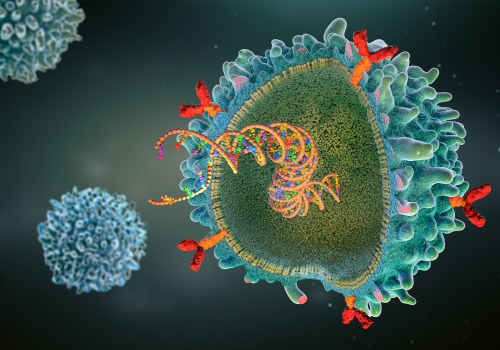
Exosome therapy, a cutting-edge advancement in the realm of regenerative medicineregenerative medicine, has garnered significant attention for its potential to transform treatment paradigms across various health conditions. At its core, exosomal therapy utilises exosomes—tiny extracellular vesicles that facilitate intercellular communication by transporting proteins, lipids, and genetic material between cells. These vesicles play a crucial role in modulating biological processes, making them a focal point for innovative therapeutic strategies aimed at enhancing healing and recovery.The significance of exosome therapy lies not only in its ability to promote tissue regeneration but also in its versatility across a spectrum of medical applications. From addressing chronic inflammatory diseases to neurodegenerative disorders such as Alzheimer’s and Parkinson’s, the therapeutic potential of exosomes is vast.
By harnessing the natural healing properties of these vesicles, clinicians can offer patients new hope where traditional treatments may have fallen short. For instance, in cases of autoimmune diseases like rheumatoid arthritis, exosomes can help modulate the immune response, potentially alleviating symptoms and improving quality of life.Moreover, the benefits of exosome therapy extend beyond mere symptom management. Research indicates that exosomes can enhance cellular repair mechanisms, reduce inflammation, and even promote angiogenesis—the formation of new blood vessels—which is vital for healing damaged tissues. As we delve deeper into the intricacies of this therapy, it becomes evident that understanding its cost implications is essential for patients and healthcare providers alike.
The financial aspect of exosome therapy is influenced by various factors, including treatment complexity and geographical location, which we will explore further in this article.
What Are Exosomes?
Exosomes are extracellular vesicles that play a pivotal role in intercellular communication. These nanoscale structures, typically ranging from 30 to 150 nanometers in diameter, are secreted by various cell types and are found in numerous biological fluids, including blood, urine, and saliva. Their composition is rich in proteins, lipids, and nucleic acids, which allows them to carry a diverse array of molecular signals that can influence the behaviour of recipient cells.The biological significance of exosomes lies in their ability to facilitate communication between cells. They act as vehicles for transferring biomolecules such as proteins , lipids , and RNA , thereby modulating various physiological processes.For instance, exosomes can deliver microRNAs that regulate gene expression in target cells, influencing processes such as cell proliferation, differentiation, and apoptosis. This capability makes them essential players in both normal physiological functions and pathological conditions.In the context of therapy, exosomes have garnered significant attention due to their potential as therapeutic agents. Their natural origin and ability to cross biological barriers make them ideal candidates for drug delivery systems. Researchers are exploring the use of exosomes derived from stem cells for regenerative medicine applications, as they can promote tissue repair and regeneration by delivering growth factors and other bioactive molecules directly to damaged tissues.Moreover, exosomes have shown promise in the treatment of various diseases, including cancer and neurodegenerative disorders. that regulate gene expression in target cells, influencing processes such as cell proliferation, differentiation, and apoptosis. This capability makes them essential players in both normal physiological functions and pathological conditions.In the context of therapy, exosomes have garnered significant attention due to their potential as therapeutic agents. Their natural origin and ability to cross biological barriers make them ideal candidates for drug delivery systems. Researchers are exploring the use of exosomes derived from stem cells for regenerative medicine applications, as they can promote tissue repair and regeneration by delivering growth factors and other bioactive molecules directly to damaged tissues.Moreover, exosomes have shown promise in the treatment of various diseases, including cancer and neurodegenerative disorders.
In cancer therapy, exosomes can be engineered to carry therapeutic agents that specifically target tumour cells while sparing healthy tissues. This targeted approach not only enhances the efficacy of treatments but also reduces potential side effects.Understanding the biology of exosomes is crucial for appreciating their therapeutic potential and the associated costs of exosomal therapy. As research continues to unveil the complexities of exosomal functions and their applications in medicine, it becomes increasingly clear that these tiny vesicles hold great promise for future therapeutic strategies.
The Mechanism of Exosome Therapy
Exosome therapy operates through a sophisticated mechanism that leverages the natural properties of exosomes, which are nanoscale extracellular vesicles secreted by various cell types. These vesicles play a crucial role in intercellular communication, facilitating the transfer of proteins, lipids, and genetic material between cells.Understanding how exosome therapy works at a cellular level is essential for grasping its therapeutic potential and the associated costs.At the core of exosome therapy is the ability of these vesicles to deliver therapeutic agents directly to target cells. This process begins with the isolation of exosomes from donor cells, which can be derived from various sources, including stem cells. Once isolated, these exosomes can be enriched with specific molecules that have therapeutic effects, such as growth factors or RNA.When administered to a patient, exosomes interact with recipient cells through a series of steps:
- Binding: Exosomes first bind to the surface of target cells via specific receptors. This binding is crucial as it determines the efficiency of the subsequent internalisation process.
- Internalisation: Following binding, exosomes are internalised by the target cells through endocytosis.
This process allows the contents of the exosomes to enter the cytoplasm of the recipient cells.
- Release of Contents: Once inside, exosomal contents are released into the cytoplasm, where they can exert their therapeutic effects. For instance, RNA molecules can modulate gene expression, while proteins can initiate signalling pathways that promote healing and regeneration.
- Tissue Repair: In cases of injury or degeneration, exosomes can stimulate cellular repair processes by promoting angiogenesis and reducing inflammation.
- Immune Modulation: Exosomes derived from immune cells can help modulate immune responses, making them beneficial in autoimmune diseases.
- Neuroprotection: In neurodegenerative conditions, exosomes may facilitate neuronal survival and repair by delivering neuroprotective factors directly to affected neurons.
Factors Influencing the Cost of Exosome Therapy
Understanding the cost of exosome therapy is crucial for patients considering this innovative treatment.Several factors contribute to the overall pricing, and being aware of these can help patients make informed decisions.
Treatment Complexity
The complexity of the patient's health condition significantly impacts the cost of exosomal treatments. More intricate conditions, such as advanced neurodegenerative diseases or severe autoimmune disorders, may necessitate higher dosages or more frequent administration of exosomes. This increased demand can lead to a rise in treatment costs. Conversely, simpler conditions might require less intensive treatment protocols, resulting in lower expenses.
Dosage Requirements
The specific dosage required for effective treatment also plays a vital role in determining costs.
Each patient’s needs are unique, and the amount of exosomes needed can vary based on factors such as body weight, severity of the condition, and individual response to therapy. Higher dosages typically translate to increased costs, as they require more resources for extraction and preparation.
Geographical Location
The location of the treatment centre can greatly influence pricing. Facilities situated in urban areas or developed countries often have higher operational costs, which can be reflected in their treatment prices. For instance, clinics in major cities may charge more due to higher rent and salaries for skilled professionals compared to those in rural or developing regions where costs are generally lower.
Type of Administration
The method of administering exosome therapy also affects its cost.
Intravenous (IV) administration is typically more expensive than topical applications due to the need for specialised equipment and trained personnel. Patients should consider these differences when evaluating their options.
Insurance Coverage
In many cases, insurance coverage for exosome therapy is limited or non-existent, as it is still regarded as an experimental treatment by many providers. This lack of coverage can lead to out-of-pocket expenses that vary widely between clinics. Some facilities offer payment plans or financing options to help alleviate the financial burden on patients.In summary, the cost of exosome therapy is influenced by a multitude of factors including treatment complexity, dosage requirements, geographical location, administration methods, and insurance coverage.
By understanding these variables, patients can better navigate their options and prepare for the financial aspects of their treatment journey.
Comparative Costs: Exosome Therapy vs. Traditional Treatments
When evaluating the financial implications of exosome therapy, it is crucial to compare its costs with those of traditional treatment options for similar health conditions. This comparison not only sheds light on the affordability of exosomal therapy but also highlights its potential cost-effectiveness in the long run.Traditional treatments for conditions such as autoimmune diseases, neurodegenerative disorders, and chronic inflammatory conditions often involve a combination of medications, physical therapy, and sometimes surgical interventions. For instance, patients with rheumatoid arthritis may rely on non-steroidal anti-inflammatory drugs (NSAIDs), corticosteroids, and disease-modifying antirheumatic drugs (DMARDs).The cumulative costs of these medications can be substantial, often exceeding thousands of pounds annually, especially when considering the need for ongoing prescriptions and potential side effects that may require additional treatments.In contrast, exosome therapy typically involves a more streamlined approach. While the initial cost of exosome therapy can be higher than that of some traditional treatments—ranging from £2,000 to £10,000 depending on the condition and treatment plan—the potential for fewer follow-up visits and reduced reliance on long-term medication can make it a more economical choice over time.Moreover, exosome therapy aims to address the root causes of diseases rather than merely alleviating symptoms. This regenerative approach can lead to improved patient outcomes and a better quality of life, potentially reducing the overall healthcare costs associated with chronic disease management.To further illustrate this point, consider the example of treating osteoarthritis. Traditional methods may include pain management through medications and physical therapy sessions that can accumulate significant costs over time.
In contrast, a single course of exosome therapy may provide lasting relief and reduce the need for ongoing treatments.Ultimately, while the upfront costs of exosomal therapy may appear daunting, it is essential for patients to consider the long-term financial benefits and health outcomes associated with this innovative treatment modality. By weighing these factors against traditional therapies, patients can make more informed decisions about their healthcare options.
Insurance Coverage and Financial Options for Exosome Therapy
As the field of regenerative medicine continues to evolve, exosome therapy has emerged as a promising treatment option for various health conditions. However, one of the significant barriers to accessing this innovative therapy is the issue of insurance coverage. Currently, many insurance providers do not cover exosome therapy, primarily because it is still classified as an experimental treatment.This lack of coverage can create financial strain for patients seeking these potentially life-changing therapies.In the United States, the situation is particularly challenging. Most insurance companies have yet to establish clear policies regarding exosomal treatments, often leaving patients to bear the full cost of their care. This can lead to out-of-pocket expenses that range from several thousand to tens of thousands of pounds, depending on the complexity and frequency of treatments required.Despite these challenges, many clinics offering exosome therapy are aware of the financial burden on patients and have implemented various payment plans and financing options. These plans can help spread the cost over time, making treatment more accessible.
Patients are encouraged to inquire about such options when considering therapy.In addition to payment plans, some clinics may offer financial assistance programs aimed at helping patients who demonstrate financial need. These programs can vary significantly between providers, so it is essential for patients to research and ask about available resources.For those in Europe, the landscape can be slightly different. While many insurance companies also do not cover exosome therapy, some countries may include it in their national health services or specific health programmes. Patients should check with local healthcare providers to understand their options better.Ultimately, navigating the financial aspects of exosome therapy requires diligence and proactive communication with healthcare providers.
By exploring all available options—whether through insurance inquiries, payment plans, or financial assistance—patients can better position themselves to access this groundbreaking treatment.
Patient Experiences and Testimonials
Patient experiences with exosome therapy provide a unique perspective on the treatment's effectiveness and its associated costs. Many individuals seeking alternatives to traditional medical interventions have turned to exosomal treatments, often sharing their journeys and outcomes.One patient, Sarah, a 52-year-old woman diagnosed with osteoarthritis, recounts her experience: "After years of managing pain with medications that only masked the symptoms, I decided to explore exosome therapy. The initial consultation was thorough, and I felt reassured by the clinic's expertise. The treatment itself was relatively quick, and I noticed improvements in my mobility within weeks.The cost was a concern initially, but the relief I experienced made it worthwhile." Sarah's story highlights how personal health priorities can influence perceptions of value in treatment options.Another compelling testimonial comes from John, a 45-year-old man suffering from chronic back pain due to a sports injury. He shares, "I had tried everything from physical therapy to steroid injections with little success. When I learned about exosome therapy, I was intrigued but sceptical. The cost was significant, but I was desperate for relief.
After just one session, I felt a noticeable difference. It’s been six months now, and I’m back to playing sports without pain!" John's success story illustrates the potential of exosomal treatments to transform lives.While many patients report positive outcomes, it is essential to acknowledge that experiences can vary widely. Some individuals may not achieve the desired results or may encounter unexpected side effects. For instance, Emily, who sought treatment for her autoimmune condition, noted: "I had high hopes for exosome therapy after hearing success stories.
However, my experience was mixed; while I did see some improvement in my symptoms, it wasn’t as dramatic as I had anticipated. The cost was also a factor that weighed heavily on my decision-making process." Emily's account serves as a reminder that individual responses to treatment can differ significantly.In conclusion, patient testimonials regarding exosomal therapy reveal a spectrum of experiences that can help prospective patients set realistic expectations. While many find hope and relief through this innovative treatment modality, others may face challenges that warrant careful consideration before proceeding. Engaging with healthcare providers and discussing personal health goals can aid in making informed decisions about pursuing exosome therapy.
Future Trends in Exosome Therapy and Pricing
As the field of regenerative medicine continues to evolve, exosome therapy is poised to play a pivotal role in shaping future treatment paradigms.The advancements in this area not only promise enhanced therapeutic outcomes but also have significant implications for pricing structures associated with these innovative treatments.One of the most notable trends is the increasing focus on personalised medicine. As research progresses, therapies are becoming more tailored to individual patient needs, which may lead to variations in treatment protocols and costs. For instance, patients with specific genetic markers or unique health conditions may require customised exosome formulations, potentially increasing the overall cost of therapy. However, this personalised approach could also enhance efficacy, leading to better long-term health outcomes and possibly reducing the need for additional treatments.Moreover, as more clinical trials validate the effectiveness of exosomal therapy, we can expect a gradual shift in insurance coverage policies.
Currently, many insurance providers classify exosome therapy as experimental, limiting patient access due to high out-of-pocket expenses. However, as evidence mounts and regulatory bodies begin to approve these therapies for broader use, it is likely that insurance companies will start to offer coverage options. This shift could significantly reduce costs for patients and make exosome therapy more accessible.Another trend influencing pricing is the technological advancements in exosome extraction and production methods. Innovations such as automated systems and improved purification techniques are expected to lower production costs over time.
As these technologies become more widespread, we may see a decrease in the price of exosome therapies, making them more affordable for a larger segment of the population.Furthermore, the global landscape of exosome therapy is expanding. Emerging markets are beginning to invest in regenerative medicine technologies, which could lead to competitive pricing strategies. Patients seeking treatment in countries with lower healthcare costs may find more affordable options without compromising quality. This international competition could drive down prices even in established markets.In conclusion, while the current costs associated with exosome therapy can be significant, several emerging trends suggest a potential for more affordable options in the future.
Personalised treatment approaches, increased insurance coverage, advancements in technology, and global market dynamics are all factors that will shape the pricing landscape of exosomal therapies moving forward.
Conclusion: Making Informed Decisions About Exosome Therapy Costs
As we conclude our exploration of the costs associated with exosomal therapy, it is crucial to reflect on the multifaceted nature of this innovative treatment. Understanding the financial implications is essential for patients considering this option, as it empowers them to make informed decisions regarding their health and well-being.Throughout this article, we have highlighted several key factors that influence the overall cost of exosome therapy. Firstly, the complexity and severity of the patient's condition play a significant role. More intricate health issues may necessitate higher dosages or more frequent treatments, which can substantially increase expenses.Therefore, patients should engage in thorough discussions with their healthcare providers to understand how their specific circumstances may affect treatment costs.Additionally, the method of administration is a critical consideration. For instance, intravenous administration tends to be more costly than topical applications due to the resources and expertise required. Patients should weigh these options carefully, considering both their financial situation and the potential benefits of each method.The geographical location of the treatment centre also impacts pricing. Facilities in urban areas or developed nations often charge more than those in rural or developing regions.
This disparity can lead to significant variations in treatment costs, making it essential for patients to research and compare options available in different locations.Insurance coverage remains another pivotal aspect. In many cases, exosome therapy is not covered by insurance providers, as it is still regarded as an experimental treatment. However, some clinics offer payment plans or financing options to alleviate the financial burden on patients. It is advisable for individuals to inquire about these possibilities when considering treatment.In summary, while the costs associated with exosome therapy can vary widely based on numerous factors, being well-informed allows patients to navigate their options effectively.
By understanding the intricacies of pricing and exploring available resources, individuals can make choices that align with their health goals and financial capabilities.