In recent years, the landscape of cancer treatment has been revolutionised by the advent of CAR-T therapies, a form of immunotherapy that harnesses the body’s own immune system to combat malignancies. These therapies involve the genetic modification of a patient’s T cells to express chimeric antigen receptors (CARs) that specifically target cancer cells. This innovative approach has shown remarkable efficacy in treating certain types of blood cancers, such as acute lymphoblastic leukaemia and non-Hodgkin lymphoma, leading to significant remissions in patients who previously had limited treatment options.As we delve deeper into the realm of advanced therapies, it is essential to also consider the emerging field of exosomal therapy. Exosomes are small extracellular vesicles that play a crucial role in intercellular communication and can carry proteins, lipids, and nucleic acids.
Their potential in therapeutic applications is vast, particularly in cancer treatment, where they can be used for drug delivery or as biomarkers for disease progression. The synergy between CAR-T therapies and exosomal therapy could pave the way for more effective treatment modalities, enhancing the precision and efficacy of cancer therapies.In Europe, the approval status of CAR-T therapies reflects a growing recognition of their potential. The European Medicines Agency (EMA) has granted marketing authorisations for several CAR-T products, marking a significant milestone in the integration of advanced therapies into clinical practice. This section will explore not only the current landscape of CAR-T therapies approved in Europe but also how exosomal therapy fits into this evolving narrative, highlighting their implications for future cancer treatments.
What are CAR-T Therapies?
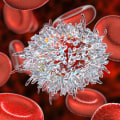
Chimeric Antigen Receptor T-cell (CAR-T) therapy represents a groundbreaking advancement in the field of immunotherapy, specifically designed to harness the body’s own immune system to combat cancer.This innovative approach involves the genetic modification of a patient’s T cells, which are a type of white blood cell crucial for immune responses. The primary goal of CAR-T therapy is to enhance the ability of these T cells to identify and destroy cancer cells.
Mechanism of Action
The mechanism behind CAR-T therapy is both sophisticated and effective. Initially, T cells are extracted from the patient’s blood through a process known as leukapheresis. Once isolated, these T cells are genetically engineered in a laboratory to express a chimeric antigen receptor (CAR) on their surface.
This receptor is specifically designed to target antigens found on the surface of cancer cells.After the modification, the engineered T cells are expanded in number through cell culture techniques before being reinfused into the patient’s bloodstream. Once reintroduced, these CAR-T cells can recognize and bind to the targeted cancer antigens, leading to their activation. This activation triggers a robust immune response, resulting in the destruction of cancer cells.
Applications in Cancer Treatment
CAR-T therapies have shown remarkable efficacy in treating certain types of blood cancers, such as acute lymphoblastic leukaemia (ALL) and certain forms of non-Hodgkin lymphoma. The success of these therapies has led to their approval in various regions, including Europe, where they are now considered a standard treatment option for eligible patients.Moreover, ongoing research is exploring the potential of CAR-T therapies in treating solid tumours and other malignancies.
The adaptability of this technology holds promise for expanding its applications beyond haematological cancers, potentially revolutionising treatment protocols across oncology.In summary, CAR-T therapy exemplifies a significant leap forward in cancer treatment by utilising the body’s immune system in a targeted manner. As research continues to evolve, it is anticipated that CAR-T therapies will play an increasingly vital role in oncology, offering hope to patients facing challenging diagnoses.
The Role of Exosomal Therapy in CAR-T Treatments
Exosomal therapy is emerging as a promising adjunct to CAR-T treatments, offering innovative strategies to enhance their efficacy in oncology. Exosomes, which are small extracellular vesicles secreted by various cell types, play a crucial role in intercellular communication. They carry proteins, lipids, and nucleic acids that can influence the behaviour of recipient cells, making them a valuable tool in cancer treatment.One of the primary advantages of exosomes in the context of CAR-T therapy is their ability to modulate the immune response.By encapsulating and delivering specific molecules, exosomes can enhance the activation and proliferation of CAR-T cells. This is particularly important as the effectiveness of CAR-T therapies can be limited by the immunosuppressive tumour microenvironment. Exosomes derived from dendritic cells, for instance, have been shown to promote T cell activation and improve the anti-tumour response.Moreover, exosomes can serve as vehicles for targeted delivery of therapeutic agents. Researchers are exploring the potential of engineering exosomes to carry anti-cancer drugs or RNA molecules that can silence oncogenes.
This targeted approach not only increases the concentration of therapeutic agents at the tumour site but also reduces systemic toxicity, a common challenge associated with conventional cancer therapies.In addition to enhancing CAR-T cell function, exosomal therapy may also aid in overcoming resistance mechanisms that tumours develop against CAR-T treatments. For example, tumours often express ligands that inhibit T cell activity; however, exosomes can be engineered to deliver inhibitors that block these pathways, thereby restoring T cell function and improving treatment outcomes.The integration of exosomal therapy into CAR-T protocols is still in its infancy, but early studies show promising results. Clinical trials are underway to evaluate the safety and efficacy of combining exosomal therapy with CAR-T treatments for various malignancies. As our understanding of exosome biology deepens, it is likely that their role in enhancing CAR-T therapies will become more pronounced, potentially leading to more effective treatment options for patients battling cancer.
Current Status of CAR-T Therapies Approved in Europe
As of now, the European Medicines Agency (EMA) has approved several CAR-T therapies, marking a significant advancement in the treatment of various malignancies.These therapies are designed to harness the body’s immune system to target and destroy cancer cells, particularly in cases where traditional treatments have failed.The following is a list of CAR-T therapies that have received approval in Europe:
- Kymriah (tisagenlecleucel) : Approved for the treatment of acute lymphoblastic leukaemia (ALL) in patients up to 25 years old, Kymriah was the first CAR-T therapy to gain EMA approval. It works by modifying a patient’s T cells to express a receptor that targets CD19, a protein found on the surface of B cells.
- Yescarta (axicabtagene ciloleucel) : This therapy is indicated for adult patients with large B-cell lymphoma after two or more lines of systemic therapy. Yescarta also targets CD19 and has shown promising results in clinical trials, leading to durable remissions in many patients.
- Breyanzi (lisocabtagene maraleucel) : Approved for the treatment of adult patients with relapsed or refractory large B-cell lymphoma, Breyanzi is another CD19-targeting CAR-T therapy. Its unique manufacturing process allows for a more streamlined production, potentially reducing wait times for patients.
- Abecma (idecabtagene vicleucel) : This therapy is specifically designed for multiple myeloma patients who have received at least four prior therapies.
Abecma targets the B-cell maturation antigen (BCMA), which is highly expressed in myeloma cells.
Clinical Trials and Research on CAR-T Therapies in Europe
In recent years, Europe has emerged as a significant hub for clinical trials and research focused on CAR-T therapies. These innovative treatments, which harness the power of genetically modified T cells to target and destroy cancer cells, have shown remarkable promise in treating various malignancies, particularly hematological cancers such as acute lymphoblastic leukaemia (ALL) and certain types of lymphoma.Currently, numerous clinical trials are underway across Europe, investigating not only the efficacy of existing CAR-T therapies but also exploring new targets and combinations with other treatment modalities.For instance, researchers are examining the potential of CAR-T cells that target multiple antigens simultaneously, which could enhance treatment effectiveness and reduce the risk of cancer relapse.One notable area of research involves the use of exosomal therapy in conjunction with CAR-T treatments. Exosomes, which are small vesicles secreted by cells, play a crucial role in intercellular communication and can be engineered to carry therapeutic agents. By integrating exosomal therapy with CAR-T approaches, scientists aim to improve the delivery of therapeutic payloads directly to cancer cells, potentially increasing the precision and efficacy of treatments.Moreover, ongoing studies are assessing the long-term safety and durability of responses in patients receiving CAR-T therapies. The European Medicines Agency (EMA) has been closely monitoring these trials to ensure that any new therapies meet stringent safety standards before they can be approved for widespread use.The future of CAR-T treatments in Europe looks promising, with several new products expected to enter clinical trials in the coming years.
Researchers are optimistic that advancements in genetic engineering techniques will lead to more effective CAR-T therapies with fewer side effects. Additionally, there is a growing interest in expanding the application of CAR-T therapies beyond oncology into fields such as autoimmune diseases and infectious diseases.As these clinical trials progress, they will provide invaluable insights into the potential of CAR-T therapies and their role in transforming cancer treatment paradigms across Europe. The collaborative efforts between academic institutions, pharmaceutical companies, and regulatory bodies will be crucial in bringing these innovative therapies from the laboratory to the clinic.
Safety and Efficacy Concerns Surrounding CAR-T Therapies
As CAR-T therapies gain traction in the treatment of various malignancies, understanding the safety and efficacy of these advanced therapies is paramount. While CAR-T cell therapy has shown remarkable potential in treating certain types of cancers, particularly hematological malignancies, it is not without its challenges and risks.One of the primary safety concerns associated with CAR-T therapies is the occurrence of cytokine release syndrome (CRS).This condition arises when the engineered T cells become activated and proliferate, leading to a massive release of cytokines into the bloodstream. Symptoms can range from mild flu-like symptoms to severe complications, including high fever, hypotension, and multi-organ failure. The management of CRS often requires prompt medical intervention, including the use of corticosteroids or other immunosuppressive agents.Another significant concern is the risk of neurological toxicities , which can manifest as confusion, seizures, or even encephalopathy. These side effects are thought to be related to the inflammatory response triggered by CAR-T cell activation.
Monitoring for neurological symptoms is crucial during treatment, as early detection can lead to better management outcomes.In addition to CRS and neurological effects, patients may experience other side effects such as hypogammaglobulinemia , which can increase susceptibility to infections. This underscores the importance of vigilant monitoring and supportive care throughout the treatment process.The efficacy of CAR-T therapies has been demonstrated in numerous clinical trials, with many patients experiencing significant remission rates. However, it is essential to note that not all patients respond equally. Factors such as tumor burden, prior treatments, and individual patient characteristics can influence treatment outcomes.
Continuous research is necessary to identify biomarkers that predict response to therapy and to refine patient selection criteria.In conclusion, while CAR-T therapies represent a groundbreaking advancement in cancer treatment, they come with a spectrum of safety concerns that necessitate careful monitoring and management. Understanding these risks and their implications for patient care is vital for healthcare providers involved in administering these innovative therapies.
Comparative Analysis: Exosomal Therapy vs. Traditional Treatments
Exosomal therapy represents a significant advancement in the field of cancer treatment, particularly when compared to traditional modalities such as chemotherapy and radiation. While both approaches aim to eradicate cancer cells, their mechanisms, efficacy, and side effects differ markedly.Understanding Exosomal Therapy
Exosomes are nano-sized extracellular vesicles that play a crucial role in intercellular communication.
They are secreted by various cell types and contain proteins, lipids, and nucleic acids that can influence the behaviour of recipient cells. In the context of cancer treatment, exosomal therapy utilises these vesicles to deliver therapeutic agents directly to tumour cells, enhancing the precision of treatment.
Benefits of Exosomal Therapy
- Targeted Delivery: One of the primary advantages of exosomal therapy is its ability to target cancer cells specifically. This targeted approach reduces damage to healthy tissues, a common drawback of traditional treatments.
- Reduced Side Effects: Patients undergoing exosomal therapy often experience fewer side effects compared to those receiving chemotherapy or radiation. Traditional treatments can lead to severe adverse effects such as nausea, hair loss, and immune suppression.
- Enhanced Efficacy: Exosomes can enhance the therapeutic efficacy by facilitating the delivery of drugs or genetic material directly into cancer cells, potentially overcoming drug resistance that often plagues conventional therapies.
Comparison with Chemotherapy
Chemotherapy has long been a cornerstone in cancer treatment; however, it is associated with systemic toxicity due to its non-specific action on rapidly dividing cells.
This can lead to significant collateral damage to healthy cells, resulting in debilitating side effects. In contrast, exosomal therapy aims for a more refined approach by leveraging the natural properties of exosomes for targeted action.
Limitations of Exosomal Therapy
- Research Stage: While promising, exosomal therapy is still largely in the experimental phase. More clinical trials are needed to fully understand its long-term efficacy and safety profile.
- Manufacturing Challenges: The production and purification of exosomes for therapeutic use can be complex and costly, which may limit widespread application.
Future Perspectives on CAR-T and Exosomal Therapies in Europe
The landscape of cancer treatment in Europe is undergoing a significant transformation, particularly with the advent of CAR-T and exosomal therapies.As research progresses, the future of these innovative treatments appears promising, with several key trends and advancements on the horizon.
Advancements in CAR-T Therapies
- Personalisation of Treatment: One of the most exciting prospects for CAR-T therapy is the move towards personalised medicine. Researchers are exploring ways to tailor CAR-T cells to individual patients' tumour profiles, potentially increasing efficacy and reducing adverse effects.
- Combination Therapies: Future studies are likely to focus on combining CAR-T therapies with other treatment modalities, such as immune checkpoint inhibitors or targeted therapies. This synergistic approach could enhance overall treatment outcomes and provide new hope for patients with resistant forms of cancer.
- Broader Applications: While current CAR-T therapies primarily target haematological malignancies, ongoing research aims to extend their use to solid tumours. This shift could significantly broaden the impact of CAR-T therapies in oncology.
Emerging Trends in Exosomal Therapy
- Biomarker Discovery: Exosomes are increasingly recognised as valuable biomarkers for cancer diagnosis and prognosis.
Future research may focus on utilising exosomal content to develop non-invasive diagnostic tools that can detect cancer at earlier stages.
- Therapeutic Delivery Systems: The potential of exosomes as drug delivery vehicles is gaining traction. Their natural ability to transport biomolecules makes them ideal candidates for delivering therapeutic agents directly to target cells, minimising side effects and enhancing treatment efficacy.
- Regulatory Frameworks: As exosomal therapies gain momentum, establishing robust regulatory frameworks will be crucial. The European Medicines Agency (EMA) is likely to play a pivotal role in ensuring that these therapies meet safety and efficacy standards before they reach the market.
Conclusion
The future of CAR-T and exosomal therapies in Europe is bright, characterised by rapid advancements and a growing understanding of their mechanisms. As researchers continue to explore these innovative treatments, patients can look forward to more effective and personalised options in their fight against cancer.
Frequently Asked Questions about CAR-T Therapies and Exosomal Therapy
As CAR-T therapies and exosomal therapy continue to gain traction in the medical community, patients and healthcare professionals often have numerous questions regarding their applications, efficacy, and safety.Below are some frequently asked questions that aim to clarify these advanced therapeutic options.
What is CAR-T therapy?
CAR-T therapy
, or Chimeric Antigen Receptor T-cell therapy, is a form of immunotherapy that modifies a patient’s T cells to better recognize and attack cancer cells. This process involves extracting T cells from the patient’s blood, genetically engineering them to express a CAR that targets specific cancer antigens, and then reinfusing these modified cells back into the patient.
How many CAR-T therapies are currently approved in Europe?
As of now, there are ten CAR-T therapies approved for use within the European Union. These therapies primarily target various forms of blood cancers, including acute lymphoblastic leukaemia and certain types of lymphoma. The approval process for these therapies involves rigorous clinical trials to ensure their safety and efficacy. approved for use within the European Union. These therapies primarily target various forms of blood cancers, including acute lymphoblastic leukaemia and certain types of lymphoma. The approval process for these therapies involves rigorous clinical trials to ensure their safety and efficacy.What is exosomal therapy?
Exosomal therapy
involves the use of exosomes—small vesicles secreted by cells that play a crucial role in intercellular communication.
These exosomes can carry proteins, lipids, and RNA molecules that can influence the behaviour of recipient cells. In the context of cancer treatment, exosomal therapy is being explored for its potential to deliver therapeutic agents directly to target cells, enhancing treatment efficacy while minimising side effects.
How do CAR-T therapy and exosomal therapy differ?
While both therapies aim to harness the body’s immune system to combat diseases like cancer, they operate through different mechanisms. CAR-T therapy focuses on modifying T cells to enhance their ability to identify and destroy cancer cells. In contrast, exosomal therapy utilises naturally occurring cellular components to facilitate communication between cells and deliver therapeutic payloads.Are there any risks associated with CAR-T therapy?
Like any medical treatment, CAR-T therapy comes with potential risks.Patients may experience side effects such as cytokine release syndrome (CRS), neurological symptoms, or infections due to immunosuppression. It is essential for patients to discuss these risks with their healthcare providers before undergoing treatment.
Can exosomal therapy be used alongside CAR-T therapy?
The combination of exosomal therapy with CAR-T therapy is an area of ongoing research. Preliminary studies suggest that exosomes could potentially enhance the effectiveness of CAR-T treatments by improving T cell activation or delivering additional therapeutic agents. However, more research is needed to establish safe and effective protocols for their combined use.In conclusion, understanding the nuances of CAR-T therapies and exosomal therapy can empower patients and healthcare professionals alike in making informed decisions about advanced treatment options.Conclusion: The Future of Cancer Treatment with CAR-T and Exosomal Therapies
As we draw our discussion to a close, it is essential to reflect on the transformative potential of CAR-T therapies and exosomal therapies in the realm of cancer treatment.The advancements made in these fields over the past decade have not only provided new hope for patients with previously untreatable malignancies but have also paved the way for innovative approaches to therapy that harness the body’s own immune system.The approval of CAR-T cell therapies in Europe marks a significant milestone in oncology, showcasing the efficacy of genetically modified T cells in targeting and eliminating cancer cells. With a total of 10 CAR-T therapies currently approved, these treatments have demonstrated remarkable success rates, particularly in hematological malignancies such as acute lymphoblastic leukaemia and certain types of lymphoma. However, as highlighted by recent safety reviews, ongoing vigilance regarding potential adverse effects, including secondary malignancies, is crucial.In parallel, exosomal therapy is emerging as a promising frontier in cancer treatment. Exosomes, which are nanoscale vesicles secreted by cells, play a pivotal role in intercellular communication and can be engineered to deliver therapeutic agents directly to target cells.
This innovative approach not only enhances the precision of treatment but also minimizes systemic side effects, making it an attractive option for patients.Looking ahead, the integration of CAR-T and exosomal therapies could revolutionise cancer care. Continued research is vital to fully understand the mechanisms behind these therapies and to optimise their application across various cancer types. Clinical trials will be instrumental in determining the long-term efficacy and safety profiles of these advanced treatments.Moreover, collaboration between researchers, clinicians, and regulatory bodies will be essential to navigate the complexities of bringing these therapies from the laboratory to clinical practice. As we advance into this new era of personalised medicine, it is imperative that we remain committed to innovation and exploration in order to unlock the full potential of CAR-T and exosomal therapies.In conclusion, while significant progress has been made, the journey towards effective cancer treatment is ongoing.
The future holds great promise for patients as we continue to push the boundaries of what is possible in cancer therapy.