Vitiligo is a chronic skin condition characterised by the loss of pigmentation, resulting in white patches on various parts of the body. This occurs when melanocytes, the cells responsible for producing melanin—the pigment that gives skin its colour—are destroyed or cease to function. While the exact cause of vitiligo remains unclear, it is widely believed to be an autoimmune disorder where the body's immune system mistakenly attacks its own melanocytes. Genetic predisposition, environmental factors, and stress are also thought to play significant roles in the onset and progression of this condition.The symptoms of vitiligo can vary significantly from person to person.
Typically, individuals will notice lighter patches of skin that may develop gradually over time. These patches can appear anywhere on the body, including areas that are frequently exposed to sunlight, such as the face, hands, and arms. In some cases, vitiligo may also affect mucous membranes and hair follicles, leading to premature greying of hair or loss of colour in the eyes. The condition is not physically harmful; however, it can have profound psychological effects due to its visible nature and societal perceptions surrounding skin colour.Understanding vitiligo is essential for exploring potential treatment options, including innovative therapies like exosomal therapy.
This emerging treatment approach aims to harness the regenerative properties of stem cells and their derivatives to restore pigmentation and improve skin health. By delving into the underlying causes and symptoms of vitiligo, we can better appreciate how exosomal therapy may offer hope for those affected by this challenging condition.
What is Exosomal Therapy?
Exosomal therapy
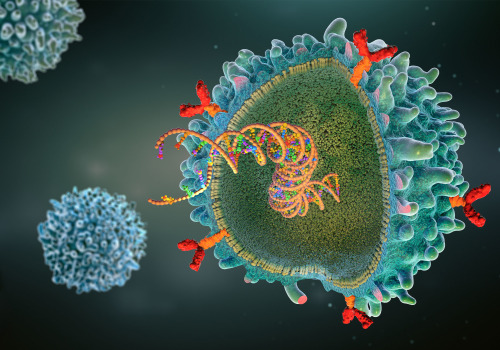
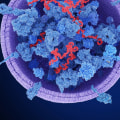
is an innovative approach in regenerative medicine that utilises exosomes—small extracellular vesicles secreted by cells. These vesicles play a crucial role in intercellular communication, carrying proteins, lipids, and genetic material that can influence the behaviour of recipient cells. By harnessing the natural properties of exosomes, this therapy aims to promote healing and regeneration in various medical conditions, including skin disorders like vitiligo.At its core, exosomal therapy works by isolating exosomes from stem cells or other cell types and then administering them to patients.
The mechanism involves the transfer of bioactive molecules from the exosomes to target cells, which can stimulate various biological processes. For instance, when exosomes are introduced into the skin affected by vitiligo, they can enhance the survival and proliferation of melanocytes—the pigment-producing cells that are often damaged or absent in vitiligo patients.The benefits of exosomal therapy are manifold:
- Enhanced Regeneration: Exosomes contain growth factors and cytokines that can promote tissue repair and regeneration, making them particularly beneficial for conditions like vitiligo where skin repigmentation is desired.
- Reduced Inflammation: The anti-inflammatory properties of exosomes can help create a more conducive environment for healing, potentially reducing the autoimmune response that contributes to vitiligo.
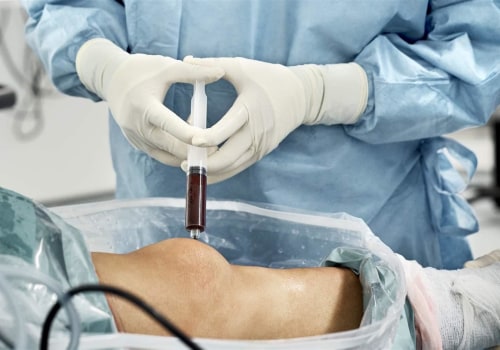
- Minimal Invasiveness: Unlike traditional stem cell therapies that may require surgical procedures, exosomal therapy can often be administered through less invasive methods, such as injections or topical applications.
- Safety Profile: Since exosomes are derived from human cells, they are generally well-tolerated with a lower risk of adverse reactions compared to synthetic treatments.
- Versatility: Exosomal therapy can be combined with other treatments, such as phototherapy or topical agents, to enhance overall efficacy in managing vitiligo.
The Role of Stem Cells in Skin Regeneration
Stem cells play a pivotal role in the field of regenerative medicine, particularly in the context of skin regeneration.These unique cells possess the remarkable ability to differentiate into various cell types, including those that are essential for skin health, such as keratinocytes and melanocytes. This differentiation capability is what makes stem cell therapy a promising avenue for treating skin conditions like vitiligo.In vitiligo, the skin loses its pigment due to the destruction of melanocytes, the cells responsible for producing melanin. Stem cell therapy aims to replenish these lost melanocytes by introducing new, healthy cells into the affected areas. This process not only helps restore pigmentation but also enhances the overall health of the skin.One of the most exciting advancements in this area is exosomal therapy, which utilises exosomes—small vesicles secreted by stem cells that carry proteins, lipids, and genetic material.
These exosomes play a crucial role in cell communication and can significantly influence the behaviour of target cells. When applied to skin regeneration, exosomes derived from stem cells can promote healing and stimulate the proliferation of melanocytes, thereby aiding in repigmentation.Research has shown that when stem cells are injected into vitiligo lesions, they can create a conducive environment for melanocyte survival and growth. This is particularly important because the microenvironment of vitiligo-affected skin is often hostile to melanocytes. By reconditioning this environment through stem cell therapy, it becomes possible to enhance the efficacy of other treatments, such as phototherapy.Moreover, studies indicate that combining stem cell therapy with traditional treatments can yield better results than either approach alone.
For instance, a cohort study demonstrated that patients receiving both stem cell injections and excimer laser therapy experienced significant repigmentation compared to those undergoing standard treatments.In summary, stem cells are integral to skin regeneration due to their ability to differentiate into various cell types and their potential to restore lost functions in damaged tissues. The incorporation of exosomal therapy further enhances these benefits by facilitating communication between cells and promoting a healthier skin environment. As research continues to evolve, the future looks promising for those seeking effective treatments for vitiligo and other skin conditions through innovative stem cell applications.
How Exosomal Therapy Works for Vitiligo
Exosomal therapy represents a cutting-edge approach in the treatment of vitiligo, leveraging the natural properties of exosomes to facilitate skin repigmentation. Exosomes are nano-sized extracellular vesicles secreted by various cell types, including stem cells.They play a crucial role in intercellular communication, carrying proteins, lipids, and genetic material that can influence the behaviour of recipient cells.In the context of vitiligo, exosomal therapy works by delivering bioactive molecules that can promote the survival and proliferation of melanocytes—the pigment-producing cells that are often damaged or absent in vitiligo patients. The mechanism of action involves several key processes:
- Cell Signalling: Exosomes contain signalling molecules that can activate pathways in target cells, encouraging them to migrate to areas where melanocytes are needed. This is particularly important in vitiligo, where the loss of pigment leads to stark white patches on the skin.
- Anti-Inflammatory Effects: Vitiligo is often associated with inflammatory processes that can further damage melanocytes. Exosomes derived from mesenchymal stem cells (MSCs) have been shown to possess anti-inflammatory properties, which can help create a more favourable environment for melanocyte survival and function.
- Regeneration and Repair: The components within exosomes can stimulate regenerative processes in the skin.
For instance, they may enhance the production of growth factors that are essential for skin repair and pigmentation.
Clinical Evidence Supporting Exosomal Therapy for Vitiligo
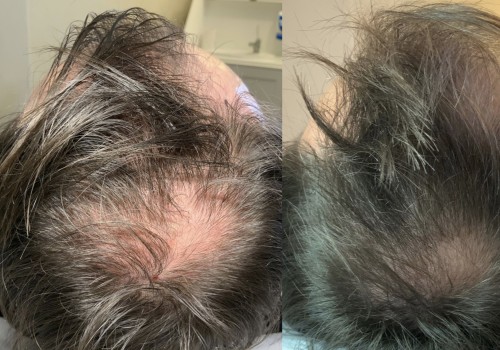
Recent clinical studies have begun to shed light on the potential of exosomal therapy as a treatment for vitiligo, a condition characterised by the loss of skin pigmentation.Exosomes, which are small extracellular vesicles secreted by cells, play a crucial role in cell communication and can facilitate the transfer of proteins, lipids, and genetic material. This unique property makes them a promising candidate for regenerative therapies.One notable clinical trial investigated the efficacy of exosomal therapy derived from mesenchymal stem cells (MSCs) in patients with vitiligo. The study involved a cohort of 40 participants who received exosomal injections directly into their vitiligo lesions. Results indicated that approximately 70% of the patients experienced significant repigmentation within three months of treatment.
This finding is particularly encouraging, as it suggests that exosomal therapy may enhance the survival and function of melanocytes, the cells responsible for skin pigmentation.Another study published in the Journal of Dermatological Science focused on the combination of exosomal therapy with traditional treatments such as phototherapy. In this trial, 30 patients were treated with both modalities over a six-month period. The results demonstrated that those receiving exosomal therapy alongside phototherapy had a higher success rate—up to 80%—compared to those who underwent phototherapy alone. This synergy between therapies highlights the potential for exosomes to not only promote melanocyte activity but also to improve overall treatment outcomes.Furthermore, researchers have noted that exosomes can modulate the immune response, which is particularly relevant in vitiligo where autoimmune mechanisms may contribute to pigment loss.
By potentially downregulating inflammatory pathways, exosomal therapy could create a more favourable environment for melanocyte restoration.In summary, emerging clinical evidence supports the efficacy of exosomal therapy in treating vitiligo, with studies indicating promising repigmentation rates and improved outcomes when combined with other therapies. As research continues to evolve, exosomal therapy may represent a significant advancement in the management of this challenging skin condition.
Comparative Analysis: Exosomal Therapy vs. Traditional Treatments
When considering treatment options for vitiligo, patients often find themselves weighing the benefits and drawbacks of various therapies. Among these, exosomal therapy has emerged as a promising alternative to traditional treatments.This section delves into a comparative analysis of exosomal therapy versus conventional methods, highlighting their respective advantages and disadvantages.
Traditional Treatments for Vitiligo
- Topical Corticosteroids: These are commonly prescribed to reduce inflammation and promote repigmentation. While effective for some patients, they may cause skin thinning and other side effects with prolonged use.
- Phototherapy: This involves exposing the skin to ultraviolet light, which can stimulate melanocyte activity. However, results can be inconsistent, and multiple sessions are often required.
- Depigmentation Therapy: For those with extensive vitiligo, this method aims to lighten the remaining pigmented skin to achieve a more uniform appearance. It is irreversible and can lead to significant emotional distress.
Exosomal Therapy: A New Frontier
Exosomal therapy utilises extracellular vesicles derived from stem cells, which are rich in growth factors and proteins that can enhance cellular communication and regeneration.
This innovative approach offers several potential advantages over traditional treatments:
- Minimally Invasive: Unlike some traditional methods that require surgical intervention or extensive procedures, exosomal therapy is typically non-invasive.
- Enhanced Efficacy: Preliminary studies suggest that exosomal therapy may promote faster and more effective repigmentation by directly influencing melanocyte survival and function.
- Fewer Side Effects: As a natural product derived from the body’s own cells, exosomes are less likely to provoke adverse reactions compared to synthetic medications.
Challenges and Considerations
Despite its potential, exosomal therapy is not without challenges. The treatment is still in the experimental stages, with ongoing research needed to establish long-term efficacy and safety. Additionally, access to this therapy may be limited in certain regions, making it less accessible than traditional options.In conclusion, while traditional treatments for vitiligo have established roles in management, exosomal therapy presents an exciting alternative that may offer enhanced outcomes with fewer side effects. Patients should consult with their healthcare providers to explore all available options and determine the most suitable approach for their individual needs.
Potential Risks and Considerations of Exosomal Therapy
As with any emerging treatment, exosomal therapy for vitiligo comes with its own set of potential risks and considerations that patients should be aware of before proceeding.Understanding these factors is essential for making informed decisions about treatment options.One of the primary concerns surrounding exosomal therapy is the possibility of adverse reactions. While many patients report minimal side effects, some may experience:
- Injection site reactions: These can include redness, swelling, or pain at the site where the exosomes are administered.
- Allergic reactions: Although rare, some individuals may have an allergic response to components within the exosomal preparation.
- Infection: As with any procedure that involves injections, there is a risk of infection if proper sterile techniques are not followed.
- Tumourigenesis: There is a theoretical risk that stem cell-derived therapies could lead to abnormal cell growth or tumours, although this has not been conclusively demonstrated in clinical trials.
- Immune response: The introduction of exosomes from donor cells may provoke an immune response in some patients, potentially leading to complications.
In many regions, these treatments may not yet be fully approved by health authorities, which can raise questions about their efficacy and safety. Patients should seek treatments from reputable clinics that adhere to established medical guidelines and protocols.In conclusion, while exosomal therapy presents a promising avenue for treating vitiligo, it is vital for patients to weigh the potential risks against the benefits. Engaging in thorough discussions with healthcare professionals can help ensure that individuals make well-informed choices regarding their treatment options.
Future Directions in Vitiligo Treatment: The Role of Exosomes
As the field of regenerative medicine continues to evolve, exosomal therapy is emerging as a promising avenue for the treatment of vitiligo. Exosomes, which are small extracellular vesicles secreted by cells, play a crucial role in intercellular communication and have been identified as key players in various biological processes, including skin regeneration and repair.Their ability to transfer proteins, lipids, and genetic material makes them a potential game-changer in the management of skin conditions like vitiligo.Recent studies have begun to explore the therapeutic potential of exosomes derived from mesenchymal stem cells (MSCs) in treating vitiligo. These exosomes are rich in growth factors and cytokines that can promote melanocyte survival and proliferation, which is essential for repigmentation in vitiligo patients. Ongoing research is focusing on understanding how these exosomes can be harnessed to enhance the efficacy of existing treatments.One exciting direction for future research involves the combination of exosomal therapy with traditional treatments such as phototherapy. Preliminary findings suggest that when exosomes are administered alongside light-based therapies, there may be a synergistic effect that enhances repigmentation outcomes.
This combination approach could lead to more effective treatment protocols that not only improve cosmetic results but also address the underlying pathophysiology of vitiligo.Moreover, researchers are investigating the potential of exosomes to modulate immune responses in vitiligo. Since vitiligo is believed to have an autoimmune component, exosomes could be engineered to deliver immunomodulatory agents directly to affected areas of the skin. This targeted approach may help in reducing inflammation and preventing further depigmentation.As we look towards the future, clinical trials will be essential in validating the safety and efficacy of exosomal therapy for vitiligo. These studies will not only provide insights into optimal dosing and administration routes but also help identify which patient populations may benefit most from this innovative treatment.
The hope is that with continued research and development, exosomal therapy could become a cornerstone in the management of vitiligo, offering patients new hope for restoring their skin's natural colour.In conclusion, while traditional therapies have laid the groundwork for treating vitiligo, advancements in exosomal therapy hold significant promise for the future. By leveraging the unique properties of exosomes, researchers aim to develop more effective and targeted treatments that could transform the lives of those affected by this challenging condition.
Frequently Asked Questions about Exosomal Therapy and Vitiligo
As interest in exosomal therapy for vitiligo grows, many patients and their families have questions about its effectiveness, safety, and the science behind it. Below are some frequently asked questions that aim to clarify common concerns and misconceptions.What is exosomal therapy?
Exosomal therapy involves the use of exosomes, which are small vesicles secreted by cells that play a crucial role in cell communication. These exosomes can carry proteins, lipids, and genetic material that may help in the regeneration of damaged tissues.In the context of vitiligo, exosomal therapy aims to enhance the survival and function of melanocytes, the cells responsible for skin pigmentation.
How does exosomal therapy work for vitiligo?
The therapy works by delivering bioactive molecules directly to target cells, promoting healing and potentially stimulating repigmentation in areas affected by vitiligo. By enhancing the local environment for melanocytes, exosomes may help these cells thrive and restore skin colour.Is exosomal therapy safe?
Current research indicates that exosomal therapy is generally safe when administered by qualified professionals. However, as with any medical treatment, there may be risks involved. It is essential to consult with a healthcare provider to discuss individual circumstances and potential side effects.Can exosomal therapy be combined with other treatments?
Yes, exosomal therapy can be effectively combined with other treatments for vitiligo, such as phototherapy or topical medications.This combination approach may enhance overall treatment efficacy and improve outcomes for patients.
What are some common myths about stem cell therapy for vitiligo?
- Myth: Stem cell therapy is a guaranteed cure for vitiligo.
- Fact: While promising results have been observed, outcomes can vary significantly among individuals.
- Myth: All stem cell therapies are the same.
- Fact: Different types of stem cell therapies exist, each with unique mechanisms and applications.
- Myth: Stem cell therapy is unsafe.
- Fact: When performed in clinical settings by trained professionals, stem cell therapies have shown a good safety profile.
Conclusion: The Promise of Exosomal Therapy for Vitiligo Patients
In conclusion, the exploration of exosomal therapy as a treatment for vitiligo presents a promising avenue for patients seeking effective solutions to this challenging skin condition. Throughout this article, we have examined the multifaceted role of exosomes derived from stem cells, particularly their ability to facilitate communication between cells and promote healing processes within the skin.One of the most significant advantages of exosomal therapy is its potential to enhance the survival and function of melanocytes, the pigment-producing cells that are often damaged or absent in vitiligo patients. By utilising exosomes, researchers have observed a notable improvement in the repigmentation of skin lesions, which is a critical goal for those affected by this condition.Moreover, the combination of exosomal therapy with other established treatments, such as phototherapy, has shown to yield even greater results.This synergistic approach not only maximises the therapeutic effects but also minimises potential side effects associated with more invasive procedures. As highlighted in recent studies, patients undergoing combined therapies have reported higher rates of repigmentation compared to those receiving traditional treatments alone.However, it is essential to approach exosomal therapy with a balanced perspective. While the preliminary results are encouraging, further research is necessary to fully understand the long-term efficacy and safety of this treatment modality. Clinical trials will play a crucial role in determining optimal protocols and identifying which patient populations may benefit most from this innovative therapy.In summary, exosomal therapy holds significant promise for vitiligo patients, offering hope for improved skin appearance and quality of life.
As advancements in regenerative medicine continue to evolve, it is vital for patients to stay informed about emerging therapies and engage in discussions with their healthcare providers about the best treatment options available.