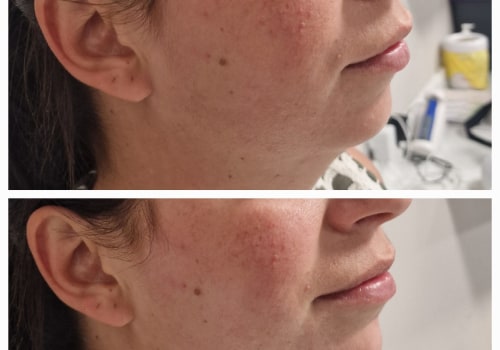
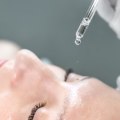
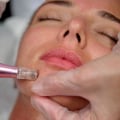
In recent years, the field of aesthetic medicine has witnessed a remarkable evolution, particularly with the advent of exosomal therapy. This innovative approach harnesses the power of exosomes—tiny vesicles secreted by cells that play a crucial role in intercellular communication. By utilising these natural carriers, exosomal therapy aims to enhance skin rejuvenation and repair, making it a compelling option for those seeking to improve their skin's appearance and health.One of the most exciting applications of exosomal therapy is in the realm of skin boosters. These treatments are designed to deliver hydration, elasticity, and overall vitality to the skin, addressing common concerns such as dryness, fine lines, and loss of firmness.
Unlike traditional dermal fillers that primarily add volume, skin boosters infused with exosomes work at a cellular level to stimulate the skin's natural regenerative processes. This not only enhances the skin's texture but also promotes long-lasting results.However, as with any medical treatment, it is essential to understand that exosomal therapy and skin boosters are not without their potential complications. While many patients experience positive outcomes, there are risks associated with these procedures that must be considered. From mild side effects like swelling and redness to more serious concerns such as allergic reactions or vascular occlusions, being informed about what can go wrong is crucial for anyone contemplating these treatments.This article will delve into the intricacies of exosomal therapy and its role in skin boosters, providing a comprehensive overview of both the benefits and potential pitfalls.
By equipping yourself with knowledge about these treatments, you can make informed decisions that align with your aesthetic goals while prioritising your safety.
What Are Skin Boosters?
Skin boosters are a revolutionary treatment designed to enhance the overall quality and appearance of the skin. Unlike traditional fillers that primarily add volume, skin boosters focus on improving skin hydration, elasticity, and texture. They are typically composed of hyaluronic acid, a naturally occurring substance in the body that retains moisture and promotes skin health.The primary purpose of skin boosters is to provide deep hydration to the skin, addressing issues such as dryness, fine lines, and uneven texture. By injecting these boosters into the dermis, they stimulate collagen production and improve the skin's overall structure.This results in a more youthful and radiant complexion.One of the key benefits of skin boosters is their ability to deliver long-lasting hydration. While topical moisturisers can only penetrate the outer layer of the skin, skin boosters work from within, ensuring that moisture is retained at deeper levels. This not only enhances the skin's appearance but also contributes to its health over time.Another significant advantage is their versatility. Skin boosters can be used on various areas of the body, including the face, neck, décolletage, and even hands.
This makes them an excellent option for individuals looking to rejuvenate multiple areas without undergoing invasive procedures.Skin booster treatments are generally quick and minimally invasive. The procedure typically involves a series of small injections administered by a qualified practitioner. Most patients experience little to no downtime, allowing them to return to their daily activities almost immediately.In summary, skin boosters represent an innovative approach to skincare that goes beyond surface-level treatments. By focusing on hydration and structural integrity, they offer a comprehensive solution for those seeking to improve their skin's appearance and health.
The Role of Exosomal Therapy in Skin Boosters
Exosomal therapy is emerging as a revolutionary approach in the realm of skin boosters, significantly enhancing their effectiveness and overall results.To understand how exosomes contribute to skin rejuvenation, it is essential to delve into their biological role and regenerative properties.
What are Exosomes?
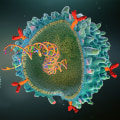
Exosomes are nano-sized extracellular vesicles secreted by various cell types, including stem cells. They play a crucial role in intercellular communication, facilitating the transfer of proteins, lipids, and genetic material between cells. This communication is vital for maintaining cellular homeostasis and promoting tissue repair.
How Exosomes Work in Skin Boosters
When incorporated into skin booster treatments, exosomes act as powerful mediators of healing and regeneration. They contain a rich cargo of growth factors, cytokines, and microRNAs that stimulate cellular processes essential for skin health.
Here’s how they enhance the efficacy of skin boosters:
- Enhanced Cellular Regeneration: Exosomes promote the proliferation and migration of fibroblasts, the cells responsible for collagen production. This leads to improved skin elasticity and texture.
- Anti-Inflammatory Properties: The anti-inflammatory factors within exosomes help reduce redness and swelling post-treatment, leading to a more comfortable recovery experience.
- Improved Hydration: By enhancing the skin's natural moisture retention capabilities, exosomes contribute to a plumper and more hydrated appearance.
- Collagen Stimulation: The growth factors present in exosomes stimulate collagen synthesis, which is crucial for maintaining youthful skin.
Benefits of Exosomal Therapy in Skin Boosters
The integration of exosomal therapy into skin booster treatments offers numerous benefits:
- Accelerated Healing: Patients often experience quicker recovery times due to the regenerative properties of exosomes.
- Long-Lasting Results: The effects of treatments enhanced with exosomal therapy tend to be more durable compared to traditional methods.
- Minimised Side Effects: The natural composition of exosomes reduces the likelihood of adverse reactions, making treatments safer for a broader range of individuals.
Common Side Effects of Skin Boosters
Undergoing skin booster treatments can lead to a variety of side effects, most of which are mild and temporary. Understanding these common reactions is essential for anyone considering this procedure, as it helps set realistic expectations and prepares individuals for the post-treatment experience.One of the most frequently reported side effects is redness at the injection site.This occurs as a natural response to the needle puncturing the skin and typically subsides within a few hours to a couple of days. The intensity of redness can vary depending on individual skin sensitivity and the technique used during the procedure.
Swelling
is another common reaction following skin booster injections. This swelling is usually localized around the treated areas and can last from a few days up to a week. It is important to note that while swelling may be uncomfortable, it is generally a sign that the body is responding positively to the treatment.
Bruising
may also occur, particularly in individuals who are prone to bruising or those taking blood-thinning medications.
Bruises can appear as dark spots on the skin and typically resolve within one to two weeks. To minimise bruising, patients are often advised to avoid alcohol and certain supplements, such as fish oil or vitamin E, in the days leading up to their treatment.In rare cases, patients may experience an allergic reaction to hyaluronic acid, one of the primary components used in skin boosters. Symptoms of an allergic reaction can include itching, hives, or more severe reactions that require immediate medical attention. It is crucial for individuals to disclose their full medical history and any known allergies during their consultation.While these side effects are generally mild and temporary, there is a very small risk of more serious complications, such as vascular occlusion , where the injected substance inadvertently blocks a blood vessel.
This can lead to tissue damage if not addressed promptly. Therefore, it is vital to choose a qualified practitioner who has experience with skin booster treatments.In summary, while side effects like redness, swelling, and bruising are common after skin booster treatments, they are typically short-lived and manageable. Patients should feel reassured that these reactions are part of the healing process and that most individuals return to their normal activities shortly after treatment.
Potential Complications Associated with Exosomal Therapy
While exosomal therapy has gained popularity for its potential to rejuvenate the skin, it is essential to be aware of the potential complications that may arise from this treatment. Understanding these risks can help individuals make informed decisions and prepare for any adverse effects that may occur.One of the most concerning complications associated with exosomal therapy is the risk of allergic reactions.Although rare, some patients may experience hypersensitivity to the components used in the treatment, such as hyaluronic acid or other additives. Symptoms of an allergic reaction can range from mild irritation and redness at the injection site to more severe reactions, including swelling, itching, or even anaphylaxis in extreme cases. It is crucial for patients to disclose their medical history and any known allergies during the consultation phase to mitigate this risk.Another serious complication that can occur is vascular occlusion. This happens when the injected substance inadvertently blocks a blood vessel, leading to compromised blood flow in the surrounding tissues.
The consequences of vascular occlusion can be significant, potentially resulting in tissue necrosis or permanent scarring. Signs of vascular occlusion may include sudden pain, discolouration of the skin, or a noticeable change in skin texture. Immediate medical attention is required if these symptoms arise.In addition to these serious complications, patients should also be aware of other potential side effects that may not be as severe but can still impact their experience. These include:
- Bruising: Commonly seen after injections, bruising can vary in severity and typically resolves within a few days.
- Swelling: Post-treatment swelling is normal but can be uncomfortable; it usually subsides within a week.
- Infection: As with any injection procedure, there is a risk of infection at the injection site.
Proper aftercare and hygiene are essential to minimise this risk.
Factors Influencing the Risk of Complications
When considering skin boosters, particularly those involving exosomal therapy, it is crucial to understand the various factors that can influence the risk of complications. Individual responses to treatment can vary significantly based on a range of personal health factors.Medical History Considerations
- Previous Allergic Reactions: Individuals with a history of allergies, especially to hyaluronic acid or similar substances, should approach skin boosters with caution.
An allergic reaction can lead to severe swelling, redness, and discomfort.
- Autoimmune Disorders: Those with autoimmune conditions may experience heightened sensitivity to treatments. Conditions such as lupus or rheumatoid arthritis can complicate the healing process and increase the risk of adverse effects.
- Skin Conditions: Pre-existing skin conditions like eczema or psoriasis can exacerbate complications. It is essential for practitioners to evaluate the skin's condition before proceeding with treatment.
- Blood Disorders: Individuals with clotting disorders or those on anticoagulant medications may face increased risks of bruising and bleeding at injection sites.
Who Should Avoid Skin Boosters?
- Pregnant or Nursing Women: Due to the lack of comprehensive studies on the effects of skin boosters during pregnancy and lactation, it is generally advised that these individuals avoid such treatments.
- Individuals with Active Infections: Those suffering from any form of active infection, particularly in the area where treatment is planned, should postpone their procedure until fully healed.
- Recent Surgical Procedures: If a patient has undergone recent surgery, especially facial procedures, it is advisable to wait until they have fully recovered before considering skin boosters.
Conclusion
The decision to undergo skin booster treatments should be made after careful consideration of personal health factors and a thorough consultation with a qualified practitioner. Understanding these risk factors not only helps in minimising potential complications but also ensures a safer and more effective treatment experience.
How to Minimise Risks When Considering Skin Boosters
When considering skin boosters, particularly those involving exosomal therapy, it is crucial to take proactive steps to minimise potential risks.Here are several strategies to ensure a safer treatment experience:
- Consult a Qualified Professional: The first and most important step is to seek a consultation with a qualified and experienced practitioner. Look for someone who is certified in aesthetic treatments and has a solid understanding of skin boosters and exosomal therapy. During the consultation, discuss your medical history, any allergies, and your aesthetic goals.
- Understand the Procedure: Make sure you are well-informed about the procedure itself. Ask your practitioner to explain how exosomal therapy works, what to expect during the treatment, and the potential side effects.
Knowledge empowers you to make informed decisions.
- Assess Your Skin Type: Different skin types may react differently to treatments. A thorough skin assessment by your practitioner can help determine if you are a suitable candidate for skin boosters. This assessment should include an evaluation of any existing skin conditions that could complicate the treatment.
- Discuss Medications: Inform your practitioner about any medications or supplements you are currently taking. Certain medications, such as blood thinners, can increase the risk of bruising and swelling post-treatment.
Your practitioner may advise you to pause certain medications before the procedure.
- Follow Pre-Treatment Guidelines: Adhering to pre-treatment instructions provided by your practitioner can significantly reduce risks. This may include avoiding alcohol, anti-inflammatory medications, or other substances that could affect your skin's response to treatment.
- Post-Treatment Care: After receiving skin boosters, follow all post-treatment care instructions diligently. This may involve avoiding sun exposure, refraining from strenuous exercise, and using gentle skincare products for a specified period. Proper aftercare can help minimise side effects like swelling and redness.
Remember that open communication with your practitioner is key; do not hesitate to ask questions or express concerns throughout the process.
Frequently Asked Questions About Exosomal Therapy and Skin Boosters
As interest in exosomal therapy and skin boosters continues to grow, many potential patients have questions regarding the safety, efficacy, and overall experience of these treatments. Below are some frequently asked questions that can help clarify common concerns.What is exosomal therapy?
Exosomal therapy involves the use of exosomes, which are tiny vesicles secreted by cells that play a crucial role in cell communication. These exosomes contain proteins, lipids, and genetic material that can promote healing and regeneration in the skin. When used in skin boosters, exosomes can enhance hydration, improve skin texture, and stimulate collagen production.Are skin boosters safe?
Generally, skin boosters are considered safe for most individuals.However, as with any cosmetic procedure, there are potential risks involved. It is essential to consult with a qualified practitioner who can assess your medical history and determine if you are a suitable candidate for treatment. Common side effects include temporary swelling, redness, and bruising at the injection site.
How long do the effects of skin boosters last?
The results of skin booster treatments can vary depending on individual factors such as skin type and lifestyle. Typically, patients may notice improvements for up to six months after treatment.To maintain optimal results, follow-up sessions may be recommended.
Can I combine exosomal therapy with other treatments?
Yes, exosomal therapy can often be combined with other aesthetic treatments such as dermal fillers or laser therapy. However, it is crucial to discuss this with your practitioner to ensure that the combination is safe and effective for your specific needs.What should I expect during recovery?
Recovery from skin booster injections is usually quick. Most patients can return to their daily activities shortly after treatment. Minor swelling or redness may occur but typically resolves within a few days.Following post-treatment care instructions provided by your practitioner will help ensure optimal healing.
Are there any contraindications for exosomal therapy?
While many people can safely undergo exosomal therapy, certain conditions may preclude treatment. Pregnant or nursing women should avoid these procedures. Additionally, individuals with active infections or certain autoimmune disorders should consult their healthcare provider before proceeding.If you have further questions or concerns about exosomal therapy and skin boosters, it is advisable to schedule a consultation with a qualified professional who can provide tailored advice based on your unique circumstances.Conclusion: Weighing the Benefits Against the Risks
As we conclude our exploration of exosomal therapy and its application in skin boosters, it is essential to reflect on the balance between the potential benefits and the associated risks. This innovative treatment has garnered attention for its ability to rejuvenate the skin, enhance hydration, and improve overall texture.However, like any medical procedure, it is not without its drawbacks.
Benefits of Exosomal Therapy
- Enhanced Skin Hydration: Exosomal therapy can significantly boost moisture levels in the skin, leading to a plumper and more youthful appearance.
- Improved Skin Texture: Many patients report smoother skin with reduced fine lines and wrinkles following treatment.
- Minimal Downtime: Compared to more invasive procedures, skin boosters typically require little recovery time, allowing individuals to resume their daily activities quickly.
- Natural Results: The use of exosomes promotes natural healing processes, resulting in outcomes that appear organic rather than artificially enhanced.
Risks Associated with Skin Boosters
- Injection Site Reactions: Common side effects include redness, swelling, and bruising at the injection sites. While these symptoms are usually temporary, they can be concerning for some patients.
- Allergic Reactions: There is a risk of allergic responses to components such as hyaluronic acid, which may necessitate immediate medical attention.
- Infection: As with any injection-based treatment, there is a potential risk of infection if proper hygiene practices are not followed.
- Vascular Complications: Although rare, there is a possibility of vascular occlusion, which can lead to more severe complications affecting skin health.
A thorough discussion with a healthcare provider can help clarify any uncertainties and ensure that individuals embark on their skincare journey with confidence.