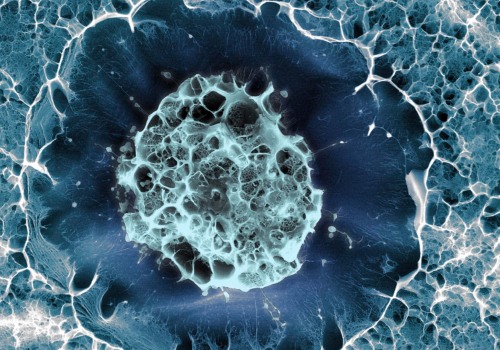
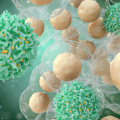
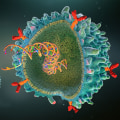
Exosomes are increasingly recognised as pivotal players in the intricate landscape of cellular communication, particularly within the context of cancer. These nanoscale vesicles, typically ranging from 30 to 150 nanometres in diameter, are secreted by a variety of cell types and serve as carriers of a diverse array of molecular constituents, including proteins, lipids, and nucleic acids. Their ability to encapsulate and transport these biomolecules allows exosomes to facilitate intercellular communication, influencing various physiological and pathological processes. In cancer, this communication can significantly alter the tumour microenvironment, promoting tumour growth, metastasis, and resistance to therapies. The significance of exosomes in cancer development cannot be overstated. Exosomes are increasingly recognised as pivotal players in the intricate landscape of cellular communication, particularly within the context of cancer. These nanoscale vesicles, typically ranging from 30 to 150 nanometres in diameter, are secreted by a variety of cell types and serve as carriers of a diverse array of molecular constituents, including proteins, lipids, and nucleic acids. Their ability to encapsulate and transport these biomolecules allows exosomes to facilitate intercellular communication, influencing various physiological and pathological processes. In cancer, this communication can significantly alter the tumour microenvironment, promoting tumour growth, metastasis, and resistance to therapies. The significance of exosomes in cancer development cannot be overstated.
They not only reflect the molecular profile of their parent cells but also actively participate in modulating the behaviour of recipient cells. For instance, exosomal markers can provide insights into the biological state of tumours, serving as potential biomarkers for early detection and prognosis. This is particularly crucial in oncology, where timely intervention can dramatically improve patient outcomes. Moreover, the unique composition of exosomes derived from cancer cells can influence surrounding normal cells, leading to a cascade of events that may favour tumour progression. As research progresses, the therapeutic potential of exosomal therapy is becoming increasingly apparent.
By harnessing the natural properties of exosomes, scientists are exploring innovative strategies to deliver therapeutic agents directly to target cells while minimising off-target effects. This approach not only enhances the efficacy of treatments but also opens new avenues for personalised medicine in oncology. Understanding the role of exosomal markers in cancer development is essential for developing these advanced therapeutic strategies and improving patient care.
What Are Exosomes?
Exosomes are extracellular vesicles that play a pivotal role in intercellular communication. These nanoscale vesicles, typically ranging from 30 to 150 nanometres in diameter, are secreted by various cell types into the extracellular environment.Their discovery has significantly advanced our understanding of cellular interactions and the mechanisms underlying numerous biological processes.
Structure and Composition of Exosomes
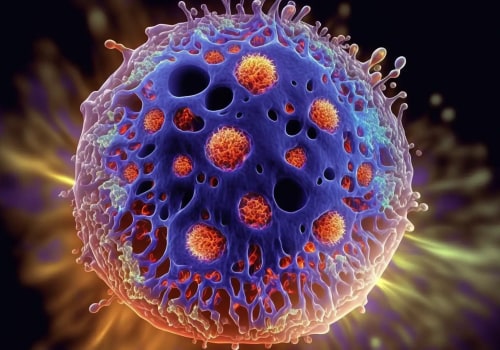
The structure of exosomes is characterised by a lipid bilayer membrane that encapsulates a complex cargo of biomolecules. This membrane is primarily composed of phospholipids, similar to the membranes of the cells from which they originate. Within this lipid bilayer, exosomes contain a variety of molecular components, including:
- Proteins: These include membrane proteins, cytosolic proteins, and proteins involved in signal transduction.
- Nucleic Acids: Exosomes carry various forms of RNA, including mRNA and microRNA, which can influence gene expression in recipient cells.
- Lipids: The lipid composition can vary depending on the cell type and physiological conditions, contributing to the functional diversity of exosomes.
- Metabolites: Small molecules that can provide insights into the metabolic state of the originating cell.
Biological Functions of Exosomes
The biological functions of exosomes are diverse and multifaceted. They are involved in:
- Cell Communication: Exosomes facilitate communication between cells by transferring their molecular cargo, thereby influencing the behaviour and fate of recipient cells.
- Immune Response Modulation: They play a role in immune system regulation by presenting antigens and modulating immune responses.
- Tumour Progression: In cancer, exosomes can promote tumour growth and metastasis by transferring oncogenic factors to surrounding cells.
- Tissue Repair: Exosomes are implicated in tissue regeneration processes by delivering growth factors and other regenerative signals.
As research continues to unveil their complexities, exosomal therapy emerges as a promising avenue for innovative cancer treatments.
The Biogenesis of Exosomes
Exosomes are formed through a complex process that begins with the inward budding of the plasma membrane, leading to the creation of early endosomes. These early endosomes then mature into late endosomes or multivesicular bodies (MVBs), which are crucial for the biogenesis of exosomes. The formation of exosomes involves several key mechanisms that are essential for their subsequent release into the extracellular environment.One of the primary mechanisms involved in exosome biogenesis is theExosomes are formed through a complex process that begins with the inward budding of the plasma membrane, leading to the creation of early endosomes. These early endosomes then mature into late endosomes or multivesicular bodies (MVBs), which are crucial for the biogenesis of exosomes. The formation of exosomes involves several key mechanisms that are essential for their subsequent release into the extracellular environment.One of the primary mechanisms involved in exosome biogenesis is the involvement of specific proteins. Proteins such as Alix and Tsg101 play significant roles in the sorting of cargo into MVBs.These proteins facilitate the incorporation of various biomolecules, including lipids, proteins, and nucleic acids, into the intraluminal vesicles that will eventually become exosomes. The presence of these proteins is critical for ensuring that exosomes carry the appropriate molecular signatures that reflect their cellular origin.Another important aspect of exosome formation is the role of lipid composition. The lipid bilayer of exosomes is enriched with specific lipids, such as sphingomyelin and cholesterol, which contribute to their stability and functionality. This unique lipid composition not only aids in membrane fusion but also influences the sorting and packaging of cargo within the vesicles.The release of exosomes from cells occurs through a process known as exocytosis.
Once MVBs fuse with the plasma membrane, they release their intraluminal vesicles into the extracellular space as exosomes. This fusion is regulated by various factors, including calcium ions and specific SNARE proteins, which facilitate membrane fusion events. The precise regulation of this process is vital, as it determines the quantity and quality of exosomes released by cells.Understanding the mechanisms behind exosome biogenesis is crucial for elucidating their roles in cancer development. Exosomes can carry oncogenic factors that promote tumour progression and metastasis, making them potential biomarkers for cancer diagnosis and targets for exosomal therapy.
By manipulating the biogenesis and release pathways of exosomes, researchers aim to develop innovative therapeutic strategies that could enhance treatment efficacy and improve patient outcomes.
Exosomes as Biomarkers in Cancer
Exosomes have emerged as pivotal players in the landscape of cancer diagnostics and monitoring, serving as biomarkers that can provide critical insights into the presence and progression of various malignancies. These nanoscale vesicles, secreted by both normal and cancerous cells, encapsulate a wealth of molecular information, including proteins, lipids, and nucleic acids, which can reflect the physiological state of their parent cells.One of the most significant advantages of using exosomal biomarkers in cancer is their ability to facilitate non-invasive testing. Traditional biopsy methods can be invasive and uncomfortable for patients; however, exosomes can be isolated from bodily fluids such as blood, urine, and saliva. This accessibility makes them an attractive option for early cancer detection and ongoing monitoring.Specific Exosomal Markers in Cancer
Research has identified several specific exosomal markers associated with different types of cancer:- Prostate Cancer: The presence of exosomal PSA (Prostate-Specific Antigen) and TMPRSS2-ERG fusion transcripts has been linked to prostate cancer diagnosis and prognosis.
- Breast Cancer: Exosomes from breast cancer cells often contain elevated levels of HER2, a well-known marker that can indicate aggressive disease and guide treatment decisions.
- Lung Cancer: Markers such as EGFR mutations found in exosomes can help in identifying patients who may benefit from targeted therapies.
- Colorectal Cancer: Exosomal miR-21, a microRNA, has been associated with poor prognosis and can serve as a potential biomarker for early detection.
By utilising exosomal biomarkers, clinicians can not only diagnose cancers at earlier stages but also monitor treatment responses and disease progression. For instance, changes in the levels of specific exosomal markers during therapy can provide real-time feedback on treatment efficacy, allowing for timely adjustments to therapeutic strategies.Moreover, the heterogeneity of cancer means that a single biomarker may not be sufficient for accurate diagnosis or prognosis. Therefore, a panel of exosomal biomarkers could enhance diagnostic accuracy and provide a more comprehensive understanding of an individual’s cancer profile.In conclusion, the role of exosomes as biomarkers in cancer is rapidly evolving. Their potential to revolutionise cancer diagnosis and prognosis lies in their ability to provide a non-invasive means of accessing critical molecular information about tumours.
As research continues to uncover new exosomal markers and their clinical relevance, we may soon see a paradigm shift in how cancers are detected and managed.
The Role of Exosomal Markers in Cancer Development
Exosomal markers have emerged as pivotal players in the intricate landscape of cancer development and progression. These markers, which are molecular signatures found within exosomes, provide critical insights into the biological processes that underpin tumour behaviour. By facilitating communication between cancer cells and their surrounding environment, exosomal markers significantly influence the dynamics of the tumour microenvironment.One of the primary roles of exosomal markers is to mediate cell-to-cell communication. Cancer cells release exosomes that carry a variety of bioactive molecules, including proteins, lipids, and nucleic acids.These components can alter the behaviour of recipient cells, promoting processes such as proliferation, migration, and invasion. For instance, exosomes derived from metastatic cancer cells have been shown to enhance the invasive capabilities of neighbouring non-cancerous cells, thereby facilitating tumour spread.Moreover, exosomal markers can modulate the immune response within the tumour microenvironment. Tumour-derived exosomes often contain immunosuppressive factors that can inhibit the activity of immune cells, such as T lymphocytes and natural killer (NK) cells. This immunosuppressive effect not only aids in tumour evasion from immune surveillance but also creates a conducive environment for cancer progression.In addition to their role in communication and immune modulation, exosomal markers serve as valuable These components can alter the behaviour of recipient cells, promoting processes such as proliferation, migration, and invasion. For instance, exosomes derived from metastatic cancer cells have been shown to enhance the invasive capabilities of neighbouring non-cancerous cells, thereby facilitating tumour spread.Moreover, exosomal markers can modulate the immune response within the tumour microenvironment. Tumour-derived exosomes often contain immunosuppressive factors that can inhibit the activity of immune cells, such as T lymphocytes and natural killer (NK) cells. This immunosuppressive effect not only aids in tumour evasion from immune surveillance but also creates a conducive environment for cancer progression.In addition to their role in communication and immune modulation, exosomal markers serve as valuable biomarkers for cancer diagnosis and prognosis.
The presence and concentration of specific exosomal proteins or nucleic acids can provide crucial information regarding tumour type, stage, and response to therapy. For example, elevated levels of certain exosomal microRNAs have been associated with poor prognosis in various cancers.Furthermore, understanding the specific roles of different exosomal markers can lead to novel therapeutic strategies. By targeting these markers, researchers aim to disrupt the pro-tumourigenic signalling pathways facilitated by exosomes. This approach not only holds promise for enhancing existing therapies but also for developing new exosomal therapies that could potentially reverse or halt cancer progression.In summary, exosomal markers play a multifaceted role in cancer development by influencing cell communication within the tumour microenvironment and modulating immune responses.
Their potential as biomarkers and therapeutic targets underscores their significance in advancing our understanding of cancer biology and improving treatment outcomes.
Exosomal Therapy: A New Frontier in Cancer Treatment
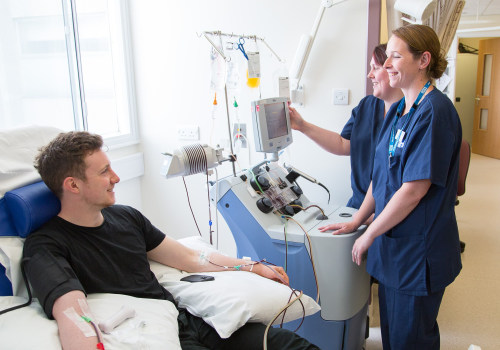
Exosomal therapy represents a groundbreaking approach in the realm of cancer treatment, leveraging the unique properties of exosomes to enhance therapeutic efficacy and reduce side effects. Exosomes, as natural carriers of biomolecules, have garnered attention for their potential to facilitate targeted drug delivery, making them a promising avenue for innovative cancer therapies.Current research is exploring various applications of exosomal therapy in oncology. One significant area of focus is the use of exosomes derived from stem cells, which have shown the ability to promote tissue regeneration and modulate immune responses. These stem cell-derived exosomes can be engineered to carry specific therapeutic agents, such as chemotherapeutic drugs or RNA molecules, directly to cancer cells, thereby increasing the concentration of the drug at the tumour site while minimising systemic exposure.Moreover, exosomes can be utilised as biomarkers for early cancer detection and monitoring treatment response.Their composition reflects the physiological state of the originating cells, allowing for non-invasive sampling through body fluids like blood or urine. This characteristic not only aids in diagnosing cancer at an earlier stage but also provides insights into the effectiveness of ongoing treatments.The advantages of employing exosomal therapy in cancer treatment are manifold:
- Targeted Delivery: Exosomes can be engineered to target specific cell types, enhancing the precision of drug delivery and reducing off-target effects.
- Biocompatibility: Being naturally occurring vesicles, exosomes are generally well-tolerated by the body, which may lead to fewer adverse reactions compared to conventional therapies.
- Versatility: Exosomes can carry a diverse array of therapeutic agents, including proteins, nucleic acids, and small molecules, making them adaptable for various treatment strategies.
- Immune Modulation: Exosomes can influence immune responses, potentially enhancing anti-tumour immunity or mitigating immune suppression associated with certain cancers.
Challenges and Limitations of Exosomal Therapy
Exosomal therapy holds great promise in the realm of cancer treatment, yet it is not without its challenges and limitations.As researchers delve deeper into the potential of exosomes as therapeutic agents, several critical issues have emerged that must be addressed to facilitate their successful clinical application.One of the primary challenges lies in the isolation and purification of exosomes. Current methods, such as ultracentrifugation, precipitation, and size-exclusion chromatography, often yield exosome preparations that are contaminated with proteins and other cellular debris. This contamination can significantly affect the therapeutic efficacy and safety of exosomal treatments. Moreover, the lack of standardisation in isolation protocols leads to variability in exosome quality and composition, complicating comparisons across studies.Another significant hurdle is the characterisation of exosomes.
While various markers have been identified to distinguish exosomes from other vesicles, there is still no universally accepted set of criteria for their identification. This lack of consensus can hinder the reproducibility of research findings and the development of reliable diagnostic tools.Furthermore, regulatory challenges pose a substantial barrier to the advancement of exosomal therapies. The regulatory landscape for biologics is complex, and exosomes, being derived from human cells, may fall under stringent regulations that govern cell-based therapies. Navigating these regulations requires extensive documentation and validation studies to ensure safety and efficacy, which can be time-consuming and costly.Despite these challenges, there are promising future directions for exosomal therapy.
Advances in nanotechnology may lead to improved methods for exosome isolation and characterisation. Additionally, ongoing research into the mechanisms by which exosomes influence tumour microenvironments could unveil novel therapeutic targets. Collaborative efforts between academia, industry, and regulatory bodies will be essential to overcome these obstacles and unlock the full potential of exosomal therapy in cancer treatment.
Future Perspectives on Exosomes in Cancer Research
The future of exosome research in the context of cancer treatment holds immense promise, as scientists continue to uncover the multifaceted roles these vesicles play in tumour biology. With advancements in technology and a deeper understanding of exosomal biology, we are on the brink of significant breakthroughs that could revolutionise cancer therapies.One of the most exciting prospects is the development of exosomal therapy as a targeted treatment modality.Researchers are exploring ways to engineer exosomes to deliver therapeutic agents directly to cancer cells, minimising damage to healthy tissues. This precision approach could enhance the efficacy of existing treatments while reducing side effects, making cancer therapies more tolerable for patients.Moreover, the integration of nanotechnology with exosome research is paving the way for innovative drug delivery systems. By utilising nanoparticles to modify exosomes, scientists can improve their stability and targeting capabilities. This synergy could lead to the creation of exosome-based platforms that not only deliver chemotherapeutics but also carry genetic materials such as RNA for gene therapy applications.Another promising avenue is the use of exosomes as diagnostic tools.
Their ability to reflect the molecular profile of their parent cells makes them ideal candidates for liquid biopsies. Future research may focus on developing standardised protocols for isolating and analysing exosomal content, which could facilitate early cancer detection and monitoring treatment responses.Furthermore, understanding the role of exosomes in the tumour microenvironment is crucial. As we delve deeper into how these vesicles influence cancer progression and metastasis, we may identify new biomarkers for prognosis and therapeutic targets. This knowledge could lead to combination therapies that disrupt exosomal communication pathways, potentially hindering tumour growth.In conclusion, the future of exosome research in cancer treatment is bright, with numerous avenues for exploration.
As we harness emerging technologies and deepen our understanding of exosomal functions, we stand poised to unlock new therapeutic strategies that could significantly improve patient outcomes.
Conclusion: The Promise of Exosomal Markers and Therapy in Cancer Management
In conclusion, the exploration of exosomal markers has unveiled a promising frontier in the understanding and management of cancer. Throughout this article, we have delved into the intricate roles that exosomes play in cancer biology, particularly their capacity to facilitate communication between tumour cells and their microenvironment. This communication is pivotal in the processes of tumour progression, metastasis, and the development of drug resistance.The identification and characterisation of specific exosomal markers have significant implications for early cancer detection and diagnosis. By analysing the molecular contents of exosomes derived from cancer patients, researchers can potentially develop non-invasive biomarkers that provide insights into the presence and type of cancer.This advancement could lead to earlier interventions and tailored treatment strategies, ultimately improving patient outcomes.Moreover, the therapeutic potential of exosomal therapy is an exciting area of research. Exosomes can be engineered to deliver therapeutic agents directly to target cells, enhancing the efficacy of treatments while minimising side effects. This targeted approach not only holds promise for traditional therapies but also for novel treatments such as gene therapy and immunotherapy.As we look to the future, it is essential to continue investigating the complex biology of exosomes and their role in cancer. The integration of exosomal markers into clinical practice could revolutionise how we approach cancer management, shifting towards more personalised and effective treatment paradigms.In summary, understanding exosomal markers is not merely an academic pursuit; it represents a critical step towards transforming cancer care.
The potential applications of exosomal therapy could pave the way for innovative solutions that enhance patient quality of life and survival rates. As research progresses, we remain hopeful that these tiny vesicles will play a monumental role in conquering one of humanity's most formidable challenges.