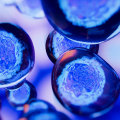
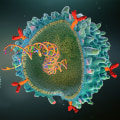
In the realm of regenerative medicine, In the realm of regenerative medicine, exosomal therapy has emerged as a revolutionary approach, capturing the interest of both medical professionals and patients seeking innovative solutions for healing and recovery. At its core, exosomal therapy utilises exosomes , which are nanoscale extracellular vesicles secreted by various cell types. These tiny structures play a pivotal role in cellular communication, acting as carriers of essential biological information that can influence the behaviour of recipient cells. By transferring proteins, lipids, and genetic material, exosomes facilitate critical processes such as tissue repair, immune response modulation, and overall cellular rejuvenation.The significance of exosomal therapy lies not only in its ability to harness the body’s natural healing mechanisms but also in its potential to address a wide array of health conditions.
From chronic inflammation to degenerative diseases, exosomes have shown promise in promoting recovery and enhancing well-being. Unlike traditional cell therapies that may involve complex procedures and potential complications, exosomal therapy offers a more streamlined approach that minimises risks while maximising therapeutic benefits.As we delve deeper into the intricacies of exosomal therapy, it becomes essential to understand what exosomes are and how they function within the body. Their unique composition allows them to modulate cellular activities effectively, making them a focal point in ongoing research aimed at unlocking their full therapeutic potential. This exploration will not only highlight the benefits of exosomal therapy but also set the stage for a comprehensive understanding of how these remarkable vesicles contribute to sustained health and longevity within our bodies.
What Are Exosomes?
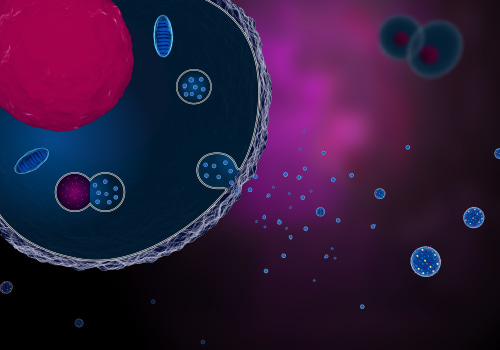
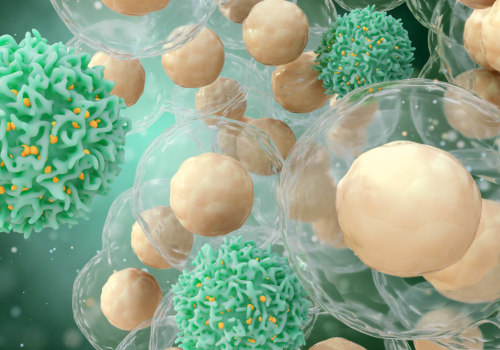
Exosomes are extracellular vesicles that play a pivotal role in the intricate web of cellular communication.These nanoscale structures, typically measuring between 30 to 150 nanometers in diameter, are secreted by various cell types and are rich in a diverse array of biological molecules, including proteins, lipids, and nucleic acids such as messenger RNA (mRNA) and microRNA (miRNA). This unique composition enables exosomes to facilitate intercellular communication, influencing the behaviour and function of recipient cells.There are several distinct types of exosomes, each classified based on their origin and function:
- Microvesicles: Larger than exosomes, these vesicles are formed through the outward budding of the plasma membrane. They carry a wide range of biomolecules and play roles in various physiological processes.
- Apoptotic Bodies: Released during programmed cell death, these vesicles contain cellular debris and can influence immune responses by presenting antigens to immune cells.
- Exosomes: The smallest type, exosomes are formed within endosomal compartments and released into the extracellular space upon fusion with the plasma membrane. They are particularly significant in mediating communication between cells.
They are involved in several critical physiological processes:
- Cellular Communication: Exosomes act as messengers between cells, transmitting signals that can alter gene expression and influence cellular behaviour. This communication is vital for coordinating responses to environmental changes.
- Immune Response Modulation: Exosomes play a crucial role in regulating immune responses by presenting antigens to immune cells or modulating inflammation. This function is particularly important in maintaining immune balance.
- Tissue Repair and Regeneration: Exosomes derived from stem cells have been shown to promote healing by delivering growth factors and other regenerative signals to damaged tissues. This capability underscores their potential therapeutic applications in regenerative medicine.
By harnessing their natural ability to transfer information between cells, researchers are exploring innovative treatments for a variety of conditions, including neurodegenerative diseases, cancer, and tissue injuries.
The Mechanism of Exosomal Therapy
Exosomal therapy operates through a sophisticated interplay of biological mechanisms that leverage the natural properties of exosomes—tiny extracellular vesicles that facilitate intercellular communication. Understanding how this therapy works at a cellular level is crucial for appreciating its potential in regenerative medicine.Mechanisms of Action
- Cell Signalling: Exosomes are rich in bioactive molecules, including proteins, lipids, and nucleic acids such as messenger RNA (mRNA) and microRNA (miRNA). When exosomes fuse with target cells, they deliver their cargo, which can modulate gene expression and influence cellular behaviour. This process is fundamental to promoting healing and regeneration.
- Immune Modulation: Exosomes play a pivotal role in regulating immune responses.
Depending on the context, they can either stimulate or suppress immune activity. This characteristic is particularly beneficial in treating conditions marked by chronic inflammation or autoimmune disorders, where balancing immune responses is essential.
- Tissue Repair: Exosomes derived from stem cells have been shown to enhance tissue repair by promoting cell survival and proliferation. They facilitate processes such as angiogenesis, the formation of new blood vessels, and encourage the migration of stem cells to areas requiring repair.
Delivery Methods
The effectiveness of exosomal therapy is also influenced by the method of delivery. Various techniques are employed to ensure that exosomes reach their target sites effectively:
- Intravenous Administration: This method allows for systemic distribution of exosomes throughout the body, making it suitable for treating widespread conditions such as chronic inflammation or degenerative diseases.
- Local Injection: For targeted therapies, exosomes can be injected directly into affected areas, such as joints or damaged tissues.
This approach ensures a concentrated effect where it is most needed, enhancing therapeutic outcomes.
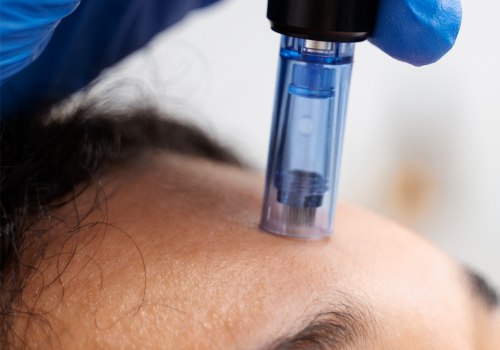
- Topical Application: In dermatological applications, exosomes can be applied topically to improve skin health. This method promotes cellular repair and rejuvenation, making it effective for skin conditions and aesthetic treatments.
- Intra-nasal Delivery: An innovative approach targeting neurological conditions involves delivering exosomes directly to the central nervous system through the nasal cavity. This method bypasses the blood-brain barrier, allowing for more effective treatment of brain-related disorders.
Factors Influencing the Longevity of Exosomes in the Body
The longevity of exosomes in the body is a complex interplay of various factors that can significantly influence their effectiveness in promoting healing and regeneration.Understanding these factors is essential for patients considering exosomal therapy as a treatment option.
Age
One of the most critical factors affecting the duration of exosomal activity is age. As individuals grow older, the regenerative capacity of their cells tends to decline. This decline can impact how long exosomes remain effective within the body. Younger individuals often experience more pronounced and longer-lasting effects from exosomal therapy compared to older adults.Age-related changes in cellular communication and repair mechanisms can lead to a reduced response to treatment, making it essential for clinicians to consider age when developing treatment plans.
Overall Health Status
The general health of an individual plays a pivotal role in determining the effectiveness and longevity of exosomes. Patients with chronic illnesses or compromised immune systems may find that their bodies metabolise and eliminate exosomes more quickly than healthier individuals. Factors such as nutritional status, lifestyle choices, and pre-existing medical conditions can all influence how well the body utilises exosomal therapy. For instance, a well-balanced diet rich in antioxidants may enhance the body's ability to respond positively to treatment, while poor health may hinder its effectiveness.Treatment Methods
The method of administration for exosomal therapy can also significantly affect its longevity in the body.Different delivery methods—such as local injections, intravenous infusions, or topical applications—can lead to varying absorption rates and distribution patterns. For example:
- Local Injections: These may provide a concentrated effect in specific areas, potentially leading to longer-lasting results in those regions.
- Intravenous Infusions: This method allows for systemic distribution throughout the body but may result in a quicker metabolism of exosomes.
- Topical Applications: Used primarily for skin rejuvenation, these can enhance local effects but may not have systemic benefits.
Individual Variability
No two patients are alike, and individual variability is another critical aspect influencing the longevity of exosomes. Each person's unique genetic makeup, metabolic rate, and response to treatment can lead to different outcomes. Some patients may experience prolonged benefits from exosomal therapy, while others may notice a quicker decline in effectiveness.This variability underscores the importance of personalised treatment plans tailored to each patient's specific needs and circumstances.In conclusion, while exosomal therapy holds great promise for promoting healing and regeneration, its effectiveness and longevity are influenced by various factors including age, overall health status, treatment methods, and individual variability. By understanding these elements, patients can better navigate their treatment journey and optimise their outcomes.
Expected Duration of Exosomal Therapy Results
When considering exosomal therapy, one of the most common inquiries revolves around the duration of its results. Patients are often eager to understand how long they can expect to experience the benefits of this cutting-edge treatment. While individual experiences may vary, there are general timelines that can provide a clearer picture.On average, the initial results from exosomal therapy can last between six to nine months.This timeframe is influenced by several factors, including:
- Patient Age: Younger individuals typically experience more pronounced and longer-lasting effects compared to older adults, whose regenerative capacity may be diminished due to age-related changes.
- Overall Health: A patient’s general health status plays a crucial role in the effectiveness of exosomal therapy. Those with chronic illnesses or compromised immune systems may metabolise and eliminate exosomes more quickly than healthier individuals.
- Skin Type: Different skin types may respond variably to treatment, affecting how long the results last.
The Importance of Maintenance Treatments
To sustain and enhance the results achieved through exosomal therapy, maintenance treatments are highly recommended.Scheduling follow-up sessions once or twice a year can significantly prolong the benefits and ensure that the body continues to receive the necessary signals for regeneration. These maintenance treatments serve multiple purposes:
- Reinforcement of Results: Regular sessions help reinforce the initial improvements, allowing patients to maintain their desired outcomes over time.
- Continued Regeneration: Exosomes facilitate ongoing cellular communication and healing, which is crucial for long-term health and vitality.
- Adaptation to Changes: As our bodies age or undergo various changes, maintenance treatments can be tailored to address new concerns or shifts in skin condition.
Applications of Exosomal Therapy in Regenerative Medicine
Exosomal therapy has rapidly gained recognition as a revolutionary approach in the realm of regenerative medicine, showcasing its versatility across various medical fields. This innovative treatment utilises exosomes—tiny vesicles that facilitate intercellular communication—to enhance healing and regeneration processes.Below, we delve into the specific applications of exosomal therapy, particularly in skin rejuvenation, joint health, and hair restorationhair restoration.
Skin Rejuvenation
In dermatology, exosomal therapy is making significant strides as a powerful tool for skin rejuvenation. The therapy works by delivering bioactive molecules that stimulate collagen production, improve skin elasticity, and reduce the appearance of fine lines and wrinkles. Patients undergoing exosomal treatments often report:- Enhanced Skin Texture: The regenerative properties of exosomes promote cellular turnover, leading to smoother and more youthful skin.
- Improved Tone: Exosomes can help even out skin tone by reducing pigmentation issues and promoting a healthier complexion.
- Long-lasting Results: Many patients experience visible improvements that can last up to 12 months following a series of treatments.
Joint Health
The application of exosomal therapy in orthopaedics is particularly noteworthy for its impact on joint health.By injecting exosomes directly into affected joints, patients suffering from conditions like osteoarthritis or sports injuries can experience:
- Pain Relief: Many individuals report significant pain reduction shortly after treatment, facilitating a quicker return to daily activities.
- Enhanced Mobility: Exosomes promote tissue repair and regeneration, leading to improved joint function and mobility.
- Accelerated Recovery: The therapy aids in speeding up the healing process post-injury or surgery, reducing downtime significantly.
Hair Restoration
The use of exosomal therapy in hair restoration is an exciting development that offers hope for individuals experiencing hair loss. By stimulating hair follicles through the application of exosomes, this treatment promotes:- Follicle Stimulation: Exosomes enhance cellular communication within the scalp, encouraging dormant hair follicles to re-enter the growth phase.
- Nourishment: The bioactive components within exosomes provide essential nutrients that support healthy hair growth.
- Sustained Results: Patients often observe noticeable improvements within weeks, with effects lasting several months when combined with ongoing treatments.
Safety and Efficacy of Exosomal Therapy
As the field of regenerative medicine continues to advance, exosomal therapy has garnered significant attention for its potential to treat a variety of health conditions. However, with any emerging treatment, questions regarding safety and efficacy are paramount for prospective patients.Is Exosomal Therapy Safe?
Exosomal therapy is generally regarded as a safe treatment option, particularly when the exosomes are sourced from the patient’s own cells, known as autologous exosomes.This method significantly diminishes the risk of adverse reactions or immune responses that can arise from using foreign materials. Clinical studies have consistently shown that patients tolerate exosomal treatments well, with minimal side effects reported.Moreover, exosomes are naturally occurring vesicles that play a vital role in cellular communication. They facilitate the transfer of proteins, lipids, and genetic material between cells, promoting healing and regeneration without the complications often associated with traditional cell therapies.
Side Effects of Exosomal Therapy
While exosomal therapy is largely safe, some patients may experience mild side effects. These can include:- Slight swelling or redness at the injection site
- Temporary discomfort or pain
- Minor allergic reactions in rare cases
Efficacy Studies
A growing body of research supports the efficacy of exosomal therapy across various applications.Clinical trials have demonstrated significant improvements in conditions such as:
- Joint Pain and Inflammation: Studies indicate that exosomes can reduce inflammation and promote tissue repair in osteoarthritis and other joint disorders.
- Skin Rejuvenation: Research has shown that exosomal therapy can enhance skin elasticity and reduce signs of aging, providing long-lasting results.
- Hair Restoration: Efficacy studies suggest that exosomes can stimulate hair growth by enhancing cellular communication within the scalp.
Conclusion: The Future of Exosomal Therapy in Health and Wellness
As we conclude our exploration of exosomal therapy, it is evident that this innovative approach holds significant promise for the future of health and wellness. Throughout this article, we have delved into the intricate mechanisms by which exosomes facilitate cellular communication, promote healing, and enhance regeneration. The potential applications of exosomal therapy span a wide array of medical fields, from dermatology to orthopaedics, and even hair restoration.One of the most compelling aspects of exosomal therapy is its ability to harness the body’s natural healing processes.By utilising exosomes derived from stem cells or other sources, clinicians can deliver targeted therapeutic signals that not only address existing health issues but also foster long-term wellness. This regenerative capability positions exosomal therapy as a transformative tool in modern medicine.Looking ahead, the future of exosomal therapy appears bright. Ongoing research is likely to uncover even more applications and refine existing techniques, enhancing the efficacy and safety of treatments. As our understanding of exosomes deepens, we may see advancements in personalised medicine, where therapies are tailored to individual genetic profiles and health conditions.Moreover, the integration of exosomal therapy into mainstream healthcare could revolutionise treatment paradigms.
With its potential to reduce recovery times and improve patient outcomes, exosomal therapy may become a cornerstone in managing chronic diseases and age-related conditions.In summary, the journey of exosomal therapy is just beginning. As we continue to explore its vast potential, it is crucial for patients and healthcare providers alike to stay informed about this evolving field. By embracing the advancements in exosomal therapy, we can look forward to a future where enhanced health and well-being are within reach for many.