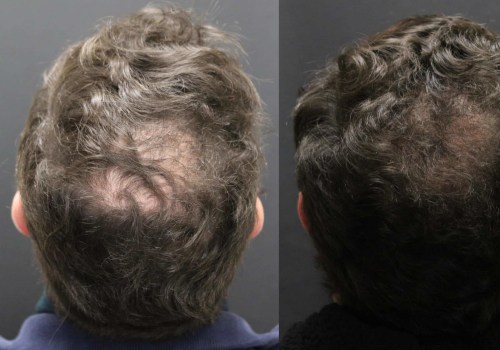
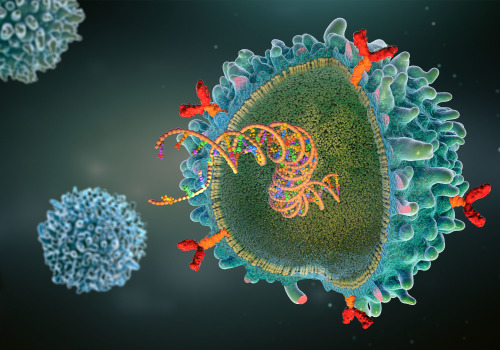
In recent years, exosomal therapy has emerged as a groundbreaking approach within the realm of stem cell research , capturing the attention of both the scientific community and the public. Exosomes, which are small extracellular vesicles secreted by cells, play a crucial role in intercellular communication and have been identified as key players in various biological processes, including tissue repair and regeneration. This innovative therapy harnesses the natural properties of exosomes to facilitate healing and promote recovery from a range of diseases, making it a promising avenue for future medical treatments.As we delve deeper into the complexities surrounding exosomal therapy, it is essential to understand its intricate relationship with stem cell research. Stem cells possess the unique ability to differentiate into various cell types and have long been heralded for their potential in regenerative medicine.
However, the legal and ethical landscapes governing stem cell research are fraught with challenges. The use of human embryos, for instance, raises significant moral questions that have led to stringent regulations and ongoing debates among policymakers, ethicists, and researchers alike.The intersection of exosomal therapy and stem cell research not only highlights the potential for innovative treatments but also underscores the pressing need for clear legal frameworks and ethical guidelines. As this field continues to evolve, it is imperative to navigate these complexities carefully to ensure that advancements in therapy do not outpace our understanding of their implications. This exploration will set the stage for a comprehensive examination of the legal and ethical considerations that accompany the development and application of exosomal therapies in clinical settings.
Understanding Exosomal Therapy: Mechanisms and Applications
Exosomal therapy is an innovative approach in regenerative medicine that utilises exosomes—small extracellular vesicles secreted by cells.These vesicles play a crucial role in intercellular communication, carrying proteins, lipids, and nucleic acids that can influence the behaviour of recipient cells. Understanding the mechanisms behind exosomal therapy is essential for appreciating its potential applications in treating various diseases.
Mechanisms of Exosomal Therapy
- Cell Communication: Exosomes facilitate communication between cells by transferring bioactive molecules. This process can modulate immune responses, promote tissue repair, and influence cellular behaviour.
- Biomarker Potential: The molecular content of exosomes reflects the physiological state of their parent cells, making them valuable as biomarkers for disease diagnosis and prognosis.
- Therapeutic Delivery: Exosomes can be engineered to deliver therapeutic agents directly to target cells, enhancing the efficacy of treatments while minimising side effects.
- Immunomodulation: Exosomes derived from stem cells have shown promise in modulating immune responses, which is particularly beneficial in autoimmune diseases and organ transplantation.
Applications of Exosomal Therapy
The versatility of exosomal therapy extends across various medical fields:
- Cancer Treatment: Exosomes can be used to deliver chemotherapeutic agents directly to tumour cells, potentially increasing treatment efficacy while reducing systemic toxicity.
- Neurological Disorders: Research indicates that exosomes may aid in neuroprotection and regeneration, offering hope for conditions such as Alzheimer’s and Parkinson’s disease.
- Cardiovascular Diseases: Exosomal therapy has been explored for its ability to promote cardiac repair following myocardial infarction by enhancing angiogenesis and reducing inflammation.
- Tissue Regeneration: In orthopaedics and wound healing, exosomes derived from mesenchymal stem cells have demonstrated the ability to accelerate tissue repair and regeneration.
The Legal Landscape of Stem Cell Therapy in the US
The legal framework governing stem cell therapy in the United States is intricate and multifaceted, shaped by a combination of federal regulations and state-specific laws. in the United States is intricate and multifaceted, shaped by a combination of federal regulations and state-specific laws.Understanding this landscape is crucial for grasping the complexities surrounding emerging therapies, such as exosomal therapy, which often intersects with stem cell research.At the federal level, the Food and Drug Administration (FDA) plays a pivotal role in regulating stem cell therapies. The FDA categorizes stem cell products as biological products, which means they must undergo rigorous testing and approval processes before they can be marketed to the public. This includes demonstrating safety and efficacy through clinical trials. Currently, the only stem cell products that have received FDA approval for clinical use are those derived from umbilical cord blood, primarily for treating blood-related disorders.In 2017, the FDA issued guidelines aimed at clarifying its stance on stem cell therapies, particularly those derived from adult tissues.
The agency expressed its commitment to ensuring that patients are protected from unproven treatments that could pose significant health risks. This has led to increased scrutiny of clinics offering unapproved stem cell therapies, many of which operate outside the bounds of established regulations.In addition to federal regulations, individual states have enacted their own laws regarding stem cell research and therapy. Some states have embraced more permissive policies, allowing for greater research opportunities and clinical applications. For instance, California has established a robust framework supporting stem cell research through the California Institute for Regenerative Medicine (CIRM), which funds various projects aimed at advancing stem cell science.Conversely, other states have imposed strict limitations or outright bans on certain types of stem cell research.
States like Arkansas and Iowa have enacted laws that restrict funding or prohibit specific research practices involving embryonic stem cells. These variations create a patchwork of regulations that can complicate the landscape for researchers and practitioners alike.As the field of States like Arkansas and Iowa have enacted laws that restrict funding or prohibit specific research practices involving embryonic stem cells. These variations create a patchwork of regulations that can complicate the landscape for researchers and practitioners alike.As the field of exosomal therapy continues to evolve, it is essential for stakeholders to remain informed about both federal and state regulations. The interplay between these laws not only affects the development of new therapies but also impacts patient access to potentially life-saving treatments.
Ethical Considerations in Stem Cell and Exosomal Therapies
The ethical landscape surrounding stem cell therapy and exosomal therapy is intricate and multifaceted, raising significant questions about patient rights, informed consent, and the moral implications of these advanced medical treatments. As these therapies continue to evolve, it is crucial to address the ethical dilemmas they present to ensure responsible practice and patient safety.One of the primary ethical concerns in stem cell and exosomal therapies is the issue of informed consent.Patients must be fully aware of the potential risks and benefits associated with these treatments before agreeing to participate. This includes understanding the experimental nature of many stem cell therapies, which may not have undergone rigorous clinical trials. The challenge lies in ensuring that patients are not only informed but also comprehend the complexities of the treatment options available to them.Moreover, there is a pressing need to consider the potential risks involved in these therapies. While stem cell treatments hold promise for various conditions, they can also lead to adverse effects, including immune reactions or tumor formation.
Patients must be made aware of these risks as part of the informed consent process. Additionally, the use of exosomes—tiny vesicles that facilitate intercellular communication—raises questions about their long-term effects on human health, as research in this area is still in its infancy.The moral implications of sourcing stem cells also warrant careful consideration. For instance, the use of embryonic stem cells has been a contentious issue due to the ethical debates surrounding the status of embryos. Many argue that life begins at conception, making any research involving embryonic cells morally unacceptable.
Conversely, others advocate for the potential benefits that such research could bring to humanity, particularly in treating debilitating diseases.Furthermore, patient rights in stem cell research must be safeguarded. This includes ensuring equitable access to therapies and preventing exploitation of vulnerable populations who may be more susceptible to unproven treatments. Ethical guidelines should be established to protect patients from being misled by clinics offering dubious therapies that lack scientific backing.In conclusion, navigating the ethical considerations surrounding stem cell and exosomal therapies requires a delicate balance between innovation and patient welfare. As research progresses and new therapies emerge, ongoing dialogue among scientists, ethicists, and policymakers will be essential to address these complex issues effectively.
Case Studies: Legal and Ethical Challenges in Practice
In the evolving landscape of stem cell therapy and its derivative, exosomal therapy, numerous case studies have emerged that underscore the intricate legal and ethical challenges practitioners and patients face.These real-world examples not only highlight the potential benefits of these therapies but also reveal the significant risks and moral dilemmas involved.
Case Study 1: The Florida Clinic Incident
A notable case occurred in Florida, where a clinic offered unapproved adipose-derived stem cell treatments for various conditions, including macular degeneration. Three elderly women who underwent this treatment subsequently lost their vision. This incident raised serious questions about the clinic's adherence to regulatory standards and the ethical implications of providing unproven therapies. The FDA intervened, highlighting the necessity for stringent oversight in the administration of stem cell treatments.Case Study 2: Exosomal Therapy in Sports Medicine
Another compelling example involves a sports medicine clinic that began offering exosomal therapy to professional athletes for injury recovery.While initial results appeared promising, the lack of comprehensive clinical trials raised concerns about the safety and efficacy of such treatments. Legal challenges arose when an athlete experienced complications post-treatment, leading to lawsuits against the clinic for malpractice and failure to inform patients adequately about potential risks.
Case Study 3: The Ethical Dilemma of Patient Consent
A third case highlights the ethical dilemma surrounding informed consent in stem cell research. A research facility conducting trials on embryonic stem cells faced backlash when it was revealed that some participants were not fully aware of the experimental nature of the treatments they were receiving. This situation prompted discussions about the necessity for clearer communication and transparency in obtaining consent, particularly when dealing with vulnerable populations.These case studies illustrate that while stem cell and exosomal therapies hold great promise, they are fraught with legal and ethical complexities that must be navigated carefully.As these therapies continue to develop, it is crucial for practitioners to remain vigilant about regulatory compliance and ethical standards to protect patients and uphold the integrity of medical practice.
The Role of Regulatory Bodies in Stem Cell Research
In the complex landscape of stem cell research and therapy, regulatory bodies play a pivotal role in ensuring safety, efficacy, and ethical compliance. In the United States, the primary authority overseeing these aspects is the Food and Drug Administration (FDA). The FDA's involvement is crucial, particularly as it pertains to the regulation of stem cell products and therapies, including emerging treatments such as exosomal therapy.The FDA categorises stem cell products based on their intended use and the source of the cells. For instance, products derived from human tissues are subject to stringent regulations under the Public Health Service Act and the Federal Food, Drug, and Cosmetic Act.This classification ensures that any stem cell therapy offered to patients has undergone rigorous testing for safety and effectiveness.One of the FDA's key responsibilities is to evaluate clinical trials involving stem cell therapies. Before any clinical trial can commence, researchers must submit an Investigational New Drug (IND) application. This application outlines the proposed study's design, methodology, and safety measures. The FDA reviews this information to ensure that participants are not exposed to undue risk.In addition to overseeing clinical trials, the FDA also monitors post-market activities.
Once a stem cell product is approved for use, ongoing surveillance is necessary to track its long-term effects on patients. This vigilance helps identify any adverse events that may arise after treatment, ensuring that any potential risks are addressed promptly.Moreover, as Once a stem cell product is approved for use, ongoing surveillance is necessary to track its long-term effects on patients. This vigilance helps identify any adverse events that may arise after treatment, ensuring that any potential risks are addressed promptly.Moreover, as exosomal therapy gains traction in regenerative medicine, regulatory oversight becomes even more critical. Exosomes are small vesicles released by cells that play a significant role in intercellular communication and have shown promise in various therapeutic applications. However, due to their novel nature, the regulatory framework surrounding exosomal therapies is still evolving.
The FDA has indicated that exosomes may be classified as biological products, which would subject them to similar regulations as other stem cell therapies.The role of other regulatory bodies cannot be overlooked either. The National Institutes of Health (NIH) , for example, provides guidelines for ethical research practices involving human subjects and embryonic stem cells. Their oversight ensures that research adheres to ethical standards while promoting scientific advancement.In conclusion, understanding the roles of regulatory bodies like the FDA and NIH is essential for navigating the legal landscape of stem cell research and therapies. As new treatments such as exosomal therapy emerge, ongoing dialogue between researchers and regulators will be vital in shaping a safe and effective framework for future innovations.
Future Directions: Innovations and Regulatory Changes in Exosomal Therapy
As the field of exosomal therapy continues to evolve, it is essential to consider the future directions that this innovative approach may take.Exosomes, which are small extracellular vesicles secreted by cells, have garnered significant attention for their potential in regenerative medicine and therapeutic applications. Their ability to facilitate intercellular communication and deliver bioactive molecules makes them a promising avenue for treating various diseases.One of the most exciting prospects for the future of exosomal therapy lies in the advancements in stem cell research. Researchers are increasingly exploring the use of stem cell-derived exosomes as therapeutic agents. These exosomes can carry proteins, lipids, and RNA that can modulate immune responses, promote tissue repair, and even influence cellular behaviour.
As our understanding of stem cell biology deepens, we may witness a surge in clinical applications that harness the regenerative properties of exosomal therapy.Moreover, innovations in biotechnology are likely to enhance the production and purification processes of exosomes. Techniques such as microfluidics and nanotechnology could lead to more efficient methods for isolating exosomes from various biological fluids. This would not only streamline research but also pave the way for scalable manufacturing processes necessary for clinical applications.On the regulatory front, as exosomal therapies gain traction, we can anticipate significant changes in how these treatments are evaluated and approved by health authorities. Currently, the regulatory landscape for exosomal therapy is somewhat ambiguous, with many products falling into grey areas between drug and biologic classifications.
As more data emerges demonstrating their safety and efficacy, regulatory bodies like the FDA may establish clearer guidelines specifically tailored for exosomal therapies.This could involve creating streamlined pathways for clinical trials focused on exosome-based treatments, thereby expediting their availability to patients. Additionally, as public awareness grows regarding the potential benefits of exosomal therapy, there may be increased pressure on regulators to ensure that safe and effective products reach the market without unnecessary delays.In conclusion, the future of exosomal therapy is poised for remarkable advancements driven by ongoing research and innovation. Stakeholders in healthcare must remain vigilant and informed about these developments to navigate the complexities of this rapidly evolving field effectively.
Conclusion: Balancing Innovation with Ethical Responsibility
As we draw our discussion to a close, it is essential to reflect on the intricate interplay between innovation in exosomal therapy and the ethical responsibilities that accompany such advancements. The potential of exosomal therapy to revolutionise treatment paradigms is undeniable, offering hope for conditions that have long eluded effective management.However, this promise must be tempered with a commitment to ethical standards and legal compliance.The landscape of stem cell research and therapy, particularly in the United States, is fraught with legal complexities and ethical dilemmas. As highlighted throughout this article, the regulatory framework governing these therapies is designed to protect patients from unproven treatments that could lead to serious harm. The case studies of adverse events associated with unapproved therapies serve as stark reminders of the risks involved when innovation outpaces regulation.Moreover, the ethical considerations surrounding exosomal therapy extend beyond mere compliance with laws. They encompass a broader responsibility to ensure that patients are fully informed about the nature of their treatments, including potential risks and benefits.
Transparency in clinical practices fosters trust between healthcare providers and patients, which is crucial for the successful integration of innovative therapies into mainstream medicine.In conclusion, while the future of exosomal therapy holds great promise, it is imperative that stakeholders—including researchers, clinicians, and policymakers—work collaboratively to establish a framework that prioritises patient safety and ethical integrity. This balance will not only enhance public confidence in emerging therapies but also pave the way for responsible innovation that can truly transform healthcare.