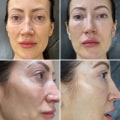
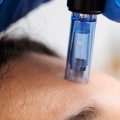
In the ever-evolving world of cosmetic procedures, skin boosters have emerged as a popular choice for individuals seeking to enhance their skin's appearance and overall health. These injectable treatments are designed to improve skin hydration, elasticity, and texture, providing a more youthful and radiant look. However, as with any cosmetic intervention, it is essential to understand the potential risks associated with these procedures, particularly when they involve advanced techniques such as exosomal therapy.
Exosomal therapy
represents a cutting-edge approach in the realm of skin rejuvenation. This innovative treatment utilises exosomes—tiny vesicles secreted by cells that play a crucial role in cell communication and regeneration.By harnessing the power of exosomes, practitioners aim to stimulate the skin's natural healing processes, promoting collagen production and enhancing overall skin vitality. While the benefits of exosomal therapy are promising, it is vital to consider the associated risks that may arise from its application.The landscape of cosmetic procedures is not without its challenges. Although many individuals experience positive outcomes from skin boosters and exosomal therapy, there are inherent risks that must be acknowledged. These can range from common side effects such as swelling and bruising to more serious complications like infections or allergic reactions.
Understanding these risks is crucial for anyone considering these treatments, as it empowers them to make informed decisions about their skincare journey.As we delve deeper into the topic of skin boosters and exosomal therapy, we will explore the various risks involved in these procedures. By shedding light on potential complications and safety concerns, we aim to equip readers with the knowledge necessary to navigate their options confidently and safely.
What Are Skin Boosters?
Skin boosters are innovative cosmetic treatments designed to enhance skin hydration, elasticity, and overall appearance. Unlike traditional fillers that primarily add volume, skin boosters work by deeply hydrating the skin from within, promoting a more youthful and radiant complexion. They typically consist of hyaluronic acid or other biocompatible substances that attract and retain moisture, providing a plump and dewy look.The primary purpose of skin boosters is to improve skin quality rather than merely altering its shape.They are particularly beneficial for individuals experiencing signs of ageing, such as fine lines, dryness, and loss of elasticity. By injecting these substances into the dermis, skin boosters stimulate collagen production and enhance the skin's natural barrier function.
Types of Skin Boosters
There are several types of skin boosters available on the market, each with unique properties and benefits:- Hyaluronic Acid Boosters: These are the most common type of skin boosters. Hyaluronic acid is a naturally occurring substance in the body that helps retain moisture. When injected into the skin, it provides immediate hydration and improves texture.
- Exosomal Therapy: This advanced treatment utilises exosomes—tiny vesicles released from cells that play a crucial role in cell communication.
Exosomal therapy promotes healing and regeneration by delivering growth factors and proteins directly to the skin cells, enhancing their function and rejuvenating the skin.
- Platelet-Rich Plasma (PRP): PRP involves using a patient’s own blood to extract growth factors that can stimulate collagen production. This method is particularly effective for improving skin tone and texture.
- Peptide-Based Boosters: These boosters contain peptides that signal the skin to produce more collagen and elastin, leading to firmer and more resilient skin.
Understanding Exosomal Therapy
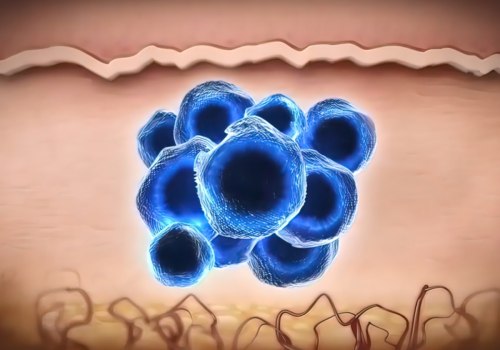
Exosomal therapy is an innovative approach in the realm of regenerative medicine, particularly gaining traction in cosmetic treatments. This therapy utilises exosomes, which are nano-sized extracellular vesicles secreted by cells.These vesicles play a crucial role in cell communication and can transfer proteins, lipids, and genetic material between cells, thereby influencing various biological processes.One of the primary benefits of exosomal therapy is its ability to promote skin rejuvenation and healing. By harnessing the natural properties of exosomes, this therapy can stimulate collagen production, enhance skin elasticity, and improve overall skin texture. This makes it an appealing option for individuals seeking non-invasive cosmetic enhancements.Exosomal therapy works by isolating exosomes from stem cells or other sources and then injecting them into targeted areas of the skin. Once administered, these exosomes interact with local cells, triggering a cascade of regenerative processes.
This mechanism not only aids in repairing damaged tissues but also helps in reducing inflammation and promoting a healthier skin environment.Moreover, the application of exosomal therapy extends beyond mere aesthetic improvements. It has shown promise in treating various skin conditions such as acne scars, pigmentation issues, and even signs of ageing like fine lines and wrinkles. The versatility of this treatment makes it a valuable addition to the cosmetic arsenal.However, while exosomal therapy presents numerous advantages, it is essential to approach it with caution. As with any medical procedure, there are potential risks involved.
Patients should ensure that they receive treatment from qualified professionals who utilise approved products specifically designed for human use.In summary, exosomal therapy represents a significant advancement in cosmetic treatments, offering a range of benefits from enhanced skin rejuvenation to effective management of various skin conditions. Its unique mechanism of action positions it as a promising option for those looking to improve their skin health safely and effectively.
Common Risks Associated with Skin Boosters
When considering skin boosters, it is essential to be aware of the common risks and potential side effects associated with these treatments. While many individuals experience positive outcomes, understanding the possible complications can help you make an informed decision.One of the most frequently reported side effects following skin booster injections includes bruising. This occurs due to the needle penetrating the skin and can vary in severity from person to person.Typically, bruising resolves within a few days, but in some cases, it may take longer to fade.
Swelling
is another common reaction, often occurring at the injection site. This can be attributed to the body’s natural inflammatory response to the treatment. While mild swelling is expected, significant or prolonged swelling should be discussed with your healthcare provider.
Redness
at the injection site is also typical and usually subsides within a short period. However, if redness persists or worsens, it may indicate an underlying issue that requires medical attention.In rare instances, patients may experience infections.
Although the risk is low when procedures are performed in a sterile environment by qualified professionals, infections can occur if proper aftercare is not followed. Symptoms of infection may include increased pain, swelling, warmth, or discharge from the injection site.
Allergic reactions
are another potential risk associated with skin boosters. While uncommon, some individuals may react adversely to the ingredients in the product used. Symptoms can range from mild irritation to more severe reactions requiring immediate medical intervention.Additionally, there is a risk of developing granulomas , which are small lumps that can form under the skin as a result of an inflammatory response to foreign substances.
These may require further treatment to resolve.Lastly, while exceedingly rare, complications such as nerve damage or vascular occlusion can occur if injections are not administered correctly. These serious complications can lead to long-term effects and should be taken seriously.In summary, while skin boosters can offer significant aesthetic benefits, it is crucial to weigh these against the potential risks and side effects. Consulting with a qualified practitioner who understands your individual needs and health history will help mitigate these risks and ensure a safer treatment experience.
Specific Risks Linked to Exosomal Therapy
Exosomal therapy, while promising in its potential to rejuvenate skin and enhance overall appearance, is not without its risks and complications. Understanding these risks is crucial for anyone considering this innovative treatment.One of the primary concerns associated with exosomal therapy is the possibility of infection.As with any procedure that involves injections, there is a risk of introducing bacteria into the skin. This can lead to localised infections, which may require medical intervention. It is essential to ensure that the procedure is performed in a sterile environment by qualified professionals to minimise this risk.Another significant risk involves allergic reactions. Although exosomes are derived from natural sources, individual responses can vary.
Some patients may experience hypersensitivity to the components used in the therapy, leading to symptoms such as redness, swelling, or even more severe reactions. It is advisable for patients to discuss their medical history and any known allergies with their practitioner prior to treatment.
Granuloma formation
is another potential complication. This occurs when the body reacts to foreign substances, leading to the development of small inflammatory nodules under the skin. While this is relatively rare, it can be distressing for patients and may require additional treatments to resolve.Moreover, there are concerns regarding the quality and source of exosomes.
Not all exosomal products are created equal; some may be derived from less reputable sources or may not undergo rigorous testing for safety and efficacy. Patients should ensure that they are receiving treatment from reputable clinics that use high-quality, clinically tested products.Lastly, while most side effects are mild and temporary—such as swelling, bruising, and tenderness—there remains a small chance of more serious complications. These can include vascular involvement or nerve damage if injections are not administered correctly. Therefore, it is vital for patients to choose experienced practitioners who understand the anatomy of the face and body.In conclusion, while exosomal therapy offers exciting possibilities for skin enhancement, it is essential to be aware of the associated risks.
Engaging in thorough consultations with healthcare providers can help mitigate these risks and ensure a safer treatment experience.
Identifying Counterfeit Skin Boosters and Their Risks
The rise in popularity of skin boosters has unfortunately led to an increase in counterfeit products flooding the market. These counterfeit skin boosters not only undermine the integrity of legitimate treatments but also pose significant health risks to consumers. Understanding how to identify these fake products and the dangers they present is crucial for anyone considering such treatments.Risks Associated with Counterfeit Skin Boosters
- Unknown Ingredients: Counterfeit skin boosters often contain unregulated and potentially harmful substances. These may include industrial-grade chemicals that are not safe for human use, leading to severe allergic reactions or long-term health issues.
- Bacterial Contamination: Many counterfeit products are manufactured in unsanitary conditions, increasing the risk of bacterial contamination.
This can result in serious infections that may require medical intervention.
- Unpredictable Effects: The lack of quality control in counterfeit products means that their effects can be unpredictable. Users may experience adverse reactions that are not typical of legitimate skin boosters, including severe swelling, pain, or even permanent skin damage.
- Legal and Financial Consequences: Purchasing counterfeit products can lead to legal repercussions, as well as financial loss if the treatment fails or causes harm.
How to Identify Fake Skin Boosters
Identifying counterfeit skin boosters requires vigilance and knowledge. Here are some tips to help you discern legitimate products from fakes:
- Check the Source: Always purchase skin boosters from reputable clinics or licensed practitioners. Avoid buying from unverified online sources or street vendors.
- Examine Packaging: Authentic products typically have professional packaging with clear labeling, including batch numbers and expiration dates.
If the packaging looks cheap or lacks essential information, it’s likely a counterfeit.
- Research Ingredients: Familiarise yourself with the ingredients used in legitimate skin boosters. If a product lists unfamiliar or suspicious components, it’s best to avoid it.
- Consult Professionals: If in doubt, consult a qualified dermatologist or aesthetic practitioner who can provide guidance on safe and effective treatments.
Prevention and Safety Measures When Considering Skin Boosters
When considering skin boosters, particularly those involving exosomal therapy, it is essential to prioritise safety and minimise potential risks. Here are some practical measures to ensure a safe experience:Choosing a Qualified Provider
The first step in minimising risks is selecting a qualified and experienced provider.Look for practitioners who are:
- Licensed and Certified: Ensure that the provider holds the necessary licenses and certifications to perform cosmetic procedures. This often includes training in dermatology or aesthetic medicine.
- Experienced: Seek out professionals with a proven track record in administering skin boosters, particularly those using exosomal therapy. Ask for before-and-after photos of previous patients to gauge their expertise.
- Reputable: Research the clinic’s reputation through online reviews, testimonials, and recommendations from trusted sources. A well-regarded clinic is more likely to adhere to safety protocols.
Understanding Treatment Protocols
Before undergoing treatment, it is crucial to have a thorough understanding of the procedure.Discuss the following with your provider:
- Product Information: Inquire about the specific products being used, including their ingredients and how they work. Ensure that they are approved for use in humans and have undergone rigorous testing.
- Treatment Plan: Understand the treatment plan, including the number of sessions required, expected outcomes, and any potential side effects. A transparent discussion can help set realistic expectations.
- Post-Treatment Care: Ask about aftercare instructions to minimise risks post-treatment. This may include avoiding sun exposure, refraining from strenuous activities, or using specific skincare products.
Monitoring for Adverse Reactions
After receiving skin boosters, it is vital to monitor your body’s response.Be vigilant for any signs of complications such as:
- Persistent Swelling or Redness: While some swelling is normal, prolonged symptoms may indicate an issue.
- Pain or Discomfort: Mild discomfort is expected; however, severe pain should be reported immediately.
- Signs of Infection: Watch for unusual symptoms like fever, increased redness, or discharge at the injection site.
Frequently Asked Questions About Skin Boosters and Exosomal Therapy
As the popularity of skin boosters and exosomal therapy continues to rise, many individuals have questions regarding their safety, effectiveness, and overall experience. Below are some frequently asked questions that can help clarify common concerns.What are skin boosters?
Skin boosters are injectable treatments designed to enhance skin hydration, elasticity, and overall appearance. They typically contain hyaluronic acid or other biocompatible substances that work to improve skin texture and tone.Exosomal therapy, a newer approach, utilises exosomes—tiny vesicles that facilitate cell communication—to promote skin rejuvenation at a cellular level.
Are skin boosters safe?
Generally, skin boosters are considered safe when administered by qualified professionals. However, as with any cosmetic procedure, there are risks involved. It is crucial to choose a reputable clinic and ensure that the products used are approved for human use. Always consult with a healthcare provider to discuss your medical history and any potential allergies.What are the side effects of exosomal therapy?
While exosomal therapy is relatively new, it has shown promising results with minimal side effects.Commonly reported side effects include:
- Mild swelling
- Bruising at the injection site
- Redness or tenderness
How long do the effects of skin boosters last?
The longevity of results from skin boosters can vary based on individual factors such as skin type and lifestyle. Generally, effects can last anywhere from six months to a year. Regular maintenance treatments can help prolong the benefits.Can anyone receive skin booster treatments?
While many people can benefit from skin boosters, certain conditions may contraindicate treatment.Individuals with active skin infections, autoimmune disorders, or those who are pregnant should consult their healthcare provider before proceeding.If you have further questions or concerns about skin boosters or exosomal therapy, it is advisable to seek professional advice tailored to your specific needs.
Conclusion: Weighing the Risks and Benefits of Skin Boosters
In conclusion, the decision to pursue skin boosters, particularly those involving exosomal therapy, necessitates a thorough understanding of both the potential benefits and associated risks. While these treatments can offer significant improvements in skin texture, hydration, and overall appearance, it is essential to approach them with caution and informed awareness.One of the primary advantages of skin boosters is their ability to enhance skin quality through deep hydration and stimulation of collagen production. This can lead to a more youthful and radiant complexion, making them an appealing option for many individuals seeking non-surgical aesthetic enhancements. However, it is crucial to remember that these benefits come with inherent risks.As highlighted throughout this article, the risks associated with skin boosters include common side effects such as bruising, swelling, and tenderness at the injection site.While these symptoms are typically mild and resolve within a few days, there are more serious concerns that must be acknowledged. For instance, the potential for allergic reactions or infections, although rare, can pose significant health risks. Furthermore, complications such as granuloma formation or vascular occlusion can lead to long-term consequences if not addressed promptly.Moreover, the quality and safety of the products used in exosomal therapy are paramount. It is vital to ensure that any treatment is conducted by qualified professionals using approved products specifically designed for injectable use in humans.
This not only mitigates risks but also enhances the likelihood of achieving desired outcomes.Ultimately, individuals considering skin boosters should engage in comprehensive consultations with their healthcare providers. Discussing personal medical histories, expectations, and any concerns can help tailor treatments to individual needs while ensuring safety. By weighing the benefits against the potential risks and making informed choices, patients can navigate their aesthetic journeys with confidence.