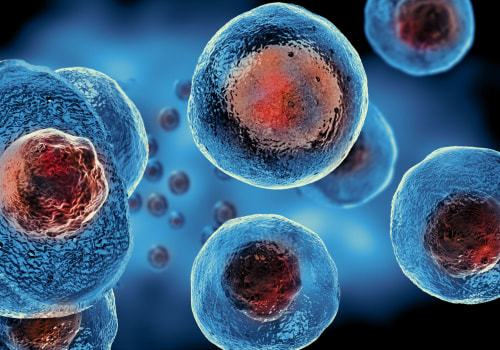
Exosomal therapy is an innovative approach in the realm of regenerative medicine, harnessing the power of exosomes—tiny vesicles secreted by cells that play a crucial role in intercellular communication. These vesicles are rich in proteins, lipids, and genetic material, enabling them to convey vital information between cells. As a result, exosomal therapy has emerged as a promising treatment option for various conditions, including degenerative diseases, inflammatory disorders, and even aesthetic applications such as skin rejuvenation.The significance of exosomal therapy lies in its ability to facilitate healing and regeneration at a cellular level. By delivering therapeutic molecules directly to target cells, exosomes can modulate immune responses, reduce inflammation, and promote tissue repair.
This targeted approach not only enhances the efficacy of treatments but also minimizes potential side effects associated with traditional therapies. As research continues to unveil the multifaceted benefits of exosomal therapy, it is becoming increasingly clear that this cutting-edge treatment could revolutionise how we address chronic health issues.Moreover, the versatility of exosomal therapy extends beyond medical applications; it is also making waves in the beauty industry. Treatments that utilise exosomes derived from various sources are being developed to improve skin texture, elasticity, and overall appearance. This dual application underscores the growing recognition of exosomes as a valuable tool in both health and aesthetics.As we delve deeper into the topic of exosomal therapy, it is essential to consider not only its benefits but also the associated costs.
Understanding the financial implications will help potential patients make informed decisions about their treatment options and navigate this exciting yet complex field of modern medicine.
What Are Exosomes?
Exosomes are small extracellular vesicles that play a crucial role in intercellular communication. These lipid bilayer structures, typically ranging from 30 to 150 nanometers in diameter, are secreted by various cell types and are found in numerous biological fluids, including blood, urine, and saliva. Their primary function is to facilitate the transfer of molecular information between cells, thereby influencing various physiological processes.Definition of Exosomes
In biological terms, exosomes are defined as membrane-bound vesicles that originate from the endosomal compartment of cells. They are formed when multivesicular bodies (MVBs) fuse with the plasma membrane, releasing their contents into the extracellular space.
This process is essential for maintaining cellular homeostasis and regulating immune responses.
Functions of Exosomes
- Cell Communication: Exosomes serve as vehicles for transporting proteins, lipids, and nucleic acids (such as RNA) between cells. This transfer of biomolecules allows for the modulation of recipient cell behaviour, influencing processes such as growth, differentiation, and apoptosis.
- Immune Response: They play a significant role in immune modulation by carrying antigens and other immune-related molecules. This function is vital for both activating and suppressing immune responses, making exosomes important players in maintaining immune homeostasis.
- Regenerative Medicine: Due to their ability to transfer bioactive molecules, exosomes derived from stem cells have garnered attention in regenerative medicine. They can promote tissue repair and regeneration by delivering growth factors and other signalling molecules to damaged tissues.
Their role in mediating intercellular interactions positions them as key players in various biological processes and therapeutic applications, including exosomal therapy.
The Science Behind Exosomal Therapy
Exosomal therapy is an innovative approach that leverages the natural properties of exosomes, which are tiny vesicles secreted by cells. These vesicles play a crucial role in intercellular communication, carrying proteins, lipids, and genetic material from one cell to another. Understanding the science behind exosomes is essential to appreciate their therapeutic potential.How Exosomes Are Derived
Exosomes are derived from various cell types, including stem cells, which are known for their regenerative capabilities. The process begins with the cultivation of these cells in a controlled environment.
Once the cells reach a certain density, they begin to release exosomes into the surrounding medium. These exosomes can then be isolated and purified through techniques such as ultracentrifugation or filtration.
The Mechanism of Exosomal Therapy
The therapeutic effects of exosomal therapy stem from the ability of exosomes to transfer bioactive molecules to target cells. When administered, exosomes can influence the behaviour of recipient cells by:
- Modulating immune responses: Exosomes can carry anti-inflammatory cytokines that help reduce inflammation and promote healing.
- Stimulating tissue regeneration: By delivering growth factors and genetic material, exosomes can encourage cellular repair and regeneration in damaged tissues.
- Facilitating cell communication: Exosomes enhance communication between cells, which is vital for maintaining homeostasis and responding to injury.
Therapeutic Potential
The potential applications of exosomal therapy are vast.
Research indicates that exosomes derived from mesenchymal stem cells (MSCs) can significantly reduce inflammation and promote healing in conditions such as arthritis and cardiovascular diseases. Furthermore, their ability to cross biological barriers, including the blood-brain barrier, opens new avenues for treating neurological disorders.In summary, the science behind exosomal therapy highlights its innovative approach to harnessing the body's natural healing processes. By understanding how exosomes work and their potential applications, we can better appreciate their role in advancing modern medicine.
Cost Factors of Exosomal Therapy
The cost of exosomal therapy can vary significantly based on several key factors. Understanding these elements is crucial for anyone considering this innovative treatment, as they can greatly influence the overall expense.1.Type of Treatment
Exosomal therapy encompasses a range of applications, from aesthetic procedures like skin rejuvenation to more complex treatments aimed at addressing chronic conditions.
For instance, facial treatments using exosomes may start at around £499 per session, while therapies targeting systemic issues could be priced higher due to the complexity and resources involved. The specific type of exosomal therapy you choose will play a significant role in determining the cost.
2.Provider Expertise
The qualifications and experience of the healthcare provider administering the treatment can also affect pricing. Highly trained specialists with extensive experience in exosomal therapy may charge more for their services compared to less experienced practitioners. It is essential to consider not only the cost but also the provider's track record and patient outcomes when making your decision.
3.Geographical Location
The location of the treatment facility can significantly impact costs.
Urban centres with a higher cost of living often have higher prices for medical treatments, including exosomal therapy. Conversely, clinics in rural areas may offer more competitive pricing. It’s advisable to research various clinics in different locations to find a balance between quality and affordability.
4.Treatment Packages
Many clinics offer packages that include multiple sessions or combined therapies, which can provide savings compared to paying for each session individually. These packages can be particularly beneficial for patients seeking long-term results, as they often come at a reduced rate.
5.Individual Patient Needs
Finally, individual patient needs and health conditions can influence the cost of exosome injections.
Factors such as the severity of the condition being treated, the number of sessions required, and any additional treatments needed will all contribute to the final price. A thorough consultation with a healthcare provider will help clarify these aspects and provide a more accurate estimate.In summary, while the initial cost of exosomal therapy may seem daunting, understanding these factors can help you make an informed decision about your treatment options and budget accordingly.
Average Costs of Exosomal Therapy in the UK
When considering exosomal therapy in the UK, understanding the average costs associated with various treatments is crucial for potential patients. The pricing for exosome injections can vary significantly based on the type of therapy, the clinic's location, and the specific needs of the patient.On average, the cost of exosome injections in the UK typically ranges from £500 to £1,350 per session. This price range reflects the diversity of treatments available, from facial rejuvenation to hair restoration therapies.Facial Treatments
For facial rejuvenation using exosomal therapy, such as microneedling combined with exosomes, patients can expect to pay around £499 per session.This innovative treatment utilises exosomes derived from salmon sperm to enhance skin hydration and elasticity, providing noticeable results that can last between 9 to 12 months .
Hair Restoration
Exosomal therapy for hair loss is another popular application. The cost for this treatment generally starts at approximately £800 , depending on the extent of hair loss and the specific protocol used. Many clinics offer package deals that can reduce the overall cost when multiple sessions are booked.Cost Comparison
When comparing exosomal therapies to other regenerative treatments, such as platelet-rich plasma (PRP) injections, exosome therapy may appear more expensive initially. However, many practitioners argue that the advanced technology and potential benefits of exosomes justify the higher price point.PRP treatments typically range from £300 to £600 per session, making them a more affordable option but potentially less effective for certain conditions.Ultimately, while the costs associated with exosomal therapy can be significant, many patients find value in the long-term benefits and reduced recovery times compared to traditional surgical options. It is advisable for individuals considering these treatments to consult with qualified practitioners who can provide tailored pricing based on their unique circumstances.
Comparing Exosomal Therapy Costs with Other Treatments
When considering exosomal therapy, it is essential to evaluate its costs in relation to other regenerative treatments, such as stem cell therapy and platelet-rich plasma (PRP) injections. Understanding these differences can help patients make informed decisions about their treatment options.Exosomal Therapy vs. Stem Cell Therapy Costs
Exosomal therapy typically ranges from £500 to £1,350 per session, depending on the specific treatment and individual needs.In contrast, stem cell therapy can be significantly more expensive, often costing between £2,000 and £10,000 per treatment. This price disparity is primarily due to the complexity of stem cell procedures, which often involve extensive laboratory work and longer recovery times.
Cost Comparison with PRP Injections
PRP injections are another popular option for regenerative treatment, particularly for hair restoration and skin rejuvenation. The cost of PRP therapy generally falls between £300 and £800 per session. While PRP is less expensive than both exosomal and stem cell therapies, it may not offer the same level of efficacy for certain conditions.Exosomal therapy harnesses the power of exosomes derived from stem cells, potentially providing enhanced benefits in terms of cellular communication and regeneration.
Alternative Treatment Costs
In addition to exosomal therapy, stem cell therapy, and PRP injections, there are various alternative treatments available that may also address similar health concerns. For instance:- Acupuncture: Typically costs between £40 and £80 per session.
- Physical Therapy: Ranges from £30 to £100 per session, depending on the type of treatment required.
- Chiropractic Care: Usually costs around £30 to £65 per visit.
Insurance Coverage and Financing Options for Exosomal Therapy
When considering exosomal therapy, one of the most pressing concerns for potential patients is whether their insurance will cover the costs associated with this innovative treatment.Unfortunately, as of now, most insurance providers do not cover exosomal therapy. This is primarily due to the fact that exosome treatments are still classified as experimental and have not yet received formal approval from regulatory bodies such as the FDA. As a result, patients often find themselves responsible for the full cost of their treatment.However, there are financing options available that can help make exosomal therapy more accessible. Many clinics that offer this treatment understand the financial burden it can impose and have developed various payment plans to assist patients.
These plans may include:
- Monthly Payment Plans: Some clinics allow patients to spread the cost of their treatment over several months, making it easier to manage financially.
- Third-Party Financing: Companies like CareCredit and Prosper Healthcare Lending offer financing specifically for medical procedures. Patients can apply for credit to cover their treatment costs and pay it back in manageable instalments.
- Promotional Offers: Certain clinics may run special promotions or discounts for new patients or package deals that can reduce the overall cost of treatment.
Potential Benefits and Risks of Exosomal Therapy
Exosomal therapy has garnered significant attention in recent years due to its potential to revolutionise treatment options for various medical conditions.However, like any medical intervention, it is essential to weigh the benefits against the risks associated with this innovative therapy.
Benefits of Exosomal Therapy
One of the primary advantages of exosomal therapy is its ability to promote regeneration and healing. Exosomes, which are small vesicles secreted by cells, play a crucial role in cell communication and can facilitate the transfer of proteins, lipids, and genetic material between cells. This property makes them particularly valuable in regenerative medicine. Here are some notable benefits:- Tissue Repair: Exosomes can aid in the repair of damaged tissues by promoting cell proliferation and reducing inflammation.
- Anti-Inflammatory Effects: Many studies suggest that exosomes derived from stem cells possess anti-inflammatory properties, making them beneficial for conditions such as arthritis and other inflammatory diseases.
- Minimal Invasiveness: Unlike traditional surgical procedures, exosomal therapy is typically non-invasive or minimally invasive, resulting in less discomfort and quicker recovery times for patients.
- Diverse Applications: Exosomal therapy shows promise in treating a variety of conditions, including neurodegenerative diseases, cardiovascular issues, and even certain types of cancer.
Risks and Side Effects of Exosomal Therapy
Despite its potential benefits, exosomal therapy is not without risks.As with any medical treatment, patients should be aware of possible side effects and complications:
- Immune Reactions: Although exosomes are less likely to provoke an immune response compared to whole cells, there is still a possibility that some patients may experience an adverse reaction.
- Lack of Regulation: Currently, many exosomal therapies are considered experimental and are not regulated by health authorities like the FDA. This lack of oversight can lead to variability in treatment quality.
- Infection Risk: As with any injection procedure, there is a risk of infection at the injection site.
- Uncertain Long-Term Effects: Since exosomal therapy is relatively new, the long-term effects are still being studied. Patients should consider this when deciding on treatment options.
Frequently Asked Questions About Exosomal Therapy Costs
When considering exosomal therapy, many potential patients have questions regarding the costs associated with this innovative treatment.Below are some of the most frequently asked questions about the pricing of exosomal therapy.
What is the average cost of exosomal therapy?
The cost of exosomal therapy can vary significantly based on several factors, including the type of treatment, the provider's expertise, and geographical location. Generally, patients can expect to pay anywhere from £500 to £1,350 per session. For instance, specific treatments like microneedling with exosomes may start at around £499 per session.Are there package deals available for exosomal treatments?
Many clinics offer package deals that can reduce the overall cost per session. These packages often include multiple treatments and may provide additional benefits such as complimentary consultations or follow-up appointments.It’s advisable to inquire about any available packages when considering treatment.
What factors influence the cost of exosomal therapy?
- Type of Treatment: Different applications of exosomal therapy, such as facial rejuvenation or hair restoration, may have varying costs.
- Provider Experience: Clinics with more experienced practitioners or those that use advanced technology may charge higher fees.
- Location: Prices can differ based on the region; urban areas typically have higher costs compared to rural settings.
- Individual Needs: The specific requirements of each patient can also affect pricing, as some may need more extensive treatment than others.
Is exosomal therapy covered by insurance?
Currently, most insurance plans do not cover exosomal therapy, as it is considered an experimental treatment. Patients should check with their insurance providers for specific coverage details and consider discussing payment options with their chosen clinic.Are there any additional costs associated with exosomal therapy?
In addition to the treatment costs, patients should be aware of potential extra expenses such as consultation fees, follow-up visits, and any necessary pre-treatment assessments. It’s essential to clarify all potential costs upfront to avoid unexpected charges.Understanding these aspects of exosomal therapy costs can help patients make informed decisions about their treatment options and financial planning.Conclusion: Is Exosomal Therapy Worth the Investment?
As we conclude our exploration of exosomal therapy and its associated costs, it is essential to reflect on the key points discussed throughout this article. The potential benefits of exosomal therapy are significant, particularly in the realms of regenerative medicine and aesthetic treatments.Patients have reported improvements in various conditions, from chronic inflammation to skin rejuvenation, highlighting the versatility of this innovative approach.However, the financial aspect cannot be overlooked. With treatment costs ranging from £260 to £1350 per session, depending on individual needs and the specific application of exosomes, it is crucial for prospective patients to weigh these expenses against the potential benefits. For many, the investment may seem steep, especially when considering that exosomal therapies are still largely experimental and not yet FDA-approved.When evaluating whether exosomal therapy is worth the investment, consider the following factors:
- Individual Health Needs: Assess your specific health conditions and how they may respond to exosomal therapy. Consulting with a qualified healthcare provider can provide insights tailored to your situation.
- Expected Outcomes: Understand what results you can realistically expect from the treatment.
While many patients report positive outcomes, results can vary significantly.
- Long-Term Benefits: Consider the longevity of the effects. Many treatments offer benefits that last several months to a year, which may justify the initial cost if they lead to improved quality of life.
- Alternative Treatments: Explore other available therapies and their costs. Comparing these options can help you make an informed decision about whether exosomal therapy is the best choice for you.
However, it is vital to approach this decision with careful consideration and professional guidance.