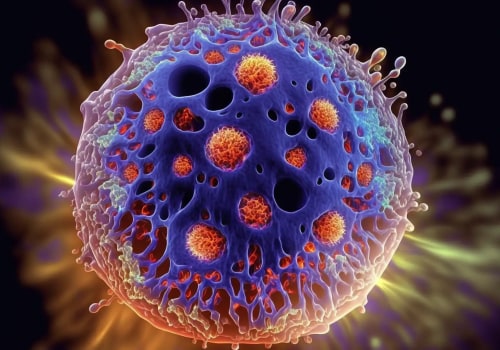
In recent years, the landscape of cancer treatment has been revolutionised by the advent of CAR T-cell therapy, a form of immunotherapy that harnesses the body’s own immune system to combat malignancies. This innovative approach involves the genetic modification of a patient’s T-cells to express chimeric antigen receptors (CARs) that specifically target cancer cells. The significance of CAR T-cell therapy lies in its ability to provide personalised treatment options for patients with certain types of blood cancers, such as acute lymphoblastic leukaemia (ALL) and large B-cell lymphoma, particularly when conventional therapies have failed. As the field of immunotherapy continues to evolve, another promising avenue is emerging: exosomal therapy. Exosomes are small extracellular vesicles that facilitate intercellular communication and play a crucial role in various biological processes, including immune responses.
Recent research has highlighted their potential in cancer treatment, as they can be engineered to deliver therapeutic agents directly to tumour cells or modulate the immune response against cancer. This novel approach complements CAR T-cell therapy by potentially enhancing its efficacy and reducing side effects. The approval of CAR T-cell therapies by the FDA marks a significant milestone in oncology, offering hope to patients with limited treatment options. However, the journey does not end here; ongoing studies are exploring how exosomal therapy can be integrated with existing treatments to improve patient outcomes further. Understanding these advancements is essential for both healthcare professionals and patients alike, as they represent a shift towards more targeted and effective cancer therapies.
What is CAR T-Cell Therapy?
CAR T-cell therapy
represents a groundbreaking approach in the field of
immunotherapy
, harnessing the body’s own immune system to combat cancer.
This innovative treatment involves the genetic modification of a patient’s T-cells, which are a type of white blood cell crucial for immune responses. The process begins with the collection of T-cells from the patient’s blood through a procedure known as leukapheresis.Once collected, these T-cells are genetically engineered in a laboratory to express a chimeric antigen receptor (CAR). This receptor is designed to specifically target and bind to antigens present on the surface of cancer cells. The most common targets for CAR T-cell therapies include CD19, which is found on many B-cell malignancies, and BCMA, which is associated with multiple myeloma.After the T-cells are modified, they are expanded in number and then infused back into the patient. . This receptor is designed to specifically target and bind to antigens present on the surface of cancer cells. The most common targets for CAR T-cell therapies include CD19, which is found on many B-cell malignancies, and BCMA, which is associated with multiple myeloma.After the T-cells are modified, they are expanded in number and then infused back into the patient.
This infusion allows the CAR T-cells to proliferate and seek out cancer cells throughout the body. Upon encountering cells that express the targeted antigen, the CAR T-cells activate and initiate a potent immune response, effectively destroying the cancerous cells.The mechanism of action of CAR T-cell therapy can be summarised in several key steps:
- T-cell Collection: Blood is drawn from the patient to isolate T-cells.
- Genetic Modification: The isolated T-cells are engineered to express CARs that target specific cancer antigens.
- Cell Expansion: The modified T-cells are multiplied in the lab to create a sufficient quantity for treatment.
- Infusion: The expanded CAR T-cells are infused back into the patient’s bloodstream.
- Cancer Cell Targeting: The CAR T-cells identify and attack cancer cells expressing the targeted antigen.
As research continues, there is hope for expanding its applications beyond blood cancers to solid tumours and other malignancies, potentially transforming outcomes for many patients.
FDA-Approved CAR T-Cell Therapies
Chimeric Antigen Receptor (CAR) T-cell therapies have revolutionised the treatment landscape for certain haematological malignancies. The FDA has approved several CAR T-cell therapies, each targeting specific types of cancers and offering new hope to patients who have exhausted other treatment options. Below is a comprehensive list of these therapies, along with their approved indications.- Axi-cel (Yescarta)
- Indications: Approved for the treatment of adult patients with relapsed or refractory large B-cell lymphoma (LBCL) after two or more lines of systemic therapy.
- Tisa-cel (Kymriah)
- Indications: Approved for adult patients with relapsed or refractory LBCL after two or more lines of systemic therapy, as well as for paediatric and young adult patients (up to 25 years) with B-cell acute lymphoblastic leukaemia (ALL).
- Breyanzi (lisocabtagene maraleucel)
- Indications: Approved for adult patients with relapsed or refractory LBCL after two or more lines of systemic therapy, including those with diffuse large B-cell lymphoma (DLBCL), high-grade B-cell lymphoma, and primary mediastinal B-cell lymphoma.
- Cilta-cel (ciltacabtagene autoleucel)
- Indications: Approved for the treatment of adult patients with relapsed or refractory multiple myeloma after four or more prior lines of therapy, including a proteasome inhibitor and an immunomodulatory agent.
As research continues, further innovations in CAR T-cell technology may lead to additional approvals and expanded indications, offering hope to an even broader range of patients.
The Role of Exosomal Therapy in Cancer Treatment
Exosomal therapy is an innovative approach in the realm of cancer treatment, leveraging the natural properties of exosomes to enhance therapeutic outcomes. Exosomes are small extracellular vesicles, typically ranging from 30 to 150 nanometers in diameter, that are secreted by various cell types, including cancer cells. These vesicles play a crucial role in intercellular communication by transporting proteins, lipids, and nucleic acids between cells, thereby influencing the behaviour of recipient cells.In the context of cancer, exosomes can carry oncogenic factors that promote tumour growth and metastasis. However, they also hold significant potential for therapeutic applications.By harnessing the properties of exosomes, researchers are exploring their use as vehicles for targeted drug delivery, enabling more precise treatment strategies that minimise damage to healthy tissues.One of the primary benefits of exosomal therapy is its ability to enhance the efficacy of existing treatments, such as CAR T-cell therapies. CAR T-cell therapy has shown remarkable success in treating certain blood cancers; however, its effectiveness can be limited by factors such as tumour heterogeneity and immune evasion. Exosomes can be engineered to carry specific antigens or therapeutic agents that can stimulate a more robust immune response against cancer cells.Moreover, exosomes can facilitate communication between CAR T cells and tumour cells, potentially improving the persistence and activity of these modified T cells within the tumour microenvironment. This synergy may lead to enhanced anti-tumour responses and better patient outcomes.Additionally, exosomal therapy offers several advantages:
- Biocompatibility: As naturally occurring entities in the body, exosomes are generally well-tolerated and exhibit low immunogenicity.
- Targeted Delivery: Exosomes can be engineered to target specific cell types or tissues, allowing for more focused treatment with reduced side effects.
- Stability: Exosomes are stable in circulation and can protect their cargo from degradation, ensuring that therapeutic agents reach their intended targets effectively.
By integrating this approach with established therapies like CAR T-cell treatments, there is potential for improved efficacy and patient outcomes in the fight against cancer.
Comparing CAR T-Cell Therapy and Exosomal Therapy
In the evolving landscape of cancer treatment, CAR T-cell therapy and exosomal therapy represent two innovative approaches that harness the body's immune system to combat malignancies. While both therapies aim to enhance the immune response against cancer, they operate through distinct mechanisms and offer different benefits and challenges.Mechanisms of Action
- CAR T-Cell Therapy: This therapy involves the genetic modification of a patient’s T cells to express chimeric antigen receptors (CARs) that specifically target cancer cells. Once these modified T cells are reintroduced into the patient’s body, they can identify and destroy cancer cells expressing the targeted antigens, such as CD19 in certain leukemias and lymphomas.
- Exosomal Therapy: In contrast, exosomal therapy utilises exosomes—small vesicles secreted by cells that carry proteins, lipids, and RNA. These exosomes can modulate immune responses by transferring bioactive molecules to recipient cells, potentially enhancing anti-tumour immunity or inhibiting cancer progression.
Effectiveness Comparison
The effectiveness of CAR T-cell therapy has been well-documented in clinical trials, particularly for hematological malignancies.
Patients often experience significant remission rates; however, this therapy is not without its drawbacks, including severe side effects such as cytokine release syndrome (CRS) and neurotoxicity.Exosomal therapy is still under investigation but shows promise in preclinical studies. Its ability to modulate immune responses without directly killing cells may lead to fewer immediate side effects compared to CAR T-cell therapy. However, the long-term effectiveness and safety profile of exosomal therapy remain to be fully established.
Potential Side Effects
- CAR T-Cell Therapy: Common side effects include fever, fatigue, and more severe reactions like CRS and neurological issues. These can require intensive monitoring and management.
- Exosomal Therapy: As a newer approach, exosomal therapy may present a different side effect profile.
Initial studies suggest it could be less toxic than CAR T-cell therapy; however, comprehensive data on adverse effects is still limited.
Challenges and Limitations of CAR T-Cell Therapies
While CAR T-cell therapies have revolutionised the treatment landscape for certain blood cancers, they are not without their challenges and limitations. Understanding these issues is crucial for both patients and healthcare providers as they navigate treatment options.1.Side Effects and Toxicities
- Cytokine Release Syndrome (CRS): One of the most significant side effects associated with CAR T-cell therapy is CRS, a systemic inflammatory response that can occur when the engineered T cells become activated. Symptoms can range from mild flu-like symptoms to severe complications, including high fever, hypotension, and multi-organ failure.
- Neurological Toxicities: Patients may experience neurological side effects such as confusion, seizures, or even encephalopathy.
These effects can be severe and may require intensive monitoring and management.
- Infections: The immunosuppressive nature of CAR T-cell therapy can increase the risk of infections. Patients must be closely monitored for signs of infection both during and after treatment.
- Secondary Malignancies: There is a potential risk of developing secondary cancers following CAR T-cell therapy, particularly in patients who have undergone multiple lines of treatment.
2.Limited Efficacy in Certain Populations
While CAR T-cell therapies have shown remarkable success in treating specific types of leukaemia and lymphoma, their efficacy can be limited in other patient populations. For instance, patients with heavily pre-treated disease or those with certain genetic mutations may not respond as well to these therapies. Additionally, the presence of tumour microenvironments that suppress T-cell activity can hinder the effectiveness of CAR T-cell therapies.
3.Manufacturing Challenges
The process of creating CAR T-cells is complex and time-consuming.
It involves collecting a patient's T cells, genetically modifying them, and then expanding them in a laboratory before reintroducing them into the patient. This lengthy process can lead to delays in treatment initiation, which may not be ideal for patients with rapidly progressing diseases.
4.Cost and Accessibility
The financial burden associated with CAR T-cell therapies is another significant limitation. The high cost of treatment, coupled with the need for specialised facilities and trained personnel, can restrict access for many patients. Ongoing research into more cost-effective solutions is essential to improve accessibility.In conclusion, while CAR T-cell therapies represent a groundbreaking advancement in cancer treatment, it is vital to address their challenges and limitations through continued research and innovation.
By understanding these factors, healthcare providers can better manage patient expectations and improve overall treatment outcomes.
Future Directions in CAR T-Cell and Exosomal Therapies
The landscape of cancer treatment is rapidly evolving, particularly with the advancements in CAR T-cell therapy and exosomal therapy. As researchers continue to explore the potential of these innovative treatments, several future directions are emerging that could significantly enhance their efficacy and broaden their applications.Advancements in CAR T-Cell Therapy
- Targeting Multiple Antigens: One promising direction is the development of CAR T-cell therapies that target multiple antigens simultaneously. This approach aims to overcome the limitations of single-target therapies, which can lead to antigen escape and treatment resistance. By engineering CAR T cells to recognize various cancer markers, researchers hope to improve treatment outcomes for patients with heterogeneous tumours.
- Improved Safety Profiles: Another critical area of focus is enhancing the safety of CAR T-cell therapies.
Researchers are investigating the incorporation of suicide genes into CAR T cells, allowing for the controlled elimination of these cells in case of severe adverse reactions. This strategy could mitigate risks associated with cytokine release syndrome (CRS) and neurotoxicity, making CAR T-cell therapy safer for a broader patient population.
- Combination Therapies: The future of CAR T-cell therapy may also lie in combination treatments. By pairing CAR T-cell therapy with other modalities such as checkpoint inhibitors or targeted therapies, researchers aim to create synergistic effects that enhance anti-tumour responses while reducing the likelihood of relapse.
Innovations in Exosomal Therapy
- Exosome Engineering: Exosomes, which are nanoscale vesicles secreted by cells, hold great promise in cancer therapy due to their ability to facilitate intercellular communication. Future research is likely to focus on engineering exosomes to carry therapeutic agents or RNA molecules that can specifically target cancer cells, thereby enhancing treatment precision.
- Biomarker Discovery: Exosomes can also serve as valuable sources for biomarkers.
Ongoing studies aim to identify specific exosomal markers associated with different cancer types, which could lead to earlier diagnosis and more tailored treatment strategies.
- Clinical Applications: As understanding of exosomal biology deepens, clinical applications are expected to expand. Researchers are exploring the use of exosomes for drug delivery systems, potentially revolutionising how therapies are administered and improving patient outcomes.
Frequently Asked Questions about CAR T-Cell and Exosomal Therapies
As patients and caregivers explore treatment options, particularly in the realm of CAR T-cell and exosomal therapies, numerous questions often arise.Below are some frequently asked questions that can help clarify these innovative treatments.
What is CAR T-cell therapy?
CAR T-cell therapy
is a form of immunotherapy that harnesses the body’s own immune system to fight cancer. It involves modifying a patient’s T-cells to express a chimeric antigen receptor (CAR) that targets specific cancer cells. This therapy has shown remarkable success in treating certain types of blood cancers, such as acute lymphoblastic leukaemia (ALL) and large B-cell lymphoma.
How does exosomal therapy differ from CAR T-cell therapy?
Exosomal therapy
utilises exosomes—small vesicles released by cells that carry proteins, lipids, and genetic material. Unlike CAR T-cell therapy, which directly modifies T-cells, exosomal therapy aims to enhance the body’s natural immune response or deliver therapeutic agents more effectively.
This approach is still under investigation but holds promise for various conditions, including cancer.
What are the potential side effects of CAR T-cell therapy?
While CAR T-cell therapy can be highly effective, it is not without risks. Common side effects include:- Cytokine release syndrome (CRS) : A systemic inflammatory response that can cause fever, fatigue, and nausea.
- Neurological effects : Patients may experience confusion, seizures, or other neurological symptoms.
- Infections : Due to the immunosuppressive nature of the treatment, patients may be at increased risk for infections.
Are there any long-term effects associated with these therapies?
Long-term effects of CAR T-cell therapy are still being studied. Some patients may experience prolonged immune responses or secondary malignancies. Exosomal therapies are also being evaluated for their long-term safety and efficacy.How can I find out if I am a candidate for these therapies?
The best way to determine eligibility for CAR T-cell or exosomal therapies is through consultation with a healthcare provider who specializes in oncology.They will assess your specific condition, treatment history, and overall health to recommend appropriate options.Understanding these therapies can empower patients and caregivers to make informed decisions about their treatment pathways. Always consult with healthcare professionals for personalised advice and support.
Conclusion: The Future of Cancer Treatment with CAR T-Cell and Exosomal Therapies
As we reflect on the advancements in cancer treatment, it is evident that both CAR T-cell therapy and exosomal therapy are at the forefront of a transformative era in oncology. These innovative approaches not only offer hope to patients with previously untreatable conditions but also signify a shift towards more personalised and effective treatment modalities.The success of CAR T-cell therapies, particularly in treating various forms of blood cancers such as acute lymphoblastic leukaemia and diffuse large B-cell lymphoma , underscores the potential of harnessing the body’s immune system to combat malignancies. By genetically modifying a patient’s T cells to target specific cancer antigens, these therapies have demonstrated remarkable efficacy, leading to durable remissions in many cases.However, challenges remain, including managing adverse effects and expanding the applicability of these treatments to solid tumours.On the other hand, exosomal therapy represents a burgeoning field that leverages the natural communication mechanisms of cells. Exosomes, which are small vesicles secreted by cells, play a crucial role in intercellular communication and can be engineered to deliver therapeutic agents directly to cancer cells. This targeted approach not only enhances treatment efficacy but also minimises systemic toxicity, making it a promising avenue for future research.As we look ahead, the integration of CAR T-cell and exosomal therapies could pave the way for synergistic treatment strategies that maximise patient outcomes. Ongoing clinical trials and research initiatives are essential to uncovering the full potential of these therapies, addressing current limitations, and optimising their use across diverse cancer types.In conclusion, the future of cancer treatment lies in the continued exploration and refinement of both CAR T-cell and exosomal therapies.
By embracing these cutting-edge technologies, we can aspire to not only improve survival rates but also enhance the quality of life for patients battling cancer. The journey towards more effective and personalised cancer care is just beginning, and with it comes the promise of hope for countless individuals worldwide.