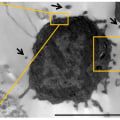
Gene therapy represents a groundbreaking approach in modern medicine, aiming to treat or even cure genetic disorders by directly modifying the genes within an individual's cells. This innovative technique involves the introduction, removal, or alteration of genetic material within a patient's cells to address the underlying causes of diseases. By replacing faulty genes with functional ones, gene therapy has the potential to restore normal function and significantly improve the quality of life for patients suffering from various genetic conditions.One of the most exciting developments in this field is exosomal therapy , which utilises exosomes—tiny vesicles secreted by cells that play a crucial role in intercellular communication. Exosomes can carry proteins, lipids, and nucleic acids, making them ideal candidates for delivering therapeutic agents to target cells.
This method not only enhances the efficacy of gene therapy but also reduces potential side effects associated with traditional delivery systems. As research progresses, exosomal therapy is emerging as a promising avenue for enhancing the delivery and effectiveness of gene therapies.The significance of these advancements is exemplified by Glybera, the first gene therapy approved in Europe. Glybera was developed to treat lipoprotein lipase deficiency (LPLD), a rare genetic disorder that can lead to severe pancreatitis and other complications. By using an adeno-associated viral vector to deliver a functional copy of the LPL gene directly into muscle cells, Glybera offers hope to patients who previously had no effective treatment options.
Its approval marked a pivotal moment in the history of gene therapy, paving the way for future innovations and regulatory advancements in this rapidly evolving field.
Understanding Gene Therapy
Gene therapy represents a revolutionary approach in the field of medicine, aiming to treat or even cure genetic disorders by directly modifying the genes responsible for these conditions. At its core, gene therapy involves the introduction, removal, or alteration of genetic material within a patient's cells to address the underlying causes of disease.Mechanisms of Gene Therapy
The mechanisms through which gene therapy operates can be broadly categorised into several strategies:
- Gene Replacement: This method involves replacing a defective or missing gene with a functional copy. For instance, in conditions like cystic fibrosis, where a faulty gene leads to severe respiratory issues, introducing a healthy version of the gene can restore normal function.
- Gene Editing: Techniques such as CRISPR-Cas9 allow for precise modifications to the DNA sequence. This can involve correcting mutations at specific locations in the genome, thereby rectifying the genetic defect.
- Gene Silencing: In some cases, it may be beneficial to silence or inhibit the expression of a harmful gene.
This approach is particularly relevant in certain cancers where oncogenes drive tumour growth.
- Cell Therapy: This involves modifying cells outside the body and then reintroducing them into the patient. For example, T-cells can be engineered to better target cancer cells.
Types of Gene Therapy
Gene therapy can be classified into two main types based on how the therapeutic genes are delivered:
- In Vivo Gene Therapy: In this approach, therapeutic genes are delivered directly into the patient's body. This method is often used for systemic diseases where targeting specific tissues is challenging.
- Ex Vivo Gene Therapy: Here, cells are extracted from the patient, modified in a laboratory setting, and then returned to the patient. This technique allows for more controlled modifications and is commonly used in treating blood disorders.
As research progresses and technologies advance, we may witness an increasing number of successful applications in clinical settings.
The Emergence of Exosomal Therapy
Exosomal therapy represents a groundbreaking advancement in the field of gene therapy, leveraging the natural properties of exosomes to facilitate targeted treatment strategies. Exosomes are small extracellular vesicles secreted by various cell types, playing a crucial role in intercellular communication. They are composed of a lipid bilayer and contain proteins, lipids, and nucleic acids, which can be transferred between cells, thereby influencing physiological and pathological processes.The definition of exosomal therapy can be summarised as the use of these vesicles to deliver therapeutic agents, including genetic material, to specific cells or tissues. This method capitalises on the inherent ability of exosomes to navigate biological barriers and target recipient cells with high specificity.By encapsulating therapeutic payloads within exosomes, researchers aim to enhance the efficacy and safety of treatments while minimising potential side effects.One of the primary benefits of exosomal therapy is its biocompatibility. Since exosomes are derived from human cells, they are less likely to provoke an immune response compared to synthetic delivery systems. This characteristic makes them particularly appealing for clinical applications. Additionally, exosomes can cross the blood-brain barrier, a significant challenge in treating neurological disorders, thus expanding their potential use in various therapeutic areas.Exosomal therapy has shown promise in several applications:
- Cancer Treatment: Exosomes can be engineered to deliver anti-cancer drugs or RNA molecules that inhibit tumour growth, providing a targeted approach that spares healthy tissues.
- Neurodegenerative Diseases: By delivering neuroprotective factors or genetic material directly to affected neurons, exosomal therapy may offer new avenues for treating conditions like Alzheimer’s and Parkinson’s disease.
- Cardiovascular Disorders: Exosomes derived from stem cells have been shown to promote cardiac repair and regeneration following injury.
- Autoimmune Diseases: Exosomal therapy may help modulate immune responses by delivering immunomodulatory agents to specific immune cells.
Its unique properties not only enhance the delivery of therapeutic agents but also open new pathways for addressing complex diseases that have long eluded conventional treatment strategies. As research continues to evolve, the full potential of exosomal therapy is likely to reshape the landscape of modern medicine.
Glybera: The First Gene Therapy Approved in Europe
Glybera, known scientifically as alipogene tiparvovec, represents a groundbreaking achievement in the field of gene therapy, being the first such treatment to receive approval in Europe. This milestone was reached in November 2012 when the European Medicines Agency (EMA) granted marketing authorization for Glybera, specifically targeting patients suffering from lipoprotein lipase deficiency (LPLD), a rare genetic disorder that can lead to severe pancreatitis and other complications due to the inability to properly metabolise fats.The approval process for Glybera was not without its challenges. Initially, the Advanced Therapies Committee (CAT) of the EMA expressed reservations regarding the therapy's efficacy and safety profile.However, after extensive review and additional data submissions from the manufacturer, the Human Medicines Committee (CHMP) ultimately recommended its approval. This decision marked a significant turning point in regulatory attitudes towards gene therapies, paving the way for future innovations in this rapidly evolving field.Glybera's mechanism of action is particularly fascinating. It employs an adeno-associated viral (AAV) vector to deliver a functional copy of the LPL gene directly into the muscle cells of patients. In individuals with LPLD, mutations in the LPL gene prevent the production of lipoprotein lipase, an enzyme crucial for breaking down triglycerides in the bloodstream.
By introducing a healthy version of this gene, Glybera enables muscle cells to produce lipoprotein lipase, thereby restoring normal lipid metabolism and significantly reducing triglyceride levels.The significance of Glybera extends beyond its clinical application; it serves as a beacon of hope for patients with genetic disorders and highlights the potential of exosomal therapy and other advanced therapeutic modalities. As the first approved gene therapy in Europe, Glybera has set a precedent for future treatments aimed at correcting genetic defects, demonstrating that innovative approaches can lead to tangible benefits for patients with previously untreatable conditions.In conclusion, Glybera's journey from concept to approval illustrates both the promise and complexity of gene therapy. Its successful implementation not only provides a therapeutic option for those affected by LPLD but also encourages ongoing research and development in gene therapies that could transform treatment paradigms for various genetic disorders.
The Regulatory Journey of Glybera
The journey of Glybera through the regulatory landscape of Europe is a compelling narrative that underscores the complexities involved in bringing innovative therapies to market. Glybera, developed to treat lipoprotein lipase deficiency (LPLD), faced numerous regulatory challenges that highlighted the cautious approach of the European Medicines Agency (EMA) towards gene therapies.Initially, Glybera's application for marketing authorisation was met with scrutiny from the EMA's Advanced Therapies Committee (CAT).This committee is tasked with evaluating advanced therapy medicinal products, including gene therapies, and ensuring their safety and efficacy. The CAT's role is crucial, as it provides recommendations that can significantly influence the final decision made by the Human Medicines Committee (CHMP).During the evaluation process, the CAT raised concerns regarding the clinical data supporting Glybera's efficacy. The committee questioned whether the benefits of the therapy outweighed its risks, particularly given that LPLD is a rare condition affecting a small patient population. This led to a protracted review process, where additional data and analyses were requested from the developers to substantiate their claims.Despite these challenges, Glybera eventually received a positive recommendation from the CHMP in 2012, marking a significant milestone as it became the first gene therapy approved for use in Europe.
This approval was not just a victory for the developers but also a pivotal moment for the field of gene therapy as a whole. It demonstrated that, despite initial setbacks and rigorous scrutiny, innovative treatments could navigate through regulatory hurdles.The experience with Glybera has had lasting implications for future gene therapies. It has highlighted the need for clear communication between developers and regulatory bodies throughout the approval process. Furthermore, it has prompted discussions on how to streamline regulatory pathways for similar therapies, ensuring that patients have access to potentially life-saving treatments without compromising safety.In conclusion, Glybera's regulatory journey illustrates both the challenges and triumphs associated with pioneering gene therapies.
The role of the Advanced Therapies Committee was instrumental in shaping this journey, serving as both a gatekeeper and a facilitator in bringing this groundbreaking treatment to patients in need.
Impact and Implications of Glybera's Approval
The approval of Glybera marked a significant milestone in the realm of gene therapy, not only for its innovative approach to treating genetic disorders but also for the broader implications it holds for the future of medical treatments in Europe. As the first gene therapy to receive marketing authorization in the European Union, Glybera has set a precedent that could reshape the landscape of therapeutic development and regulatory frameworks.One of the most profound impacts of Glybera's approval is its potential to inspire further research and investment in gene therapies. The successful launch of Glybera demonstrates that gene therapy can transition from experimental stages to commercially viable products. This success story is likely to encourage pharmaceutical companies and biotech firms to allocate more resources towards developing similar therapies, particularly for rare genetic conditions that have long been neglected due to their limited market potential.Moreover, Glybera's approval has implications for regulatory practices within Europe.The rigorous evaluation process undertaken by the European Medicines Agency (EMA) highlighted both the challenges and opportunities associated with gene therapies. As regulatory bodies gain more experience with these advanced therapies, it is anticipated that they will refine their guidelines and streamline approval processes, making it easier for future gene therapies to enter the market.In addition to influencing research and regulatory practices, Glybera's success may also shift public perception regarding gene therapy. Historically, there has been skepticism surrounding the safety and efficacy of such treatments. However, as more patients experience positive outcomes from approved therapies like Glybera, confidence in gene therapy as a legitimate treatment option is likely to grow.Furthermore, Glybera's approval could pave the way for collaborative efforts between academia, industry, and regulatory agencies.
By fostering partnerships aimed at addressing the complexities of gene therapy development, stakeholders can work together to overcome existing barriers and enhance patient access to innovative treatments.In conclusion, Glybera's landmark approval is not merely a victory for those affected by lipoprotein lipase deficiency; it represents a turning point for the entire field of gene therapy in Europe. As we look towards the future, it is essential to build on this momentum to ensure that gene therapies continue to evolve and expand their reach, ultimately improving health outcomes for patients across a spectrum of genetic disorders.
Comparing Exosomal Therapy and Traditional Gene Therapy Approaches
As the field of gene therapy continues to evolve, a critical comparison emerges between traditional gene therapy methods and the innovative approach of exosomal therapy. Understanding the distinctions between these two modalities is essential for grasping their respective roles in treating genetic disorders.Traditional Gene Therapy
has long been a cornerstone in the treatment of genetic diseases. This method typically involves the direct delivery of therapeutic genes into a patient's cells using vectors, such as viral particles.
The primary goal is to replace or repair defective genes responsible for disease development. However, traditional gene therapy is not without its limitations:
- Immunogenicity: The use of viral vectors can provoke immune responses, potentially leading to adverse effects and limiting the effectiveness of the treatment.
- Delivery Challenges: Achieving efficient and targeted delivery of therapeutic genes to specific tissues remains a significant hurdle, often resulting in suboptimal treatment outcomes.
- Safety Concerns: There are risks associated with insertional mutagenesis, where the integration of therapeutic genes disrupts normal cellular functions, potentially leading to cancer or other complications.
- Reduced Immunogenicity: Since exosomes are derived from the patient’s own cells, they are less likely to elicit an immune response, enhancing their safety profile.
- Enhanced Delivery: Exosomes can efficiently deliver their cargo to target cells and tissues, improving therapeutic efficacy while minimizing off-target effects.
- Biocompatibility: Being naturally occurring entities, exosomes are generally well-tolerated by the body, reducing the risk of adverse reactions.
As research progresses, it is crucial to continue evaluating both traditional gene therapy and exosomal approaches to determine their optimal applications in clinical settings.
Future Directions in Gene and Exosomal Therapies
The landscape of gene therapy and exosomal therapy is rapidly evolving, with significant advancements on the horizon that promise to transform treatment paradigms for various genetic disorders and diseases. As researchers delve deeper into the mechanisms of gene delivery and cellular communication, the future looks promising for both fields.Future Trends in Gene Therapy
- Personalised Medicine: One of the most exciting trends in gene therapy is the shift towards personalised medicine. By tailoring therapies to individual genetic profiles, treatments can be more effective and have fewer side effects. This approach is particularly relevant for conditions like cystic fibrosis and certain types of cancer, where specific genetic mutations can be targeted.
- CRISPR Technology: The advent of CRISPR-Cas9 technology has revolutionised gene editing, allowing for precise modifications to DNA.
Ongoing research aims to refine this technology to enhance its safety and efficacy, potentially leading to breakthroughs in treating genetic disorders that were previously deemed untreatable.
- Combination Therapies: Future gene therapies may increasingly involve combination approaches, where gene therapy is used alongside traditional treatments or other novel therapies. This could enhance overall treatment efficacy and improve patient outcomes.
Advancements in Exosomal Therapy
- Exosome Engineering: Researchers are exploring ways to engineer exosomes to enhance their therapeutic potential. By modifying the surface proteins or loading them with specific cargo, exosomes can be tailored for targeted delivery of drugs or genetic material, improving their effectiveness in treating diseases.
- Diagnostics and Biomarkers: Exosomes are being investigated as potential biomarkers for various diseases. Their presence in bodily fluids can provide insights into disease progression and response to treatment, paving the way for more effective monitoring strategies.
- Clinical Trials: Numerous clinical trials are underway to assess the safety and efficacy of exosomal therapies in treating conditions such as cancer, neurodegenerative diseases, and cardiovascular disorders.
The outcomes of these trials will be crucial in determining the future role of exosomal therapy in clinical practice.
Upcoming Therapies in Europe
As Europe continues to be a hub for innovative medical research, several promising therapies are on the brink of approval. The European Medicines Agency (EMA) is actively reviewing new gene and exosomal therapies that could soon enter the market. These include therapies targeting rare genetic disorders as well as more common conditions like diabetes and heart disease.The integration of advanced technologies such as artificial intelligence in drug development processes is also expected to accelerate the discovery of new therapies. By analysing vast datasets, AI can identify potential therapeutic targets more efficiently than traditional methods.In conclusion, the future of gene and exosomal therapies holds immense potential.
With ongoing research efforts and technological advancements, we are likely to witness a new era of treatments that not only address the underlying causes of diseases but also improve patient quality of life significantly.
Frequently Asked Questions about Glybera and Exosomal Therapy
As the first gene therapy approved in Europe, Glybera has generated significant interest and curiosity. Below are some frequently asked questions that aim to clarify various aspects of Glybera and its relationship with exosomal therapy.What is Glybera?
Glybera is a gene therapy designed to treat lipoprotein lipase deficiency (LPLD), a rare genetic disorder that affects the body’s ability to break down fats. By using an adeno-associated viral vector, Glybera delivers a functional copy of the LPL gene directly into muscle cells, enabling them to produce the enzyme necessary for fat metabolism.How does Glybera work?
The mechanism of action for Glybera involves the introduction of a healthy version of the LPL gene into the patient’s cells. This process helps restore the production of lipoprotein lipase, which is crucial for breaking down triglycerides in the bloodstream.As a result, patients can experience a reduction in fat accumulation and associated complications.
What are exosomes and how do they relate to gene therapy?
Exosomal therapy refers to the use of exosomes—small vesicles secreted by cells—as vehicles for delivering therapeutic agents, including genetic material. Exosomes can facilitate intercellular communication and have been explored as a means to enhance gene therapy by improving the delivery and efficacy of therapeutic genes.Are there any side effects associated with Glybera?
Like any medical treatment, Glybera may have side effects. Commonly reported adverse reactions include injection site reactions, flu-like symptoms, and elevated liver enzymes. It is essential for patients to discuss potential risks with their healthcare provider before starting treatment.Is exosomal therapy a viable alternative to traditional gene therapy?
Exosomal therapy presents exciting possibilities as an alternative or complementary approach to traditional gene therapies like Glybera.Its ability to deliver genetic material more efficiently and with potentially fewer side effects makes it a promising area of research. However, more studies are needed to fully understand its effectiveness and safety.
Can Glybera be used for other genetic disorders?
Currently, Glybera is specifically approved for LPLD. However, the principles behind its development may inspire similar therapies for other genetic disorders. Ongoing research in gene therapy continues to explore new applications and treatments for various conditions.This FAQ section aims to provide clarity on Glybera and exosomal therapy, helping readers navigate these complex topics with greater understanding.Conclusion: The Legacy of Glybera and the Future of Gene Therapy
The approval of Glybera marked a pivotal moment in the landscape of gene therapy, not only within Europe but globally.As the first gene therapy to receive marketing authorization from the European Medicines Agency (EMA), Glybera has set a precedent that could influence the trajectory of future therapies aimed at genetic disorders. This groundbreaking treatment for lipoprotein lipase deficiency (LPLD) has demonstrated the potential of gene therapy to address previously untreatable conditions, offering hope to patients and families affected by rare genetic diseases.Glybera's journey to approval was fraught with challenges, including initial skepticism from regulatory bodies regarding its efficacy and safety. However, its eventual endorsement underscores the importance of rigorous scientific evaluation and the need for adaptive regulatory frameworks that can accommodate innovative therapies. The lessons learned from Glybera's approval process are invaluable; they highlight the necessity for ongoing dialogue between researchers, clinicians, and regulatory authorities to streamline the path for future gene therapies.Moreover, Glybera's success has broader implications for the field of exosomal therapy.
Exosomes, which are small extracellular vesicles involved in intercellular communication, have emerged as promising vehicles for delivering therapeutic agents, including genetic material. The exploration of exosomal therapy could lead to more effective and less invasive treatment options, potentially overcoming some of the limitations associated with traditional gene therapy methods.As we look to the future, it is essential to build on Glybera's legacy by fostering an environment that encourages innovation while ensuring patient safety. The advancements in gene therapy and exosomal technology could revolutionize treatment paradigms across various medical fields, from oncology to neurology. Continued investment in research and development will be crucial in unlocking the full potential of these therapies.In conclusion, Glybera stands as a beacon of hope and a testament to what is possible when science meets determination.
Its approval not only signifies a triumph for those suffering from LPLD but also paves the way for future breakthroughs in gene therapy and exosomal applications. As we advance into this new era of medicine, it is imperative that we remain committed to ethical practices and patient-centric approaches that prioritise safety and efficacy.