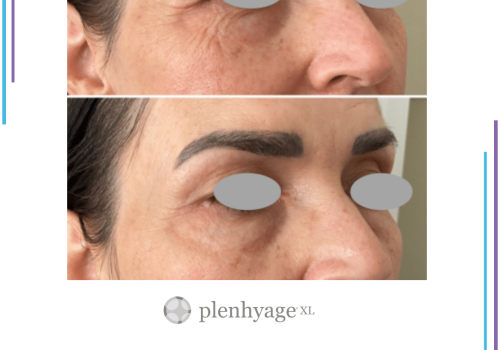
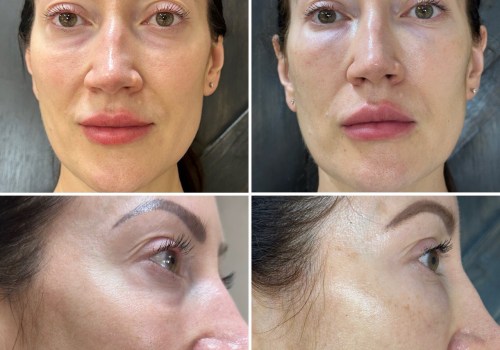
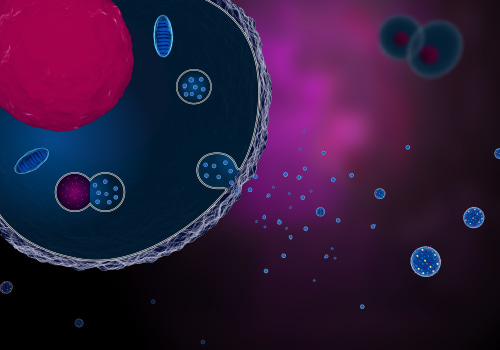
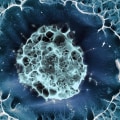
Exosomes are tiny extracellular vesicles that play a crucial role in cellular communication and regeneration. These nano-sized particles are secreted by various cell types and contain a rich cargo of proteins, lipids, and genetic material, which facilitate intercellular communication. In the context of skin health, exosomes are particularly significant as they help to mediate the repair and rejuvenation processes of skin cells. By transferring essential molecules between cells, exosomes can enhance cellular functions, promote healing, and stimulate the production of vital components such as collagen and elastin.The therapeutic potential of exosomes has led to the emergence of exosomal therapy, a cutting-edge approach that harnesses these vesicles for various medical and cosmetic applications.
In recent years, this innovative treatment has gained traction in the field of dermatology, particularly for facial rejuvenation. By utilising exosomes derived from stem cells or other sources, practitioners can deliver concentrated doses of regenerative factors directly to the skin, resulting in improved texture, tone, and overall appearance.One of the most compelling benefits of exosomal therapy is its ability to address multiple signs of aging simultaneously. As we age, our skin undergoes various changes, including decreased collagen production, loss of elasticity, and increased inflammation. Exosomes can counteract these effects by promoting cellular turnover and enhancing the skin's natural healing processes.
This not only leads to a more youthful appearance but also helps to restore the skin's vitality and resilience.Moreover, exosomal therapy is suitable for all skin types and tones, making it an inclusive option for those seeking effective anti-aging solutions. As research continues to unveil the myriad benefits of exosomes in skincare, it is clear that they represent a promising frontier in regenerative medicine, offering hope for individuals looking to rejuvenate their skin safely and effectively.
The Science Behind Exosomal Therapy
Exosomal therapy is rooted in the intricate science of cell communication and regeneration. At the core of this innovative treatment are exosomes, which are nano-sized extracellular vesicles secreted by various cell types. These vesicles play a pivotal role in intercellular communication, facilitating the transfer of proteins, lipids, and genetic material between cells.This process is essential for maintaining cellular homeostasis and promoting tissue repair.When exosomes are introduced into the skin through therapy, they act as powerful mediators of regeneration. They contain a rich cargo of bioactive molecules that can influence the behaviour of surrounding cells. For instance, exosomes derived from stem cells are particularly effective because they carry growth factors and cytokines that stimulate collagen production and enhance cellular proliferation. This mechanism is crucial for combating the visible signs of aging, such as fine lines and uneven skin texture.The mechanism of action for exosomal therapy can be broken down into several key processes:
- Cell Signalling: Exosomes bind to target cells and deliver their molecular contents, triggering specific signalling pathways that promote healing and regeneration.
- Inflammation Reduction: By modulating inflammatory responses, exosomes help to create a more conducive environment for skin repair, reducing redness and irritation.
- Collagen Synthesis: The growth factors within exosomes stimulate fibroblasts to produce collagen, which is vital for maintaining skin elasticity and firmness.
- Cellular Renewal: Exosomes encourage the turnover of damaged skin cells, replacing them with healthier ones, thus improving overall skin appearance.
By harnessing the natural healing properties of exosomes, practitioners can offer patients a non-invasive solution that not only rejuvenates the skin but also enhances its long-term health.In summary, understanding how exosomal therapy works at a cellular level underscores its effectiveness as a treatment option. The ability of exosomes to facilitate communication between cells and promote regeneration makes them a groundbreaking tool in modern skincare.
Key Benefits of Exosomal Therapy for Facial Rejuvenation
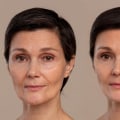
Exosomal therapy has emerged as a revolutionary approach in the realm of facial rejuvenation, offering a multitude of benefits that cater to various skin concerns. This innovative treatment harnesses the power of exosomes—tiny vesicles that facilitate communication between cells—to promote healing and regeneration at a cellular level.One of the most significant advantages of exosomal therapy is its anti-aging effects. As we age, our skin naturally loses elasticity and firmness, leading to the formation of fine lines and wrinkles.Exosomes play a crucial role in stimulating collagen and elastin production, two essential proteins that contribute to skin structure and resilience. By enhancing these proteins' synthesis, exosomal therapy can effectively reduce the appearance of wrinkles, resulting in a more youthful complexion.In addition to combating signs of aging, exosomal therapy is renowned for its ability to improve skin texture and tone. The treatment promotes cellular turnover, which helps to shed dead skin cells and encourages the growth of new, healthy cells. This process not only smooths out rough patches but also diminishes the visibility of pores, leading to a more refined and even skin surface.
Patients often report a noticeable improvement in their skin's overall radiance and clarity following treatment.Moreover, exosomal therapy is particularly effective in addressing issues such as hyperpigmentation and uneven skin tone. By promoting a balanced distribution of melanin, exosomes can help fade dark spots and enhance overall skin luminosity. This makes it an excellent option for individuals seeking to achieve a brighter, more uniform complexion.Another key benefit is the treatment's ability to reduce inflammation. Chronic inflammation can lead to various skin issues, including redness, irritation, and accelerated aging.
Exosomes possess anti-inflammatory properties that help calm irritated skin and promote healing, making them suitable for those with sensitive or reactive skin types.Furthermore, exosomal therapy is minimally invasive with little downtime compared to traditional surgical procedures. Most patients experience only mild redness or swelling post-treatment, allowing them to resume their daily activities almost immediately. This convenience makes it an attractive option for those seeking effective skincare solutions without the lengthy recovery periods associated with more invasive treatments.In summary, the benefits of exosomal therapy for facial rejuvenation are extensive. From its remarkable anti-aging properties to its ability to enhance skin texture and tone while reducing inflammation, this cutting-edge treatment offers a comprehensive solution for individuals looking to revitalise their appearance.
As research continues to unfold in this exciting field, exosomal therapy stands poised to become a cornerstone in modern skincare regimens.
Exosomal Therapy vs. Traditional Treatments
When considering skin rejuvenation options, it is essential to understand the differences between exosomal therapy and traditional treatments such as Platelet-Rich Plasma (PRP) therapy and other conventional skincare methods. Each approach has its unique benefits, but exosomal therapy is rapidly gaining recognition for its superior efficacy and safety profile.Exosomal Therapy vs. PRP
- Source of Regenerative Material: PRP therapy utilises the patient’s own blood, which is processed to concentrate the platelets.
In contrast, exosomal therapy harnesses exosomes derived from stem cells, which are rich in growth factors, proteins, and genetic material that facilitate cellular communication and regeneration.
- Efficacy: Studies have shown that exosomes can promote faster healing and more significant improvements in skin texture and elasticity compared to PRP. For instance, exosomes have been observed to enhance collagen production more effectively, leading to a more youthful appearance.
- Safety: While both treatments are generally safe, exosomal therapy tends to have fewer side effects. PRP can sometimes cause discomfort or bruising at the injection site due to the nature of blood draws and processing. Exosomal therapy typically results in minimal redness or swelling.
Advantages of Exosomes Over Traditional Skincare Treatments
- Non-Invasive Application: Exosomal therapy can be administered topically or through microneedling, allowing for a less invasive approach compared to some traditional treatments that may require injections or surgical procedures.
- Broader Applicability: Unlike many traditional skincare treatments that may not be suitable for all skin types or conditions, exosomal therapy is versatile and can be tailored to various cosmetic needs, making it an inclusive option for diverse patients.
- Long-Lasting Results: Patients often report sustained improvements in skin quality following exosomal therapy.
The regenerative properties of exosomes can lead to prolonged effects compared to some traditional treatments that may require frequent maintenance sessions.
Microneedling with Exosomes: A Powerful Combination
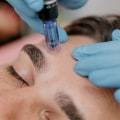
Combining microneedling with exosomal therapy has emerged as a revolutionary approach in the realm of advanced skincare, offering a multitude of benefits that enhance the overall effectiveness of each treatment. This synergistic method not only amplifies the skin's natural healing processes but also significantly boosts collagen production, leading to more youthful and rejuvenated skin.Microneedling, a procedure that involves creating tiny micro-injuries in the skin, serves as a catalyst for the body’s healing response. This process stimulates the production of collagen and elastin, two essential proteins that contribute to skin elasticity and firmness.When microneedling is paired with exosomes—tiny vesicles that facilitate cell communication and regeneration—the results can be transformative.Exosomes are rich in growth factors and proteins that promote cellular repair and regeneration. When applied after microneedling, they penetrate deeply into the skin through the microchannels created by the needles. This not only enhances their absorption but also maximises their regenerative potential. The combination of these two treatments leads to:
- Enhanced Collagen Production: The dual action of microneedling and exosomes significantly increases collagen synthesis, resulting in firmer, plumper skin.
- Improved Skin Texture: Patients often report smoother skin with reduced appearance of fine lines and wrinkles following treatment.
- Accelerated Healing: Exosomes help to speed up recovery time post-microneedling, reducing redness and discomfort while promoting faster healing.
- Long-lasting Results: The effects of this combined treatment can be more enduring compared to microneedling alone, as exosomes continue to work at a cellular level long after the procedure.
As more individuals become aware of the benefits of microneedling with exosomes, it is likely to gain traction as a go-to option for facial rejuvenation. Furthermore, this method is suitable for various skin types and conditions, making it an inclusive choice for anyone looking to enhance their skincare regimen.In conclusion, integrating exosomal therapy with microneedling not only optimises treatment outcomes but also represents a significant advancement in non-surgical skincare solutions. As research continues to evolve in this field, we can expect even more innovative applications that harness the power of exosomes for enhanced skin health.
Potential Side Effects and Considerations
As with any medical or cosmetic treatment, exosomal therapy comes with its own set of potential side effects and safety considerations that patients should be aware of before undergoing the procedure. Understanding these factors is crucial for making an informed decision and ensuring a positive experience.Generally, exosomal therapy is considered safe, especially when performed by qualified professionals.However, some individuals may experience mild side effects, which can include:
- Redness: Temporary redness at the treatment site is common and usually subsides within a few hours to a couple of days.
- Swelling: Some patients may notice slight swelling in the treated area, which typically resolves quickly.
- Discomfort: A mild sensation of discomfort or tightness may occur post-treatment but is generally manageable.
- Bruising: In rare cases, bruising can occur, particularly if injections are involved.
- Skin Sensitivity: Individuals with sensitive skin or a history of allergic reactions should approach exosomal therapy with caution.
- Autoimmune Disorders: Those with autoimmune conditions may need to consult their healthcare provider to assess the suitability of exosomal therapy for their specific situation.
- Medications: Inform your practitioner about any medications you are taking, as some may interfere with the healing process or increase the risk of adverse effects.
Engaging in open communication with your healthcare provider will help ensure that you receive the best possible care tailored to your needs.
Who Can Benefit from Exosomal Therapy?
Exosomal therapy has emerged as a revolutionary treatment option for various skin concerns, but not everyone may be an ideal candidate. Understanding who can benefit from this innovative therapy is crucial for achieving optimal results.1.Candidates for Exosomal Therapy
- Individuals with Signs of Ageing: Those experiencing fine lines, wrinkles, and loss of skin elasticity can significantly benefit from exosomal therapy. The treatment promotes collagen production and skin rejuvenation, making it an excellent choice for anti-aging.
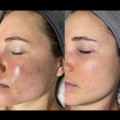
- People with Acne Scarring: Exosomes can aid in the healing process of acne scars by promoting cell regeneration and improving skin texture. This makes it a suitable option for individuals looking to reduce the appearance of scars.
- Patients with Dull or Uneven Skin Tone: If you struggle with pigmentation issues or uneven skin tone, exosomal therapy can help enhance your complexion by promoting cell turnover and improving overall skin radiance.
- Those with Chronic Skin Conditions: Individuals suffering from conditions such as eczema or psoriasis may find relief through exosomal therapy, as it helps reduce inflammation and promotes healing.
2.Skin Types Suitable for Treatment
One of the most appealing aspects of exosomal therapy is its versatility across different skin types.
Whether you have oily, dry, combination, or sensitive skin, this treatment can be tailored to meet your specific needs. Unlike some other treatments that may cause irritation or adverse reactions in sensitive skin types, exosomal therapy is generally well-tolerated.
3.Age Considerations
While exosomal therapy is suitable for a wide range of ages, it is particularly beneficial for adults aged 30 and above. This age group often begins to notice the first signs of ageing and may seek effective solutions to maintain youthful skin. However, younger individuals dealing with specific skin issues like acne scars or uneven texture can also benefit from this treatment.In conclusion, exosomal therapy offers a promising solution for various skin concerns across different age groups and skin types.
If you are considering this treatment, consulting with a qualified professional can help determine if you are an ideal candidate based on your unique skin needs and goals.
Maintaining Results: Post-Treatment Care Tips
After undergoing exosomal therapy, maintaining the results is crucial for achieving long-lasting benefits. The skin requires proper care to ensure that the rejuvenating effects of the treatment are preserved. Here are some essential post-treatment care tips to help you maximise your results:- Gentle Cleansing: In the days following your treatment, opt for a gentle, hydrating cleanser. Avoid harsh exfoliants or scrubs that can irritate the skin.
Cleanse your face twice daily to remove impurities without stripping away natural oils.
- Moisturisation: Keeping your skin well-hydrated is vital. Use a high-quality moisturiser that suits your skin type. Look for products containing hyaluronic acid or ceramides, which help to lock in moisture and support the skin barrier.
- Sun Protection: Protecting your skin from UV damage is essential after exosomal therapy. Apply a broad-spectrum sunscreen with at least SPF 30 daily, even on cloudy days.
Reapply every two hours if you are outdoors, and consider wearing a wide-brimmed hat for added protection.
- Avoid Heat and Sweat: For at least 48 hours post-treatment, avoid activities that cause excessive sweating or heat exposure, such as hot yoga, saunas, or intense workouts. This helps prevent irritation and allows your skin to heal properly.
- Limit Makeup Use: It’s advisable to refrain from wearing makeup for a few days after your treatment. If you must wear makeup, choose non-comedogenic products and ensure they are free from harsh chemicals.
- Follow-Up Treatments: To maintain optimal results, consider scheduling regular follow-up sessions as recommended by your skincare professional. These can help sustain the benefits of exosomal therapy over time.
If you experience any unusual reactions or prolonged discomfort, consult with your skincare provider promptly. By adhering to these post-treatment care guidelines, you can enhance the longevity of your results and enjoy a more radiant complexion.
Future of Exosomal Therapy in Aesthetic Medicine
The landscape of aesthetic medicine is rapidly evolving, and exosomal therapy stands at the forefront of this transformation. As research continues to unveil the myriad benefits of exosomes, their application in skincare is becoming increasingly sophisticated. The future of exosomal therapy promises not only enhanced efficacy but also broader accessibility for patients seeking rejuvenation and repair.One of the most exciting trends in exosomal therapy is the integration of advanced delivery systems.Researchers are exploring innovative methods to enhance the penetration and absorption of exosomes into the skin. For instance, combining exosomes with nanotechnology could lead to more effective formulations that ensure deeper skin penetration, thereby maximising their regenerative potential. This could result in treatments that are not only more effective but also require fewer sessions to achieve desired outcomes.Moreover, ongoing studies are investigating the specific mechanisms through which exosomes exert their effects on skin cells. Understanding these pathways will enable practitioners to tailor treatments more precisely to individual patient needs, potentially leading to personalised skincare regimens that optimise results.
This level of customisation could revolutionise how we approach anti-aging treatments, making them more effective and targeted.In addition to advancements in delivery methods and personalised treatments, there is a growing body of research focused on the long-term effects of exosomal therapy. Clinical trials are underway to assess not only the immediate benefits but also the sustainability of results over time. This research is crucial for establishing protocols that ensure patients receive lasting improvements in skin texture, tone, and overall appearance.Furthermore, as awareness of exosomal therapy grows, we can expect an increase in its integration with other aesthetic procedures. Combining exosomes with established treatments such as laser therapy or chemical peels may enhance overall outcomes, providing synergistic effects that amplify skin rejuvenation.
This holistic approach could redefine aesthetic practices, offering patients comprehensive solutions for their skincare concerns.In conclusion, the future of exosomal therapy in aesthetic medicine is bright and full of potential. With ongoing research paving the way for innovative applications and improved treatment protocols, patients can look forward to a new era of skincare that harnesses the power of exosomes for unparalleled rejuvenation and healing.
Conclusion: Embracing Exosomal Therapy for Radiant Skin
In conclusion, exosomal therapy represents a groundbreaking advancement in the realm of facial rejuvenation, offering a multitude of benefits that cater to various skin concerns. As we have explored throughout this article, the regenerative properties of exosomes play a pivotal role in enhancing skin health and appearance.One of the most significant advantages of exosomal therapy is its ability to stimulate collagen production , which is essential for maintaining skin elasticity and firmness. By promoting the natural healing processes of the skin, exosomes help to reduce the visibility of fine lines and wrinkles, resulting in a more youthful complexion.Moreover, exosomal therapy aids in improving overall skin texture and tone.The application of exosomes can lead to smoother, more even-toned skin, making it an ideal treatment for individuals seeking to address issues such as uneven pigmentation or rough texture. This is particularly beneficial for those who have experienced sun damage or other environmental factors that contribute to skin aging.Another noteworthy aspect is the minimal downtime associated with exosomal treatments. Unlike more invasive procedures, patients can often return to their daily activities shortly after treatment, making it a convenient option for those with busy lifestyles. The side effects are generally mild, typically limited to slight redness or discomfort at the treatment site.Furthermore, exosomal therapy is versatile and can be combined with other aesthetic treatments to enhance results.
Whether used alongside microneedling or other rejuvenation techniques, exosomes can amplify the effectiveness of these procedures, providing patients with comprehensive care tailored to their unique needs.As research continues to unfold in this exciting field, it is clear that exosomal therapy holds great promise for anyone looking to achieve radiant and youthful skin. By embracing this innovative treatment, individuals can take proactive steps towards enhancing their skin's health and vitality.In summary, if you are considering options for facial rejuvenation, exosomal therapy should undoubtedly be on your radar. With its proven benefits and growing accessibility, it offers a safe and effective pathway to achieving the luminous skin you desire.