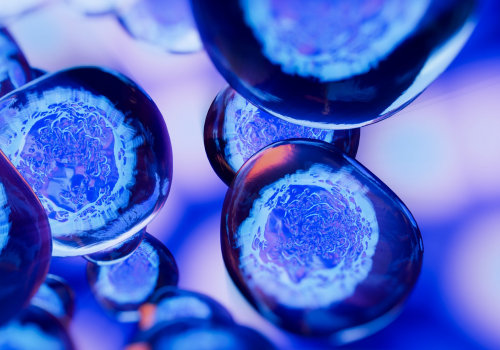
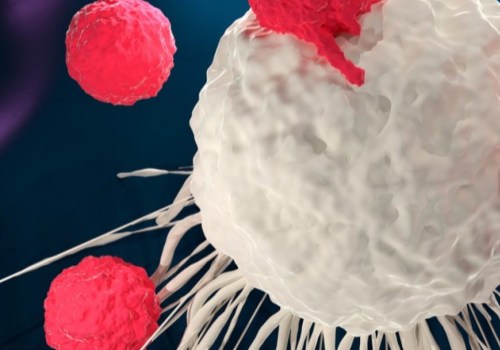
Exosomes are small extracellular vesicles, typically ranging from 30 to 150 nanometres in diameter, that play a crucial role in intercellular communication. These lipid bilayer-enclosed particles are secreted by various cell types and contain a diverse array of biomolecules, including proteins, lipids, and nucleic acids. Their unique composition reflects the physiological state of their parent cells, making them valuable indicators of cellular health and disease. As such, exosomes have garnered significant attention in the fields of Exosomes are small extracellular vesicles, typically ranging from 30 to 150 nanometres in diameter, that play a crucial role in intercellular communication. These lipid bilayer-enclosed particles are secreted by various cell types and contain a diverse array of biomolecules, including proteins, lipids, and nucleic acids. Their unique composition reflects the physiological state of their parent cells, making them valuable indicators of cellular health and disease. As such, exosomes have garnered significant attention in the fields of disease detection and disease treatment, particularly in the context of exosomal therapy.The significance of exosomes extends beyond mere cellular communication; they are emerging as pivotal players in the pathogenesis of various diseases, including cancer, neurodegenerative disorders, and cardiovascular diseases.
By transferring molecular signals between cells, exosomes can influence processes such as inflammation, immune response, and tissue repair. This ability to modulate cellular behaviour positions exosomes as potential therapeutic agents that can be harnessed for targeted drug delivery and regenerative medicine.Moreover, the non-invasive nature of exosome isolation from bodily fluids such as blood, urine, and saliva presents a promising avenue for early disease diagnosis. The presence of specific biomarkers within exosomes can provide insights into disease progression and response to treatment, paving the way for personalised medicine approaches. As research continues to unveil the complexities of exosomal biology, the potential applications of exosomal therapy in clinical settings are becoming increasingly apparent.In this article, we will delve deeper into the fascinating world of exosomes, exploring their biogenesis, functional roles in disease mechanisms, and the latest advancements in therapeutic applications.
By understanding the multifaceted nature of exosomes, we can better appreciate their potential to revolutionise disease detection and treatment strategies.
Understanding Exosomes: Structure and Function
Exosomes are a fascinating class of extracellular vesicles that play a pivotal role in intercellular communication. These nanoscale particles, typically ranging from 30 to 150 nanometres in diameter, are secreted by various cell types and are involved in numerous physiological and pathological processes. Understanding their structure and function is essential for appreciating their potential in therapeutic applications, including exosomal therapy.Structure of Exosomes
- Size: Exosomes are significantly smaller than other extracellular vesicles, such as microvesicles and apoptotic bodies. Their small size allows them to easily navigate through biological fluids, facilitating their role in cellular communication.
- Composition: The composition of exosomes is highly heterogeneous and reflects the cellular origin from which they are derived.
They contain a variety of biomolecules, including:
- Proteins: Exosomes carry proteins that are involved in various cellular functions, including membrane transport, signal transduction, and immune responses.
- Lipids: The lipid bilayer of exosomes is rich in specific lipid species that contribute to their stability and functionality.
- Nucleic Acids: Exosomes encapsulate various forms of RNA, including mRNA and microRNA, which can influence gene expression in recipient cells.
Biogenesis of Exosomes
The formation of exosomes begins with the inward budding of the plasma membrane, leading to the creation of multivesicular bodies (MVBs). These MVBs contain intraluminal vesicles (ILVs) that eventually become exosomes when MVBs fuse with the plasma membrane and release their contents into the extracellular space. This biogenesis process is tightly regulated and involves various molecular mechanisms, including:
- Endosomal Sorting Complex Required for Transport (ESCRT): This complex plays a crucial role in the sorting of proteins into ILVs during exosome formation.
- Sphingolipid Metabolism: Sphingolipids are essential for the membrane dynamics and stability of exosomes.
As research continues to uncover the complexities of exosome biology, their potential as therapeutic agents becomes increasingly evident.
The Role of Exosomes in Disease Progression
Exosomes play a pivotal role in the progression of various diseases, particularly in the realms of cancer and neurodegenerative diseases. These small extracellular vesicles serve as crucial mediators of intercellular communication, influencing the behaviour and fate of recipient cells. Their ability to carry a diverse array of biomolecules, including proteins, lipids, and nucleic acids, allows them to modulate numerous biological processes that can either promote or inhibit disease progression.Exosomes in Cancer
In the context of cancer, exosomes are increasingly recognised for their role in facilitating tumour growth and metastasis. Tumour-derived exosomes can transfer oncogenic signals to surrounding healthy cells, effectively reprogramming them to support the tumour microenvironment.
For instance, they can induce angiogenesis by delivering pro-angiogenic factors that stimulate blood vessel formation, thereby enhancing nutrient supply to the tumour.Moreover, exosomes can contribute to the development of drug resistance in cancer therapy. By transferring specific proteins and RNAs that confer resistance mechanisms, they enable cancer cells to evade the effects of chemotherapy and targeted therapies. This highlights the need for further research into exosomal content as potential biomarkers for predicting treatment responses and disease outcomes.
Exosomes in Neurodegenerative Diseases
Similarly, in neurodegenerative diseases such as Alzheimer’s and Parkinson’s, exosomes have been implicated in disease progression. They facilitate the spread of pathological proteins, such as amyloid-beta and tau in Alzheimer’s disease, from affected neurons to healthy ones.
This intercellular transfer exacerbates neurodegeneration and cognitive decline.Additionally, exosomes derived from glial cells can influence neuronal health by modulating inflammatory responses within the central nervous system. The content of these exosomes can either promote neuroprotection or contribute to neuroinflammation, depending on their molecular cargo. Understanding these dynamics is crucial for developing therapeutic strategies aimed at halting or reversing neurodegenerative processes.In conclusion, exosomes are not merely by-products of cellular activity; they are active participants in disease progression. Their roles as carriers of molecular information make them valuable targets for therapeutic intervention and diagnostic tools.
Continued exploration into their mechanisms will undoubtedly enhance our understanding of complex diseases and pave the way for innovative treatment approaches.
Exosomal Therapy: Mechanisms and Applications
Exosomal therapy represents a groundbreaking approach in the realm of drug delivery systems, leveraging the natural properties of exosomes to enhance therapeutic efficacy. These nanoscale vesicles, secreted by various cell types, play a pivotal role in intercellular communication and have emerged as promising vehicles for targeted therapies.One of the primary mechanisms by which exosomal therapy operates is through the selective packaging of bioactive molecules. Exosomes can encapsulate proteins, lipids, and nucleic acids, which are crucial for modulating cellular functions. This selective cargo loading allows for the delivery of therapeutic agents directly to target cells, minimising off-target effects and enhancing treatment specificity.Moreover, exosomes possess inherent properties that facilitate their use as drug delivery systems:- Biocompatibility: Being naturally derived from cells, exosomes are generally well-tolerated by the immune system, reducing the risk of adverse reactions.
- Stability: Exosomes exhibit remarkable stability in biological fluids, allowing them to maintain their integrity and functionality during circulation.
- Targeting Capability: The surface proteins on exosomes can be engineered to express specific ligands that bind to receptors on target cells, enhancing the precision of drug delivery.
They have been investigated for their roles in various applications:
- Cancer Therapy: Exosomes can be engineered to deliver chemotherapeutic agents directly to tumour cells, thereby increasing drug concentration at the site of action while reducing systemic toxicity.
- Gene Therapy: Exosomes can transport RNA molecules, including siRNA and mRNA, facilitating gene silencing or expression in target cells.
- Immunotherapy: By loading exosomes with antigens or immune-modulating agents, researchers aim to enhance immune responses against cancer or infectious diseases.
Current Challenges in Exosomal Therapy
Despite the promising potential of exosomal therapy in disease treatment and detection, several significant challenges hinder its widespread application. Addressing these challenges is crucial for advancing the field and unlocking the full therapeutic potential of exosomes.Isolation Methods
One of the primary obstacles in exosomal therapy is the inefficiency of isolation methods. Currently, there is no universally accepted standard for isolating exosomes from biological fluids.Common techniques include ultracentrifugation, precipitation, and size-exclusion chromatography, each with its own limitations:
- Ultracentrifugation: While this method is widely used, it is time-consuming and can lead to the co-isolation of contaminants such as proteins and lipids, which may affect downstream applications.
- Precipitation: This technique is relatively quick but often results in low yields and may not effectively separate exosomes from other extracellular vesicles.
- Size-exclusion chromatography: Although it offers better purity, this method can be expensive and requires specialized equipment.
Characterization Issues
In addition to isolation challenges, the characterization of exosomes presents another significant hurdle. The small size and complex composition of exosomes make it difficult to accurately analyse their content. Key issues include:- Diverse Composition: Exosomes contain a variety of biomolecules, including proteins, lipids, and nucleic acids. The heterogeneity in their composition complicates the identification of specific markers that could facilitate their characterization.
- Lack of Standardized Protocols: There are currently no standardized protocols for characterizing exosomes, leading to variability in results across different studies.
This inconsistency hampers the ability to compare findings and draw reliable conclusions.
- Technological Limitations: While advancements in technologies such as mass spectrometry and next-generation sequencing have improved our understanding of exosomal content, these methods can be costly and require specialized expertise.
Technological Advances in Exosome Research
Recent advancements in technology have significantly enhanced the field of exosome research, particularly in the areas of isolation and characterization. These improvements are crucial for harnessing the therapeutic potential of exosomes, as they allow for more efficient and accurate analysis of these tiny vesicles.Exosome Isolation Techniques
Isolating exosomes from biological fluids is a critical step in studying their properties and functions. Traditional methods such as ultracentrifugation, while effective, can be time-consuming and may yield low quantities of exosomes.Newer techniques have emerged to address these limitations:
- Size-Exclusion Chromatography (SEC): This method separates exosomes based on their size, allowing for a more straightforward purification process. SEC can provide high yields of intact exosomes without the need for harsh conditions that might alter their properties.
- Immunoaffinity Capture: This technique employs antibodies specific to exosomal surface markers, enabling targeted isolation. By using magnetic beads coated with these antibodies, researchers can efficiently capture and purify exosomes from complex biological samples.
- Microfluidic Devices: These innovative platforms utilise small-scale fluid dynamics to isolate exosomes with high precision. Microfluidics can enhance the efficiency of separation processes while minimising sample loss.
Mass Spectrometry in Exosome Research
Mass spectrometry (MS) has revolutionised the analysis of exosomal content, providing detailed insights into their molecular composition.This technique allows for the identification and quantification of proteins, lipids, and nucleic acids within exosomes:
- Proteomics: MS enables comprehensive profiling of proteins present in exosomes, which can reveal biomarkers associated with various diseases. This information is invaluable for developing diagnostic tools and therapeutic strategies.
- Lipidomics: The lipid composition of exosomes can influence their function and interaction with target cells. Mass spectrometry facilitates the analysis of lipid profiles, contributing to our understanding of how these vesicles mediate cellular communication.
- Nucleic Acid Analysis: Exosomes carry RNA molecules that can provide insights into gene expression patterns. MS techniques can be adapted to study these nucleic acids, further expanding our knowledge of exosomal roles in health and disease.
As these technologies continue to evolve, they hold the promise of unlocking new therapeutic avenues and advancing personalised medicine.
Future Directions in Exosomal Therapy Research
The future of exosomal therapy holds immense promise, yet several critical areas require further exploration to fully harness the therapeutic potential of exosomes. As research progresses, it is essential to identify and address the challenges that currently hinder the widespread application of exosomal therapies.One significant direction for future research is the standardisation of exosome isolation techniques. Currently, there is no universally accepted method for isolating exosomes, leading to variability in yield and purity. Developing standard protocols will not only enhance reproducibility but also facilitate comparisons across studies, ultimately accelerating the translation of findings into clinical applications.Another vital area is the characterisation of exosomal content.Understanding the specific proteins, lipids, and nucleic acids present in exosomes derived from various cell types can provide insights into their functional roles and therapeutic applications. Advanced techniques such as mass spectrometry and next-generation sequencing should be further employed to create comprehensive profiles of exosomal cargo.Moreover, investigating the mechanisms of exosome biogenesis and release is crucial. A deeper understanding of how exosomes are formed and secreted can lead to innovative strategies for enhancing their production and targeting capabilities. This knowledge could pave the way for engineered exosomes that are tailored for specific therapeutic purposes.Additionally, exploring the therapeutic applications of exosomes in various diseases , particularly in cancer, neurodegenerative disorders, and cardiovascular diseases, is essential.
Research should focus on how exosomes can be utilised not only as drug delivery vehicles but also as biomarkers for early disease detection and monitoring treatment responses.Finally, addressing the safety and efficacy of exosomal therapies in clinical settings is paramount. Rigorous preclinical and clinical trials are necessary to evaluate potential side effects and long-term outcomes associated with exosome-based treatments. Establishing a clear regulatory framework will also be vital to ensure that these therapies can be safely integrated into standard medical practice.In conclusion, while the potential breakthroughs in exosome studies are promising, a concerted effort towards addressing these research directions will be essential for unlocking the full therapeutic potential of exosomal therapy.
Conclusion: The Promise of Exosomal Therapy in Medicine
In summary, the exploration of exosomal therapy has unveiled a transformative potential in the realms of disease detection and treatment. Throughout this article, we have delved into the multifaceted roles that exosomes play in cellular communication and their implications for various medical conditions.These nano-sized vesicles, which are secreted by cells, serve as carriers of vital biological information, including proteins, lipids, and nucleic acids, making them invaluable in understanding disease mechanisms.One of the most compelling aspects of exosomal therapy is its ability to facilitate targeted drug delivery. Unlike traditional methods that often suffer from systemic side effects and low specificity, exosomes can be engineered to home in on specific cell types, thereby enhancing therapeutic efficacy while minimising adverse reactions. This precision medicine approach not only holds promise for cancer treatment but also extends to neurodegenerative diseases, cardiovascular disorders, and beyond.Moreover, the role of exosomes in early disease detection cannot be overstated. Their presence in bodily fluids such as blood and urine allows for non-invasive diagnostic techniques that could revolutionise how we approach disease screening and monitoring.
By analysing the molecular content of exosomes, clinicians may gain insights into disease states long before traditional symptoms manifest.However, despite these promising advancements, significant challenges remain. The standardisation of isolation techniques and the need for specific biomarkers are critical hurdles that must be addressed to fully realise the potential of exosomal therapy. Continued research is essential to refine these methodologies and enhance our understanding of exosome biology.In conclusion, while we stand on the brink of a new era in medicine driven by exosomal therapy, it is imperative that we invest in further studies to unlock their full capabilities. The future of medicine may very well hinge on our ability to harness these tiny yet powerful vesicles for improved diagnostics and innovative treatments.