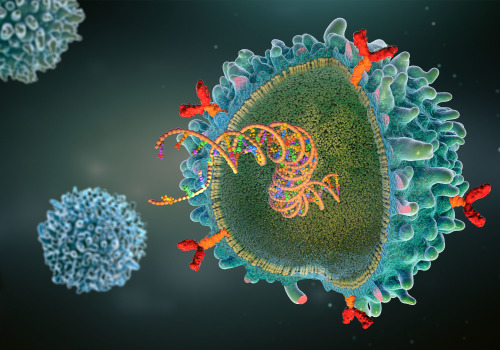
Ribonucleic acid, commonly known as RNA, plays a pivotal role in the biological processes that govern life. Unlike its counterpart, DNA, which is structured as a double helix composed of two intertwined polynucleotide strands, RNA is primarily a single-stranded molecule. This unique structure allows RNA to perform a variety of functions within the cell, including acting as a messenger that conveys genetic information from DNA to the ribosomes, where proteins are synthesized. The simplicity of its single polynucleotide chain belies the complexity of its roles in cellular mechanisms.RNA is composed of ribonucleotides linked together by phosphodiester bonds, forming a backbone that supports various nitrogenous bases such as adenine, guanine, cytosine, and uracil.
This composition not only distinguishes RNA from DNA but also enables it to fold into intricate three-dimensional shapes that are crucial for its functionality. The versatility of RNA extends beyond mere information transfer; it is involved in regulatory processes and catalysis, exemplified by ribozymes—RNA molecules that can catalyse biochemical reactions.In recent years, the exploration of RNA's potential in therapeutic applications has gained momentum, particularly in the realm of exosomal therapy. Exosomes are small extracellular vesicles that facilitate intercellular communication and transport biomolecules, including RNA. Understanding the structure and function of RNA is essential for harnessing its capabilities in exosomal therapy, which holds promise for treating various diseases by delivering therapeutic RNA molecules directly to target cells.
This innovative approach underscores the significance of RNA not only as a fundamental component of life but also as a key player in advancing medical science.
What is RNA?
Ribonucleic acid, commonly known as RNA, is a vital macromolecule found in all living cells. It plays a crucial role in various biological processes, primarily in the synthesis of proteins. Unlike its counterpart, deoxyribonucleic acid (DNA), which is structured as a double helix, RNA is typically single-stranded and consists of a chain of ribonucleotides. Each ribonucleotide is composed of a ribose sugar, a phosphate group, and one of four nitrogenous bases: adenine (A), guanine (G), cytosine (C), or uracil (U).RNA can be classified into several types, each serving distinct functions within the cell:- Messenger RNA (mRNA): This type of RNA serves as the intermediary between DNA and protein synthesis.
It is synthesized during transcription, where a specific segment of DNA is copied into mRNA. The mRNA carries the genetic information from the nucleus to the ribosomes, where proteins are assembled.
- Transfer RNA (tRNA): tRNA plays a critical role in translating the genetic code carried by mRNA into proteins. Each tRNA molecule is linked to a specific amino acid and has an anticodon that pairs with the corresponding codon on the mRNA strand during protein synthesis.
- Ribosomal RNA (rRNA): rRNA is a key component of ribosomes, the cellular machinery responsible for protein synthesis. It helps to catalyse the formation of peptide bonds between amino acids and ensures proper alignment of mRNA and tRNA during translation.
The diverse functions of RNA highlight its importance not only in protein synthesis but also in regulating various cellular processes.Understanding the structure and function of RNA is essential for grasping how genetic information is expressed and regulated within cells. This knowledge lays the groundwork for advancements in fields such as exosomal therapy, where RNA molecules can be harnessed for therapeutic purposes, including gene editing and targeted drug delivery.
The Structure of RNA: A Focus on Polynucleotide Strands
Ribonucleic acid, commonly known as RNA, is a vital macromolecule that plays a crucial role in various biological processes, including protein synthesis and gene regulation. Unlike its counterpart, deoxyribonucleic acid (DNA), which is structured as a double helix comprising two intertwined polynucleotide strands, RNA is characterised by its single-stranded structure. This fundamental difference in structure is pivotal to the diverse functions that RNA performs within the cell.At its core, RNA is composed of a long chain of ribonucleotides , which are the building blocks of this molecule.Each ribonucleotide consists of three main components:
- A phosphate group - This component links the ribonucleotides together through phosphodiester bonds, forming the backbone of the RNA strand.
- A ribose sugar - The sugar in RNA is ribose, which differs from the deoxyribose found in DNA. This difference contributes to the overall stability and reactivity of RNA.
- A nitrogenous base - RNA contains four types of nitrogenous bases: adenine (A), guanine (G), cytosine (C), and uracil (U). Notably, uracil replaces thymine (T), which is present in DNA.
For instance, transfer RNA (tRNA) and ribosomal RNA (rRNA) exhibit intricate structures that enable them to participate effectively in protein synthesis.Moreover, the single-stranded configuration of RNA allows it to engage in a variety of interactions with other molecules, facilitating processes such as gene expression and regulation. This flexibility is particularly important in exosomal therapy, where RNA molecules can be packaged into exosomes for targeted delivery to specific cells, thereby influencing cellular behaviour and therapeutic outcomes.In summary, the structure of RNA as a single polynucleotide strand not only distinguishes it from DNA but also underpins its multifaceted roles in biological systems. Understanding this unique structure is essential for exploring the potential applications of RNA in fields such as medicine and biotechnology.
Comparing RNA and DNA: The Double Helix vs. Single Strand
When examining the fundamental differences between RNA and DNA, one of the most striking contrasts lies in their structural composition.While DNA is characterised by its double helix structure, RNA is predominantly a single-stranded molecule. This distinction is not merely aesthetic; it has profound implications for the roles these nucleic acids play within biological systems.
DNA
, or deoxyribonucleic acid, consists of two intertwined strands that form a double helix. Each strand is composed of a long chain of deoxyribonucleotides, which are linked by
phosphodiester bonds
. The double-stranded nature of DNA allows for the formation of complementary base pairs—adenine pairs with thymine, and guanine pairs with cytosine.
This pairing is crucial for the stability of the genetic code and facilitates accurate replication during cell division.In contrast, RNA , or ribonucleic acid, is typically found as a single polynucleotide strand. This single-stranded configuration allows RNA to fold into various shapes, enabling it to perform multiple functions within the cell. The sugar component in RNA is ribose, which differs from the deoxyribose found in DNA. Additionally, RNA substitutes uracil for thymine, pairing adenine with uracil instead.The single-stranded nature of RNA provides it with a level of flexibility that is essential for its diverse roles.
For instance, messenger RNA (mRNA) serves as a template for protein synthesis, carrying genetic information from DNA to ribosomes. Furthermore, other types of RNA, such as transfer RNA (tRNA) and ribosomal RNA (rRNA), are integral to the translation process, facilitating the assembly of amino acids into proteins.This structural difference also influences how RNA interacts with other molecules. The ability of RNA to form secondary structures through intramolecular base pairing allows it to participate in regulatory functions and catalyse biochemical reactions, a property not typically associated with DNA.In summary, while both RNA and DNA are essential for life, their structural differences—specifically the single-stranded nature of RNA versus the double helix of DNA—significantly impact their respective functions within biological systems. Understanding these distinctions is crucial for advancements in fields such as exosomal therapy, where manipulating RNA can lead to innovative treatments and therapies.
The Role of Exosomes in Cellular Communication
Exosomes are small extracellular vesicles, typically ranging from 30 to 150 nanometers in diameter, that play a crucial role in cellular communication.They are secreted by various cell types and are involved in the transfer of proteins, lipids, and nucleic acids, including RNA, between cells. This transfer is essential for maintaining homeostasis and facilitating intercellular signalling.One of the most significant aspects of exosomes is their ability to carry messenger RNA (mRNA) and microRNA (miRNA) , which are vital for regulating gene expression in recipient cells. When exosomes fuse with target cells, they release their contents, allowing the recipient cells to alter their behaviour based on the information encoded in the RNA molecules. This mechanism highlights the importance of exosomes in mediating communication between cells, particularly in complex biological processes such as immune responses, tissue repair, and even cancer progression.In the context of exosomal therapy, these vesicles are being explored as potential therapeutic agents.
By harnessing the natural properties of exosomes, researchers aim to develop innovative treatments that can deliver therapeutic RNA molecules directly to diseased cells. This targeted delivery system could enhance the efficacy of treatments while minimising side effects associated with conventional therapies.Moreover, exosomes can serve as biomarkers for various diseases. Their composition reflects the physiological state of their parent cells, making them valuable for diagnostic purposes. For instance, changes in the RNA content of exosomes can indicate disease progression or response to treatment, providing insights into patient health.In summary, exosomes are pivotal players in cellular communication, facilitating the exchange of genetic information through RNA.
Their role extends beyond mere communication; they hold promise for therapeutic applications and disease diagnostics, making them a focal point in current biomedical research.
Exosomal Therapy: An Overview
Exosomal therapy is an innovative approach in the field of regenerative medicine and targeted drug delivery, leveraging the natural properties of exosomes—small extracellular vesicles secreted by various cell types. These vesicles play a crucial role in intercellular communication, carrying proteins, lipids, and nucleic acids, including RNA, which can influence the behaviour of recipient cells.One of the primary benefits of exosomal therapy lies in its ability to facilitate targeted delivery of therapeutic agents. Exosomes can be engineered to carry specific RNA molecules or drugs directly to diseased cells, minimising off-target effects and enhancing treatment efficacy. This targeted approach is particularly beneficial in treating conditions such as cancer, where traditional therapies often affect healthy cells alongside malignant ones.Moreover, exosomes have shown promise in promoting tissue regeneration and repair.For instance, exosomes derived from stem cells contain growth factors and signalling molecules that can stimulate healing processes in damaged tissues. This regenerative potential opens new avenues for treating degenerative diseases and injuries.Applications of exosomal therapy are vast and varied:
- Cancer Treatment: Exosomes can be used to deliver RNA-based therapeutics that silence oncogenes or enhance the immune response against tumours.
- Neurological Disorders: Exosomal therapy may provide a means to deliver neuroprotective agents or RNA molecules that can modulate neuroinflammation and promote neuronal survival.
- Cardiovascular Diseases: By harnessing the regenerative properties of exosomes, researchers are exploring their use in repairing heart tissue following myocardial infarction.
- Autoimmune Conditions: Exosomes can potentially modulate immune responses, offering a novel strategy for managing autoimmune diseases.
How RNA Functions in Exosomal Therapy
Exosomal therapy has emerged as a groundbreaking approach in the field of regenerative medicine and targeted drug delivery, leveraging the unique properties of exosomes—small extracellular vesicles secreted by various cell types. These exosomes play a pivotal role in intercellular communication and are increasingly recognised for their potential in delivering therapeutic RNA molecules.RNA, particularly in the form of messenger RNA (mRNA) , small interfering RNA (siRNA) , and microRNA (miRNA) , is integral to exosomal therapy.These RNA types can be encapsulated within exosomes, allowing for efficient transport to target cells. This method not only protects RNA from degradation but also enhances its uptake by recipient cells, thereby improving therapeutic efficacy.
Therapeutic Applications of RNA in Exosomal Therapy
The therapeutic applications of RNA delivered via exosomes are vast and varied. For instance:- Gene Silencing: siRNA can be used to silence specific genes associated with diseases, such as cancer or genetic disorders. By delivering siRNA through exosomes, researchers can target diseased cells while minimising off-target effects.
- Protein Replacement: mRNA can be employed to instruct cells to produce therapeutic proteins that may be deficient or dysfunctional in certain diseases.
This approach is particularly promising for conditions like cystic fibrosis or muscular dystrophy.
- Immune Modulation: miRNAs can modulate immune responses, making them valuable in treating autoimmune diseases or enhancing anti-tumour immunity.
Current Research and Future Directions in Exosomal Therapy
Recent advancements in exosomal therapy have opened new avenues for treating various diseases, particularly in the realm of cancer and neurodegenerative disorders.Exosomes, which are small extracellular vesicles secreted by cells, play a crucial role in intercellular communication and have emerged as promising vehicles for drug delivery and biomarker discovery.Current research is focusing on the isolation and characterization of exosomes derived from different cell types, including stem cells, immune cells, and cancer cells. These studies aim to understand the molecular composition of exosomes, including their RNA content, which can provide insights into their functional roles in disease progression and therapy response. For instance, recent findings suggest that exosomal microRNAs can modulate gene expression in recipient cells, influencing tumour growth and metastasis.Moreover, advancements in RNA research have significantly contributed to the development of exosomal therapies. Techniques such as RNA sequencing and mass spectrometry are being employed to profile the RNA cargo of exosomes, enabling researchers to identify specific RNA molecules that could serve as therapeutic targets or diagnostic markers.
This has led to the exploration of engineered exosomes that can deliver therapeutic RNAs, such as siRNA or mRNA, directly to target cells.Looking towards the future, the potential of exosomal therapy is vast. Researchers are investigating ways to enhance the targeting capabilities of exosomes by modifying their surface proteins or loading them with specific therapeutic agents. Additionally, clinical trials are underway to evaluate the safety and efficacy of exosome-based therapies in various conditions.As our understanding of exosomal biology deepens, it is likely that we will see a surge in innovative applications of exosomal therapy. The integration of advanced technologies such as nanotechnology and gene editing may further propel this field forward, paving the way for novel treatment strategies that harness the natural properties of exosomes.
FAQs about RNA and Exosomal Therapy
Understanding the intricacies of RNA and its role in exosomal therapy can be quite complex.Here, we address some frequently asked questions to clarify these topics.
What is the structure of RNA?
RNA, or ribonucleic acid, is primarily composed of a single chain of polynucleotides. Each polynucleotide strand consists of ribonucleotides linked together by phosphodiester bonds. Unlike DNA, which is structured as a double helix with two intertwined strands, RNA typically exists as a single strand. This unique structure allows RNA to fold into various shapes, enabling it to perform multiple functions within the cell.How does RNA differ from DNA?
- Strand Structure: RNA is usually single-stranded, while DNA is double-stranded.
- Sugar Component: The sugar in RNA is ribose, whereas DNA contains deoxyribose.
- Base Pairing: In RNA, adenine pairs with uracil instead of thymine, which is found in DNA.
What are the different types of RNA?
RNA comes in several forms, each serving distinct roles:- Messenger RNA (mRNA): Carries genetic information from DNA to the ribosome for protein synthesis.
- Transfer RNA (tRNA): Helps decode mRNA sequences into proteins by bringing the appropriate amino acids.
- Ribosomal RNA (rRNA): A key component of ribosomes, facilitating protein synthesis.
- MicroRNA (miRNA): Involved in regulating gene expression by targeting mRNA for degradation or inhibiting translation.
What is exosomal therapy?
Exosomal therapy involves using exosomes—small vesicles secreted by cells—to deliver therapeutic agents.These exosomes can carry proteins, lipids, and nucleic acids, including RNA. By harnessing the natural communication pathways of cells, exosomal therapy aims to enhance treatment efficacy for various diseases, including cancer and neurodegenerative disorders.
How does RNA play a role in exosomal therapy?
The incorporation of RNA into exosomes can significantly impact therapeutic outcomes. For instance, exosomes can transport specific microRNAs that modulate gene expression in target cells. This targeted delivery system not only improves the precision of treatments but also reduces potential side effects associated with traditional therapies.In summary, understanding the structure and function of RNA is crucial for appreciating its role in innovative therapies like exosomal therapy.As research progresses, the potential applications of RNA in medicine continue to expand, offering promising avenues for future treatments.
Conclusion: The Importance of Understanding Polynucleotide Strands in Exosomal Therapy
In conclusion, the exploration of polynucleotide strands, particularly in the context of RNA, is crucial for advancing our understanding of exosomal therapy. As we have discussed, RNA is primarily a single-stranded molecule composed of ribonucleotides linked by phosphodiester bonds. This unique structure allows RNA to play diverse roles in cellular processes, including gene expression and regulation.Exosomes, which are small extracellular vesicles secreted by various cell types, are rich in RNA and proteins. They serve as important mediators of intercellular communication and have emerged as promising vehicles for therapeutic delivery.Understanding the composition and function of RNA within exosomes can significantly enhance the efficacy of exosomal therapy.Moreover, the ability of RNA to fold into complex secondary structures adds another layer of functionality that can be harnessed in therapeutic applications. For instance, specific RNA molecules can be engineered to target disease pathways or deliver genetic material to cells, thereby facilitating targeted treatment strategies.As research continues to uncover the intricate roles of polynucleotide strands in exosomes, it becomes increasingly evident that a comprehensive understanding of these molecules is essential. This knowledge not only aids in the development of innovative therapies but also enhances our grasp of fundamental biological processes.In summary, the significance of polynucleotide strands in RNA cannot be overstated, especially when considering their implications for exosomal therapy. By delving deeper into the molecular mechanisms at play, we can unlock new avenues for treatment and improve patient outcomes across a range of diseases.