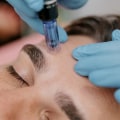
In recent years, the quest for effective solutions to combat hair loss has led to a surge in interest surrounding exosomal therapy. This innovative treatment harnesses the power of exosomes—tiny vesicles secreted by stem cells that play a crucial role in cell communication and regeneration. As more individuals seek non-surgical options for hair restoration, exosomal therapy has emerged as a promising alternative, offering a natural approach to stimulate hair growth and rejuvenate thinning hair.Exosomes are rich in growth factors and proteins that facilitate the healing and repair of damaged tissues, making them particularly effective in revitalising hair follicles. Unlike traditional methods that often involve invasive procedures or pharmaceutical interventions, exosomal therapy provides a minimally invasive solution with minimal downtime.
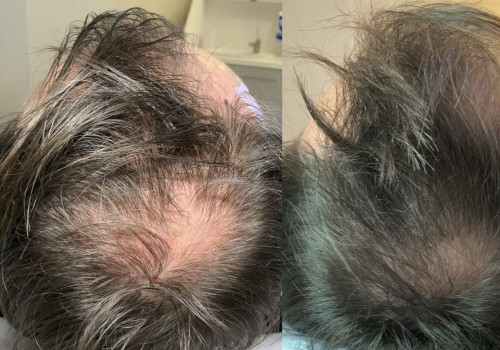
This aspect is particularly appealing to those who wish to avoid surgery while still achieving noticeable results.Understanding how long it takes for exosomes to work is essential for anyone considering this treatment. While individual experiences may vary, many patients begin to notice improvements in hair density and overall scalp health within a few months of their initial treatment. The gradual nature of these results reflects the body's natural healing processes, as exosomes encourage the regeneration of healthy hair follicles over time.As we delve deeper into the mechanics of exosomal therapy and its impact on hair growth, it becomes clear that this cutting-edge approach not only addresses the symptoms of hair loss but also targets the underlying causes. With ongoing research and clinical trials supporting its efficacy, exosomal therapy stands at the forefront of modern hair restoration techniques, offering hope to those affected by various forms of alopecia.
What Are Exosomes?
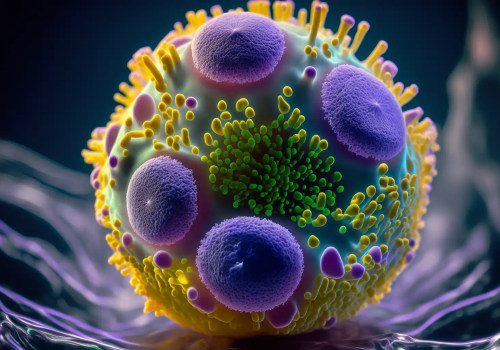
Exosomes are small extracellular vesicles, typically ranging from 30 to 150 nanometers in diameter, that play a pivotal role in intercellular communication.They are secreted by various cell types and contain a rich cargo of proteins, lipids, and nucleic acids, which facilitate the transfer of molecular information between cells. This unique ability to transport bioactive molecules makes exosomes essential players in numerous biological processes, including immune response, tissue repair, and cellular regeneration.In the context of regenerative medicine, exosomes have garnered significant attention due to their potential therapeutic applications. They act as natural mediators of cell-to-cell communication, influencing the behaviour of recipient cells and promoting healing processes. For instance, exosomes derived from stem cells have been shown to enhance tissue regeneration by delivering growth factors and other signalling molecules that stimulate cellular proliferation and differentiation.The role of exosomes in therapy extends beyond mere communication; they are increasingly being harnessed for their regenerative properties.
In hair growth therapies, exosomal therapy utilises these vesicles to rejuvenate hair follicles and combat hair loss. By injecting exosomes directly into the scalp, practitioners can leverage their regenerative capabilities to stimulate dormant hair follicles, promote new hair growth, and improve overall hair health.Moreover, the use of exosomes in therapy is particularly appealing because they are derived from the patient’s own cells, minimising the risk of immune rejection and adverse reactions. This autologous nature enhances their safety profile and effectiveness in various treatments.In summary, understanding what exosomes are and their biological functions is crucial for appreciating their significance in therapies such as those aimed at promoting hair growth. As research continues to unveil the myriad ways in which exosomes can be utilised in medicine, their role as a cornerstone of innovative treatments becomes increasingly evident.
The Mechanism of Exosomal Therapy in Hair Restoration
Exosomal therapy represents a groundbreaking approach in the field of hair restoration, leveraging the natural regenerative capabilities of exosomes to stimulate hair follicles and promote hair growth.Exosomes are tiny vesicles secreted by cells, particularly stem cells, that play a crucial role in cell communication and regeneration. They contain a rich array of growth factors, proteins, and genetic material that facilitate various biological processes essential for hair restoration.When exosomes are introduced into the scalp during treatment, they interact with the surrounding cells and tissues. This interaction initiates a cascade of biological events that enhance the health and function of hair follicles. The primary mechanism of action involves:
- Cell Signaling: Exosomes deliver signaling molecules that promote cellular communication.
This process is vital for activating dormant hair follicles and encouraging them to enter the anagen (growth) phase.
- Inflammation Reduction: Chronic inflammation can hinder hair growth. Exosomes possess anti-inflammatory properties that help reduce scalp inflammation, creating a more conducive environment for hair restoration.
- Angiogenesis: The formation of new blood vessels is critical for supplying nutrients and oxygen to hair follicles. Exosomes stimulate angiogenesis, ensuring that hair follicles receive adequate blood flow, which is essential for healthy hair growth.
- Stem Cell Activation: By promoting the activation and proliferation of local stem cells in the scalp, exosomal therapy enhances the regenerative capacity of hair follicles, leading to improved hair density and thickness.
Over time, as the biological processes continue to unfold, results become more pronounced, with maximum benefits often observed around six to twelve months after treatment.This innovative therapy not only addresses existing hair loss but also helps prevent further thinning by revitalising the scalp's microenvironment. As such, exosomal therapy stands out as a promising non-surgical solution for individuals seeking effective and long-lasting results in their battle against hair loss.
Timeline for Results: How Long Does Exosomal Therapy Take to Work?
Understanding the timeline for results from exosomal therapy is crucial for anyone considering this innovative treatment for hair growth. While individual experiences may vary, there are general phases that most patients can expect to follow after undergoing therapy.Typically, the journey begins with the initial treatment session, during which exosomes are injected into the scalp. Following this, patients may not notice immediate changes, as the body requires time to respond to the therapy.Here’s a breakdown of what to expect:
- Weeks 1-2: In the first couple of weeks post-treatment, many patients may experience minimal visible changes. However, some might notice a slight reduction in scalp irritation or inflammation as the exosomes begin to work at a cellular level.
- Weeks 3-4: By this stage, patients often start to see early signs of improvement. Hair follicles may begin to reactivate, leading to a gradual increase in hair density. This is also when some individuals report a reduction in hair shedding.
- Months 2-3: The most significant changes typically occur within two to three months after treatment.
Patients may observe noticeable hair growth, with new strands emerging and existing hair appearing thicker and healthier. This phase is critical as the exosomes stimulate the natural healing processes of the scalp.
- Months 4-6: As time progresses, improvements continue. Hair growth becomes more robust and consistent, with many individuals experiencing a fuller appearance. The scalp's overall health improves, leading to reduced dryness and irritation.
- Months 6-12: Maximum results are generally achieved within six to twelve months post-treatment.
By this time, patients can expect significant enhancements in hair volume and texture. The effects of exosomal therapy can last for an extended period, with some individuals enjoying lasting benefits for up to two years.
- Individual Health: A patient’s overall health and lifestyle choices can impact recovery and results. Factors such as diet, stress levels, and underlying medical conditions play a role.
- Severity of Hair Loss: Those with more advanced stages of hair loss may require additional treatments or longer timelines to see significant results.
- Consistency of Treatment: Adhering to recommended follow-up sessions is essential for optimal outcomes. Most patients benefit from multiple treatments spaced four to eight weeks apart.
Understanding the expected timeline can help manage expectations and encourage individuals on their journey towards healthier hair.
Factors Influencing the Effectiveness of Exosomal Therapy
Exosomal therapy has emerged as a promising treatment for hair loss, but its effectiveness can vary significantly among individuals. Several factors play a crucial role in determining the outcomes of this innovative therapy. Understanding these factors can help patients set realistic expectations and make informed decisions about their treatment options.1.Individual Health Status
The overall health of a patient is one of the most significant factors influencing the success of exosomal therapy. Individuals with underlying health conditions, such as autoimmune disorders or hormonal imbalances, may experience different results compared to those in optimal health.
A well-functioning immune system and balanced hormone levels can enhance the body’s ability to respond positively to treatment.
2.Type of Hair Loss
The specific type of hair loss being treated also affects the efficacy of exosomal therapy. Conditions such as androgenetic alopecia, telogen effluvium, and alopecia areata may respond differently to treatment. For instance, androgenetic alopecia, which is often hereditary, may require a more tailored approach compared to temporary hair loss caused by stress or nutritional deficiencies.
3.Treatment Frequency and Protocol
The frequency and protocol of exosomal treatments can significantly impact results. Most patients require multiple sessions spaced several weeks apart to achieve optimal outcomes.
Adhering to the recommended treatment schedule is essential for maximising the benefits of exosomal therapy. Additionally, the concentration and quality of exosomes used during treatment can vary, influencing overall effectiveness.
4.Lifestyle Factors
Lifestyle choices such as diet, exercise, and stress management also play a role in hair growth and overall scalp health. A balanced diet rich in vitamins and minerals can support hair follicle function, while regular exercise improves blood circulation to the scalp. Conversely, high-stress levels can hinder hair growth and exacerbate hair loss conditions.
5.Age and Genetics
Age and genetic predisposition are additional factors that can influence how well an individual responds to exosomal therapy.
Younger patients may experience quicker results due to more resilient hair follicles, while older individuals might have slower regeneration rates due to natural aging processes. Genetic factors can also determine how effectively one’s body responds to regenerative treatments.In conclusion, while exosomal therapy offers a revolutionary approach to combating hair loss, its effectiveness is not uniform across all patients. By considering these influencing factors—individual health status, type of hair loss, treatment frequency, lifestyle choices, age, and genetics—patients can better understand what to expect from their treatment journey.
Comparing Exosomal Therapy with Other Hair Restoration Treatments
When considering options for hair restoration, it is essential to evaluate the various treatments available, particularly exosomal therapy and its most common alternatives, such as Platelet-Rich Plasma (PRP) therapy and topical medications. Each method has its unique mechanisms, benefits, and limitations.Exosomal Therapy vs.
PRP
- Mechanism of Action: Exosomal therapy utilises exosomes derived from stem cells, which are rich in growth factors and signalling molecules that promote cellular communication and healing. In contrast, PRP therapy involves drawing a patient’s blood, processing it to concentrate the platelets, and injecting this platelet-rich solution into the scalp to stimulate hair follicles.
- Efficacy: Studies suggest that exosomal therapy may offer superior results compared to PRP due to the higher concentration of growth factors present in exosomes. Patients often report noticeable improvements in hair density and health within a shorter timeframe.
- Treatment Frequency: Exosomal therapy typically requires fewer sessions than PRP. While PRP may necessitate multiple treatments spaced several weeks apart, exosomal therapy can achieve significant results with just two to three sessions.
- Recovery Time: Both treatments are minimally invasive with little downtime; however, patients undergoing exosomal therapy often experience less discomfort and quicker recovery.
Topical Medications
- Common Options: Topical treatments like minoxidil (Regaine) are widely used for hair loss.
These medications work by increasing blood flow to hair follicles and prolonging the growth phase of hair.
- Efficacy and Limitations: While effective for some individuals, topical medications may take longer to show results and often require continuous use to maintain benefits. In contrast, exosomal therapy can provide longer-lasting effects even after treatment completion.
- Side Effects: Topical treatments can sometimes cause scalp irritation or unwanted hair growth in areas other than the scalp. Exosomal therapy generally has fewer side effects due to its natural composition.
Patient Experiences: What to Expect During and After Treatment
Patients who have undergone exosomal therapy for hair growth often share a range of experiences that can provide valuable insights into what to expect during and after the treatment process.Understanding these experiences can help potential patients feel more prepared and informed.
Treatment Process
The treatment typically begins with a consultation where the practitioner assesses the patient's hair loss condition and discusses the expected outcomes. During the procedure, exosomes are injected into the scalp using a fine needle. Most patients report that the sensation is similar to a mild pinch or sting, and while some discomfort may be experienced, it is generally manageable. To enhance comfort, practitioners may apply a topical anaesthetic before the injections.Many patients describe the procedure as quick, often lasting less than an hour.
Following the injections, there may be slight redness or swelling at the injection sites, but these effects usually subside within a few hours.
Post-Treatment Experiences
After undergoing exosomal therapy, patients are encouraged to follow specific aftercare guidelines to maximise results. Common recommendations include:
- Avoiding strenuous exercise for at least 24 hours to minimise sweating and irritation.
- Refraining from washing the hair for 48 hours post-treatment to allow the exosomes to settle effectively.
- Steering clear of harsh hair products or treatments, such as dyes or chemical relaxers, for at least a week.
- Staying hydrated and maintaining a balanced diet to support overall hair health.
Emotional Impact
The emotional journey of undergoing exosomal therapy can also be significant.
Many patients express feelings of hope and excitement as they begin to see improvements in their hair growth. However, it is essential to manage expectations; while results can be impressive, they may take time to manifest fully.In summary, patient experiences with exosomal therapy highlight a generally positive treatment process with manageable discomfort and promising outcomes. By adhering to aftercare recommendations and maintaining realistic expectations, individuals can enhance their chances of achieving successful results in their hair restoration journey.
Potential Side Effects and Risks of Exosomal Therapy
Exosomal therapy, while offering promising results for hair growth, is not without its potential side effects and risks. Understanding these factors is crucial for anyone considering this innovative treatment.Below, we explore the most common side effects, associated risks, and important safety considerations.
Common Side Effects
- Injection Site Reactions: As with any injectable treatment, patients may experience localized reactions at the injection sites. This can include redness, swelling, or mild bruising. These symptoms are typically temporary and resolve within a few days.
- Itching or Discomfort: Some individuals may report itching or a sensation of discomfort in the treated area. This is usually mild and can be managed with over-the-counter antihistamines or topical treatments.
- Headaches: A small number of patients have reported headaches following exosomal therapy.
These headaches are generally mild and can be alleviated with standard pain relief methods.
Potential Risks
- Infection: Although rare, there is a risk of infection at the injection sites. It is essential to follow post-treatment care instructions provided by your healthcare professional to minimise this risk.
- Allergic Reactions: Some patients may experience allergic reactions to the components of the exosomes or the carrier solution used during treatment. Symptoms can range from mild to severe and should be reported to a healthcare provider immediately.
- Unpredictable Results: While many patients see positive outcomes, results can vary significantly from person to person. Factors such as individual health conditions and the severity of hair loss can influence effectiveness.
Safety Considerations
Before undergoing exosomal therapy, it is vital to consult with a qualified healthcare provider who has experience in administering this treatment.They will assess your medical history and current health status to determine if you are a suitable candidate for the procedure.Additionally, ensure that the clinic you choose follows strict safety protocols and uses high-quality exosomal products. This not only enhances the likelihood of successful outcomes but also reduces the risk of complications.In conclusion, while exosomal therapy presents an exciting option for hair restoration, being aware of potential side effects and risks is essential for making an informed decision. Always prioritise safety by seeking professional guidance and adhering to recommended aftercare practices.
Frequently Asked Questions About Exosomal Therapy for Hair Growth
Exosomal therapy for hair growth has garnered significant attention, leading to numerous inquiries from potential patients. Below are some of the most frequently asked questions regarding this innovative treatment.What is exosomal therapy?
Exosomal therapy involves the use of exosomes, which are tiny vesicles secreted by stem cells.These exosomes contain a rich array of growth factors and proteins that facilitate cellular communication and promote healing. When applied to the scalp, they can stimulate hair follicle regeneration and enhance hair growth.
How long does it take to see results from exosomal therapy?
Results from exosomal therapy typically begin to manifest within two to three months post-treatment. However, the most noticeable improvements in hair density and thickness often occur between six to twelve months. This gradual progression is due to the time required for the exosomes to effectively rejuvenate hair follicles.Is exosomal therapy safe?
Yes, exosomal therapy is considered a safe and minimally invasive procedure.Since it utilises the body’s own biological materials, the risk of adverse reactions is significantly reduced. Most patients experience minimal downtime and can resume their daily activities shortly after treatment.
How many sessions are required?
The number of sessions needed can vary based on individual conditions and goals. Generally, patients may require two to three treatments , spaced four to eight weeks apart, to achieve optimal results.Can I combine exosomal therapy with other treatments?
Yes, many patients choose to combine exosomal therapy with other hair restoration methods, such as PRP (Platelet-Rich Plasma) therapy. However, it is essential to consult with a qualified professional to determine the best approach tailored to your specific needs.Are there any side effects?
While side effects are rare, some patients may experience mild discomfort at the injection site or temporary swelling.These effects typically resolve quickly and do not interfere with the overall treatment process.If you have further questions or concerns about exosomal therapy for hair growth, it is advisable to consult with a healthcare professional who specializes in this field. They can provide personalised information based on your unique situation.
Conclusion: The Future of Hair Restoration with Exosomal Therapy
As we conclude our exploration of exosomal therapy for hair restoration, it is essential to reflect on the transformative potential this innovative treatment holds for individuals grappling with hair loss. The journey through the various stages of exosomal therapy reveals a promising landscape where science and regenerative medicine converge to offer effective solutions.Throughout this article, we have highlighted how exosomes, derived from stem cells, play a crucial role in stimulating hair follicle regeneration and promoting overall scalp health. By harnessing the body’s natural healing processes, exosomal therapy not only addresses the symptoms of hair loss but also targets the underlying causes, leading to sustainable results.One of the most compelling aspects of exosomal therapy is its ability to deliver noticeable improvements within a relatively short timeframe.Patients can typically expect to see initial results within two to three months post-treatment, with maximum benefits often achieved within twelve months. This gradual enhancement in hair density and quality underscores the therapy's effectiveness and aligns with the body's natural growth cycles.Moreover, the minimal downtime associated with this non-surgical procedure makes it an attractive option for those seeking a convenient yet powerful solution to hair loss. Unlike traditional surgical methods, exosomal therapy allows individuals to resume their daily activities almost immediately, making it a practical choice for busy lifestyles.As research continues to evolve, the future of hair restoration through exosomal therapy looks increasingly bright. With ongoing studies indicating its efficacy compared to other treatments, such as PRP and topical medications, exosomal therapy stands out as a cutting-edge alternative that may redefine how we approach hair loss.In summary, if you are experiencing thinning hair or early signs of hair loss, considering exosomal therapy could be a pivotal step towards reclaiming your confidence and achieving healthier hair.
As this field advances, staying informed about new developments will empower you to make educated decisions regarding your hair restoration journey.