Polynucleotides, a term that may sound complex, are actually a remarkable advancement in the field of dermatology, particularly when it comes to skin health and rejuvenation. Derived primarily from fish sources such as salmon and trout, these naturally occurring compounds play a crucial role in cellular repair and regeneration. Their unique structure allows them to interact with skin cells in a way that promotes healing and revitalisation, making them an essential component in modern skincare treatments.In recent years, the integration of exosomal therapy with polynucleotide treatments has garnered significant attention. Exosomes are tiny vesicles released by cells that facilitate communication between them, carrying proteins and genetic material that can influence various biological processes.
When combined with polynucleotides, exosomal therapy enhances the skin's ability to rejuvenate itself by amplifying the signals for collagen and elastin production. This synergy not only improves skin texture but also addresses issues such as sagging and uneven tone.The significance of polynucleotides in skin health cannot be overstated. They act as powerful antioxidants, combating free radicals that contribute to premature aging. By stimulating fibroblasts—the cells responsible for producing collagen—polynucleotides help restore the skin's firmness and elasticity.
As we age, our skin's natural ability to regenerate diminishes; however, the introduction of polynucleotides can effectively counteract this decline, leading to a more youthful appearance.As we delve deeper into the benefits of polynucleotides and their connection to exosomal therapy, it becomes clear that these treatments offer a promising avenue for those seeking to enhance their skin's vitality. Whether you are dealing with fine lines, wrinkles, or loss of firmness, understanding how polynucleotides work can empower you to make informed decisions about your skincare regimen.
What Are Exosomes and Their Function in Skin Rejuvenation?
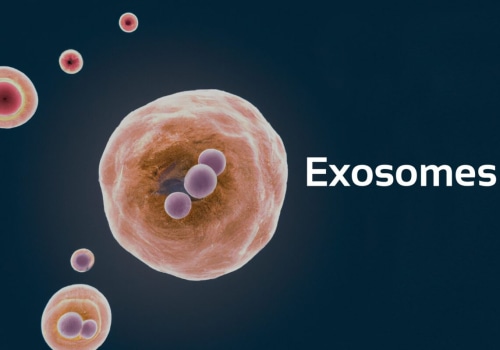
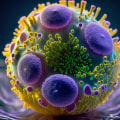
Exosomes are small extracellular vesicles that play a pivotal role in cellular communication. These nano-sized structures, typically ranging from 30 to 150 nanometers in diameter, are secreted by various cell types and contain a rich cargo of proteins, lipids, and nucleic acids. Their primary function is to facilitate intercellular communication, allowing cells to exchange information and respond to their environment effectively.In the context of skin rejuvenation, exosomes have garnered significant attention due to their ability to promote healing and regeneration.When released into the extracellular space, exosomes can influence the behaviour of neighbouring cells by delivering their molecular contents. This process is crucial for skin health, as it helps regulate various biological functions such as inflammation, cell proliferation, and tissue repair.One of the most remarkable aspects of exosomes is their role in mediating the effects of exosomal therapy. This innovative treatment harnesses the power of exosomes derived from stem cells or other regenerative sources to enhance skin rejuvenation. By introducing these exosomes into the skin, practitioners can stimulate cellular processes that lead to improved texture, tone, and overall appearance.Exosomal therapy works by enhancing the skin's natural regenerative capabilities.
The exosomes deliver growth factors and signalling molecules that activate fibroblasts—cells responsible for producing collagen and elastin. This stimulation not only aids in repairing damaged skin but also promotes the synthesis of new collagen fibres, resulting in firmer and more youthful-looking skin.Moreover, exosomes possess anti-inflammatory properties that can help reduce redness and irritation often associated with skin conditions such as acne or rosacea. By modulating inflammatory responses, exosomal therapy can create a more balanced environment for skin healing.In summary, understanding the function of exosomes is essential for appreciating their role in skin rejuvenation. Their ability to facilitate cellular communication and promote healing makes them a powerful tool in modern dermatological treatments.
When combined with polynucleotides, exosomal therapy can significantly enhance the rejuvenation process, leading to more pronounced and lasting results.
The Mechanism of Action: How Polynucleotides Tighten and Rejuvenate Skin
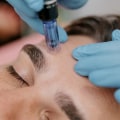
Polynucleotides are increasingly recognised for their remarkable ability to rejuvenate and tighten the skin, primarily through their intricate biological mechanisms. Understanding how these compounds work can illuminate their effectiveness in skin treatments.At the core of their action is the stimulation of collagen production. Collagen is a vital protein that provides structure and elasticity to the skin. As we age, collagen levels naturally decline, leading to sagging and wrinkles.Polynucleotides, when injected into the dermal layers, signal fibroblasts—cells responsible for collagen synthesis—to ramp up production. This process not only replenishes lost collagen but also enhances the skin's overall firmness and resilience.Moreover, polynucleotides play a crucial role in improving skin elasticity. By promoting the synthesis of elastin, another essential protein, they help maintain the skin's ability to stretch and return to its original shape. This is particularly beneficial for areas prone to sagging, such as the jawline and neck.The rejuvenation process initiated by polynucleotides also involves their potent antioxidant properties.
They combat oxidative stress caused by environmental factors such as UV radiation and pollution, which can accelerate skin aging. By neutralising free radicals, polynucleotides help protect skin cells from damage, thereby enhancing overall skin texture and tone.Additionally, polynucleotides facilitate wound healing. Their presence in the skin encourages cellular repair mechanisms, allowing for quicker recovery from minor injuries or inflammation. This healing effect contributes to a more even skin tone and texture over time.In summary, the mechanism of action of polynucleotides encompasses a multifaceted approach to skin rejuvenation.
By stimulating collagen and elastin production, providing antioxidant protection, and enhancing wound healing, they offer a comprehensive solution for those seeking tighter, more youthful-looking skin.
Benefits of Polynucleotide Treatments for Skin Health
Polynucleotide treatments have emerged as a revolutionary approach in the realm of skin health, offering a multitude of benefits that cater to various skin concerns. These treatments are particularly renowned for their anti-aging effects, which can significantly enhance the overall appearance and texture of the skin.One of the primary advantages of polynucleotides is their ability to stimulate collagen and elastin production. As we age, the natural synthesis of these vital proteins diminishes, leading to sagging and loss of elasticity. By introducing polynucleotides into the skin, we can effectively signal fibroblasts to ramp up collagen production, resulting in a firmer and more youthful complexion.In addition to their anti-aging properties, polynucleotide treatments excel in improving skin hydration.The unique composition of these nucleotides helps to retain moisture within the skin, combating dryness and promoting a plump, radiant appearance. This is particularly beneficial for individuals with dehydrated or dull skin, as enhanced hydration can lead to a more vibrant and healthy glow.Moreover, polynucleotides are effective in addressing specific skin concerns such as:
- Sagging Skin: By promoting collagen synthesis, polynucleotides help lift and tighten sagging areas, restoring youthful contours.
- Dullness: The revitalising properties of polynucleotides can rejuvenate tired-looking skin, enhancing its overall luminosity.
- Fine Lines and Wrinkles: Regular treatments can lead to a noticeable reduction in fine lines and wrinkles, smoothing out the skin's surface.
- Skin Texture: The healing properties of polynucleotides contribute to improved skin texture, making it feel softer and more refined.
Combining Polynucleotide Therapy with Other Treatments
In the realm of skincare, the quest for youthful and radiant skin often leads individuals to explore various treatment options.One of the most promising advancements in this field is polynucleotide therapy, which can be significantly enhanced when combined with other treatments, particularly laser therapy. This synergistic approach not only maximises the benefits of each treatment but also addresses multiple skin concerns simultaneously.When polynucleotide therapy is integrated with laser treatments, patients can experience a more comprehensive rejuvenation process. Laser therapy works by targeting specific skin layers, stimulating collagen production and improving skin texture. By pairing this with polynucleotide injections, which promote cellular repair and hydration, the results can be both immediate and long-lasting.
Enhanced Results Through Combination
The combination of these therapies allows for enhanced results that are greater than the sum of their parts.For instance, while laser treatments can effectively reduce fine lines and improve skin tone, polynucleotides can further enhance these effects by promoting deeper tissue regeneration. This dual-action approach not only tightens the skin but also improves its overall health and appearance.
Synergistic Effects on Skin Health
Moreover, the synergistic effects of combining these treatments can lead to improved skin hydration and elasticity. Laser therapy often causes a degree of thermal injury to stimulate healing; however, when followed by polynucleotide therapy, the healing process is accelerated. The polynucleotides act as a natural support system for the skin, helping to repair any damage caused during laser treatment while simultaneously boosting collagen and elastin production.Additionally, this holistic approach to skincare acknowledges that every individual’s skin is unique and may respond differently to various treatments.By tailoring a combination therapy plan that includes both polynucleotides and laser treatments, practitioners can address specific concerns such as sagging skin, uneven texture, or pigmentation issues more effectively.In conclusion, combining polynucleotide therapy with other advanced treatments like laser therapy offers a powerful solution for those seeking to rejuvenate their skin. This integrated approach not only enhances the effectiveness of each treatment but also promotes a healthier and more vibrant complexion overall. As always, it is essential to consult with a qualified skincare professional to determine the best combination tailored to your individual needs.
Safety and Considerations: What You Need to Know Before Treatment
When considering polynucleotide treatments, it is essential to understand the safety profile and potential side effects associated with these innovative therapies. While many patients experience positive outcomes, being informed about the risks and considerations can help ensure a safe and effective treatment journey.Potential Side Effects
- Injection Site Reactions: Commonly reported side effects include redness, swelling, or bruising at the injection site.
These reactions are typically mild and resolve within a few days.
- Allergic Reactions: Although rare, some individuals may experience allergic reactions to the components of polynucleotides. Symptoms can range from mild itching to more severe reactions requiring medical attention.
- Infection Risk: As with any injectable treatment, there is a slight risk of infection. It is crucial to ensure that the procedure is performed in a sterile environment by a qualified professional.
- Temporary Discomfort: Patients may experience temporary discomfort during and after the procedure, which can usually be managed with over-the-counter pain relief.
Who Should Consider Polynucleotide Treatments?
Polynucleotide treatments are generally suitable for individuals looking to improve skin tone, firmness, and elasticity. However, certain factors should be considered:
- Aging Skin: Those experiencing signs of aging such as sagging skin, fine lines, and wrinkles may benefit significantly from these treatments.
- Skin Health: Individuals with underlying skin conditions or those currently undergoing other dermatological treatments should consult their healthcare provider to assess suitability.
- Realistic Expectations: Patients should have realistic expectations regarding the outcomes of the treatment.
While many see improvements, results can vary based on individual skin types and conditions.
Contraindications
Certain individuals may not be ideal candidates for polynucleotide treatments. These include:
- Pregnant or Nursing Women: Safety during pregnancy and breastfeeding has not been established.
- Individuals with Autoimmune Disorders: Those with autoimmune conditions may have an altered response to treatment.
- Active Infections or Skin Conditions: Patients with active infections or inflammatory skin conditions should postpone treatment until fully resolved.
Real-Life Results: Patient Experiences with Polynucleotide Therapy
Many individuals seeking to rejuvenate their skin have turned to polynucleotide therapy, and the results have been nothing short of transformative. Here, we delve into real-life testimonials from patients who have experienced this innovative treatment firsthand.Emma, 42:
"After years of sun exposure and the natural aging process, my skin had lost its firmness and elasticity.
I was hesitant about trying polynucleotide therapy, but the results have been remarkable. Within weeks, I noticed a significant improvement in my skin's texture and tone. The fine lines around my eyes have softened, and I feel more confident without makeup. It's like I've turned back the clock!"
James, 35:
"I had been struggling with sagging skin on my jawline, which made me look older than I felt.
After undergoing polynucleotide therapy, I was amazed at how quickly I saw results. My skin feels tighter and more lifted, and friends have commented on how refreshed I look. The treatment was quick and virtually painless, making it an easy choice for me."
Linda, 50:
"As someone who has tried various treatments over the years, I can confidently say that polynucleotide therapy is one of the best decisions I've made for my skin. The gradual improvement in my complexion has been incredible.
My skin appears plumper and more hydrated, and I've noticed a reduction in the appearance of deep wrinkles. I appreciate that this treatment stimulates my skin's natural healing processes rather than just masking the signs of aging."
Before and After Results:
- Before Treatment: Many patients report dullness, uneven skin tone, and visible signs of aging such as wrinkles and sagging.
- After Treatment: Patients often experience a revitalised appearance with improved firmness, enhanced hydration, and a more youthful glow.
Frequently Asked Questions About Polynucleotides and Exosomal Therapy
As the popularity of polynucleotides and exosomal therapy continues to rise, many individuals have questions about these innovative treatments.Below, we address some of the most frequently asked questions to help clarify any misconceptions and provide valuable insights for potential patients.
What are polynucleotides?
Polynucleotides are naturally occurring molecules that play a crucial role in cellular functions. Derived primarily from fish sources, such as salmon or trout, they are known for their ability to promote skin rejuvenation and healing. When injected into the skin, polynucleotides stimulate collagen and elastin production, leading to improved skin texture and firmness.How does exosomal therapy work?
Exosomal therapy involves the use of exosomes, which are tiny vesicles released by cells that carry proteins, lipids, and genetic material. These exosomes facilitate communication between cells and can enhance tissue repair and regeneration.When combined with polynucleotides, exosomal therapy can amplify the skin's natural healing processes, resulting in more pronounced rejuvenation effects.
Are there any side effects associated with these treatments?
While both polynucleotide injections and exosomal therapy are generally considered safe, some patients may experience mild side effects. Common reactions include:- Swelling at the injection site
- Bruising
- Redness
- Slight discomfort
How long do the results last?
The longevity of results from polynucleotide treatments can vary based on individual factors such as age, skin condition, and lifestyle. Generally, patients can expect to see improvements lasting from six months up to a year.Regular maintenance treatments can help prolong these effects.
Who is a suitable candidate for polynucleotide and exosomal therapy?
These treatments are suitable for individuals looking to improve skin elasticity, reduce fine lines, and enhance overall skin quality. However, those with specific medical conditions or allergies should consult their healthcare provider to determine if these therapies are appropriate for them.If you have further questions or concerns about polynucleotides or exosomal therapy, it is advisable to seek guidance from a qualified dermatologist or aesthetic practitioner who can provide tailored advice based on your unique skin needs.Conclusion: Embracing the Future of Skin Rejuvenation with Polynucleotides
As we conclude our exploration of the transformative potential of polynucleotides in skin rejuvenation, it is essential to reflect on the remarkable benefits these innovative treatments offer. The journey towards achieving youthful, vibrant skin is no longer confined to traditional methods; instead, it has evolved into a realm where science and nature converge to provide effective solutions.Throughout this article, we have delved into the multifaceted advantages of polynucleotides, particularly their role in enhancing skin elasticity, firmness, and overall texture. By harnessing the power of these natural compounds, we can stimulate the body’s own healing processes, promoting collagen and elastin production from within.This not only addresses existing signs of aging but also fortifies the skin against future damage.Moreover, the versatility of polynucleotides extends beyond facial treatments. Their efficacy in rejuvenating delicate areas such as the neck and décolleté highlights their comprehensive approach to skincare. As we age, these regions often reveal our true age; thus, incorporating polynucleotide treatments can significantly enhance our overall appearance.It is also worth noting that polynucleotide therapy is a non-invasive option with minimal downtime, making it an attractive choice for those seeking effective results without the need for surgical intervention. This accessibility allows more individuals to embrace advanced skincare solutions tailored to their unique needs.In light of these insights, we encourage you to consider polynucleotide treatments as a viable option for your skincare regimen.
Whether you are looking to combat fine lines, improve skin texture, or simply maintain a youthful glow, these therapies offer a promising pathway towards achieving your aesthetic goals.As we look to the future of skincare, embracing innovations like polynucleotides will undoubtedly play a pivotal role in redefining how we approach skin health. By prioritising treatments that harness the body’s natural regenerative capabilities, we can pave the way for a more radiant and resilient complexion.In conclusion, the power of polynucleotides in skin rejuvenation is not just a fleeting trend; it represents a significant advancement in our understanding of skincare. By integrating these treatments into your routine, you are not only investing in your appearance but also in your overall skin health. Embrace this opportunity to rejuvenate your skin and unlock its full potential.