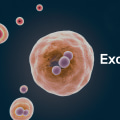
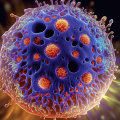
In recent years, exosomal therapy has emerged as a groundbreaking approach in the fields of medicine and aesthetics, capturing the attention of both practitioners and patients alike. This innovative treatment harnesses the power of exosomes—tiny vesicles secreted by cells that play a crucial role in intercellular communication. By facilitating the transfer of proteins, lipids, and genetic material between cells, exosomes are instrumental in promoting healing and regeneration. As we delve deeper into the world of exosomal therapy, it becomes evident that this technique is not merely a trend but a significant advancement in regenerative medicine.At its core, exosomal therapy offers a multitude of benefits that extend beyond traditional treatment methods.
One of the most compelling aspects is its ability to enhance cellular repair processes, making it particularly effective for skin rejuvenation and anti-aging treatments. Patients seeking to improve their skin quality often find that exosomal therapy can stimulate collagen production, reduce inflammation, and accelerate wound healing. This natural approach aligns with the growing demand for less invasive procedures that yield substantial results without the need for extensive downtime.Moreover, the versatility of exosomal therapy allows it to be integrated with other treatments, such as polynucleotide injections, to amplify their effects. By combining these therapies, practitioners can create a synergistic effect that not only enhances aesthetic outcomes but also promotes overall skin health.
As we explore the intricacies of polynucleotide injections later in this guide, understanding the foundational principles of exosomal therapy will provide valuable context for appreciating its role in modern aesthetic practices.
What are Polynucleotide Injections?
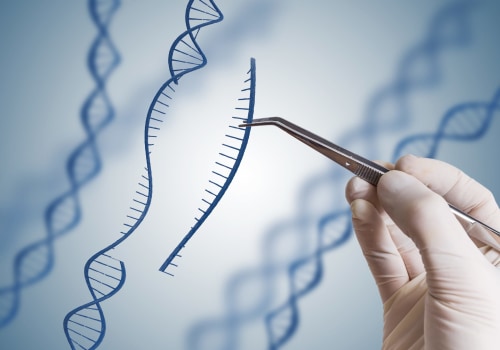
Polynucleotide injections are a cutting-edge treatment designed to enhance skin rejuvenation and promote cellular regeneration. These injections primarily consist of polynucleotides, which are naturally occurring molecules made up of long chains of nucleotides. Nucleotides are the building blocks of DNA and RNA, playing a crucial role in various biological processes, including cell repair and regeneration.The mechanism of action for polynucleotide injections is rooted in their ability to stimulate the body’s natural healing processes. When injected into the skin, these polynucleotides interact with the surrounding cells, promoting the production of collagen and elastin—two essential proteins that contribute to skin elasticity and firmness.This interaction not only aids in repairing damaged tissues but also enhances overall skin quality.
How Do Polynucleotide Injections Work?
The process begins with the injection of polynucleotides into targeted areas of the skin. Once administered, these molecules initiate a cascade of biological responses. They activate fibroblasts, which are cells responsible for producing collagen and other extracellular matrix components. This activation leads to increased cell proliferation and migration, resulting in improved skin texture and tone.Moreover, polynucleotides possess anti-inflammatory properties that help reduce redness and swelling post-treatment.This makes them an excellent option for individuals seeking not only rejuvenation but also a reduction in skin irritation.
Benefits of Polynucleotide Injections
- Enhanced Skin Elasticity: By stimulating collagen production, polynucleotide injections help restore skin elasticity, making it appear firmer and more youthful.
- Improved Skin Texture: The regenerative properties of polynucleotides contribute to smoother skin texture, reducing the appearance of fine lines and wrinkles.
- Quick Recovery Time: Patients typically experience minimal downtime after treatment, allowing them to return to their daily activities almost immediately.
- Natural Results: As these injections utilise naturally occurring substances, the results tend to look more organic compared to synthetic fillers or other invasive procedures.
- Long-lasting Effects: The benefits of polynucleotide injections can last for several months, making them a cost-effective option for ongoing skin care.
The Science Behind Exosomal Therapy
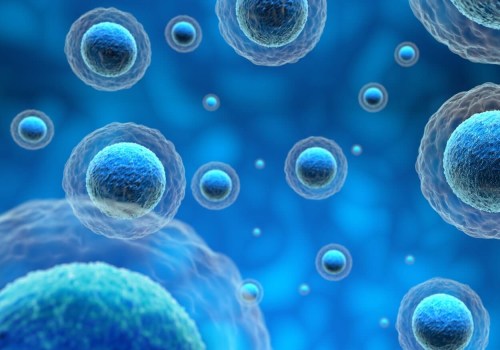
Exosomal therapy represents a groundbreaking approach in regenerative medicine, leveraging the natural mechanisms of cellular communication to promote healing and rejuvenation. At the heart of this innovative treatment are exosomes, which are small extracellular vesicles secreted by various cell types. These vesicles play a crucial role in intercellular communication, facilitating the transfer of proteins, lipids, and genetic material between cells.To understand the science behind exosomal therapy, it is essential to explore how exosomes function.When cells undergo stress or injury, they release exosomes as a means of communicating their state to neighbouring cells. This process is vital for maintaining homeostasis and orchestrating a coordinated response to damage. Exosomes contain a rich cargo of bioactive molecules that can influence the behaviour of recipient cells, promoting processes such as cell proliferation , differentiation , and immune modulation .The therapeutic potential of exosomes lies in their ability to harness these natural communication pathways. For instance, in the context of skin rejuvenation, exosomes derived from stem cells can stimulate fibroblasts to produce collagen and elastin, leading to improved skin texture and elasticity.
This regenerative effect is not limited to dermatological applications; exosomal therapy has shown promise in treating various conditions, including neurodegenerative diseases and cardiovascular disorders.Moreover, the use of exosomes in therapy offers several advantages over traditional treatments. They are biocompatible and biodegradable, reducing the risk of adverse reactions. Additionally, their nanoscale size allows for efficient delivery to target tissues, enhancing therapeutic efficacy.In summary, the science behind exosomal therapy is rooted in the intricate mechanisms of cellular communication. By utilising the natural properties of exosomes, this innovative treatment modality holds significant promise for advancing regenerative medicine and improving patient outcomes across a range of medical fields.
Applications of Polynucleotide Injections in Aesthetics
Polynucleotide injections have emerged as a transformative option in the realm of aesthetics, offering a multitude of applications that cater to various skin concerns.These injections are particularly renowned for their ability to enhance skin rejuvenation, making them a sought-after choice for individuals looking to improve their overall skin health.One of the primary applications of polynucleotide injections is in the field of skin rejuvenation treatments. The active components within these injections work by stimulating cellular regeneration and promoting collagen synthesis. This process not only helps to restore the skin's elasticity but also diminishes the appearance of fine lines and wrinkles, resulting in a more youthful complexion.Moreover, polynucleotide injections are effective in addressing issues such as uneven skin tone and texture. By enhancing the skin's natural healing processes, these treatments can lead to a smoother and more radiant appearance.
Patients often report significant improvements in skin hydration and overall vitality following a series of treatments.
Anti-Aging Benefits
The anti-aging benefits of polynucleotide injections cannot be overstated. As we age, our skin undergoes various changes, including a decrease in collagen production and an increase in dryness. Polynucleotide therapy counteracts these effects by delivering essential nutrients directly to the dermal layers, thereby revitalising aged skin.In addition to their rejuvenating properties, polynucleotide injections can also be combined with other aesthetic procedures, such as exosomal therapy, to enhance results further. Exosomes are tiny vesicles that facilitate communication between cells and play a crucial role in tissue repair and regeneration.When used alongside polynucleotide injections, exosomal therapy can amplify the regenerative effects, leading to even more pronounced improvements in skin quality.
Overall Skin Health Improvement
Beyond aesthetic enhancements, polynucleotide injections contribute significantly to overall skin health. They can aid in the treatment of various dermatological conditions, including acne scars and pigmentation issues. By promoting healing at a cellular level, these injections help to restore balance and clarity to the skin.In conclusion, the aesthetic applications of polynucleotide injections are vast and varied. From rejuvenating aging skin to improving overall skin health, these innovative treatments offer promising results for those seeking to enhance their appearance.As research continues to evolve, it is likely that we will see even more exciting developments in this field, solidifying polynucleotide therapy's place as a cornerstone of modern aesthetic medicine.
Comparing Polynucleotide Injections with Other Treatments
In the realm of aesthetic treatments, polynucleotide injections have emerged as a compelling option, particularly when compared to other popular modalities such as Platelet-Rich Plasma (PRP) and hyaluronic acid fillers. Each of these treatments offers unique benefits and mechanisms of action, making it essential for patients to understand their differences.Polynucleotide Injections vs. PRP
Both polynucleotide injections and PRP are designed to enhance skin rejuvenation, but they operate through different biological pathways. PRP is derived from the patient’s own blood, concentrating platelets that release growth factors to stimulate healing and tissue regeneration.In contrast, polynucleotide injections utilise nucleotides that promote cellular repair and regeneration at a molecular level.One significant advantage of polynucleotide injections is their ability to enhance skin hydration and elasticity more effectively than PRP. While PRP can improve skin texture and tone, it may not provide the same level of moisture retention that polynucleotides offer. Additionally, polynucleotide treatments often require fewer sessions to achieve optimal results, making them a more time-efficient option for patients.
Polynucleotide Injections vs. Hyaluronic Acid Fillers
Hyaluronic acid fillers are widely known for their immediate volumising effects, providing instant results in areas such as the cheeks, lips, and nasolabial folds.However, these fillers primarily serve as temporary solutions that require regular maintenance every six to twelve months.In contrast, polynucleotide injections focus on long-term skin health by stimulating natural collagen production and improving overall skin quality. While hyaluronic acid fillers can enhance volume and contour, they do not address underlying skin issues such as laxity or dehydration in the same way that polynucleotides do.Moreover, polynucleotide injections are less likely to cause adverse reactions compared to hyaluronic acid fillers, which can sometimes lead to complications like lumps or migration of the filler material. This makes polynucleotide therapy a safer alternative for those concerned about potential side effects.
Conclusion
Ultimately, the choice between polynucleotide injections, PRP, and hyaluronic acid fillers depends on individual goals and skin conditions. For patients seeking comprehensive rejuvenation with long-lasting effects, polynucleotide injections may be the superior choice.However, those looking for immediate volume enhancement might still prefer hyaluronic acid fillers. Consulting with a qualified aesthetic practitioner can help determine the most suitable treatment plan tailored to specific needs.
Safety and Side Effects of Polynucleotide Injections
When considering any aesthetic treatment, understanding the safety profile is paramount. Polynucleotide injections, while heralded for their regenerative properties, are not without potential risks and side effects. It is essential for patients to be well-informed before undergoing this innovative therapy.Safety Profile of Polynucleotide Injections
Polynucleotide injections are generally regarded as safe when administered by qualified professionals.
The treatment utilises naturally occurring compounds that promote cellular regeneration, which significantly reduces the likelihood of adverse reactions. However, as with any medical procedure, individual responses can vary based on factors such as health status and skin type.Before proceeding with polynucleotide injections, a thorough consultation is crucial. This should include a detailed medical history and an assessment of any pre-existing conditions that may affect the treatment outcome. Practitioners should also discuss any medications currently being taken, as certain drugs may interact negatively with the therapy.
Potential Side Effects
While many patients experience minimal side effects, some common reactions can occur following polynucleotide injections:
- Swelling: Mild swelling at the injection site is typical and usually subsides within a few days.
- Redness: Temporary redness may occur, often resolving quickly.
- Pain or Discomfort: Some patients report slight discomfort during and after the procedure, which can be managed with over-the-counter pain relief.
- Bruising: Bruising may develop in some cases, particularly if the injection technique involves multiple punctures.
However, it is essential to monitor any unusual symptoms that persist or worsen over time.
Risks Associated with Exosomal Therapy
Exosomal therapy, which often accompanies polynucleotide injections, carries its own set of risks. Although rare, potential complications include:
- Infection: As with any injection-based treatment, there is a risk of infection if proper sterile techniques are not followed.
- Allergic Reactions: Some individuals may experience allergic reactions to components within the exosomes or other substances used during the procedure.
- Inadequate Results: Not all patients will achieve the desired outcomes; results can vary based on individual biological responses.
What to Expect During a Treatment Session
Receiving a polynucleotide injection is a straightforward process, but understanding what to expect can help alleviate any anxiety and ensure a smooth experience. Here’s a detailed overview of the typical procedure, from preparation to post-treatment care.Receiving a polynucleotide injection is a straightforward process, but understanding what to expect can help alleviate any anxiety and ensure a smooth experience. Here’s a detailed overview of the typical procedure, from preparation to post-treatment care.Preparation for the Treatment
- Before your appointment, it is essential to have a consultation with your aesthetic doctor.
During this session, you will discuss your medical history, any allergies, and your specific skin concerns.
- Your doctor may recommend avoiding certain medications or supplements that could increase bleeding, such as aspirin or fish oil, for a few days prior to the treatment.
- On the day of the procedure, arrive with clean skin. It’s advisable to avoid wearing makeup or skincare products that could interfere with the injection process.
The Injection Process
Once you are prepared, the treatment session typically unfolds as follows:
- Consultation and Assessment: Your doctor will assess the areas to be treated and may take photographs for your medical records.
- Application of Numbing Cream: To enhance comfort during the procedure, a topical anaesthetic cream is usually applied to the treatment area. This allows for a more pleasant experience as the injections are administered.
- Injection of Polynucleotides: Using a fine needle, your doctor will carefully inject the polynucleotide solution into targeted areas of your skin. The number of injections and their depth will depend on your individual needs and treatment goals.
- Post-Injection Care: After the injections are completed, your doctor may apply a soothing serum or ice pack to minimise any swelling or discomfort.
Post-Treatment Care
Following your polynucleotide injection, it’s crucial to follow specific aftercare instructions to optimise results:
- Avoid strenuous exercise and excessive sun exposure for at least 24 hours post-treatment.
- Keep the treated area clean and moisturised; your doctor may recommend specific products to use.
- If you experience any swelling or bruising, these effects are typically mild and should resolve within a few days.
However, if symptoms persist or worsen, contact your healthcare provider.
Frequently Asked Questions about Exosomal Therapy and Polynucleotide Injections
As the popularity of exosomal therapy and polynucleotide injections continues to rise, many patients have questions regarding their safety, efficacy, and overall treatment process. Below are some of the most frequently asked questions that can help clarify these innovative therapies.What is exosomal therapy?
Exosomal therapy involves the use of exosomes, which are small vesicles secreted by cells that play a crucial role in cell communication. These exosomes carry proteins, lipids, and genetic material that can influence the behaviour of other cells.In the context of regenerative medicine, exosomal therapy aims to harness these natural components to promote healing and tissue regeneration.
How do polynucleotide injections work?
Polynucleotide injections deliver nucleotides directly into the skin or affected area. These nucleotides are essential for cellular functions and can stimulate cell proliferation and repair. By enhancing the body’s natural healing processes, polynucleotide injections can improve skin texture, elasticity, and overall appearance.Are there any side effects associated with these treatments?
While both exosomal therapy and polynucleotide injections are generally considered safe, some patients may experience mild side effects such as redness, swelling, or bruising at the injection site. These effects typically resolve within a few days.It is essential to consult with a qualified practitioner to discuss any potential risks based on individual health conditions.
How many sessions are required for optimal results?
The number of sessions needed can vary depending on individual goals and skin conditions. Typically, patients may require a series of treatments spaced several weeks apart to achieve the best results. A personalised treatment plan will be developed during your consultation.Who is a suitable candidate for exosomal therapy and polynucleotide injections?
These treatments are suitable for a wide range of patients looking to improve skin quality or address specific concerns such as fine lines, wrinkles, or uneven skin tone. However, individuals with certain medical conditions or those who are pregnant should consult their healthcare provider before undergoing treatment.How long do the results last?
The longevity of results from exosomal therapy and polynucleotide injections can vary based on factors such as age, skin type, and lifestyle.Generally, patients can expect to see improvements lasting several months, with maintenance treatments recommended to sustain results over time.If you have further questions or concerns about exosomal therapy or polynucleotide injections, it is advisable to speak directly with your healthcare provider for tailored advice and information.
Conclusion: The Future of Aesthetic Treatments with Exosomal Therapy
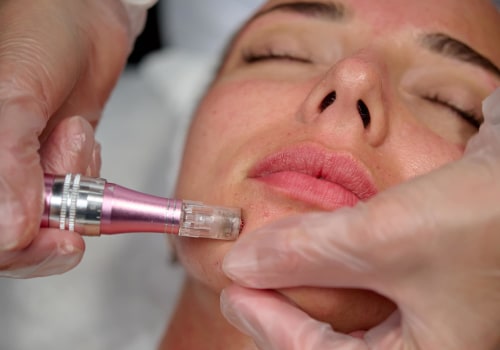
As we draw our exploration of exosomal therapy and polynucleotide injections to a close, it is essential to reflect on the transformative potential these treatments hold for the future of aesthetic medicine. Throughout this article, we have delved into the mechanisms by which exosomes facilitate cellular communication and regeneration, highlighting their role in enhancing skin health and appearance.The evidence supporting the efficacy of polynucleotide injections in promoting skin rejuvenation is compelling. By harnessing the power of exosomes, these injections not only stimulate collagen production but also improve overall skin texture and elasticity. This dual action positions them as a frontrunner in non-surgical aesthetic treatments.Looking ahead, the integration of exosomal therapy into mainstream aesthetic practices is likely to expand significantly.As research continues to unveil the myriad benefits of exosomes, we can anticipate a broader acceptance among practitioners and patients alike. The potential for personalised treatment plans tailored to individual skin concerns will further enhance patient satisfaction and outcomes.Moreover, advancements in technology and our understanding of cellular biology will likely lead to even more refined applications of exosomal therapy. For instance, combining these treatments with other modalities such as laser therapy or microneedling could amplify results, offering patients a comprehensive approach to skincare.In conclusion, the future of aesthetic treatments is bright with the advent of exosomal therapy. As we continue to explore its capabilities, it is clear that polynucleotide injections represent not just a trend but a significant leap forward in our quest for youthful, healthy skin.
Embracing these innovations will undoubtedly shape the landscape of aesthetic medicine for years to come.