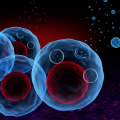
Exosome therapy, a groundbreaking advancement in the realm of Exosome therapy, a groundbreaking advancement in the realm of regenerative medicineregenerative medicine, harnesses the power of exosomes—tiny vesicles secreted by cells that play a crucial role in intercellular communication. These nano-sized particles are rich in proteins, lipids, and nucleic acids, making them instrumental in mediating various biological processes, including tissue repair and immune response modulation. As researchers delve deeper into the potential applications of exosomal therapy, its relevance in treating a myriad of conditions, from degenerative diseases to aesthetic enhancements, becomes increasingly apparent.At its core, exosome therapy involves isolating these vesicles from stem cells or other sources and administering them to patients to promote healing and regeneration. This innovative approach is particularly appealing due to its minimally invasive nature and the ability to utilise the body’s own biological mechanisms for recovery.
Unlike traditional therapies that may rely on synthetic drugs or invasive procedures, exosomal therapy offers a more natural alternative that aligns with the body’s intrinsic healing processes.The benefits of exosome therapy are manifold. Patients have reported improvements in skin texture and elasticity, accelerated healing of injuries, and enhanced recovery from chronic conditions. Furthermore, as exosomes facilitate communication between cells, they can potentially enhance the efficacy of existing treatments by improving cellular responses. This synergy not only optimises healing but also opens new avenues for personalised medicine, where therapies can be tailored to individual patient needs based on their unique cellular profiles.As we explore the intricacies of exosomal therapy further in this article, it is essential to weigh both its promising benefits and the potential risks involved.
Understanding these factors will empower patients to make informed decisions about their treatment options in this rapidly evolving field.
The Science Behind Exosomes
Exosomes are small extracellular vesicles, typically ranging from 30 to 150 nanometres in diameter, that play a pivotal role in intercellular communication. They are secreted by various cell types and contain a complex mixture of proteins, lipids, and nucleic acids, which can influence the behaviour of recipient cells. Understanding the biology of exosomes is essential for appreciating their therapeutic potential in regenerative medicine.How Exosomes Work
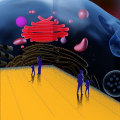
Exosomes function as vehicles for transferring molecular signals between cells. When a cell releases exosomes, these vesicles can carry specific cargo that includes messenger RNAs (mRNAs), microRNAs (miRNAs), and proteins.
Upon reaching a target cell, exosomes can fuse with the cell membrane, allowing their contents to enter the recipient cell. This process can modulate various cellular functions, including gene expression, immune responses, and tissue repair mechanisms.
The Role of Exosomes in Therapy
In therapeutic contexts, exosomal therapy leverages the natural properties of exosomes to promote healing and regeneration. For instance, exosomes derived from stem cells have been shown to enhance tissue repair by delivering growth factors and anti-inflammatory molecules directly to damaged areas. This targeted delivery system can significantly improve the efficacy of treatments for conditions such as osteoarthritis, cardiovascular diseases, and even neurodegenerative disorders.Moreover, the immunomodulatory effects of exosomes make them valuable in managing autoimmune diseases and enhancing the body’s response to infections.
By modulating immune cell activity, exosomal therapy can help restore balance in the immune system, potentially leading to improved patient outcomes.As research continues to unfold, the understanding of exosome biology will likely lead to innovative therapeutic strategies that harness their unique properties. The ability to engineer exosomes for specific therapeutic applications holds promise for advancing personalised medicine and improving treatment efficacy across various medical fields.
Benefits of Exosome Therapy
Exosome therapy has emerged as a groundbreaking approach in regenerative medicine, offering a multitude of benefits that can significantly enhance patient outcomes. These microscopic vesicles, secreted by cells, play a crucial role in intercellular communication and have shown remarkable potential in various therapeutic applications.One of the primary advantages of exosomal therapy is its ability to promote tissue regeneration. Exosomes are rich in growth factors, proteins, and genetic material that facilitate the repair and regeneration of damaged tissues.This makes them particularly valuable in treating conditions such as:
- Musculoskeletal injuries: Exosomes can accelerate healing in tendons, ligaments, and cartilage, making them a promising option for athletes and individuals recovering from injuries.
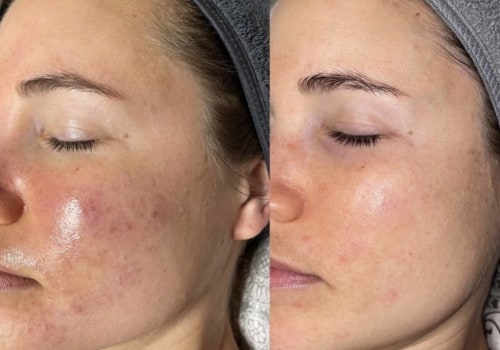
- Skin rejuvenation: In aesthetic medicine, exosomes are used to improve skin texture and elasticity, reducing signs of aging and promoting a youthful appearance.
- Neurological disorders: Research indicates that exosomes may aid in the recovery of nerve cells, offering hope for patients with conditions like stroke or neurodegenerative diseases.
For instance:
- Oncology: Exosomes derived from cancer cells can be harnessed to develop targeted therapies that enhance the effectiveness of existing treatments while minimising side effects. Exosomes derived from cancer cells can be harnessed to develop targeted therapies that enhance the effectiveness of existing treatments while minimising side effects.
- Cardiology: Exosomal therapy may improve heart function following myocardial infarction by promoting tissue repair and reducing scar formation.
- Orthopaedics: In joint diseases such as osteoarthritis, exosomes can help regenerate cartilage and reduce pain.
Potential Risks Associated with Exosome Therapy
While exosomal therapy presents promising benefits for tissue regeneration and rejuvenation, it is essential to consider the potential risks and side effects associated with this innovative treatment. Understanding these risks can help patients make informed decisions about their healthcare options.One of the primary concerns regarding exosome therapy is the risk of infection. Although the transmission of serious infections such as HIV, hepatitis B, or hepatitis C through exosome therapy has not been documented, the possibility of bacterial infections remains a significant concern.Infections can occur if proper sterile techniques are not followed during the extraction and administration of exosomes. Patients should ensure that they receive treatment from qualified professionals who adhere to strict hygiene protocols.In addition to infection risks, patients may experience a range of side effects following exosome therapy. Commonly reported side effects include:
- Redness at the injection site at the injection site
- Swelling around the treated area
- Pain or discomfort during and after the procedure
- Bruising , which may occur due to needle insertion
As exosomes are derived from biological materials, there is a possibility that some patients may have an allergic response to the components present in the exosomes. Symptoms of an allergic reaction can range from mild (such as itching or rash) to severe (including anaphylaxis). Patients with known allergies should discuss their medical history with their healthcare provider before undergoing treatment.The safety of exosomal therapy also depends on various factors, including the source of the exosomes, the method of administration, and the overall health of the patient. It is vital for healthcare providers to conduct thorough assessments and tailor treatments to individual patient needs.In conclusion, while exosomal therapy offers exciting possibilities in regenerative medicine, it is accompanied by certain risks that must be carefully considered.
Patients should engage in open discussions with their healthcare providers about these potential risks and ensure they are well-informed before proceeding with treatment.
Clinical Applications of Exosome Therapy
Exosome therapy has emerged as a revolutionary approach in various medical fields, showcasing its potential to enhance treatment outcomes through its unique properties. This section delves into the clinical applications of exosomal therapy, highlighting its use in orthopaedics, dermatology, and oncology, supported by real-world case studies.Orthopaedics
In orthopaedics, exosome therapy is being explored for its ability to promote healing and regeneration of musculoskeletal tissues. For instance, a study published in the Journal of Orthopaedic Research demonstrated that exosomes derived from mesenchymal stem cells significantly improved cartilage repair in animal models. Patients suffering from osteoarthritis have reported reduced pain and improved joint function following exosome injections into affected areas.These findings suggest that exosomal therapy could serve as a viable alternative to traditional surgical interventions.
Dermatology
Exosome therapy is also making waves in dermatology, particularly in skin rejuvenation and wound healing. Clinical trials have shown that exosomes can enhance collagen production and accelerate the healing process of chronic wounds. A notable case involved a patient with non-healing diabetic ulcers who experienced significant improvement after receiving exosomal treatment. The application of exosomes not only facilitated faster healing but also improved skin texture and elasticity, making it a promising option for aesthetic treatments.Oncology
In the realm of oncology, exosome therapy is being investigated for its potential to improve cancer treatment outcomes.Exosomes can carry therapeutic agents directly to tumour cells, enhancing the efficacy of chemotherapy while minimising side effects. A recent clinical trial involving patients with breast cancer showed that those treated with exosome-based therapies had better tumour response rates compared to those receiving standard treatments alone. This targeted approach could revolutionise cancer care by providing more personalised treatment options.The versatility of exosomal therapy across these diverse medical fields underscores its potential as a transformative treatment modality. As research continues to evolve, further case studies will undoubtedly illuminate additional applications and benefits of this innovative therapy.
Regulatory Landscape and Future Directions
The regulatory landscape surrounding exosome therapy is complex and continually evolving, reflecting the rapid advancements in this innovative field of regenerative medicine.As exosomes are derived from biological materials, their use in therapeutic applications raises significant regulatory considerations that must be addressed to ensure patient safety and treatment efficacy.Currently, regulatory bodies such as the U. S. Food and Drug Administration (FDA) and the European Medicines Agency (EMA) are working to establish clear guidelines for the use of exosome-based therapies. In the United States, exosome products may be classified as either drugs or biologics, depending on their intended use and the manner in which they are manufactured.
This classification impacts the regulatory pathway that developers must follow, including preclinical studies, clinical trials, and post-market surveillance.In recent years, there has been a push for more streamlined regulations to facilitate research and development in this area. For instance, the FDA has introduced initiatives aimed at expediting the approval process for regenerative medicine therapies, including those involving exosomes. However, despite these efforts, challenges remain in standardising manufacturing processes and ensuring consistent product quality across different providers.Looking towards the future, several key directions are emerging in exosome research:
- Standardisation of Exosome Production: Establishing uniform protocols for isolating and characterising exosomes will be crucial for ensuring their safety and efficacy.
- Expanded Clinical Applications: Ongoing studies are exploring the potential of exosomes in treating a variety of conditions, including neurodegenerative diseases, cardiovascular disorders, and cancer.
- Personalised Medicine: Research is increasingly focusing on tailoring exosome therapies to individual patients based on their unique biological profiles.
- Combination Therapies: Future studies may investigate the synergistic effects of combining exosome therapy with other treatment modalities to enhance therapeutic outcomes.
Patients considering this treatment should stay informed about ongoing developments in regulations and research to make educated decisions regarding their healthcare options.
Patient Considerations Before Undergoing Exosome Therapy
When considering exosomal therapy, patients must take several critical factors into account to ensure they make informed decisions about their health. This innovative treatment, while promising, requires careful evaluation of personal health conditions and the clinic's credentials.1.Understanding Personal Health Conditions
- Medical History: Patients should provide a comprehensive overview of their medical history to their healthcare provider. This includes any chronic illnesses, allergies, or previous treatments that may affect the outcome of exosome therapy.
- Current Medications: It is essential to disclose all medications currently being taken, as some may interact negatively with the therapy.
- Health Goals: Clearly defining what you hope to achieve through exosomal therapy can help guide discussions with your healthcare provider and ensure that expectations are realistic.
2.Choosing the Right Clinic
- Qualifications and Experience: Look for clinics that employ qualified professionals with extensive experience in administering exosome therapy. Verify their credentials and ask about their training in regenerative medicine.
- Reputation and Reviews: Research the clinic’s reputation by reading patient reviews and testimonials.
A clinic with a strong track record of successful treatments can provide peace of mind.
- Transparency: A reputable clinic should be transparent about the sources of their exosomes, the methods used for extraction and purification, and any potential risks associated with the treatment.
3.Cost Considerations
The cost of exosomal therapy can vary significantly between clinics. Patients should inquire about pricing structures, what is included in the treatment package, and whether financing options are available. Understanding the financial commitment involved is crucial for making an informed decision.
4.Post-Treatment Care
- Follow-Up Appointments: Ensure that the clinic offers adequate follow-up care to monitor progress and address any concerns that may arise after treatment.
- Support Resources: Access to support resources, such as counselling or nutritional guidance, can enhance recovery and overall satisfaction with the treatment.
Frequently Asked Questions about Exosome Therapy
Exosome therapy is a rapidly evolving field in regenerative medicine, and as such, it often raises numerous questions and misconceptions among potential patients. Below, we address some of the most frequently asked questions regarding exosomal therapy to provide clarity and enhance understanding.What are exosomes?
Exosomes are small extracellular vesicles that are secreted by various cell types.They play a crucial role in cell communication by transferring proteins, lipids, and genetic material between cells. This ability to facilitate intercellular communication makes exosomes a promising tool in therapeutic applications.
How is exosome therapy administered?
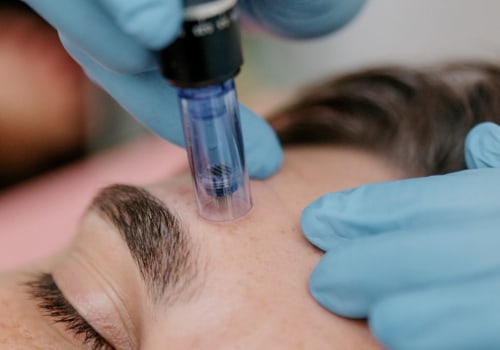
Exosome therapy can be administered through various methods, including injections directly into the affected area or intravenously. The method of administration often depends on the specific condition being treated and the desired outcomes.Is exosome therapy safe?
While exosomal therapy is generally considered safe, it is essential to consult with a qualified healthcare provider who can assess individual health conditions and potential risks. As with any medical treatment, there may be side effects, including mild swelling or redness at the injection site.What conditions can exosome therapy treat?
Exosome therapy has shown promise in treating a variety of conditions, including:- Joint pain and osteoarthritis
- Skin rejuvenation and anti-aging
- Neurological disorders
- Cardiovascular diseases
- Tissue repair following injury or surgery
Are there any myths about exosome therapy?
Several myths surround exosomal therapy, which can lead to misunderstandings:- Myth: Exosomes are derived from stem cells only.
Fact: While stem cells can produce exosomes, they can also be derived from other cell types. - Myth: Exosome therapy is a one-size-fits-all solution.
Fact: Treatment plans should be tailored to individual needs and health conditions. - Myth: Exosome therapy guarantees immediate results.
Fact: The effects of exosome therapy may take time to manifest as they work with the body’s natural healing processes.
Conclusion: Weighing the Risks and Benefits of Exosome Therapy
In conclusion, the exploration of exosomal therapy reveals a complex interplay between its potential benefits and inherent risks.As we have discussed, this innovative treatment offers promising avenues for tissue regeneration and rejuvenation, harnessing the unique properties of exosomes to facilitate cellular communication and healing.However, it is crucial for patients to approach this therapy with a well-informed perspective. The potential advantages, such as enhanced collagen production and improved skin texture, must be weighed against the possible risks, including infection and allergic reactions. Understanding these factors is essential for making an educated decision about whether to pursue exosomal therapy.Moreover, the quality of the exosomes used, the method of administration, and the overall health of the patient play significant roles in determining both the efficacy and safety of the treatment. It is imperative that individuals seeking this therapy consult with qualified healthcare providers who possess the necessary expertise in regenerative medicine.
This ensures that they receive tailored advice based on their unique health profiles.As research in this field continues to evolve, we anticipate further advancements that may enhance the safety and effectiveness of exosomal therapy. Patients should remain vigilant about ongoing studies and emerging data that could influence their treatment options.Ultimately, while exosomal therapy holds great promise for those seeking innovative solutions for tissue repair and rejuvenation, it is essential to maintain a balanced view. By carefully considering both the potential benefits and risks, patients can make informed choices that align with their health goals and expectations.