As we journey through life, our skin undergoes a natural aging process that is both inevitable and complex. Understanding skin aging requires a closer look at the biological mechanisms that contribute to this phenomenon. From the moment we are born, our skin is in a constant state of renewal, but as we age, this process begins to slow down. Factors such as genetics, environmental exposure, and lifestyle choices play significant roles in how our skin ages, leading to various visible signs.Common indicators of aging skin include fine lines, wrinkles, loss of elasticity, and uneven pigmentation.
These changes are primarily due to a decrease in collagen and elastin production, essential proteins that maintain the skin's structure and firmness. Additionally, the skin's ability to retain moisture diminishes over time, resulting in dryness and a lackluster appearance. The cumulative effects of sun exposure, pollution, and other environmental stressors further exacerbate these signs, making it crucial to understand the underlying causes.Moreover, the aging process is not merely superficial; it involves intricate biological changes at the cellular level. For instance, the rate of cell turnover decreases with age, leading to a buildup of dead skin cells on the surface.
This can result in a dull complexion and an increased likelihood of skin disorders. Furthermore, oxidative stress from free radicals can damage skin cells and accelerate aging. Recognising these factors is essential for developing effective strategies to combat the signs of aging.In recent years, innovative treatments such as exosomal therapy have emerged as potential solutions for reversing some effects of skin aging. By harnessing the power of exosomes—tiny vesicles that facilitate communication between cells—this therapy aims to rejuvenate the skin from within.
As we delve deeper into this topic, we will explore how exosomal therapy may offer hope for those seeking to restore their youthful appearance and combat the visible signs of aging.
The Science Behind Exosomal Therapy
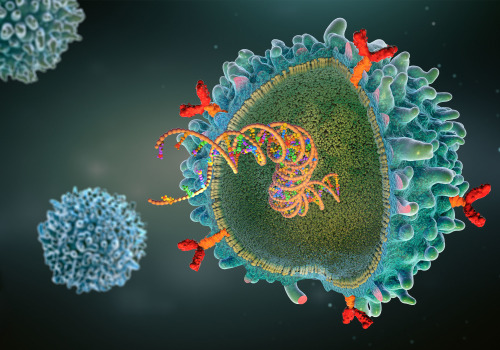
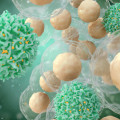
Exosomal therapy is an innovative approach in regenerative medicine that harnesses the power of exosomes—tiny vesicles secreted by cells that play a crucial role in intercellular communication. These nanovesicles are rich in proteins, lipids, and nucleic acids, and they facilitate the transfer of molecular signals between cells, thereby influencing various biological processes.What Are Exosomes?
Exosomes are a type of extracellular vesicle, typically ranging from 30 to 150 nanometers in diameter. They are produced by almost all cell types and are involved in numerous physiological functions, including immune response, tissue repair, and cellular homeostasis. When cells release exosomes into the extracellular space, they carry with them a cargo of bioactive molecules that can modulate the behaviour of recipient cells.
This unique property makes exosomes a focal point in therapeutic applications, particularly in skin rejuvenation.
How Does Exosomal Therapy Work?
The mechanism of exosomal therapy revolves around the ability of these vesicles to deliver their molecular contents to target cells. When applied to the skin, exosomes can penetrate the epidermis and dermis layers, where they interact with skin cells such as fibroblasts and keratinocytes. This interaction stimulates various cellular processes:
- Collagen Production: Exosomes can enhance collagen synthesis, which is vital for maintaining skin elasticity and firmness.
- Cell Regeneration: They promote the proliferation and migration of skin cells, aiding in the repair of damaged tissues.
- Anti-Inflammatory Effects: Exosomes possess anti-inflammatory properties that can help reduce redness and irritation, contributing to an even skin tone.
Benefits of Exosomal Therapy
The potential benefits of exosomal therapy for skin rejuvenation are extensive:
- Non-Invasive: Unlike traditional surgical procedures, exosomal therapy is minimally invasive, making it a safer option with reduced recovery time.
- Natural Healing: By utilising the body’s own cellular mechanisms, exosomal therapy promotes natural healing processes without introducing foreign substances.
- Versatile Applications: This therapy can address various skin concerns, including fine lines, wrinkles, pigmentation issues, and overall skin texture.
How Exosomal Therapy Can Combat Skin Aging
As the quest for youthful skin continues, exosomal therapy has emerged as a promising solution in the fight against skin aging.This innovative treatment harnesses the power of exosomes—tiny vesicles secreted by cells that play a crucial role in cell communication and regeneration. By delivering essential proteins, lipids, and genetic material, exosomes can stimulate the skin's natural healing processes, making them a potent ally in reversing signs of aging.One of the primary benefits of exosomal therapy is its ability to address winkles. Clinical studies have shown that exosomes can enhance collagen production, which is vital for maintaining skin structure and elasticity. As collagen levels decline with age, the skin becomes more prone to wrinkles and sagging.
By introducing exosomes into the skin, patients may experience a noticeable reduction in fine lines and deeper wrinkles, leading to a smoother and more youthful appearance.In addition to wrinkles, exosomal therapy can significantly improve skin elasticity. The treatment promotes the proliferation of fibroblasts—cells responsible for producing collagen and elastin. Enhanced fibroblast activity results in firmer skin that retains its shape and resilience over time. This is particularly beneficial for individuals who have noticed a loss of firmness due to aging or environmental factors.Another common concern associated with aging is pigmentation issues , such as age spots and uneven skin tone.
Exosomes have been found to possess anti-inflammatory properties that can help reduce hyperpigmentation by regulating melanin production. This not only aids in achieving a more uniform complexion but also contributes to an overall brighter appearance.Real-world applications of exosomal therapy are gaining traction in dermatology clinics worldwide. Many practitioners are incorporating this treatment into their anti-aging protocols, often combining it with other modalities such as microneedling or laser therapy for enhanced results. Patients report significant improvements in skin texture and tone following exosomal treatments, with minimal downtime compared to traditional surgical options.In conclusion, exosomal therapy represents a cutting-edge approach to combating skin aging.
By leveraging the regenerative capabilities of exosomes, individuals can effectively target wrinkles, loss of elasticity, and pigmentation issues. As research continues to unfold, this therapy may redefine our understanding of anti-aging treatments and offer new hope for those seeking to restore their youthful glow.
Comparing Exosomal Therapy to Other Anti-Aging Treatments
As the quest for youthful skin continues, many individuals are exploring various anti-aging treatments. Among these, exosomal therapy has emerged as a promising option, but how does it stack up against more traditional methods like fillers, Botox, and laser treatments? Understanding the differences can help you make an informed choice tailored to your skin's needs.Exosomal Therapy vs. Fillers
Fillers, such as hyaluronic acid, are designed to add volume to specific areas of the face, effectively reducing the appearance of wrinkles and fine lines.They provide immediate results but typically last from six months to a year, requiring regular maintenance.In contrast, exosomal therapy utilises exosomes—tiny vesicles that facilitate communication between cells—to promote natural healing and rejuvenation. This therapy not only addresses existing signs of aging but also encourages the skin's own regenerative processes. While fillers offer quick fixes, exosomal therapy may lead to longer-lasting improvements in skin texture and elasticity.
Exosomal Therapy vs. Botox
Botox is another popular anti-aging treatment that works by temporarily paralyzing muscles to smooth out dynamic wrinkles, particularly around the forehead and eyes.The effects are visible within days but typically last three to six months.On the other hand, exosomal therapy focuses on enhancing overall skin health rather than just targeting specific wrinkles. By stimulating collagen production and improving skin tone and texture, it offers a more holistic approach to anti-aging. While Botox can provide immediate results, exosomal therapy may yield gradual improvements that enhance your natural beauty over time.
Exosomal Therapy vs. Laser Treatments
Laser treatments are well-known for their ability to resurface the skin and treat various concerns such as pigmentation, scarring, and fine lines.These procedures can be effective but often require downtime for recovery.Exosomal therapy presents a less invasive alternative that promotes healing at a cellular level without significant downtime. While laser treatments can deliver quick results in terms of skin texture improvement, exosomal therapy may offer cumulative benefits over time as it encourages the body’s natural repair mechanisms.In summary, while traditional methods like fillers, Botox, and laser treatments have their merits, exosomal therapy stands out for its ability to promote long-term skin health and rejuvenation. Each treatment has its pros and cons; therefore, consulting with a qualified dermatologist or aesthetic practitioner is essential to determine the best approach for your individual needs.
What to Expect During an Exosomal Therapy Session
Exosomal therapy is an innovative treatment that harnesses the power of exosomes—tiny vesicles secreted by cells that play a crucial role in cell communication and regeneration. Understanding what to expect during an exosomal therapy session can help patients feel more at ease and informed about the process.Preparation for Exosomal Therapy
Before undergoing exosomal therapy, patients typically have a consultation with their healthcare provider.
This initial meeting is essential for assessing individual needs and determining if this treatment is suitable. During this consultation, the following may occur:
- Medical History Review: The practitioner will review your medical history, including any previous treatments, allergies, and current medications.
- Skin Assessment: A thorough examination of the skin will be conducted to identify specific areas of concern and to tailor the treatment accordingly.
- Pre-Treatment Instructions: Patients may receive guidelines on how to prepare for the session, such as avoiding certain medications or skincare products in the days leading up to the treatment.
The Exosomal Therapy Procedure
On the day of the procedure, patients can expect a comfortable and professional environment. The session typically involves the following steps:
- Cleansing: The skin will be thoroughly cleansed to remove any impurities and ensure optimal absorption of the exosomes.
- Anesthesia: Depending on the area being treated and individual pain tolerance, a topical anesthetic may be applied to minimise discomfort during the procedure.
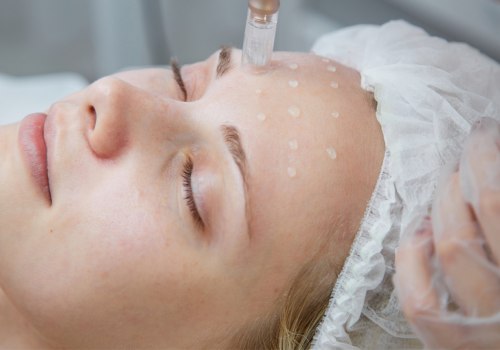
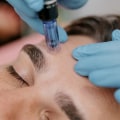
- Application of Exosomes: The exosomes, which are usually derived from stem cells, are then carefully injected or applied to the targeted areas using a microneedling technique or other methods. This allows for deeper penetration into the skin layers.
- Post-Procedure Care: After the application, practitioners may provide specific aftercare instructions to enhance recovery and results.
Recovery from Exosomal Therapy
The recovery process following exosomal therapy is generally straightforward.
Patients may experience mild redness or swelling in the treated areas, which typically subsides within a few days. To ensure optimal healing and results, consider the following post-treatment care tips:
- Avoid Sun Exposure: Protecting your skin from sun exposure is crucial during recovery. Use broad-spectrum sunscreen and wear protective clothing when outdoors.
- Hydration: Keeping the skin well-hydrated can aid in recovery. Use gentle moisturisers recommended by your practitioner.
- Avoid Harsh Products: Refrain from using exfoliants or harsh skincare products for at least a week post-treatment to prevent irritation.
Potential Risks and Considerations of Exosomal Therapy
As with any emerging treatment, exosomal therapy comes with its own set of potential risks and considerations that patients should be aware of before proceeding.Understanding these factors is crucial for making informed decisions about skin rejuvenation and anti-aging treatments.One of the primary concerns surrounding exosomal therapy is the possibility of adverse reactions. While exosomes are derived from natural cellular processes, there is still a risk that the body may react negatively to the introduction of these foreign substances. Some patients have reported mild side effects such as redness, swelling, or discomfort at the injection site. These symptoms are generally temporary and resolve on their own, but they can be concerning for those seeking a more permanent solution to skin aging.In rare cases, more severe reactions can occur.
These may include allergic responses or infections, particularly if the procedure is not performed in a sterile environment. It is essential to choose a qualified practitioner who adheres to strict safety protocols to minimise these risks.Another consideration is the long-term effects of exosomal therapy. As this treatment is relatively new, comprehensive studies on its long-term safety and efficacy are still ongoing. While initial results are promising, the lack of extensive longitudinal data means that potential long-term side effects remain largely unknown.
Patients should discuss these uncertainties with their healthcare provider to weigh the benefits against the risks.Additionally, it is important to consider the source of the exosomes used in therapy. Exosomes can be derived from various cell types, including stem cells from different tissues. The quality and origin of these exosomes can significantly impact their effectiveness and safety. Patients should inquire about the source of exosomes being used in their treatment and ensure they come from reputable sources that follow ethical guidelines.Lastly, individuals with pre-existing medical conditions or those taking certain medications should approach exosomal therapy with caution.
Conditions that affect immune response or skin integrity may complicate treatment outcomes. A thorough consultation with a healthcare professional can help identify any potential contraindications.In summary, while exosomal therapy offers exciting possibilities for reversing skin aging, it is essential to consider the potential risks and side effects associated with this treatment. By staying informed and consulting with qualified professionals, patients can make educated choices that align with their health goals.
Real-Life Success Stories: Exosomal Therapy in Action
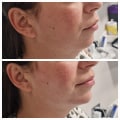
Exosomal therapy has emerged as a revolutionary approach in the field of skin rejuvenation, with numerous individuals sharing their transformative experiences. These real-life success stories not only highlight the potential of this innovative treatment but also provide valuable insights into its effectiveness.One notable testimonial comes from Sarah, a 45-year-old marketing executive , who struggled with fine lines and sagging skin.After undergoing exosomal therapy, she reported a significant improvement in her skin's texture and elasticity. "I noticed a difference within weeks. My skin feels firmer, and the fine lines around my eyes have diminished considerably. I feel more confident than ever!" Sarah's experience underscores the rapid results that many patients can expect from this therapy.Another inspiring case is that of James, a 50-year-old father of three , who had been battling age-related skin issues for years.
He decided to try exosomal therapy after hearing about its benefits from a friend. "I was sceptical at first, but the results have been incredible. My skin looks revitalised, and I’ve even received compliments from my family and friends!" James's story illustrates how exosomal therapy can not only enhance appearance but also boost self-esteem.Additionally, Linda, a 38-year-old teacher , shared her journey of rejuvenation through exosomal therapy. "I had tried various treatments before, but nothing worked as effectively as this.
The procedure was quick and painless, and I saw improvements in my skin tone and hydration levels almost immediately. I’m thrilled with the results!" Linda's positive experience highlights the minimal downtime associated with exosomal therapy, making it an appealing option for those with busy lifestyles.These testimonials reflect a growing trend among patients who are seeking non-invasive solutions to combat the signs of aging. As more individuals share their success stories, it becomes increasingly clear that exosomal therapy is not just a passing trend but a viable option for those looking to rejuvenate their skin.In conclusion, the experiences of Sarah, James, and Linda serve as powerful examples of how exosomal therapy can lead to remarkable improvements in skin health and appearance. As research continues to support its efficacy, more people are likely to explore this innovative treatment as a means to reverse the signs of aging.
Future Trends in Skin Rejuvenation: The Role of Exosomes
As the quest for youthful skin continues, the future of skin rejuvenation is increasingly leaning towards innovative therapies that harness the power of exosomes.These tiny vesicles, secreted by cells, play a crucial role in intercellular communication and have emerged as a promising tool in anti-aging treatments.Exosomes are rich in proteins, lipids, and genetic material, making them essential for cellular repair and regeneration. Their ability to transfer bioactive molecules between cells positions them as a revolutionary approach in skincare. Researchers are exploring how exosomal therapy can enhance skin health by promoting collagen production, reducing inflammation, and accelerating wound healing.
Innovations in Exosomal Therapy
Recent studies have shown that exosomes derived from stem cells can significantly improve skin texture and elasticity. These advancements suggest that exosomal therapy could potentially reverse some signs of aging by stimulating the body’s natural healing processes.For instance, clinical trials are underway to assess the efficacy of exosome-based treatments in reducing fine lines and wrinkles, with promising preliminary results.Moreover, the integration of exosomes into topical skincare products is gaining traction. Formulations enriched with exosomes are being developed to deliver targeted nutrients directly to skin cells, enhancing absorption and effectiveness. This could lead to a new generation of skincare products that not only hydrate but also rejuvenate the skin at a cellular level.
The Future Landscape of Skin Treatments
Looking ahead, the potential applications of exosomal therapy in dermatology are vast. As research progresses, we may see personalised skincare regimens tailored to individual genetic profiles, utilising exosomes to address specific skin concerns.This bespoke approach could revolutionise how we treat aging skin, moving away from one-size-fits-all solutions.Furthermore, the safety profile of exosomal therapies is being rigorously evaluated. As these treatments become more mainstream, regulatory bodies will play a critical role in ensuring their efficacy and safety for consumers. The future of skin rejuvenation lies not only in innovative technologies but also in responsible practices that prioritise patient well-being.In conclusion, the role of exosomes in skincare represents an exciting frontier in anti-aging therapies. With ongoing research and development, we stand on the brink of a new era where reversing skin aging may become a reality through advanced exosomal treatments.
Conclusion: Is Exosomal Therapy the Key to Reversing Skin Aging?
As we conclude our exploration of exosomal therapy and its potential to reverse skin aging, it is essential to reflect on the significant advancements in this innovative treatment.Throughout the article, we have delved into the mechanisms by which exosomes facilitate cellular communication and regeneration, highlighting their role in promoting collagen production, enhancing skin elasticity, and reducing inflammation.The evidence suggests that exosomal therapy may offer a promising alternative to traditional anti-aging treatments. Unlike many conventional methods that merely address surface-level concerns, exosomal therapy targets the underlying biological processes that contribute to skin aging. By harnessing the power of these tiny vesicles derived from stem cells, patients may experience not only improved skin texture and tone but also a more youthful appearance overall.Moreover, the safety profile of exosomal therapy is noteworthy. With minimal side effects reported and a non-invasive application process, it presents a compelling option for those seeking to rejuvenate their skin without the risks associated with surgical procedures.
This aspect is particularly appealing for individuals who are hesitant about more invasive interventions.However, while the potential of exosomal therapy is exciting, it is crucial for individuals to approach this treatment with informed caution. Consulting with qualified professionals who specialise in regenerative medicine is vital to ensure that patients receive tailored advice based on their unique skin conditions and health histories. A thorough consultation can help determine whether exosomal therapy is suitable for individual needs and expectations.In summary, exosomal therapy stands at the forefront of anti-aging treatments, offering a novel approach to combatting the signs of skin aging. As research continues to evolve and more clinical evidence emerges, this therapy could redefine our understanding of skin rejuvenation.
For those considering options to enhance their skin's vitality and appearance, exploring exosomal therapy with a trusted expert may be a step towards achieving a more youthful glow.